SCIENCE89% credibility
Coral Colors: A Warning Sign of Warming Oceans and Bleaching
Explore how coral colors reveal the impacts of climate change, serving as an early warning system for coral bleaching and ocean health.
3 min read

Explore how coral colors reveal the impacts of climate change, serving as an early warning system for coral bleaching and ocean health.
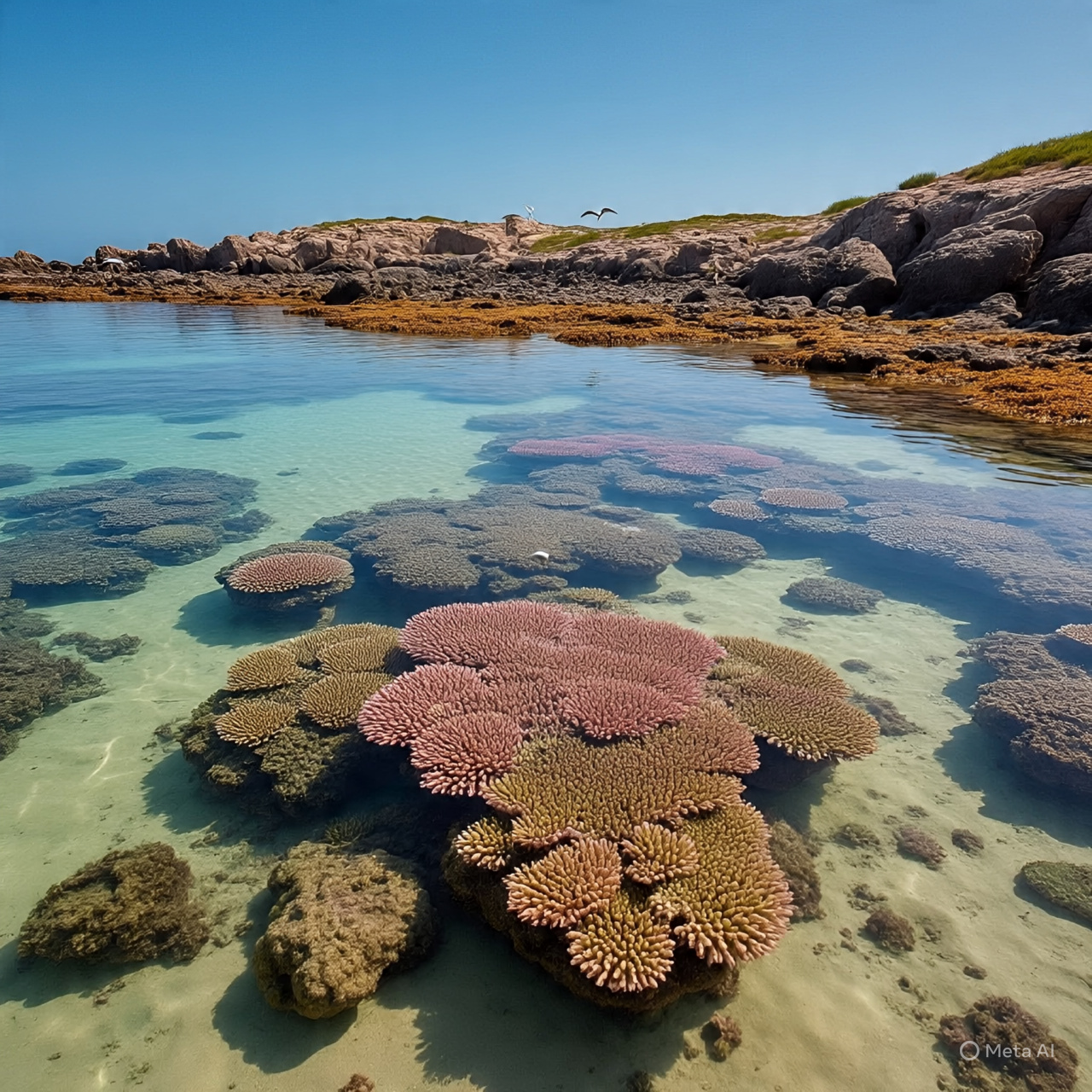
New research reveals that corals in extreme coastal bays show surprising resilience to climate stress, challenging previous assumptions about their vulnerability.
Emerging research suggests dark energy may not be constant, challenging long-held views on the universe's expansion and its future trajectory.
Discover Amaterasu, the ultra-high-energy cosmic ray that defies expectations and offers insights into the universe's mysteries and energy distribution.
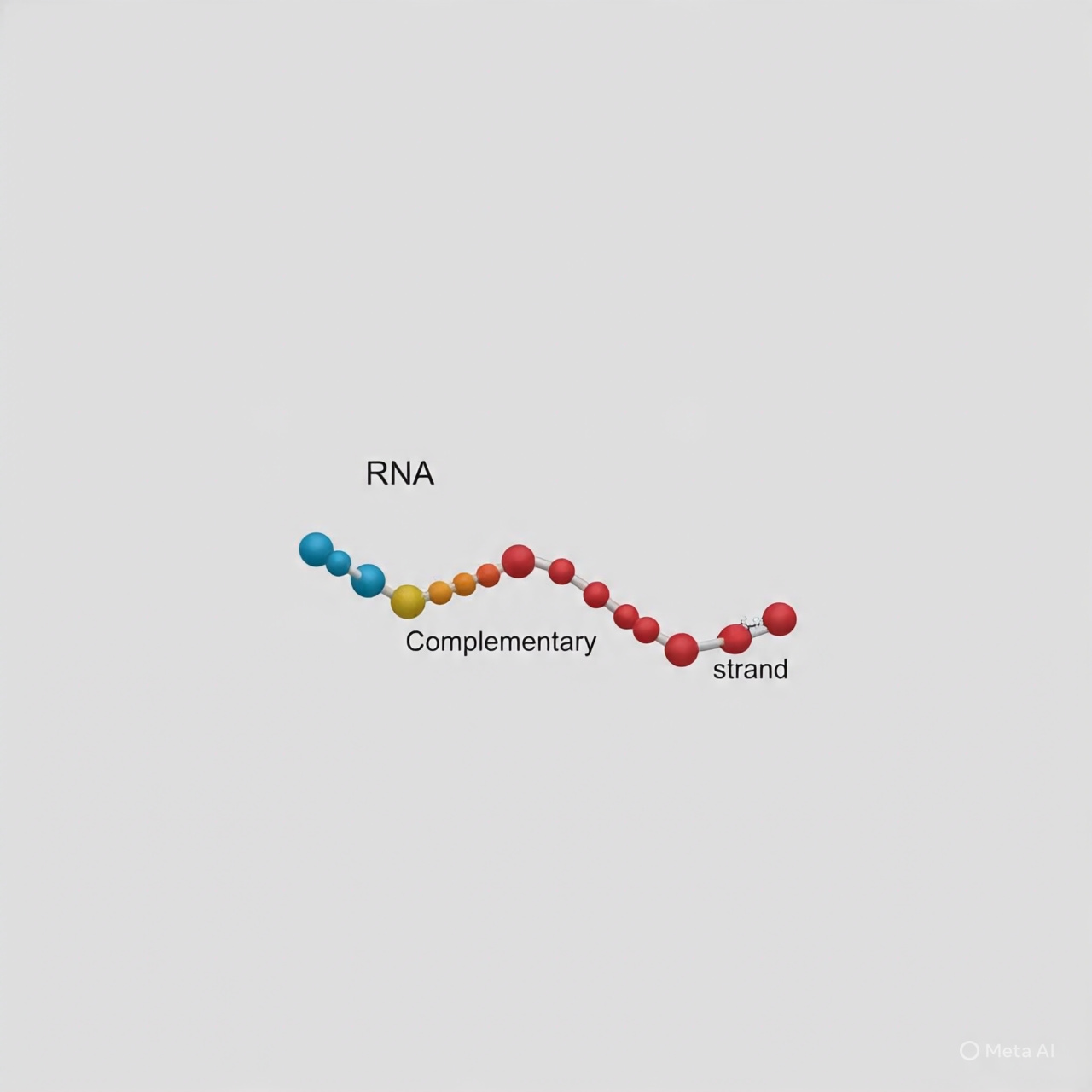
Researchers unveil a short RNA strand that hints at life's beginnings, supporting the RNA world hypothesis and shedding light on self-replication processes.
The Artemis program is evaluating recent test data as it prepares for future lunar missions. Updates on fueling tests and technical challenges are discussed.
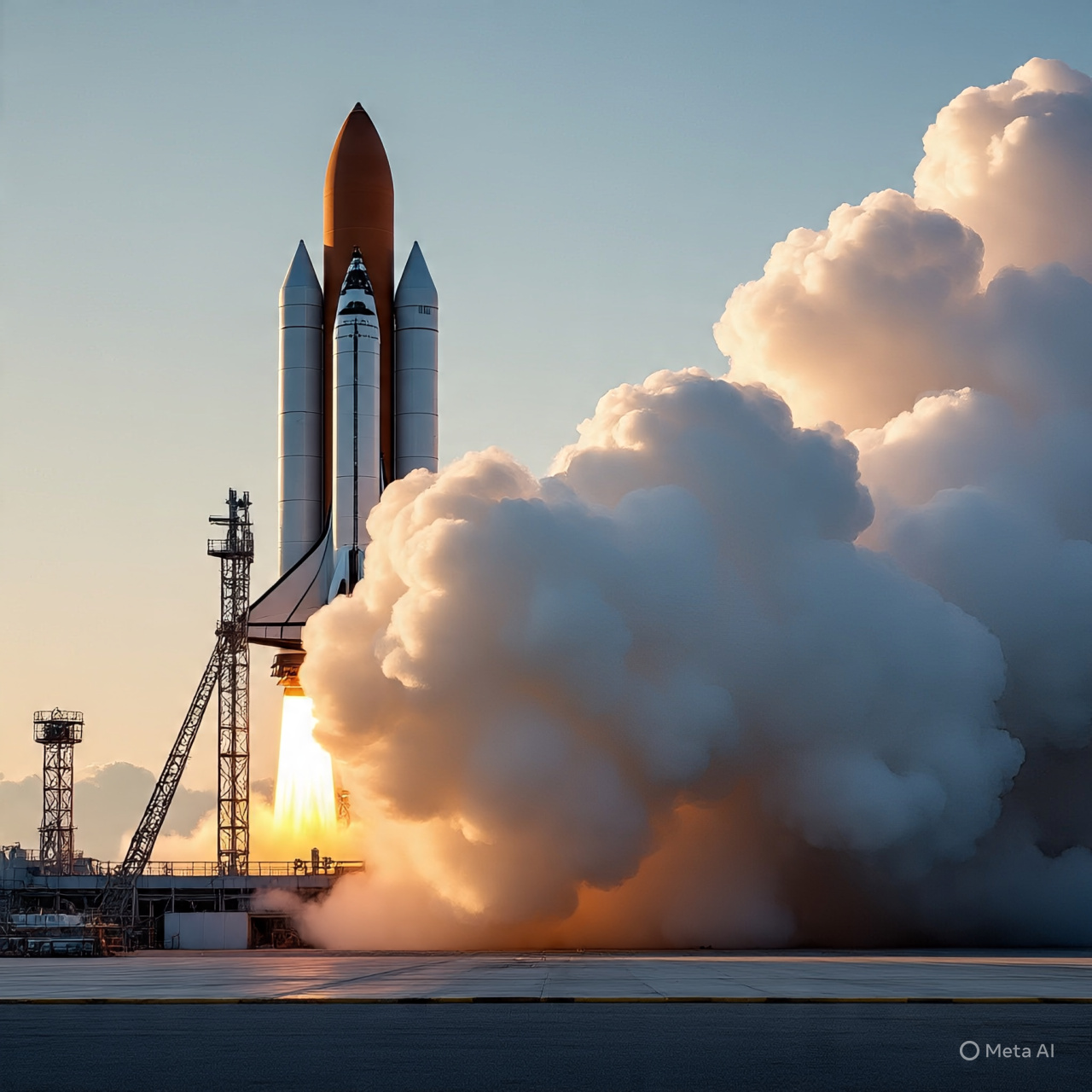
NASA's Artemis II rocket underwent a crucial fueling test, revealing both successes and challenges as the agency prepares for future lunar missions.
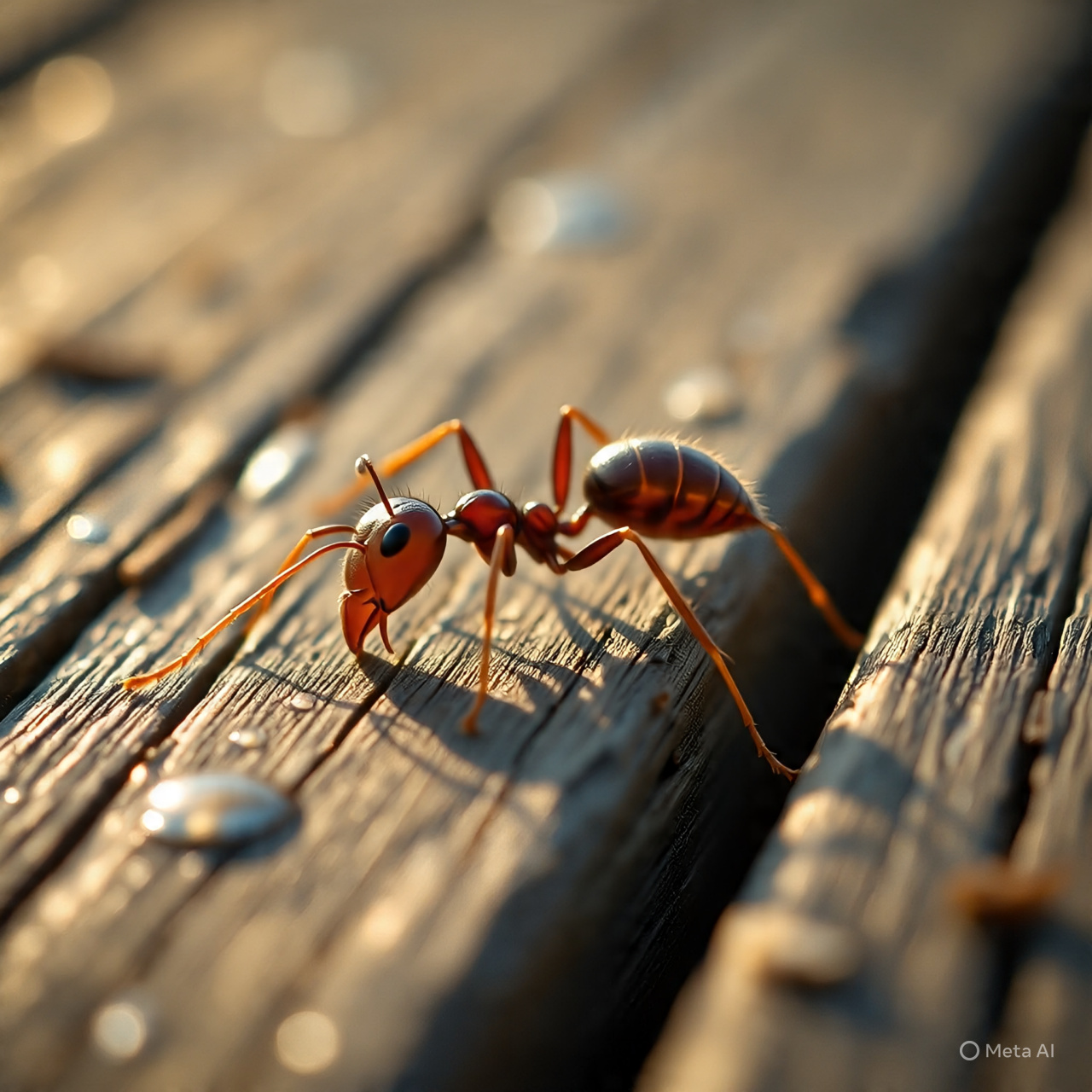
As spring arrives in Ontario, various pests like carpenter ants and ticks emerge. Learn how to manage these unwelcome guests effectively.
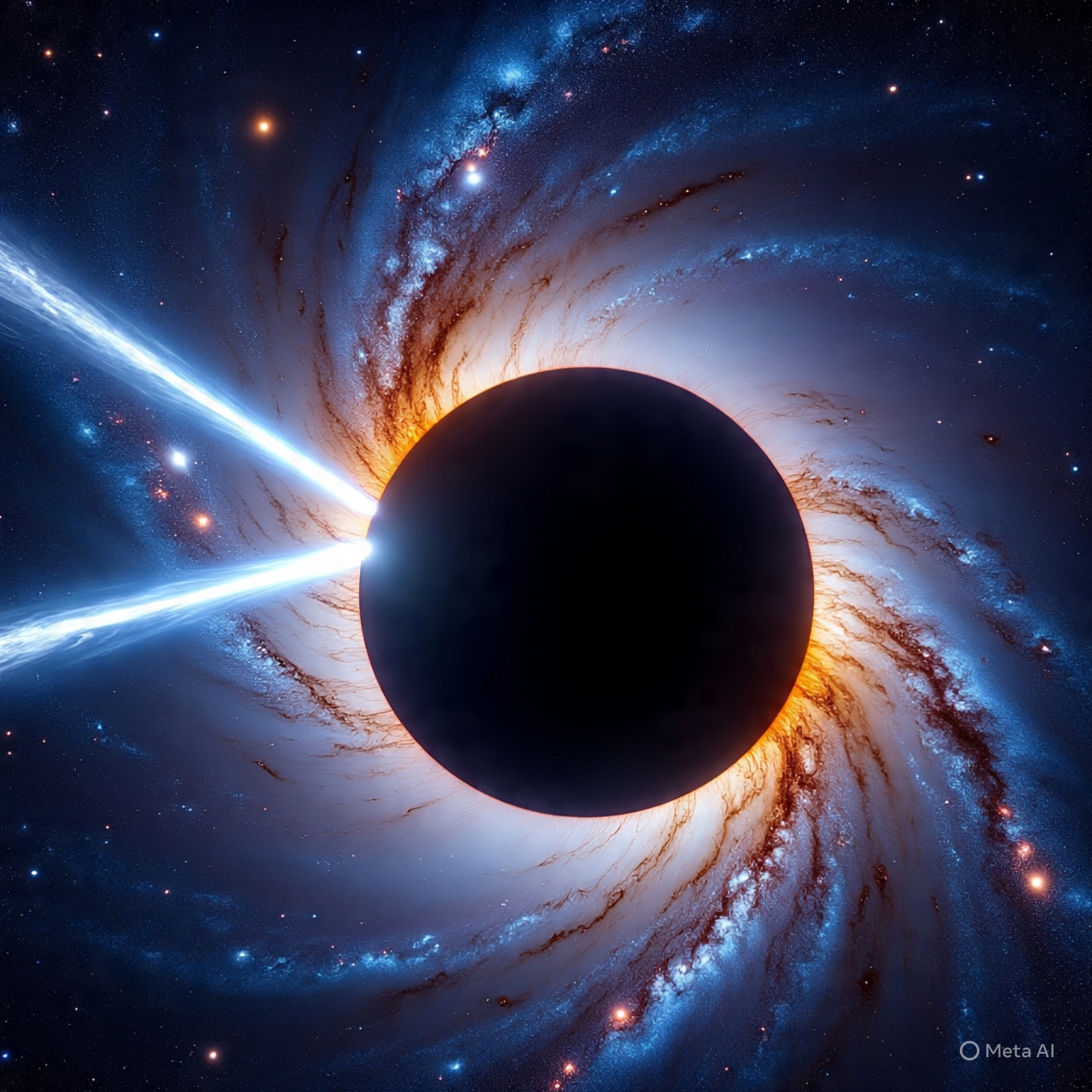
Explore how supermassive black holes influence star formation in galaxies, regulating growth and shaping cosmic evolution through feedback mechanisms.
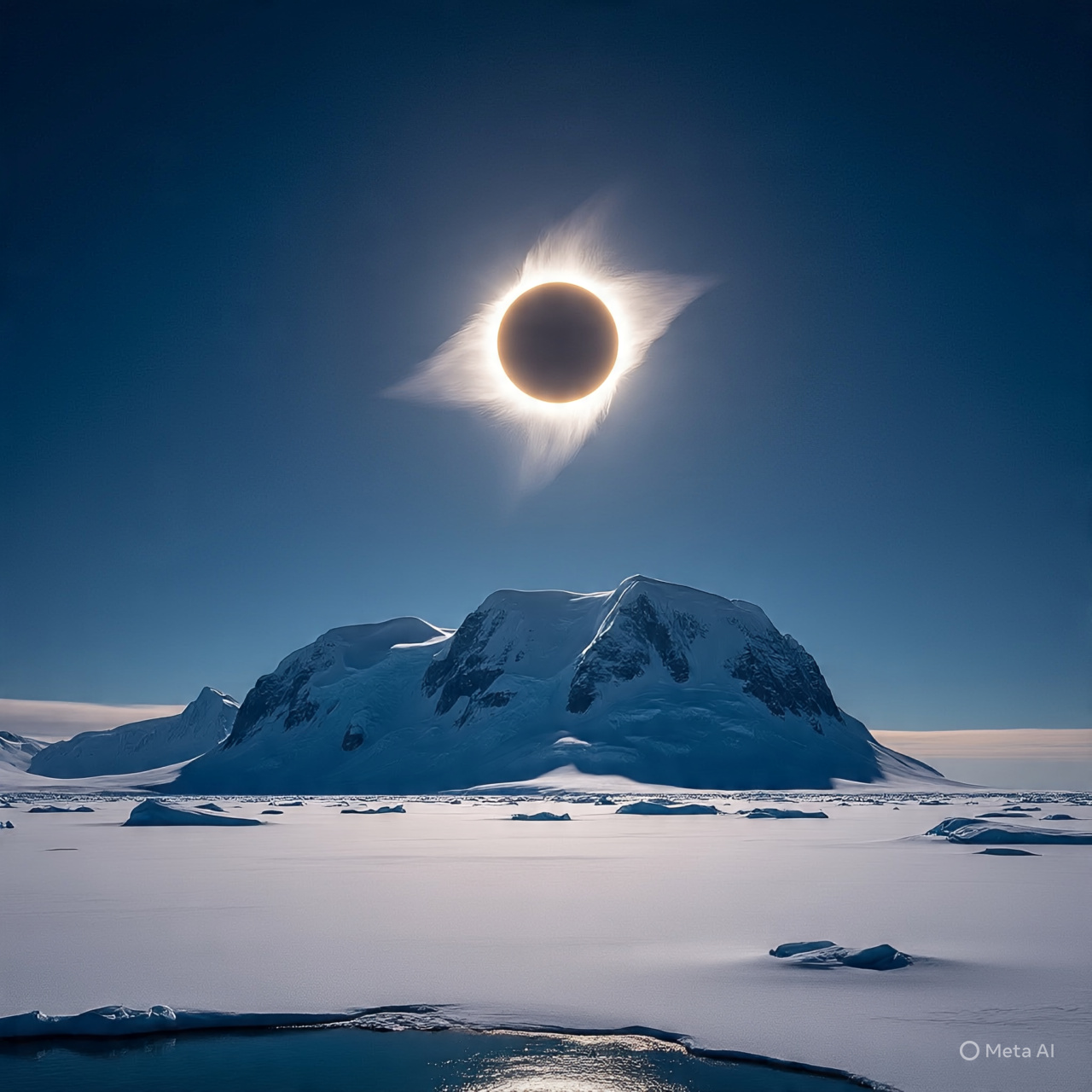
On February 17, 2026, an annular solar eclipse will create a stunning ring of fire visible from Antarctica and parts of southern South America and Africa.
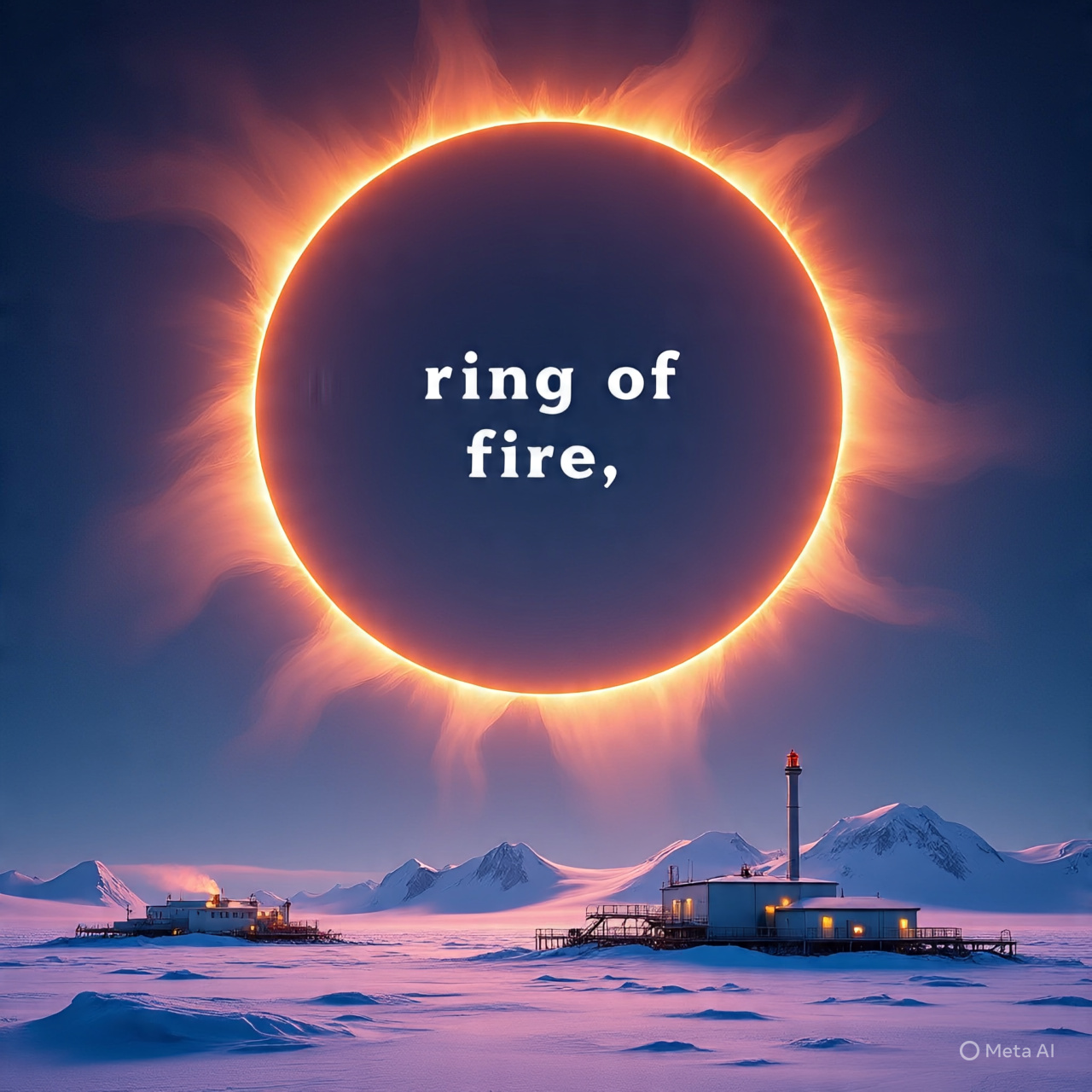
On February 17, 2026, Antarctica will host a rare annular solar eclipse, offering a unique view of the 'ring of fire' phenomenon for few lucky observers.
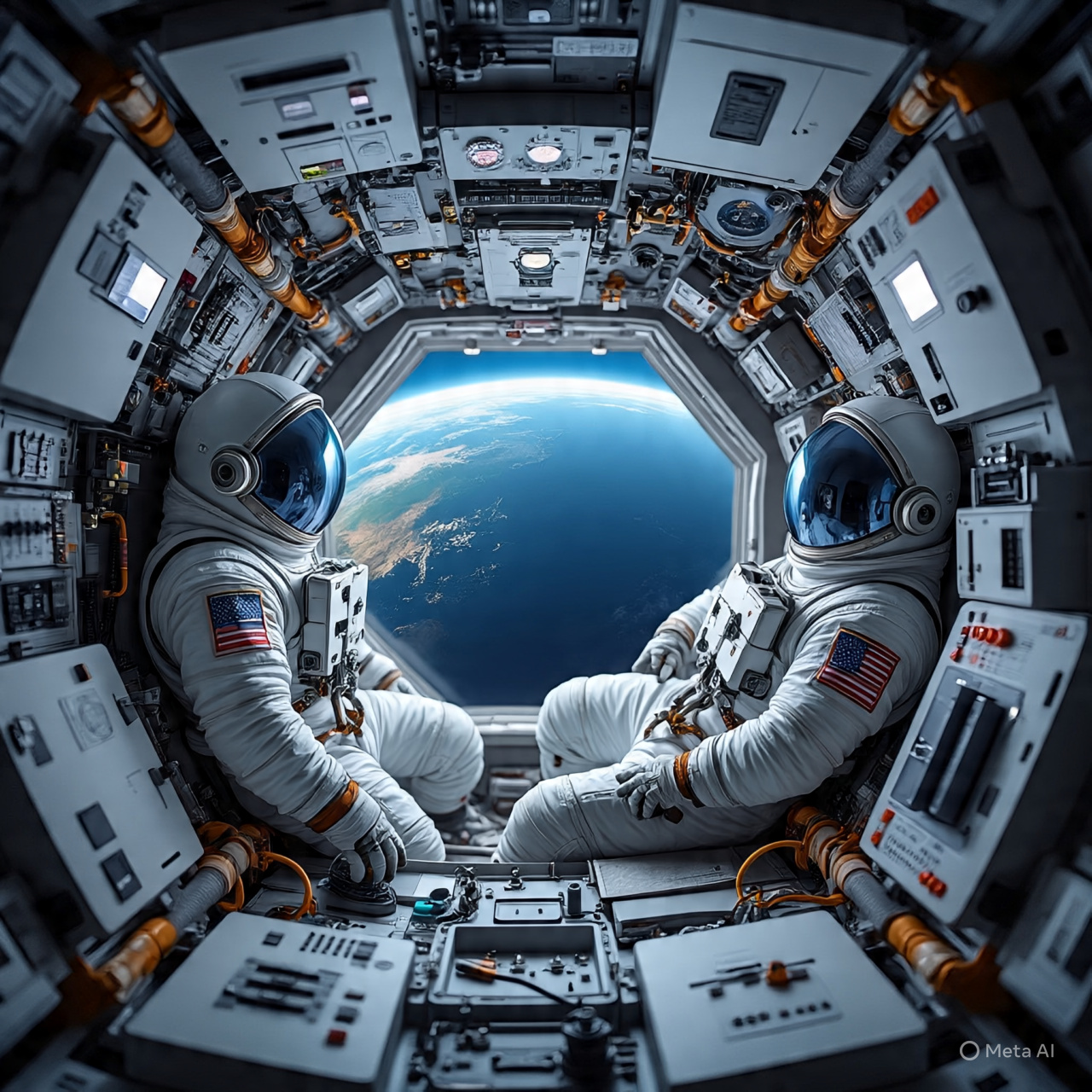
The International Space Station resumes full operations with a complete crew, enhancing research capabilities amid ongoing geopolitical tensions.
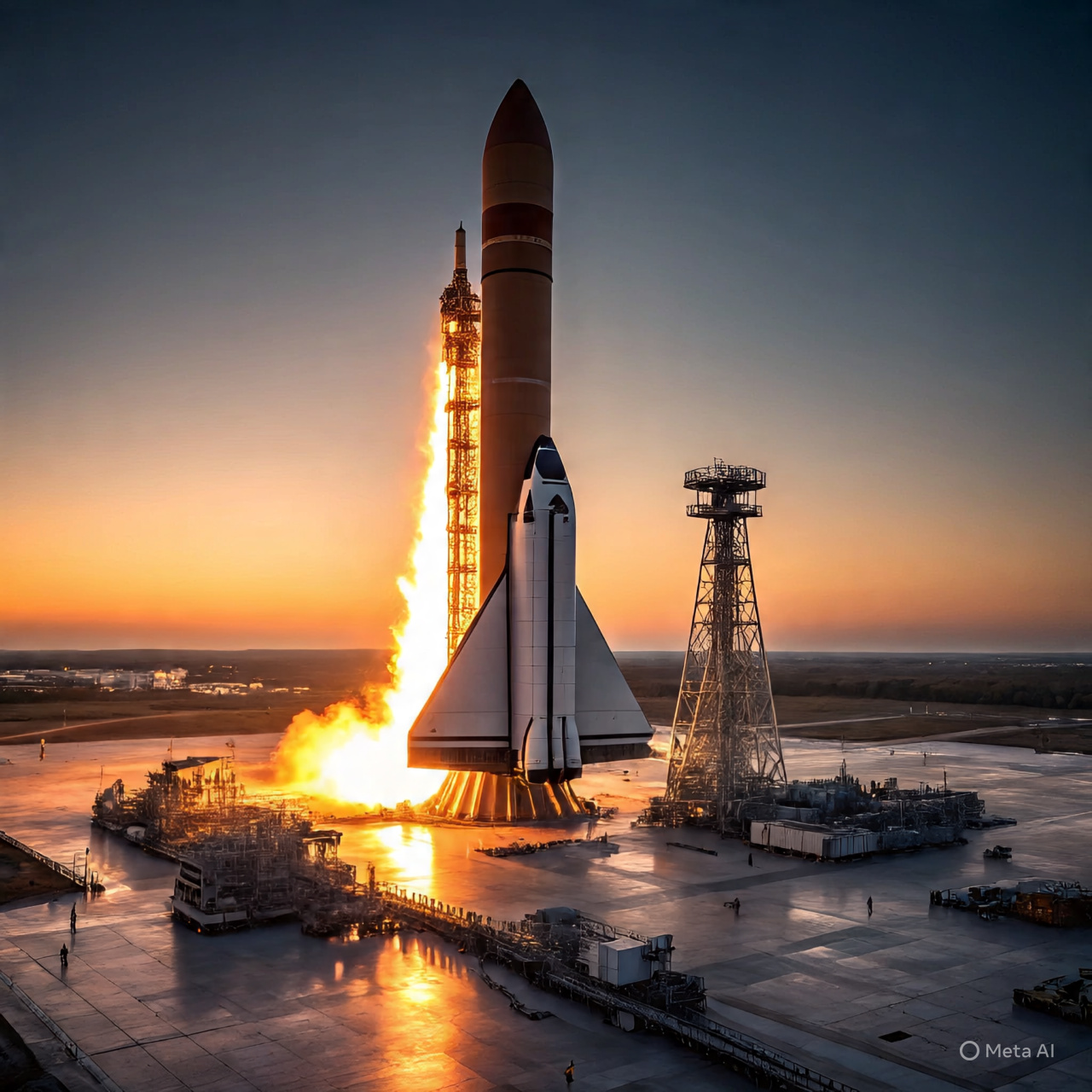
NASA's Artemis II mission is on track for a potential launch next month, marking the first crewed lunar flyby in over 50 years. Key preparations are underway.
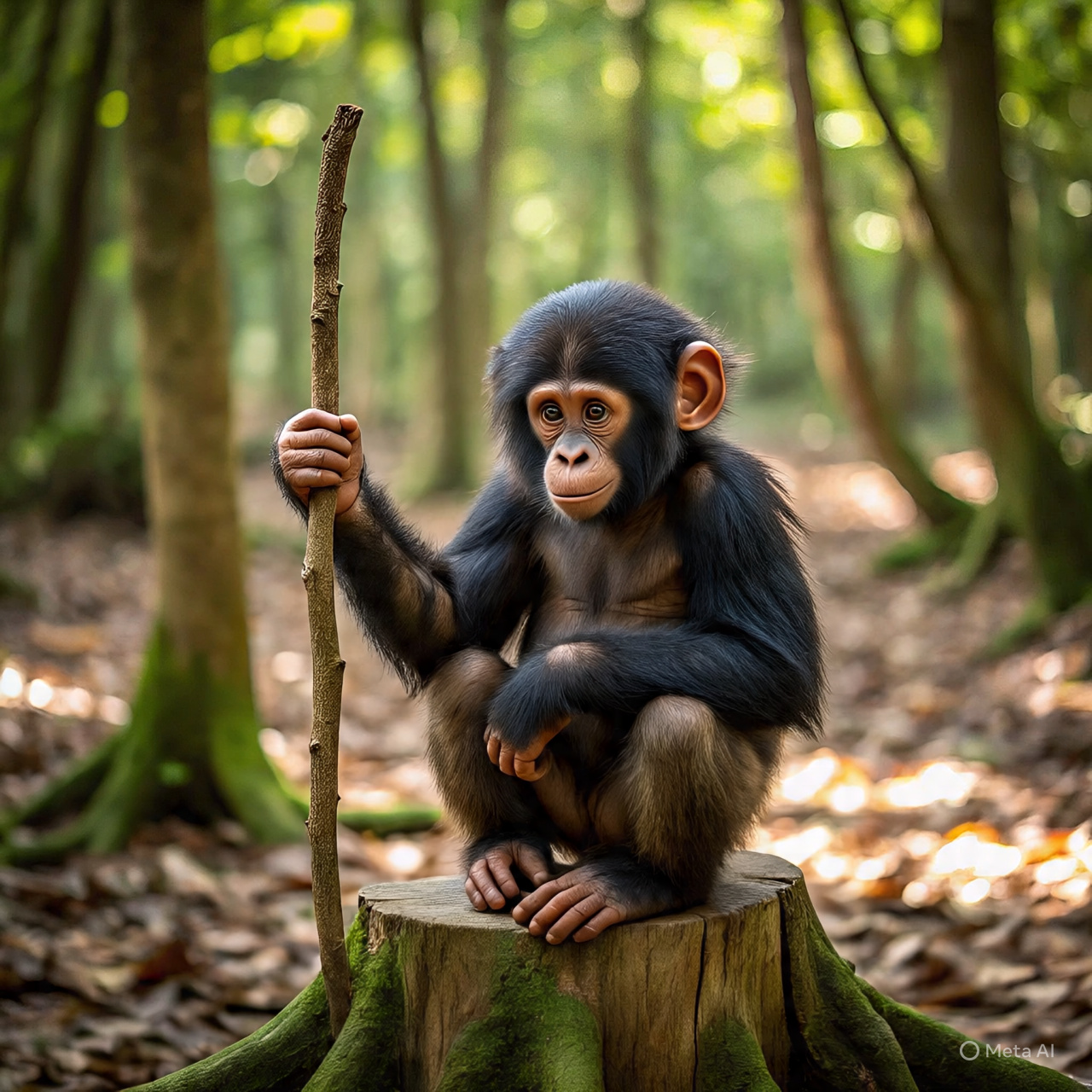
Explore how apes exhibit pretend play and what it reveals about human imagination and communication strategies in politics and social life.
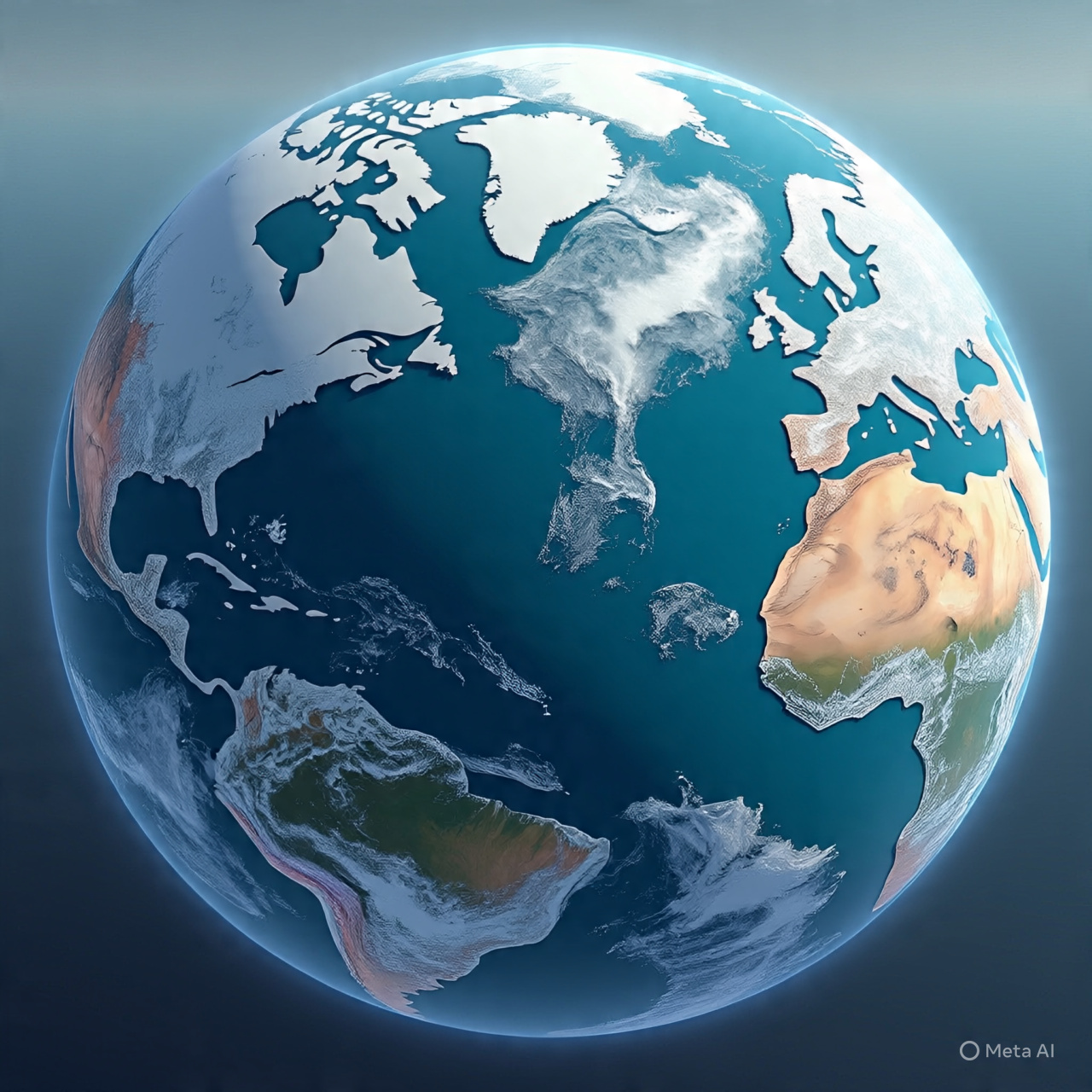
Recent studies suggest Earth's ancient 'Snowball' periods may have been dynamic 'Slushball' phases, with implications for climate resilience and planetary habitability.
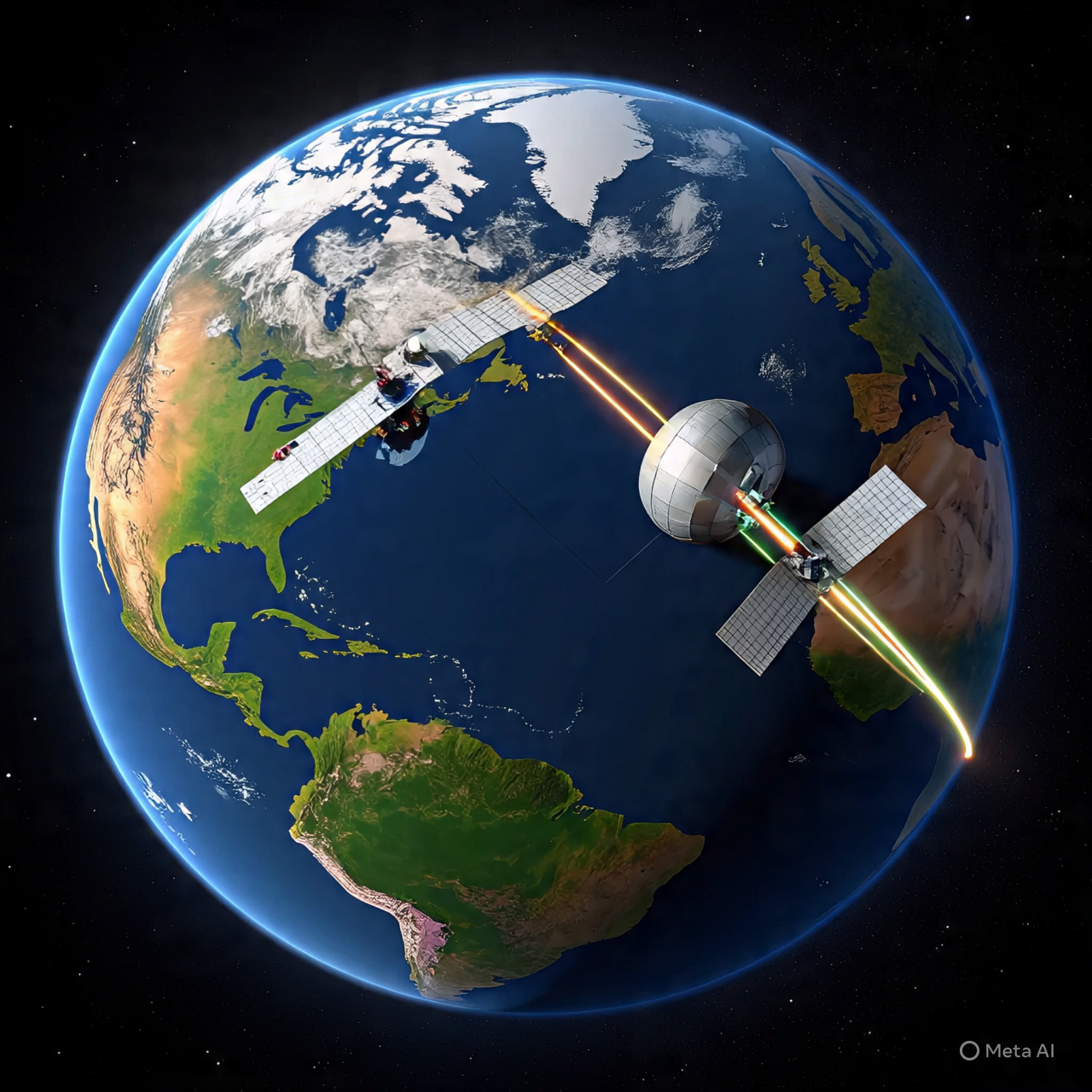
A new tool aims to improve satellite collision predictions, enhancing safety in increasingly crowded low Earth orbit and protecting vital space missions.
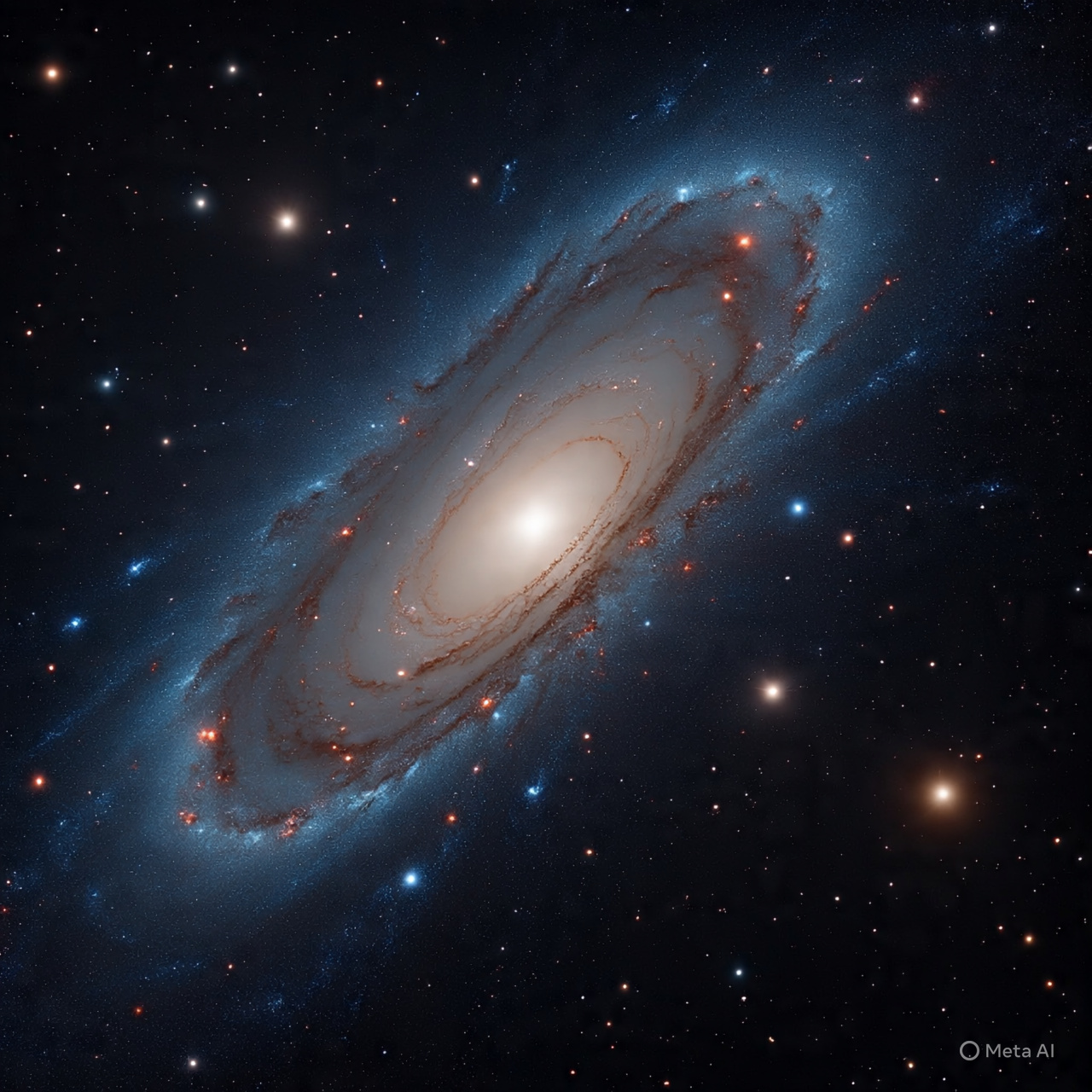
Recent observations suggest that massive elliptical galaxies formed much earlier in the universe's history than previously thought, challenging existing models.
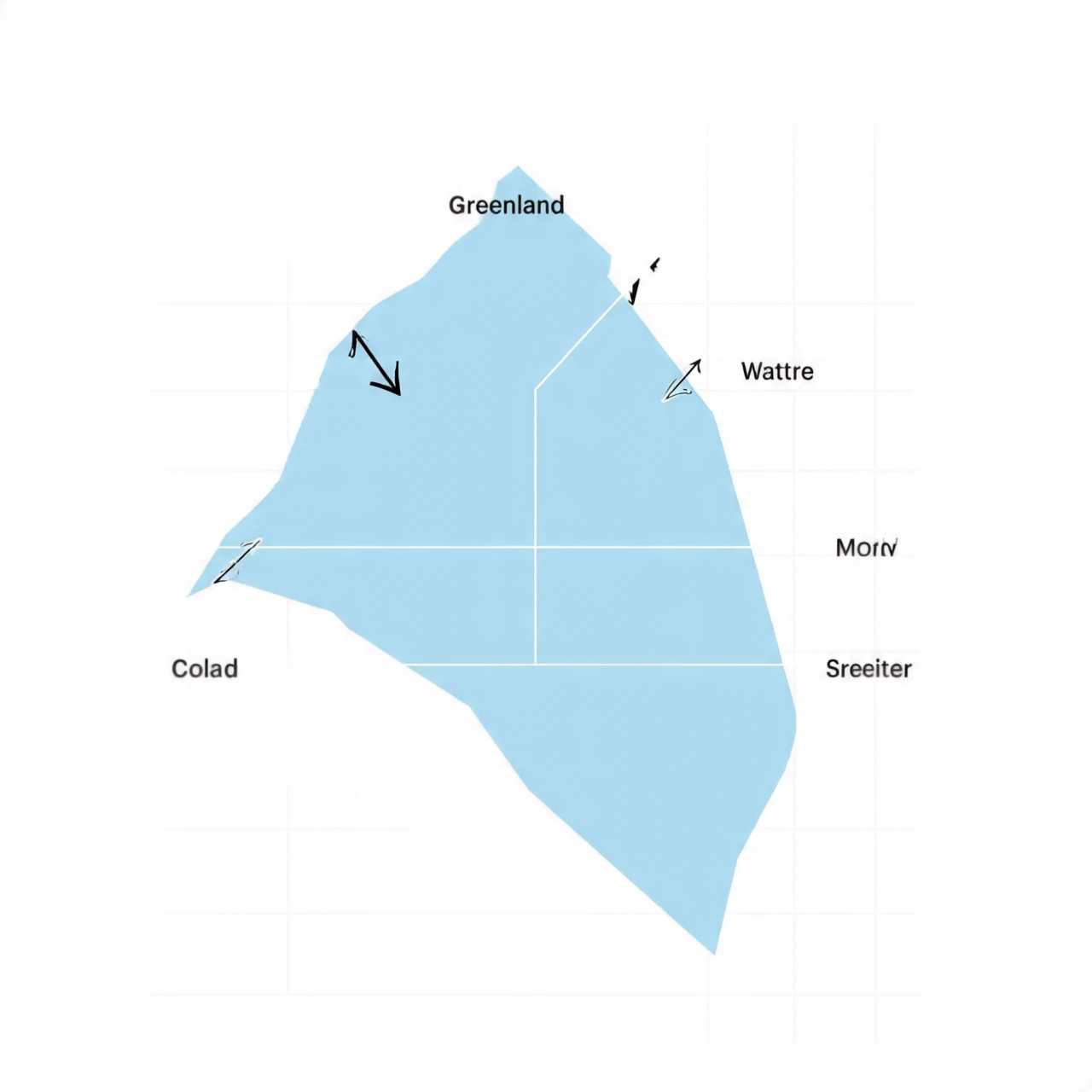
Explore the paradox of declining sea levels around Greenland as global sea levels rise, revealing complex interactions of climate change and geography.

A recent video highlights the dangers of close encounters with wildlife, urging respect for nature and adherence to safety guidelines for both humans and animals.
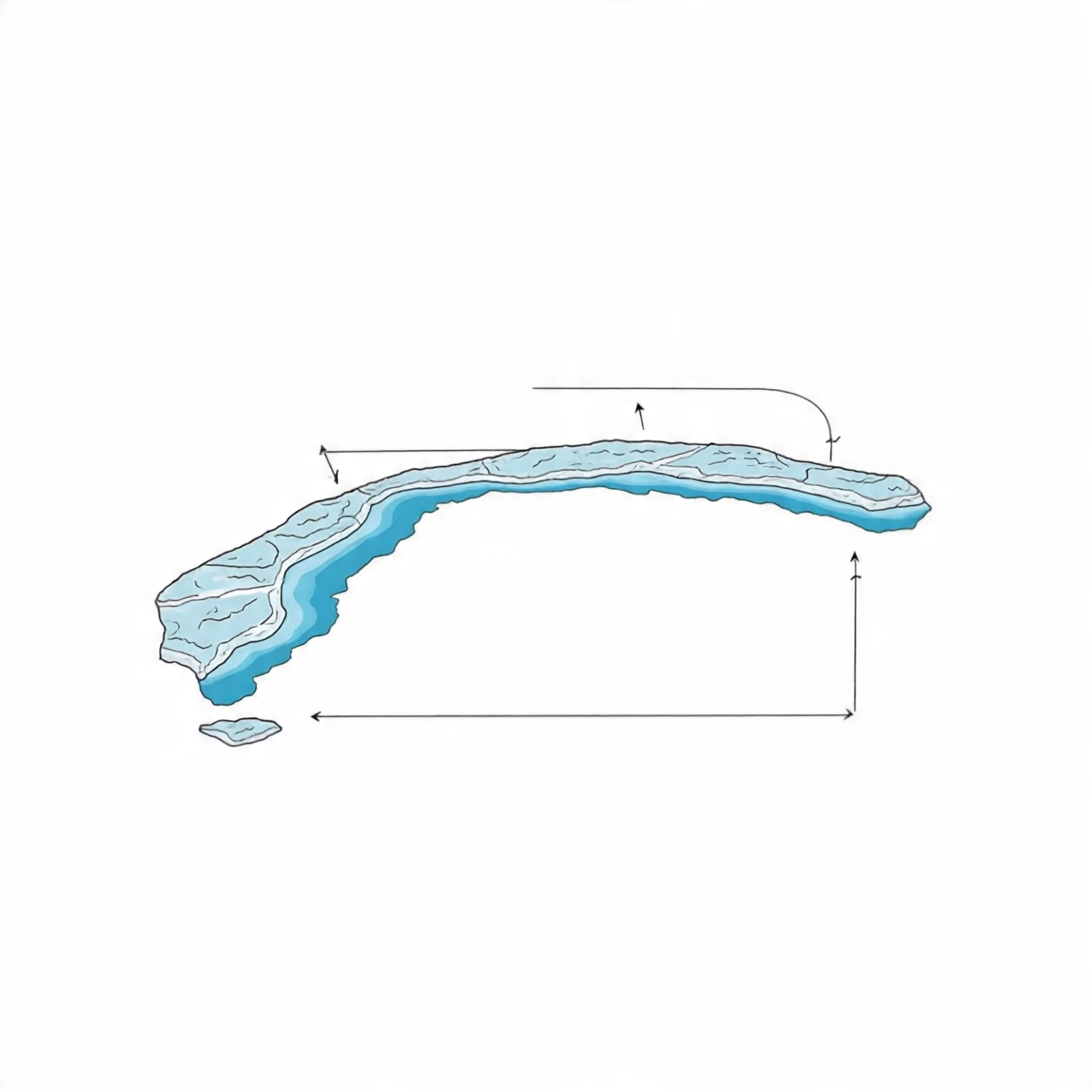
Explore the complex dynamics of sea level changes, focusing on Greenland's unique situation of declining local sea levels amid global rise due to climate change.
Researchers have recorded the loudest gravitational wave ever, resulting from the merger of two massive black holes, marking a milestone in gravitational-wave astronomy.
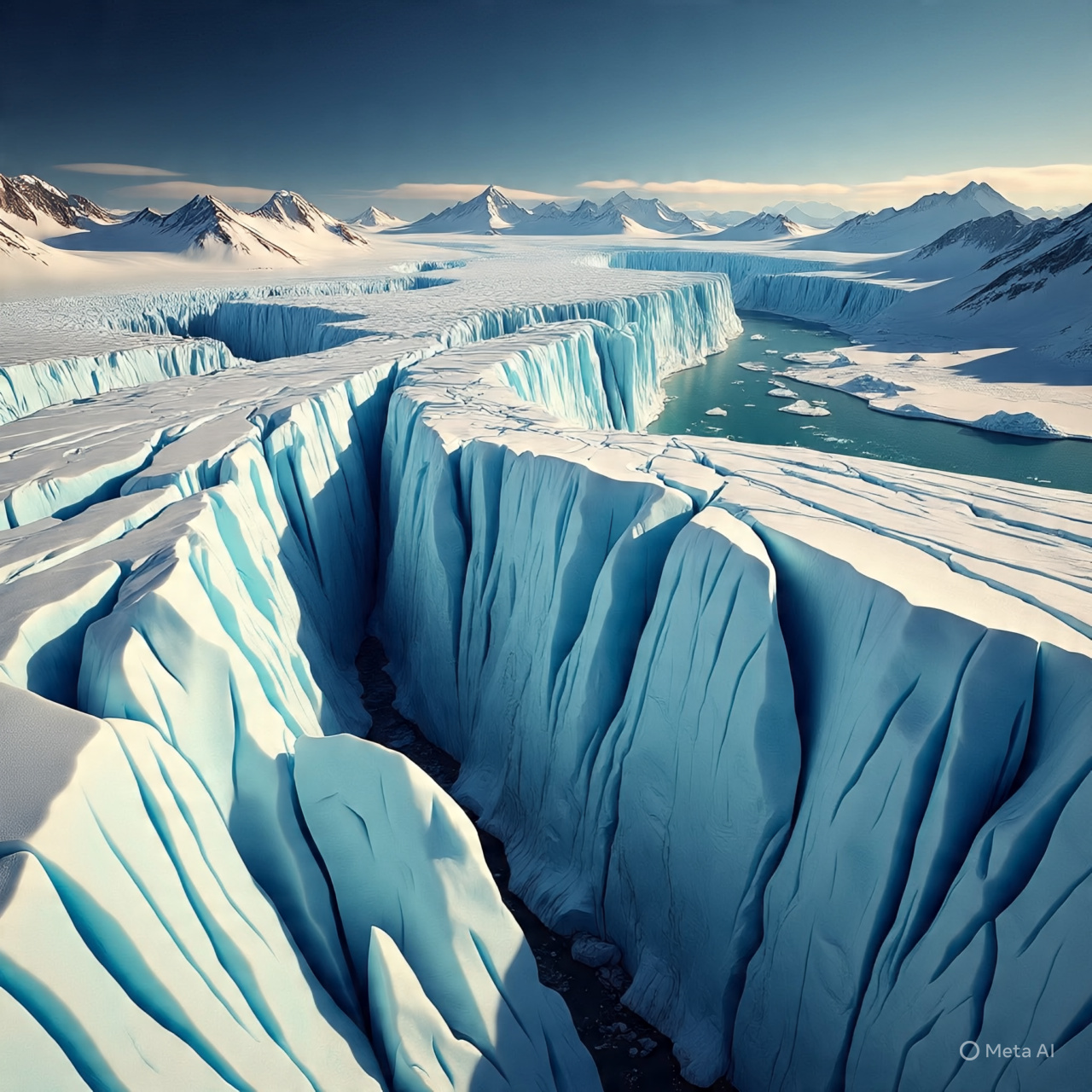
Research reveals that during Snowball Earth, ice-free oases may have supported early life, challenging previous notions of a completely frozen planet.

A recent study shows primates engaging in pretend play during a tea party, suggesting deeper cognitive abilities and challenging views on animal intelligence.
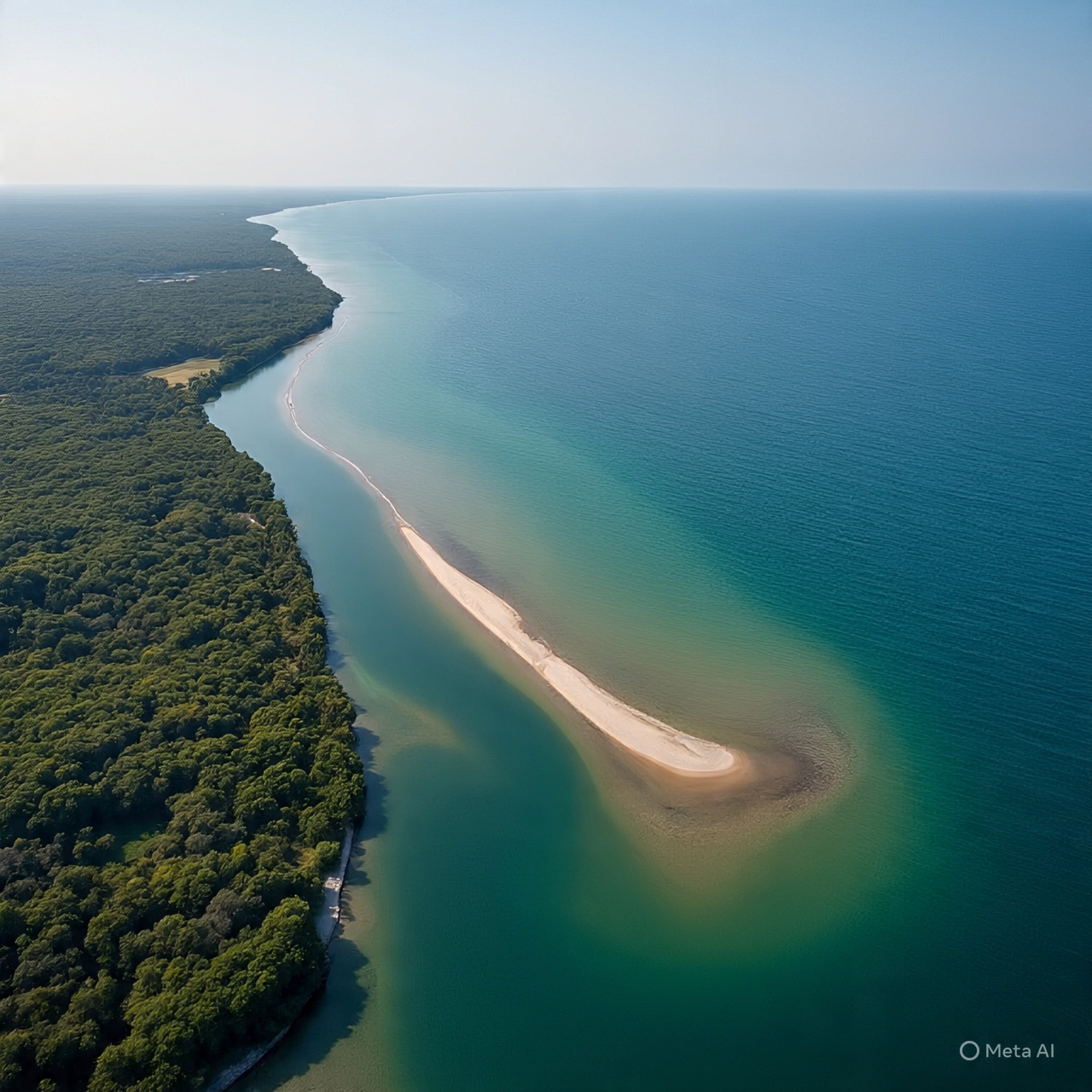
Explore the potential of blue energy from osmotic power at estuaries, where fresh and saltwater meet, and learn about the challenges and advancements in membrane technology.