How Robotic Prosthetics Challenge Our Perception of Movement
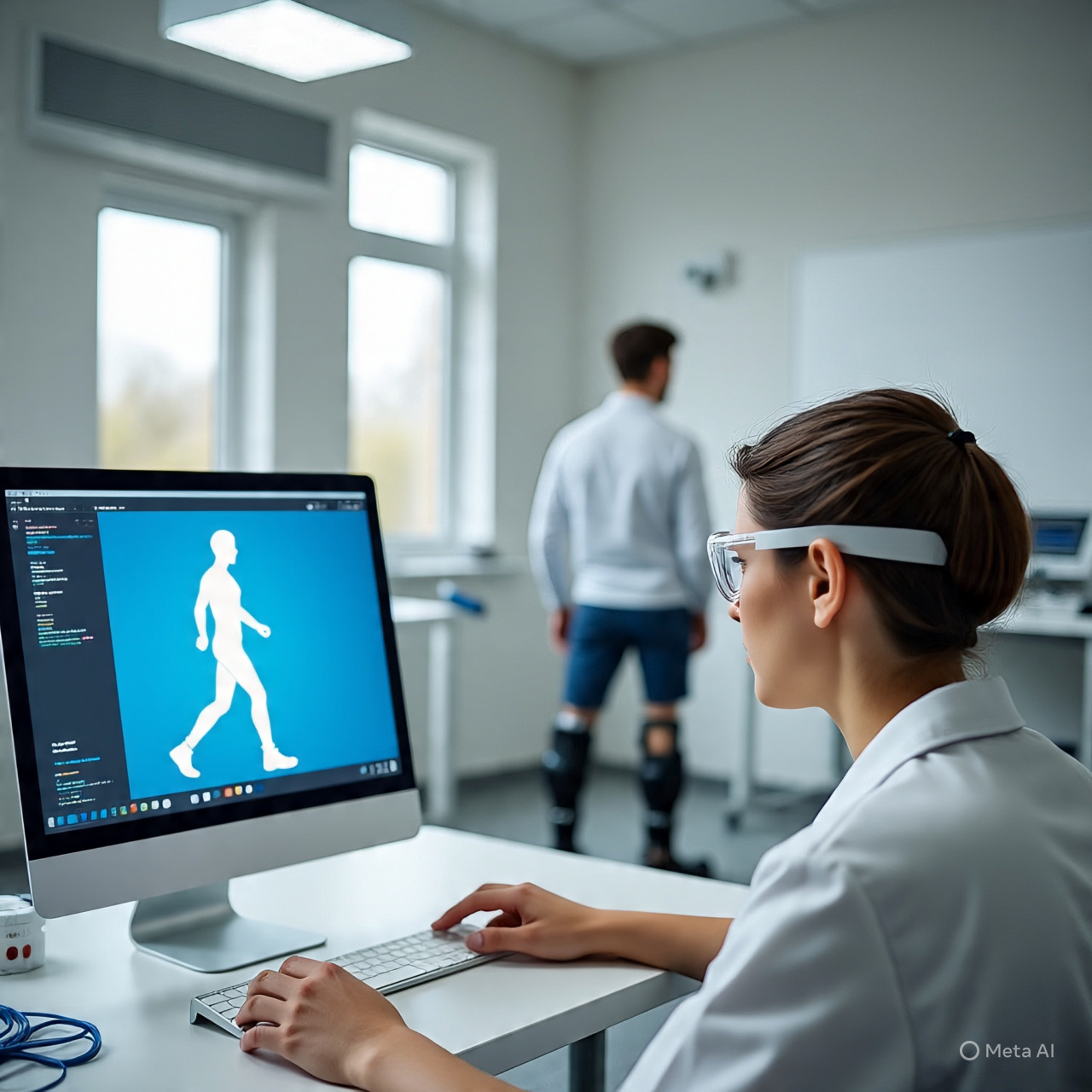
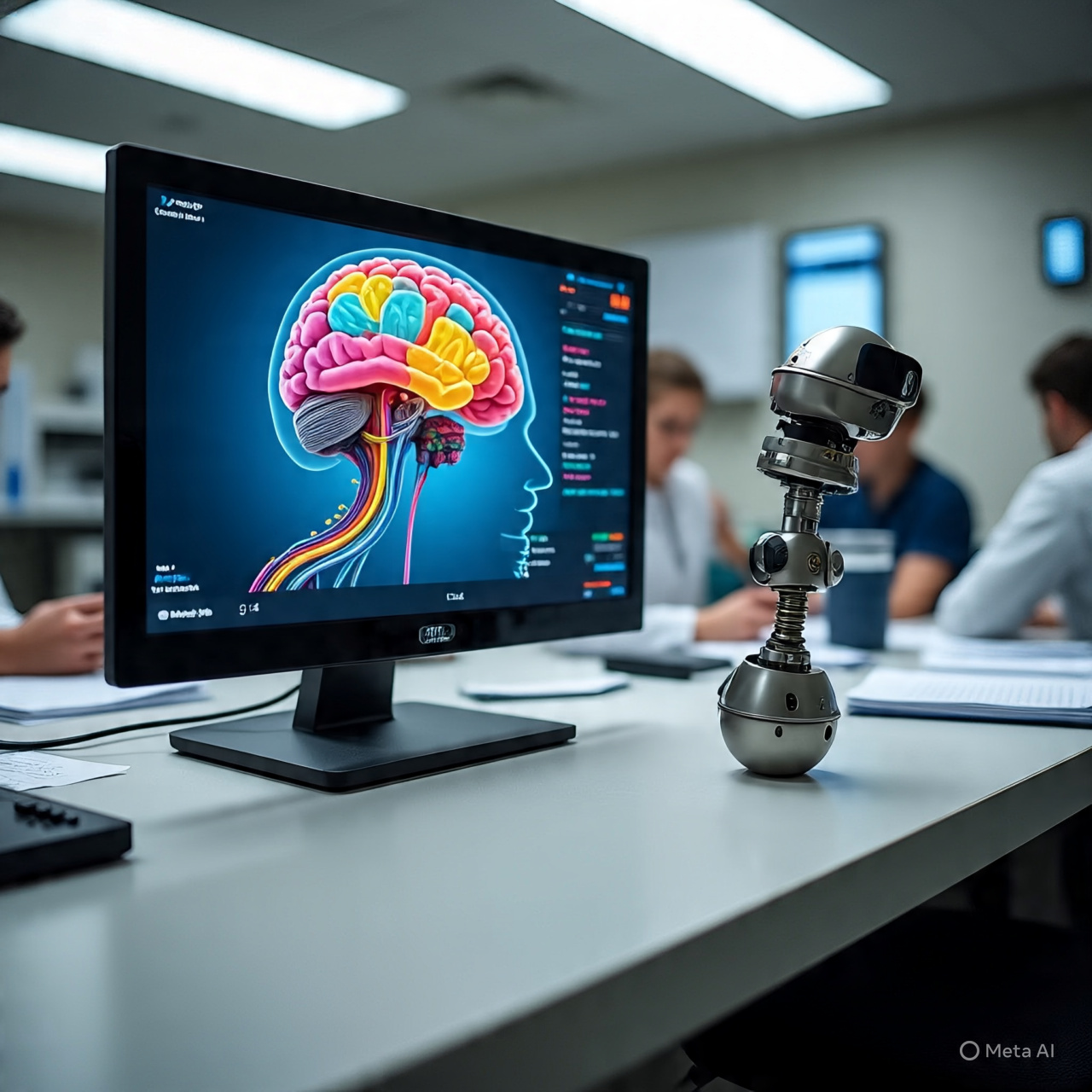
A study reveals that while robotic prosthetics enhance physical movement, they may not align with users' perceptions, highlighting the brain's adaptation process.

A study reveals that while robotic prosthetics enhance physical movement, they may not align with users' perceptions, highlighting the brain's adaptation process.

Explore how advanced robotic prosthetics are reshaping identity and perception, integrating with the human body and enhancing user experience.

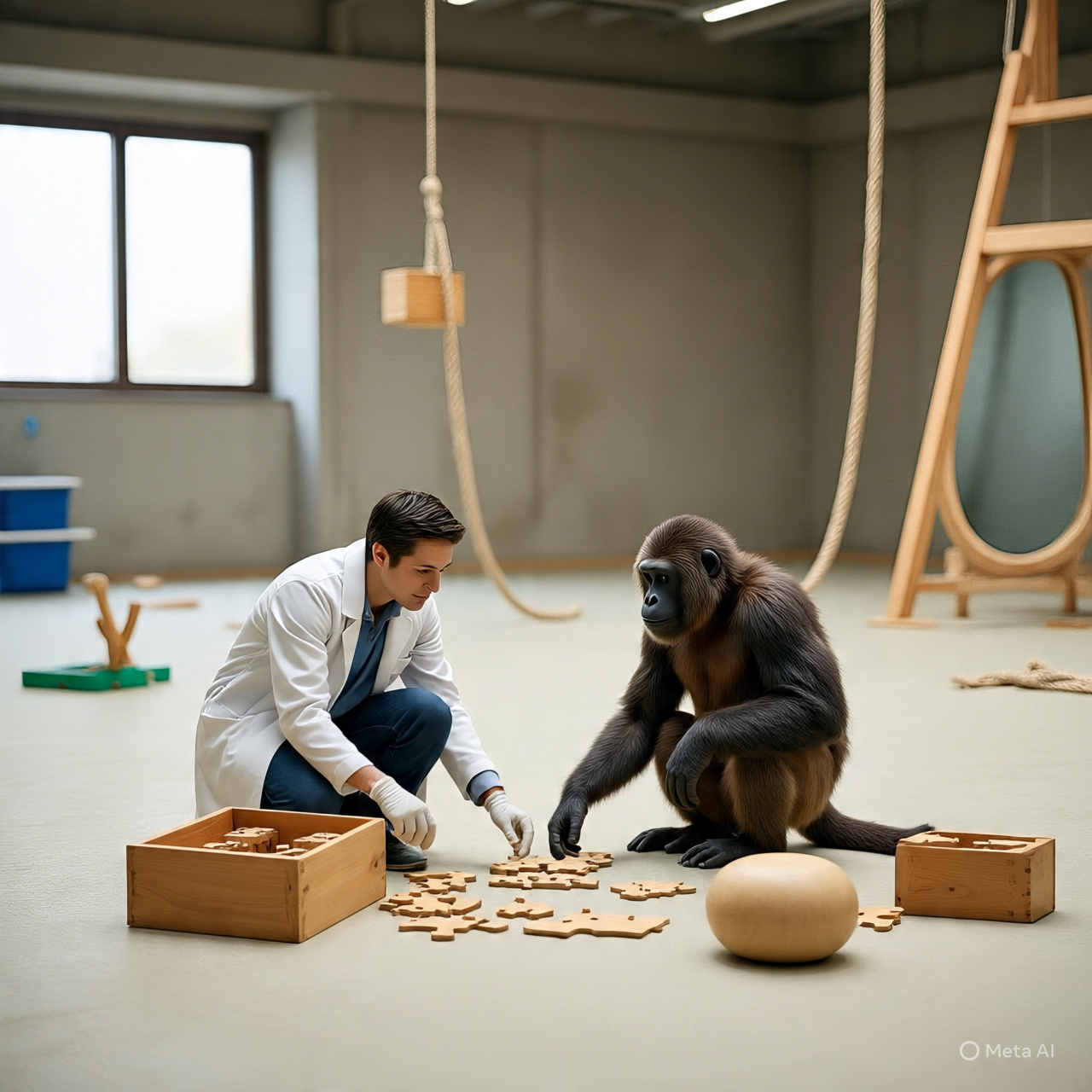
A new study investigates ape behavior in imaginative play, revealing insights into cognition, empathy, and the evolutionary roots of storytelling.

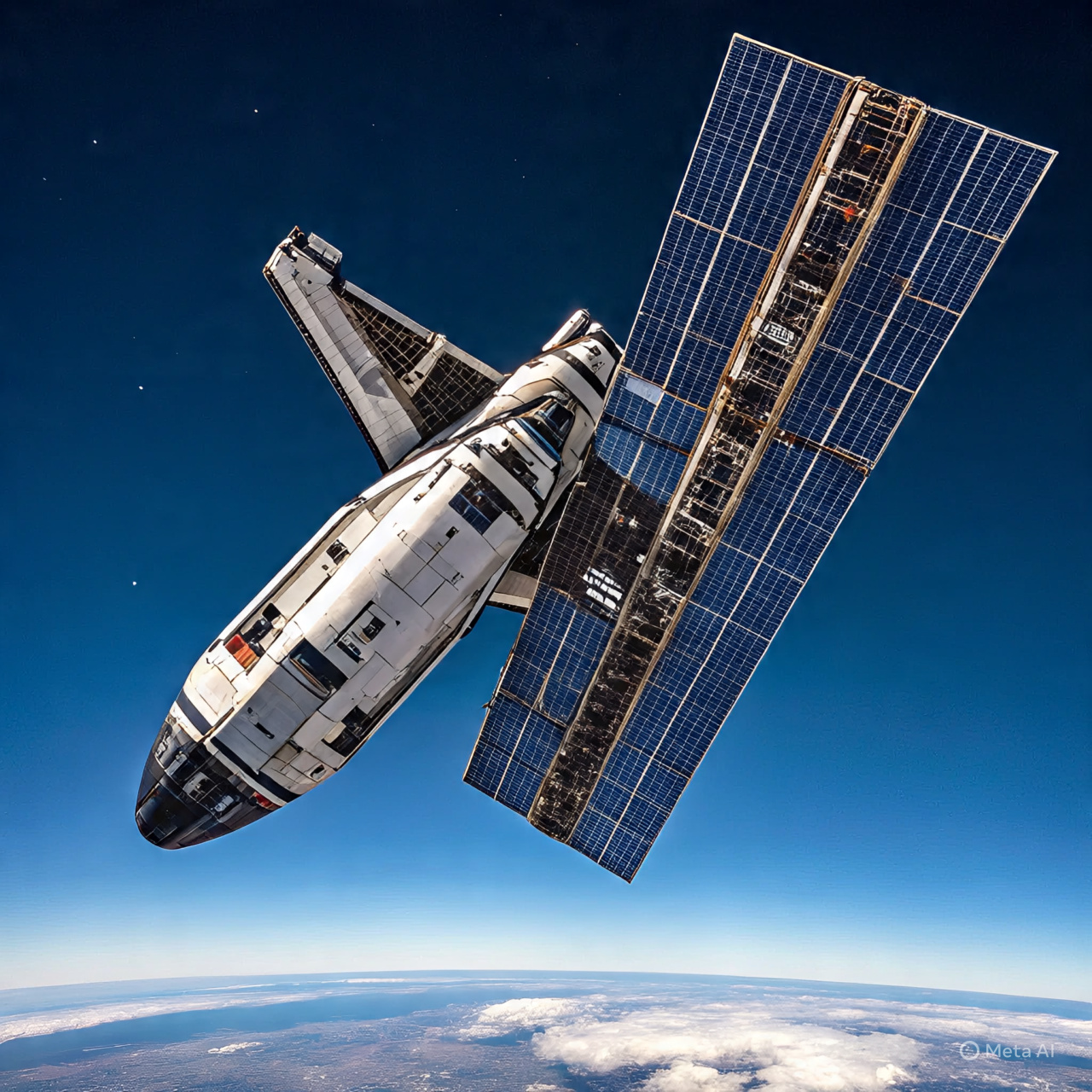
Four new astronauts have joined the International Space Station, enhancing research capabilities and preparing for future missions to the Moon and Mars.

Astronomers report a star's sudden brightness followed by disappearance, suggesting it may have collapsed into a black hole. Further observations are needed.

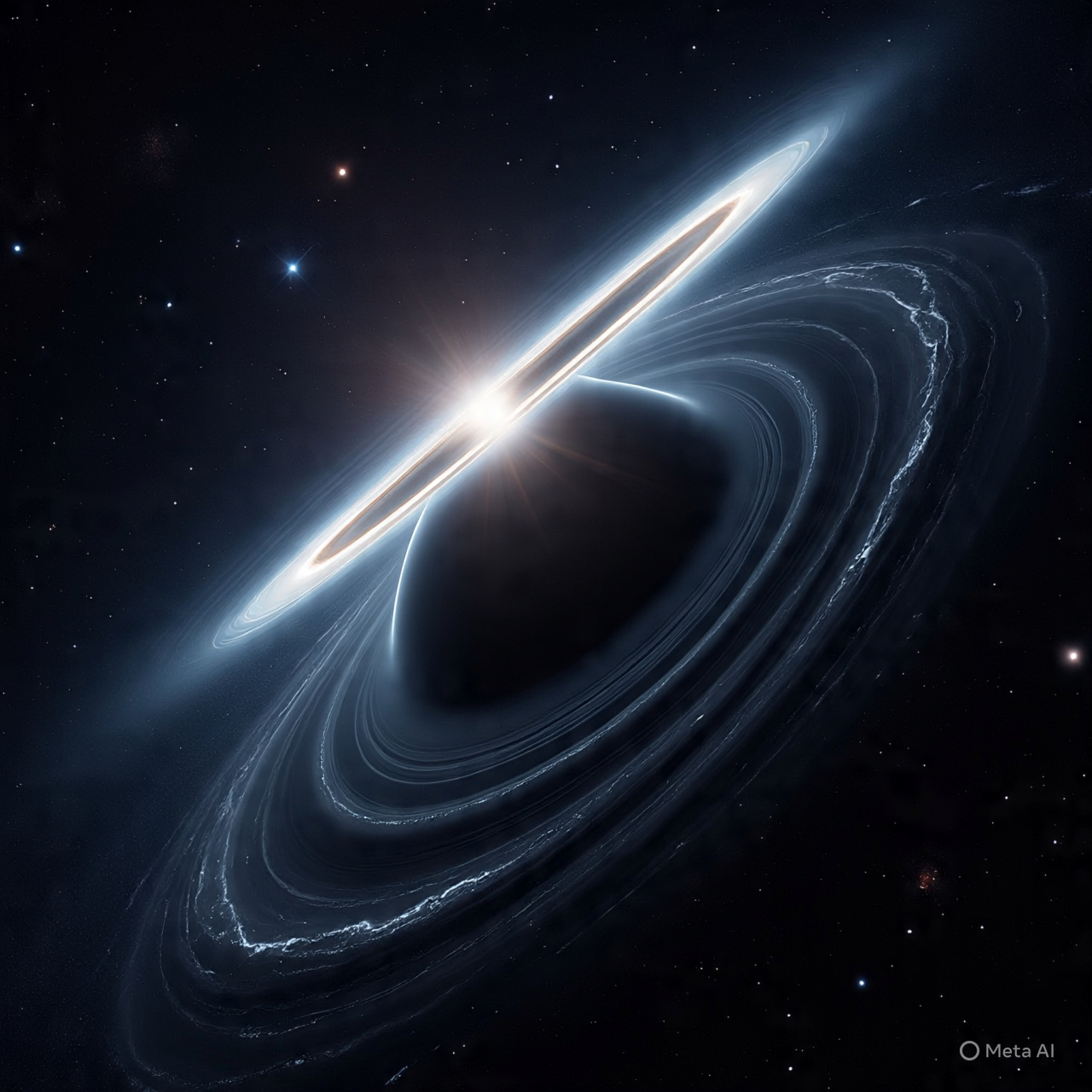
Astronomers have observed a rare relativistic illusion predicted by Einstein's theory, revealing how extreme gravity distorts light in space.

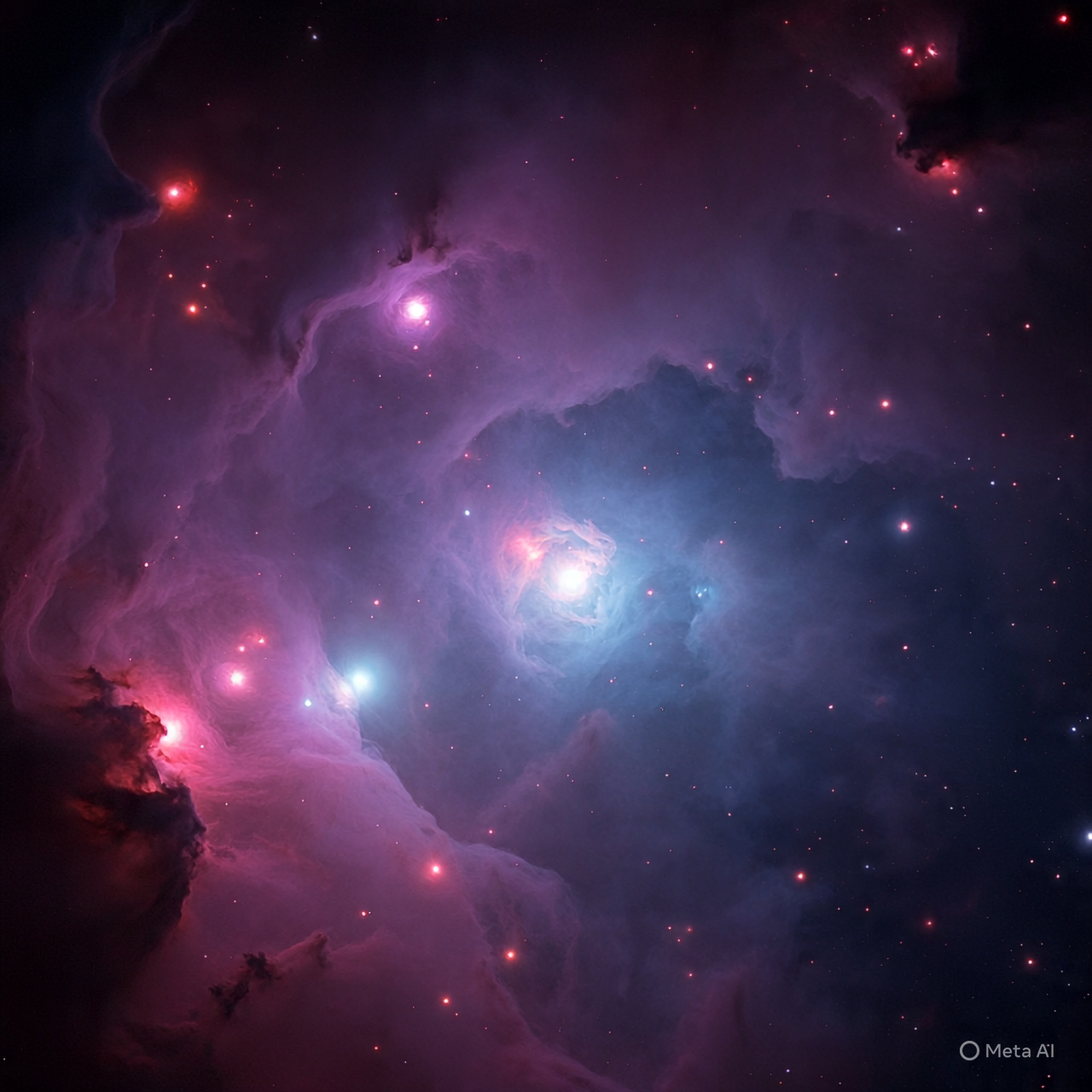
Chandra X-ray Observatory uncovers a cluster of newborn stars in the Cocoon Nebula, shedding light on stellar formation and cosmic evolution.

Rising temperatures are causing turtles to breed earlier but with fewer eggs, highlighting the impact of climate change on marine ecosystems.

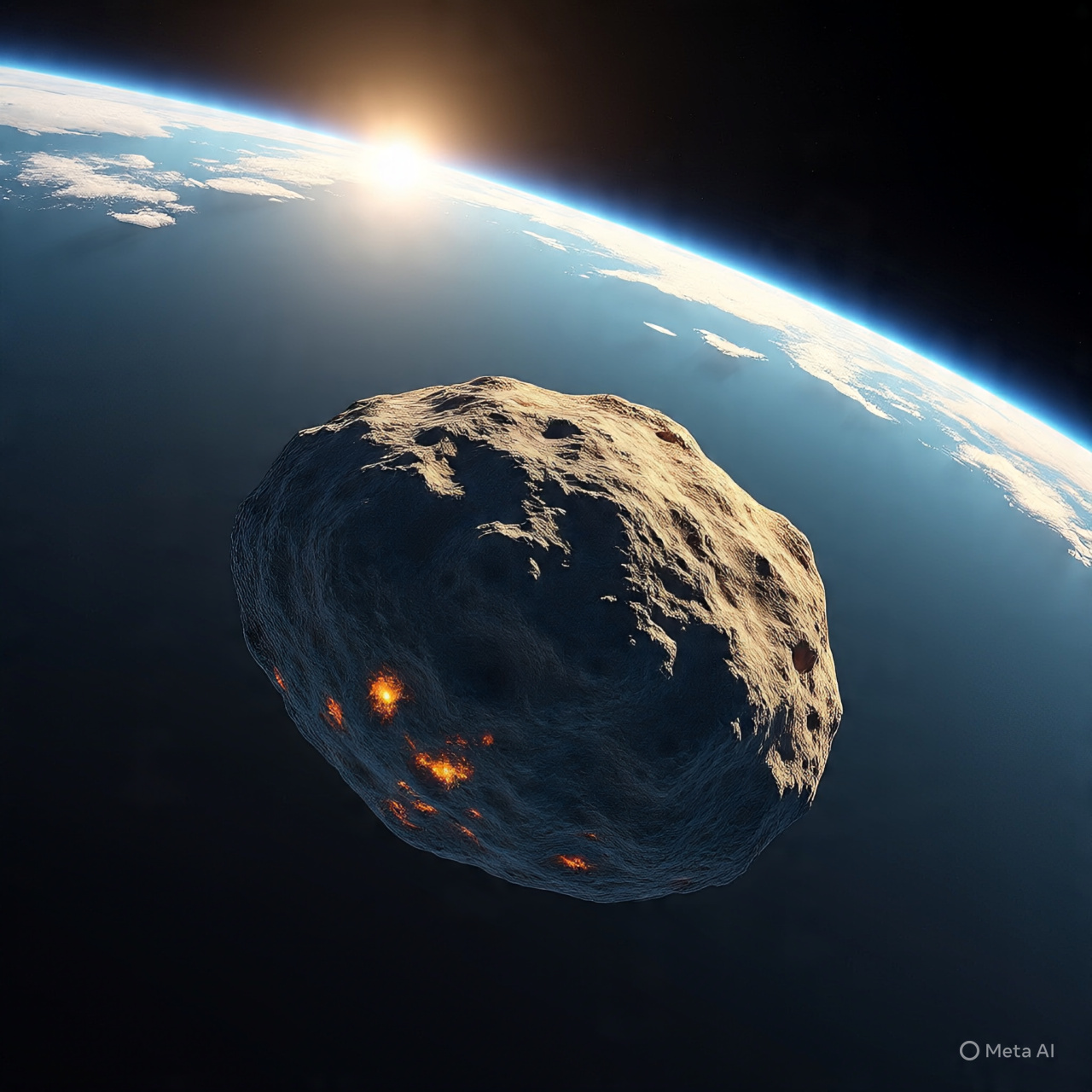
Explore the dangers posed by undetected asteroids and the efforts to improve detection and preparedness for potential impacts on Earth.

Discover how corals in extreme coastal bays exhibit remarkable resilience against climate change, offering hope for marine ecosystems' future.

Recent advancements in microscopy unveil hidden quantum order in materials, offering insights into superconductivity and potential tech innovations.

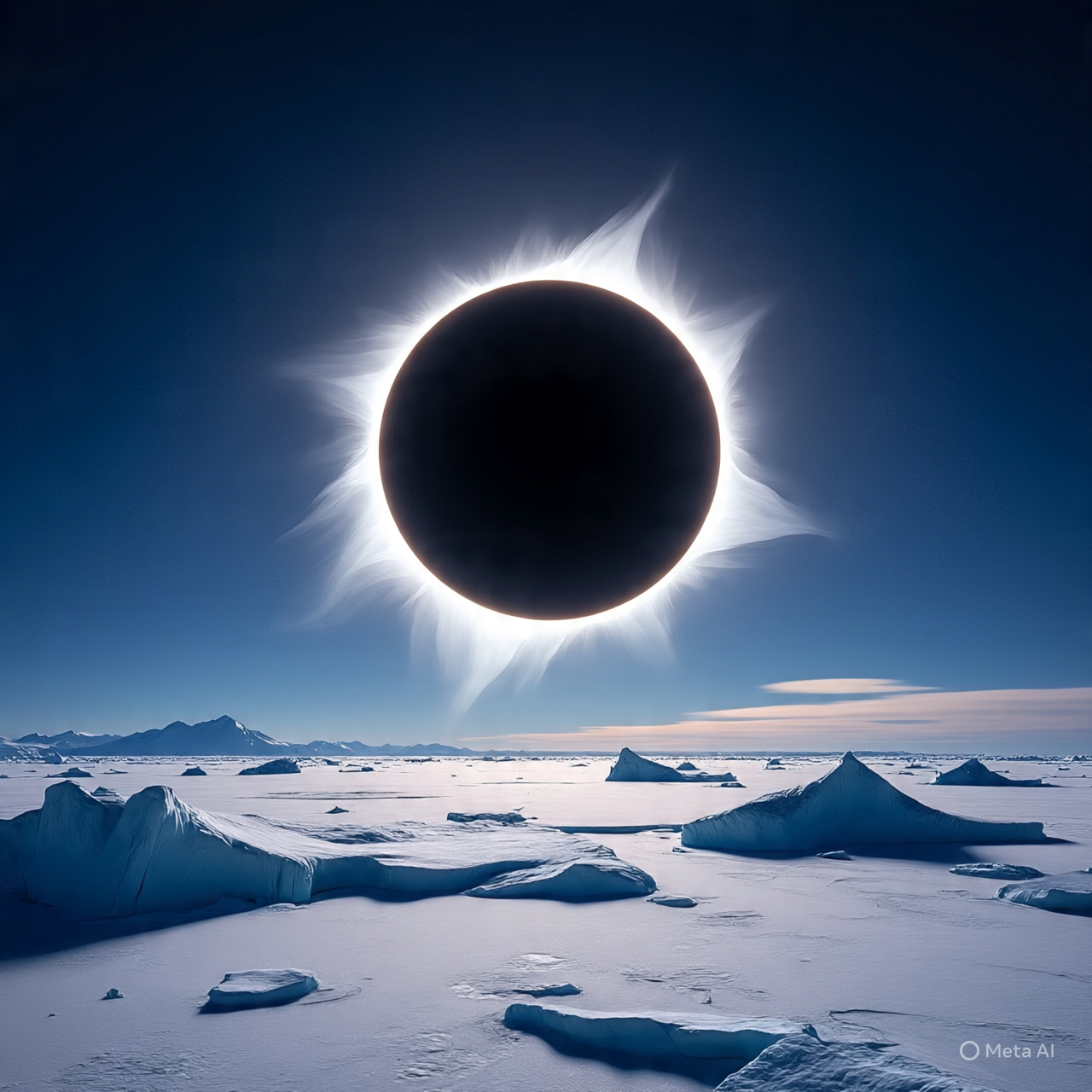
On February 17, 2026, an annular solar eclipse will grace the skies, offering a rare 'ring of fire' spectacle for select observers worldwide.

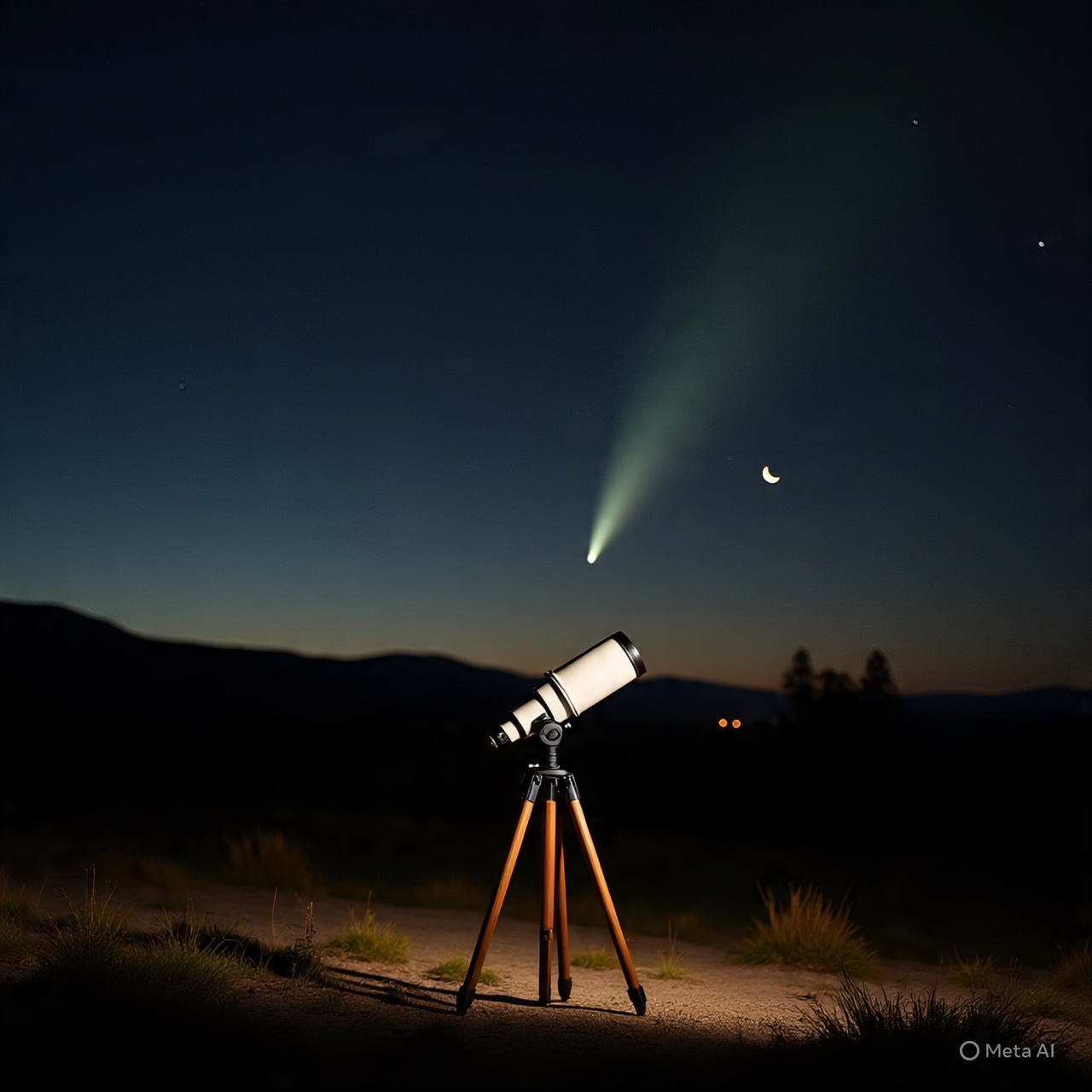
On February 17, 2026, Comet C/2024 E1 Wierzchos will make its closest approach to Earth, offering a rare glimpse of this Oort Cloud visitor.

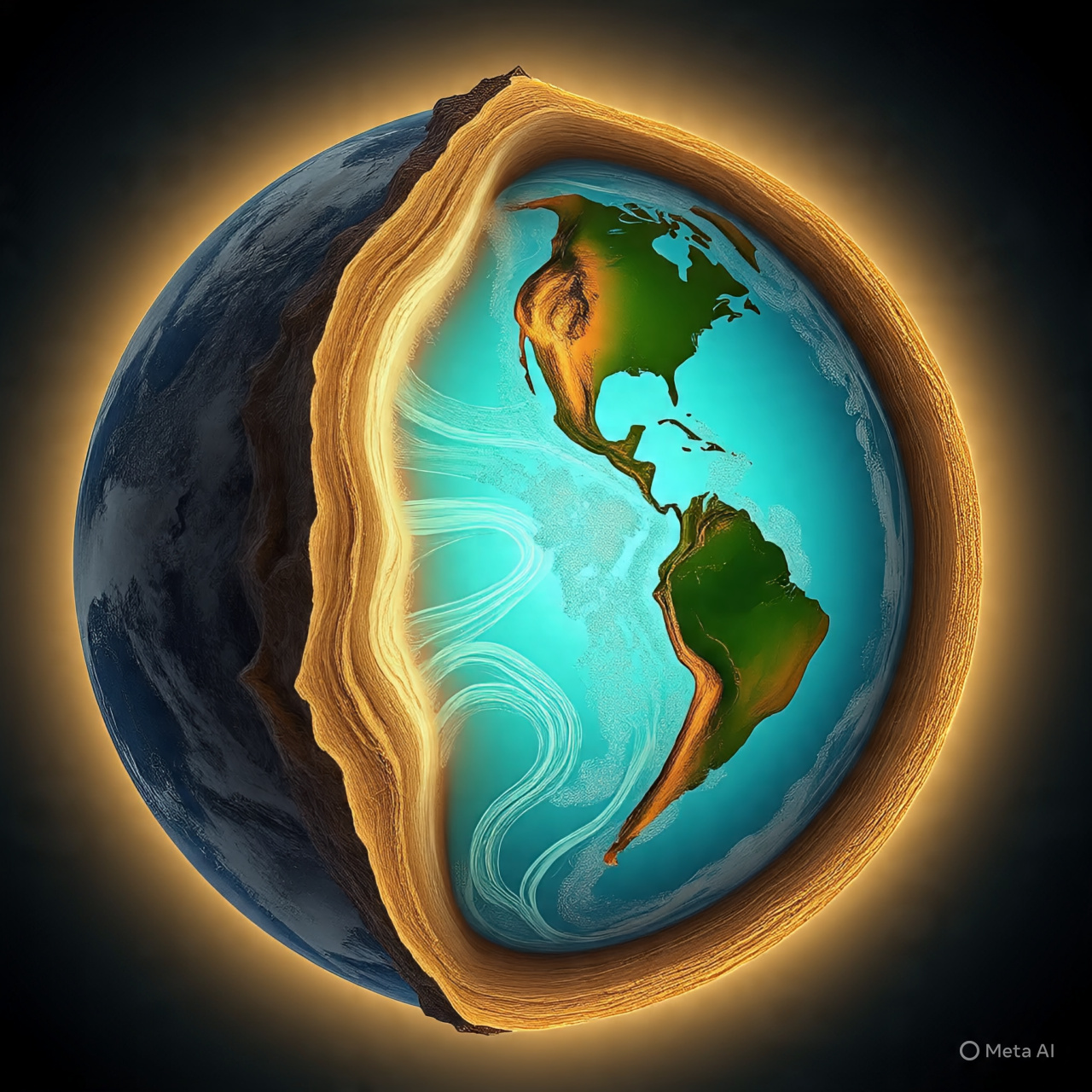
Recent research reveals that Earth's core could contain hydrogen in amounts rivaling our oceans, reshaping our understanding of the planet's water origins.

Astronomers have discovered a pulsar near Sagittarius A* that may test Einstein's theory of relativity, offering insights into gravity's effects in extreme conditions.

New findings reveal that ancient galaxies formed stars at an astonishing rate, reshaping our understanding of the universe's early evolution.

New research reveals genetic mutations in children of Chernobyl workers, highlighting the long-term impact of radiation exposure across generations.

Witness the recent annular eclipse, a celestial event marking transitions in lunar calendars and inviting reflection on time and renewal.

ESA astronaut Sophie Adenot embarks on a nine-month mission aboard the ISS, marking a significant step in long-duration spaceflight and international cooperation.

A 2,200-year-old elephant bone found in Spain may provide the first physical evidence of Hannibal's war elephants during the Second Punic War.

Kīlauea's recent eruptions showcase the volcano's dynamic activity, drawing attention to its beauty and geological significance while ensuring public safety.

NASA is set for a second full fueling test of the Space Launch System, a crucial step in deep-space exploration and future astronaut missions.

Witness the rare annular solar eclipse on February 17, 2026, known as the 'ring of fire,' visible from Antarctica and parts of South America and Africa.

Scientists now observe atomic changes in real time, revealing insights into chemical reactions and material stability, impacting technology and environmental science.