The Moon has often been described as silent—a pale companion drifting beside Earth, its surface seemingly frozen in time. For generations, it was imagined as geologically asleep, a relic of ancient collisions and long-cooled lava plains. Yet sometimes, even the quietest landscapes carry subtle tremors in their memory. Beneath its dust and stone, the Moon appears to hold traces of movement that are far more recent than once believed.
Researchers affiliated with the have helped bring renewed attention to signs of tectonic activity on the lunar surface. By examining high-resolution imagery and seismic data collected over decades—including data first recorded during the Apollo missions—scientists have identified fault scarps and surface features that suggest the Moon has been shrinking and shifting in geologically recent times.
The Moon’s gradual cooling has caused its interior to contract. Like a drying apple that wrinkles as it loses moisture, the lunar crust appears to have compressed, forming small cliffs known as lobate scarps. These features can stretch for miles yet rise only modestly above the surrounding terrain. Their presence hints at stresses within the crust—stresses that may still be active.
Data from the Apollo-era seismometers revealed shallow moonquakes occurring tens of miles beneath the surface. Some of these tremors were stronger than expected and appeared relatively recent on geological timescales. By correlating seismic records with modern orbital imagery, researchers have suggested that certain fault lines may have shifted within the past few tens of millions of years—a brief moment in planetary history.
The findings challenge the long-standing perception of the Moon as entirely dormant. While it lacks the plate tectonics that shape Earth, the lunar crust seems capable of localized movement driven by thermal contraction and tidal forces from Earth’s gravity. These forces may combine to produce subtle but measurable adjustments in the Moon’s outer shell.
Understanding this activity has practical implications. As space agencies plan renewed missions to the lunar surface, including potential long-term habitats, knowledge of tectonic stability becomes increasingly relevant. Areas once considered permanently static may warrant closer evaluation. The Moon may not rumble often, but even infrequent seismic events matter when human infrastructure is involved.
Scientists emphasize that lunar tectonic activity remains limited compared to Earth’s dynamic systems. There is no evidence of widespread volcanic resurgence or rapidly shifting plates. Instead, the Moon’s movement appears gradual, restrained, and episodic—more a quiet settling than a dramatic upheaval.
Still, the discovery carries a sense of wonder. The Moon, so familiar in the night sky, continues to surprise. Its surface, etched with craters and ancient lava plains, may also bear the fine lines of a body still adjusting to its own cooling interior. In the interplay between gravity, temperature, and time, even a seemingly silent world reveals motion.
The research contributes to a broader reevaluation of planetary bodies once thought inactive. As new instruments orbit and probe celestial neighbors, subtle geological processes are coming into clearer focus. The Moon’s recent tectonic traces add another layer to its evolving scientific portrait.
Further studies are expected as additional lunar missions gather higher-resolution data. For now, the findings suggest that Earth’s nearest neighbor remains not entirely still, but gently, persistently reshaping itself under the long arc of time.
AI Image Disclaimer
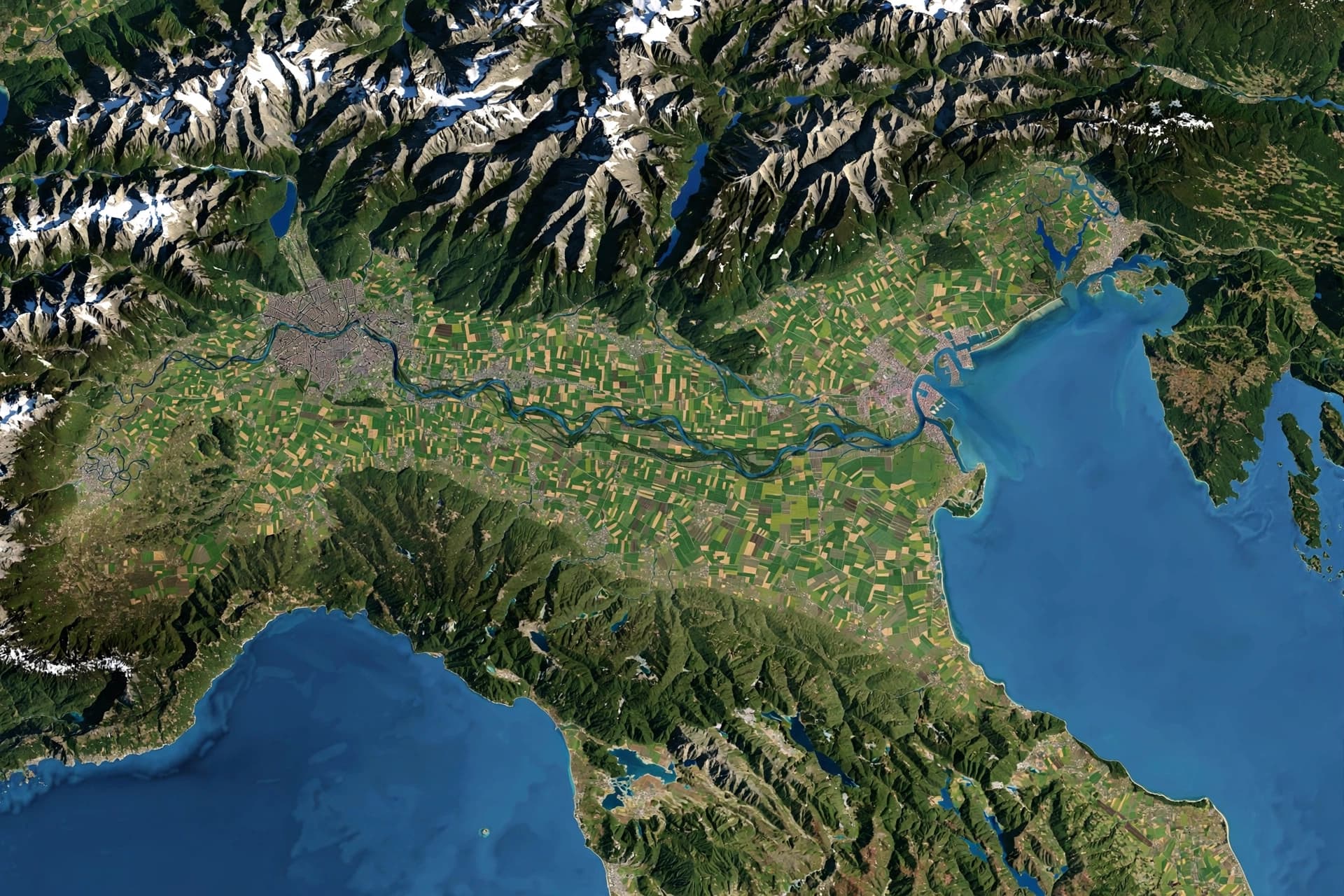
Illustrations were produced with AI and serve as conceptual depictions.
SOURCE CHECK
Credible coverage found in:
Reuters BBC The Guardian National Geographic Scientific American
Published by Banx Network. This article is part of the Banx decentralized media programme, powered by the BXE token on the XRP Ledger.