Where Pollution Meets Possibility: Reflections on Carbon Conversion
New carbon-conversion technology could transform emissions into jet fuel, offering a potential pathway toward sustainable aviation.

New carbon-conversion technology could transform emissions into jet fuel, offering a potential pathway toward sustainable aviation.

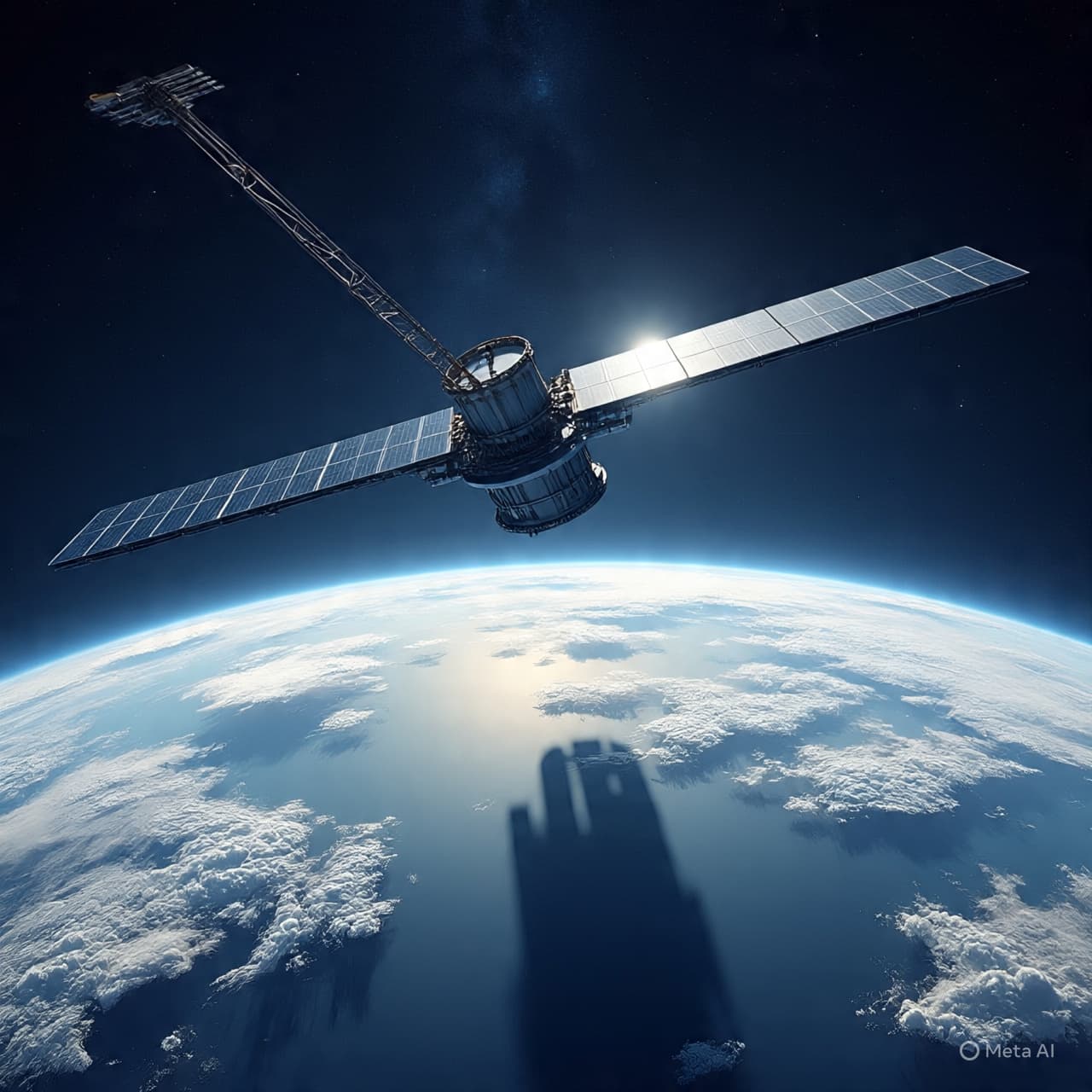
SpaceX reports Chinese satellites briefly intersected Starlink’s path, highlighting the fragile choreography and shared responsibility in low Earth orbit.

A new scientific analysis suggests if satellites in Low Earth Orbit lose control, catastrophic collisions could begin within about 2.8 days, underscoring risks from crowded space and space weather.

A new scientific analysis suggests if satellites in Low Earth Orbit lose control, catastrophic collisions could begin within about 2.8 days, underscoring risks from crowded space and space weather.

A newly studied giant fossil from Scotland reveals an ancient life form unlike any known today, representing a distinct evolutionary branch that vanished long ago.

Ancient kangaroo giants weighing up to around 250 kg may have had hindlimbs strong enough to hop in short bursts, according to new fossil-based research challenging earlier assumptions.

Study finds that the enzyme DHPS is essential for monocytes to mature into functional macrophages across organs, affecting tissue balance and immune maintenance.

Scientists found a single enzyme (MAN PPK2) that efficiently creates all four RNA nucleotide triphosphates using inexpensive polyphosphate, simplifying RNA synthesis.

Scientists found a gentler, energy-efficient way to control quantum materials by tapping internal quantum rhythms, promising a new path in material science and tech innovation.

Scientists discovered that a tiny increase in quantum spin size flips the Kondo effect from suppressing magnetism to creating it, revealing new quantum behavior.

A 500,000-year-old elephant bone tool from Boxgrove, England — the oldest in Europe — reveals early humans shaped and used bone to sharpen stone tools, showing advanced prehistoric skill.

New research shows that peptides — complex precursors to proteins — can form naturally in space‑like conditions on dust grains, suggesting life’s ingredients may be widespread across the cosmos.

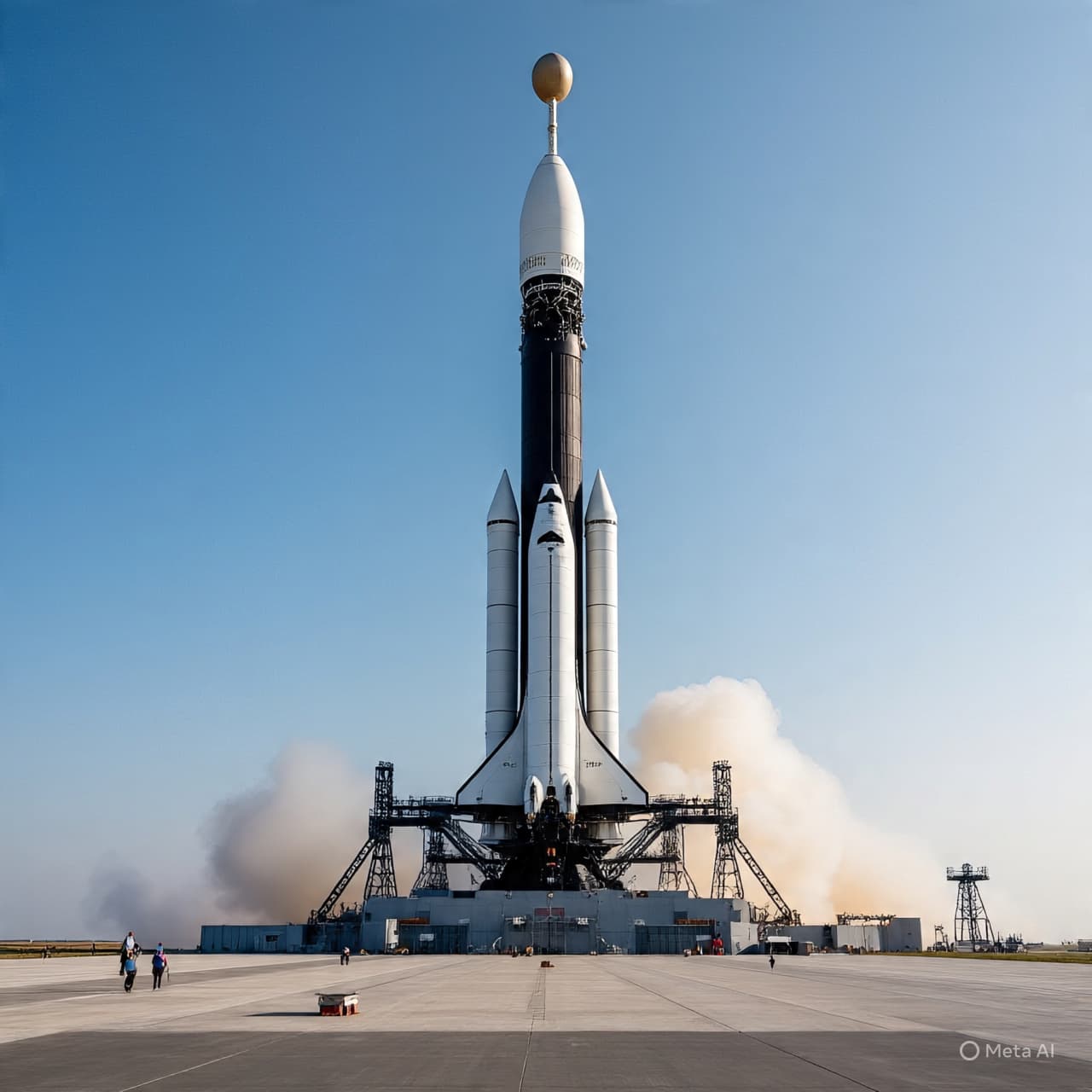
Blue Origin plans to launch thousands of satellites in 2027, creating a massive orbital network to expand global connectivity and reshape the night sky.

Scientists engineer quantum proteins that sense magnetic fields, blending biology and quantum physics to create tiny molecular compasses with potential medical and environmental applications.

NASA’s Artemis II crew will carry symbolic keepsakes aboard Orion, continuing a long tradition of honoring spaceflight history as humans return to lunar orbit.

Astronauts say a portable ultrasound aboard the ISS was essential during a medical issue, highlighting how quiet, well-prepared tools protect human life in orbit.

A new James Webb image transforms the Helix “Eye of God” nebula into a glowing, lava-lamp-like cloud, revealing drifting gas and dust from a dying Sun-like star.

Research finds that reduced sulfur fuel use has been linked to fewer lightning strikes over major sea routes and may influence warming by altering cloud properties and atmospheric reflectivity.

NASA has selected three new science payloads for future lunar missions, focusing on radiation, heat, and plasma to better understand the Moon as a long-term environment.

In a precision quantum experiment, metal nanoparticles displayed wave-like interference, pushing quantum behavior into larger, more tangible forms of matter.

Astronomers have captured the earliest stages of a solar flare for the first time, revealing how magnetic energy slowly builds before erupting in a burst of solar radiation.

A new robot swarm demonstration shows machines organizing themselves into flower-like forms, revealing how simple rules can produce adaptive, organic-looking behavior.

A new theoretical study revisits the Boltzmann brain paradox, suggesting cosmological models favor minds with real histories over random, memory-filled fluctuations.

New observations reveal a bar-shaped cloud of iron inside the Ring Nebula, hinting at complex stellar mass loss and hidden structure within this iconic cosmic remnant.