There is something quietly astonishing about the idea that the earth remembers. Beneath layers of sediment and time, it keeps its archives not in ink but in bone. And sometimes, when stone yields to patient hands, a creature long folded into prehistory returns—not roaring, not charging, but simply existing once more in the light.
From deposits dating back roughly 125 million years, paleontologists have described a dinosaur unlike most others we have come to imagine. Instead of smooth scales or heavy armor plates alone, this small herbivore bore striking spikes that evoke comparisons to a porcupine. It is a reminder that evolution has long experimented with shapes both practical and unexpected.
The fossil, unearthed from Early Cretaceous rock layers, preserves rare impressions of skin and body covering. While many dinosaur discoveries consist primarily of bones, this specimen offers a more intimate glimpse—textures, patterns, and defensive adaptations etched into stone. Along its back and sides, elongated, bristle-like structures appear to have projected outward, forming a protective fringe.
Unlike the quills of modern porcupines, which are modified hairs made of keratin, these dinosaurian spikes likely had a different structural composition. Researchers suggest they may have been stiffened skin projections or specialized integumentary structures. Whatever their precise makeup, their function seems clear: defense. In a world shared with larger predators, visible deterrence can be as powerful as speed or strength.
This dinosaur belonged to a group known for armored bodies—thyreophorans, the lineage that includes stegosaurs and ankylosaurs. Yet it appears to have occupied an earlier and more modest branch of that family tree. Smaller in size and less heavily plated than its later relatives, it may have relied on a combination of agility and these outward-pointing spikes to avoid becoming prey.
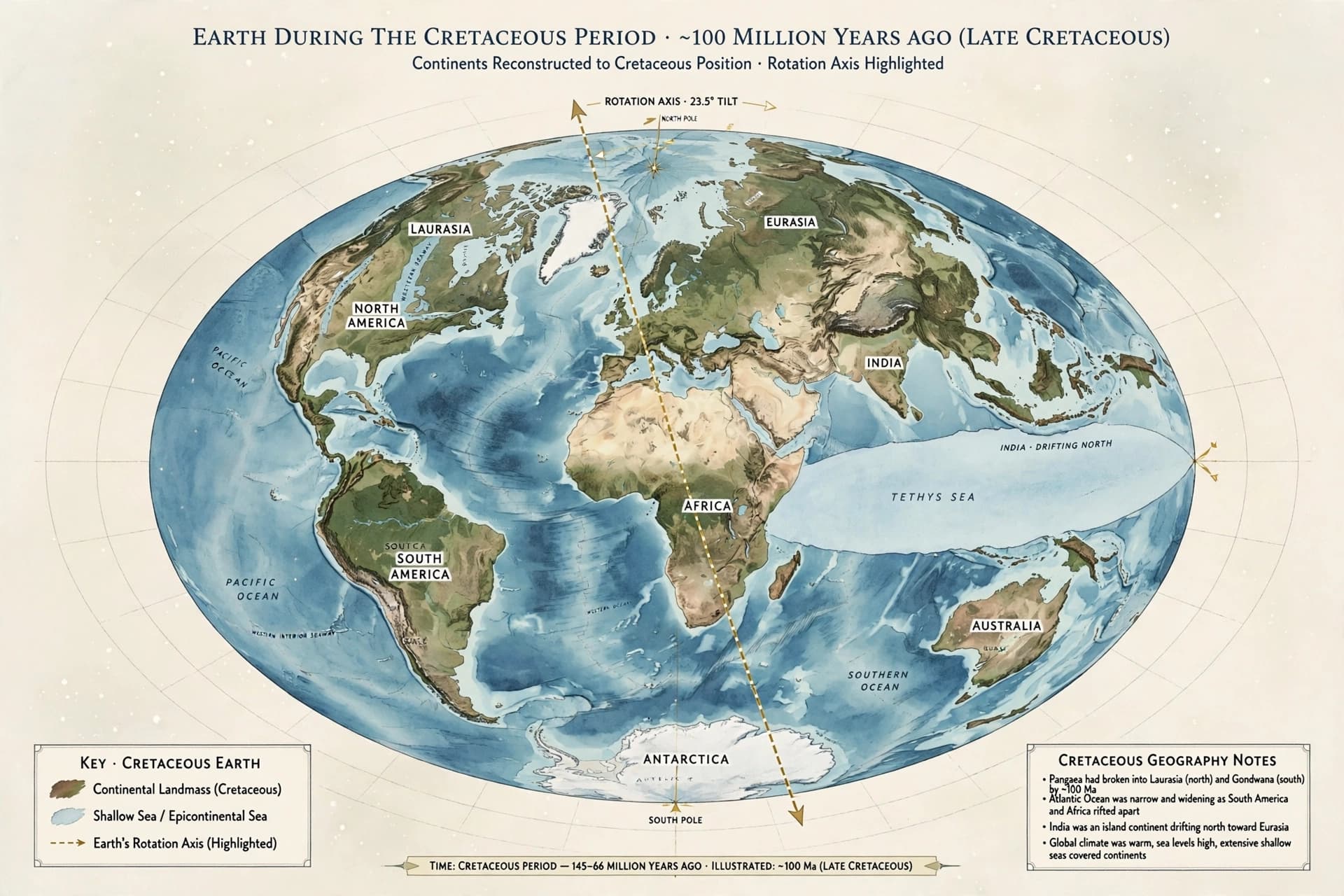
The Early Cretaceous period was a time of ecological transition. Flowering plants were beginning to diversify. Continents were drifting into new configurations. Predatory dinosaurs stalked forests and floodplains. In such landscapes, survival demanded adaptation. The spikes may have broken up the animal’s outline, making it appear larger or more difficult to swallow. Even a small advantage could mean the difference between life and extinction.
What makes this discovery especially compelling is the preservation of soft-tissue detail. Fossilized skin impressions are rare, and each one offers clues about coloration, texture, and evolutionary pathways. The presence of these structures suggests that ornamental or defensive body coverings were more widespread among dinosaurs than previously assumed. It invites scientists to reconsider how varied dinosaur appearances may have been.
There is also a subtle poetry in how we reconstruct these ancient forms. Artists and scientists collaborate, blending data with careful imagination. Each spike, each ridge, is placed with attention to evidence. In this way, a creature lost for 125 million years is granted a second outline—not speculative fantasy, but informed reconstruction.
The porcupine-like comparison may capture attention, but it also bridges eras. It reminds us that certain survival strategies echo across time. Defensive spines, whether on a Cretaceous herbivore or a modern mammal, represent nature’s recurring answer to vulnerability: grow something sharp, and hope it persuades danger to look elsewhere.
Researchers continue to analyze the fossil’s microstructure and evolutionary context. The findings contribute to a broader understanding of how early armored dinosaurs developed and diversified. As further study unfolds, this spiked dinosaur adds nuance to the portrait of prehistoric life, illustrating that even among creatures we think we know, there are still unexpected silhouettes waiting in stone.
AI Image Disclaimer: Images in this article are AI-generated illustrations, meant for concept only.
Sources: Nature National Geographic BBC Science Focus Smithsonian Magazine Live Science
Published by Banx Network. This article is part of the Banx decentralized media programme, powered by the BXE token on the XRP Ledger.