Sixteen Sunrises and a Sudden Descent: An Astronaut Reflects on an Early Return
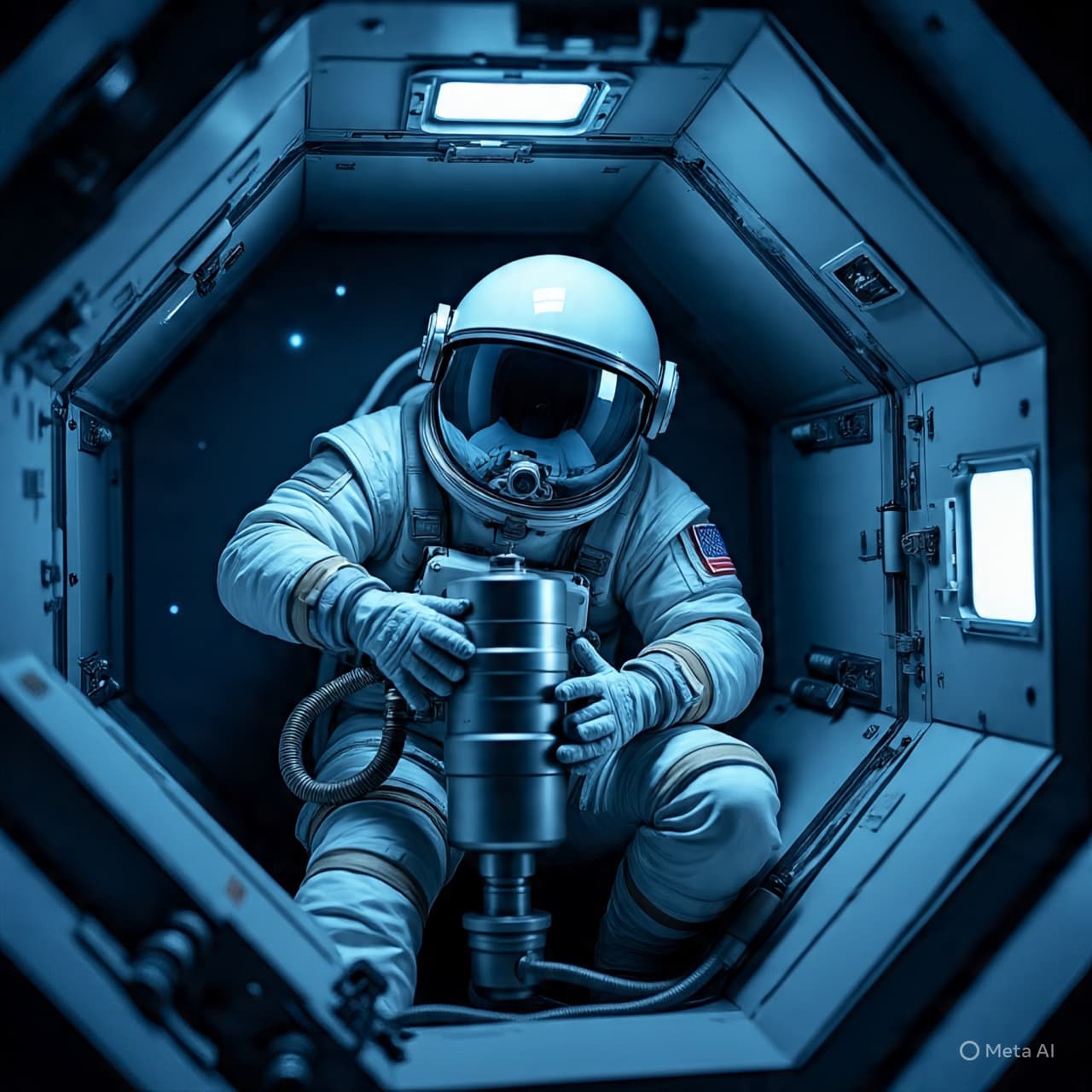
An astronaut whose medical issue prompted NASA’s first early return from the ISS has spoken publicly, highlighting safety protocols and coordinated care in orbit.

An astronaut whose medical issue prompted NASA’s first early return from the ISS has spoken publicly, highlighting safety protocols and coordinated care in orbit.

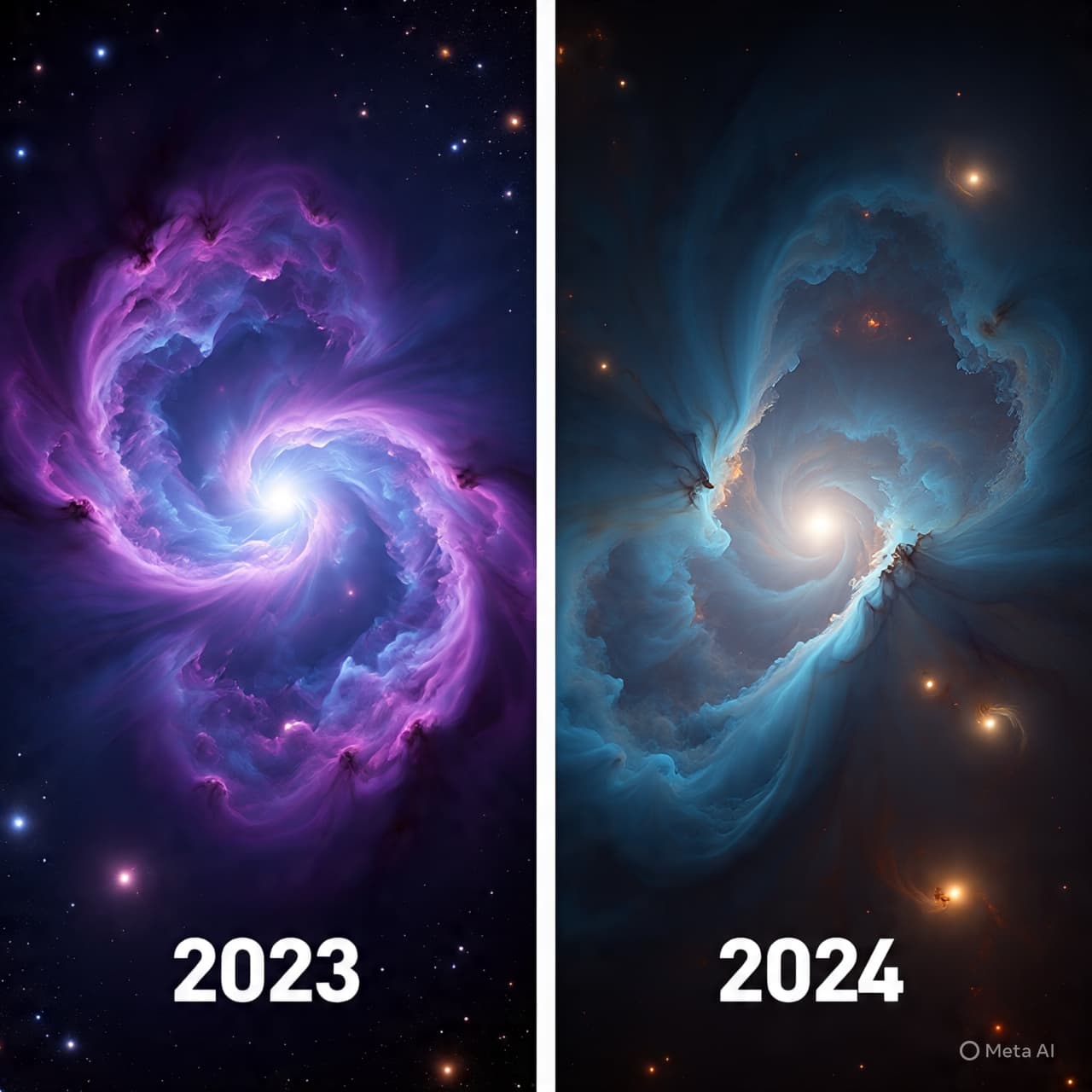
New James Webb Space Telescope images reveal planetary nebula PMR 1, whose intricate filaments resemble an electrified brain within a translucent shell.

The Vera C. Rubin Observatory in Chile prepares to begin a decade-long sky survey, expected to generate massive data and uncover millions of new cosmic objects.

A total lunar eclipse will turn the Moon red across several continents on Tuesday. The safe, slow-moving event requires no special equipment—just clear skies

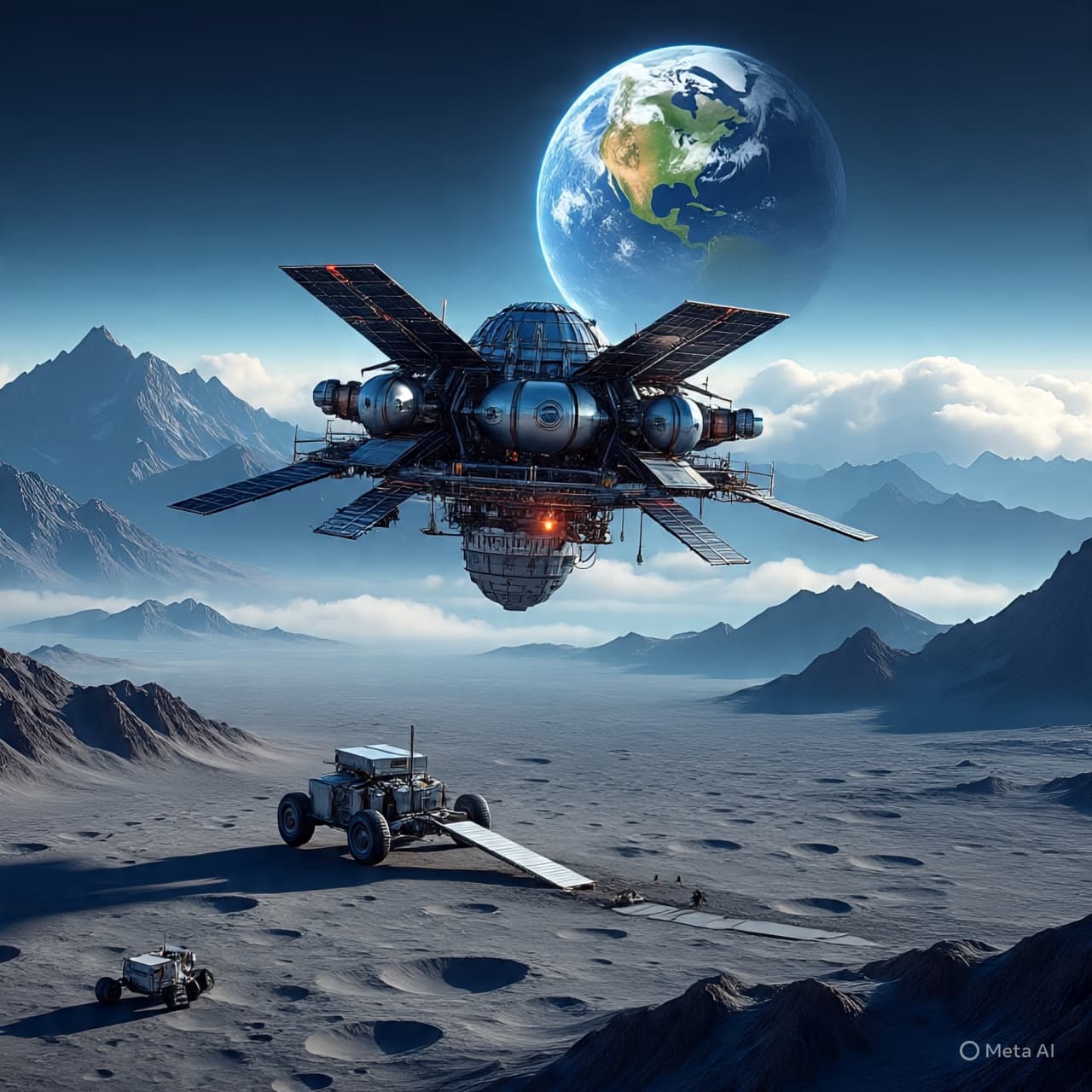
NASA has revised its Artemis roadmap, delaying the first crewed lunar landing to allow additional testing and preparation while reaffirming its goal of returning astronauts to the Moon.

Six planets are aligning in the western sky above California after sunset. Here’s when and how to see the rare “planetary parade” with the naked eye.

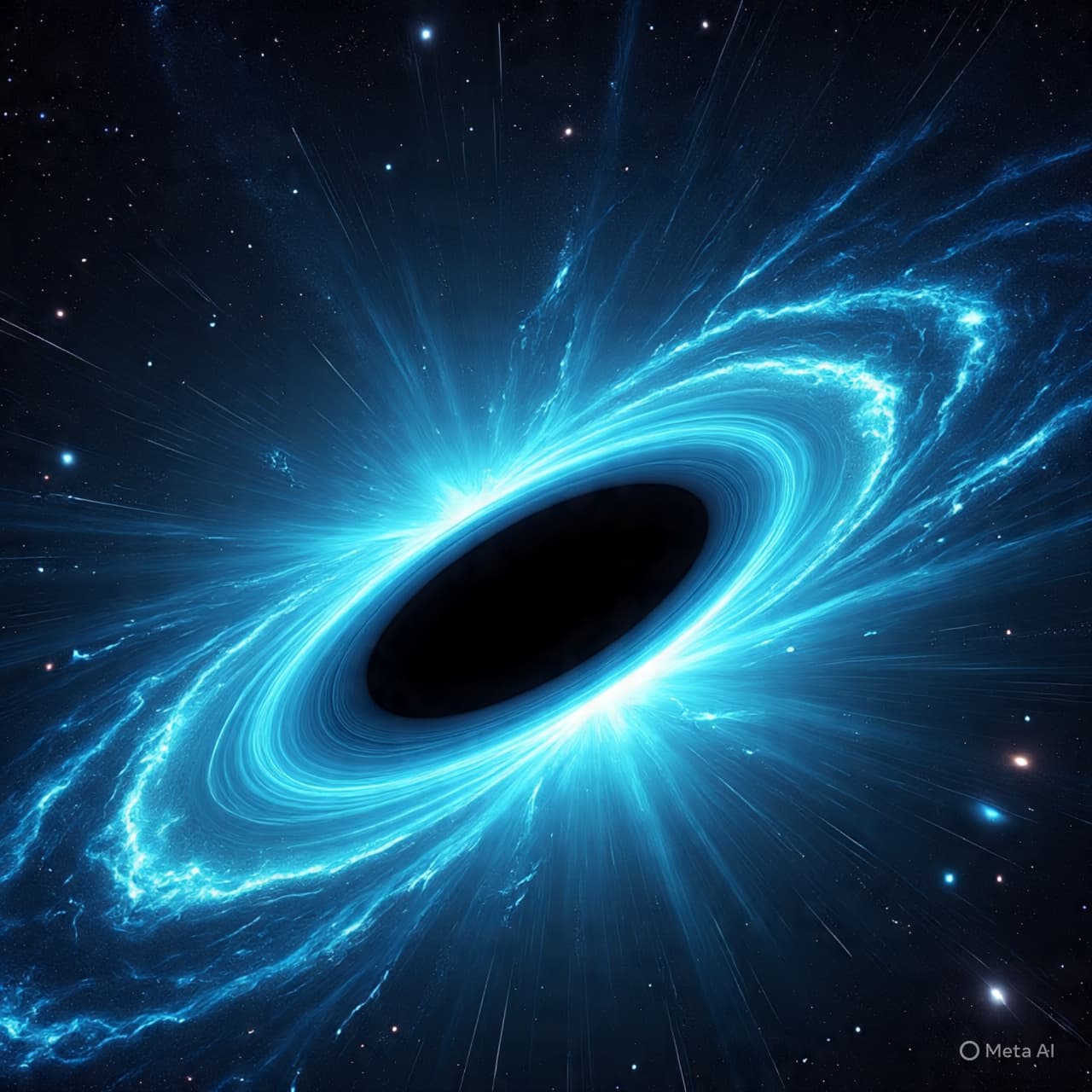
New research suggests supermassive black holes can slow star formation in nearby galaxies by heating or expelling star-forming gas, reshaping how galaxies evolve over time.

Scientists can now observe certain quantum computing errors in real time, improving error correction and advancing the reliability of next-generation quantum machines.

NASA’s Mars rover is investigating unusual rock formations that may reveal clues about the planet’s watery past and geological evolution. Scientists stress careful analysis over speculation.

NASA says several planets will align in a visible “planetary parade” over Connecticut tonight. The visual lineup offers a rare but natural skywatching opportunity shortly after sunset.

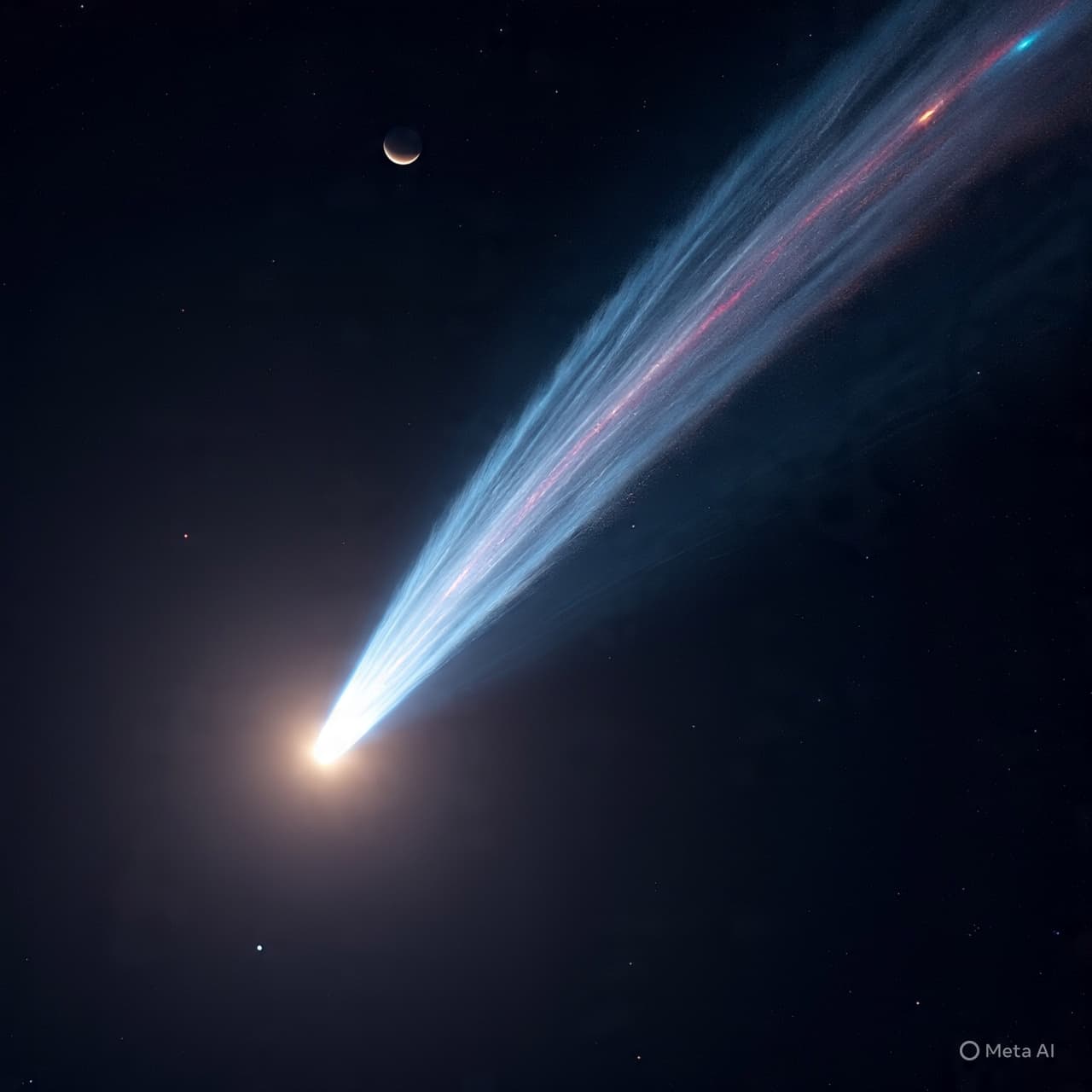
Interstellar comet 3I/ATLAS will have a close encounter with Jupiter on March 16, 2026 that slightly alters its trajectory before it heads out of the Solar System toward the Gemini constellation.

New genetic research shows interbreeding between Neanderthals and early modern humans was predominantly between Neanderthal males and human females, shaping modern genomes.

The Vera C. Rubin Observatory’s new alert system generated about 800,000 notifications of moving, changing, or transient celestial events on its first operational night of observation.

NASA’s Artemis II SLS rocket was rolled back to hangar for repair of a helium pressurization issue, and teams are working on an “aggressive” schedule to meet an early April launch window.

A total lunar eclipse on March 3, 2026 will turn the Moon blood‑red before sunrise in the Americas and after moonrise in parts of Asia and Australia, with totality lasting nearly an hour.

Mars rover data reveal abundant organic compounds that lack convincing non‑biological explanations, suggesting a possible ancient biological origin awaiting further study.

NASA has revised the Artemis 3 mission to focus on orbital testing rather than a lunar landing, potentially sidelining SpaceX’s Starship for this flight and opening competition for lunar landers.

A rare six‑planet alignment will be visible in the evening sky around Feb. 28, 2026, with Mercury, Venus, Jupiter, Saturn, Uranus and Neptune forming a planetary parade after sunset.

New research shows cleaner wrasse fish display unexpected reflection‑based behaviors and sophisticated cognition resembling self‑awareness previously seen mostly in mammals.

Researchers have shown that lab‑grown brain organoids can improve performance on tasks through feedback, suggesting adaptive computation is intrinsic to neural tissue in culture.

New research shows vertebrate eyes evolved from a 600‑million‑year‑old one‑eyed ancestor, linking human vision to ancient light sensors and revealing evolution’s hidden path.

Astronomers have observed dramatic changes in the massive star WOH G64, which shifted from a red supergiant to a yellow hypergiant, offering fresh insights into massive star evolution.

Low Earth orbit is becoming increasingly crowded as SpaceX’s Starlink and other satellite constellations expand, raising concerns about debris, collisions, and astronomy impacts.

New research suggests the Late Ordovician extinction, Earth’s first mass extinction, was more severe and prolonged than previously estimated.