Mexico’s Ancient Landscapes Became Gateways for Mammal Evolution
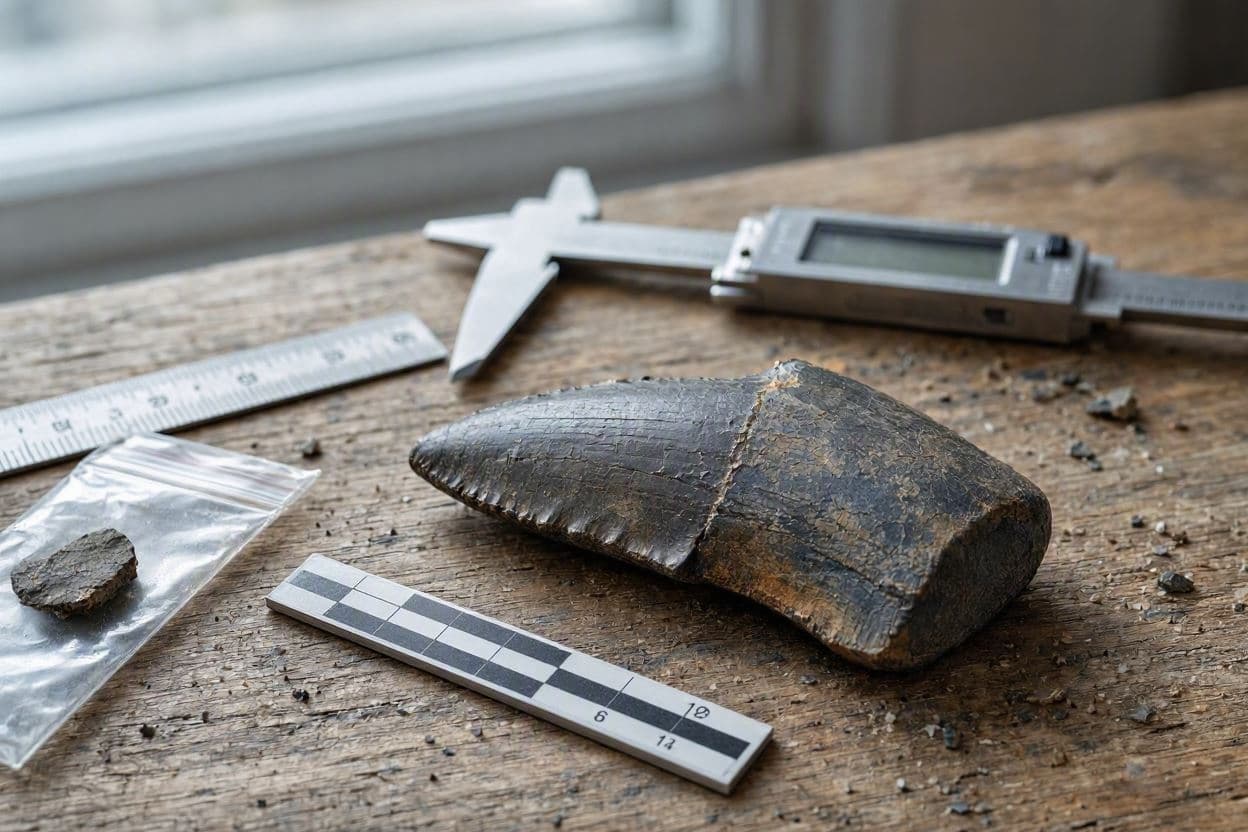
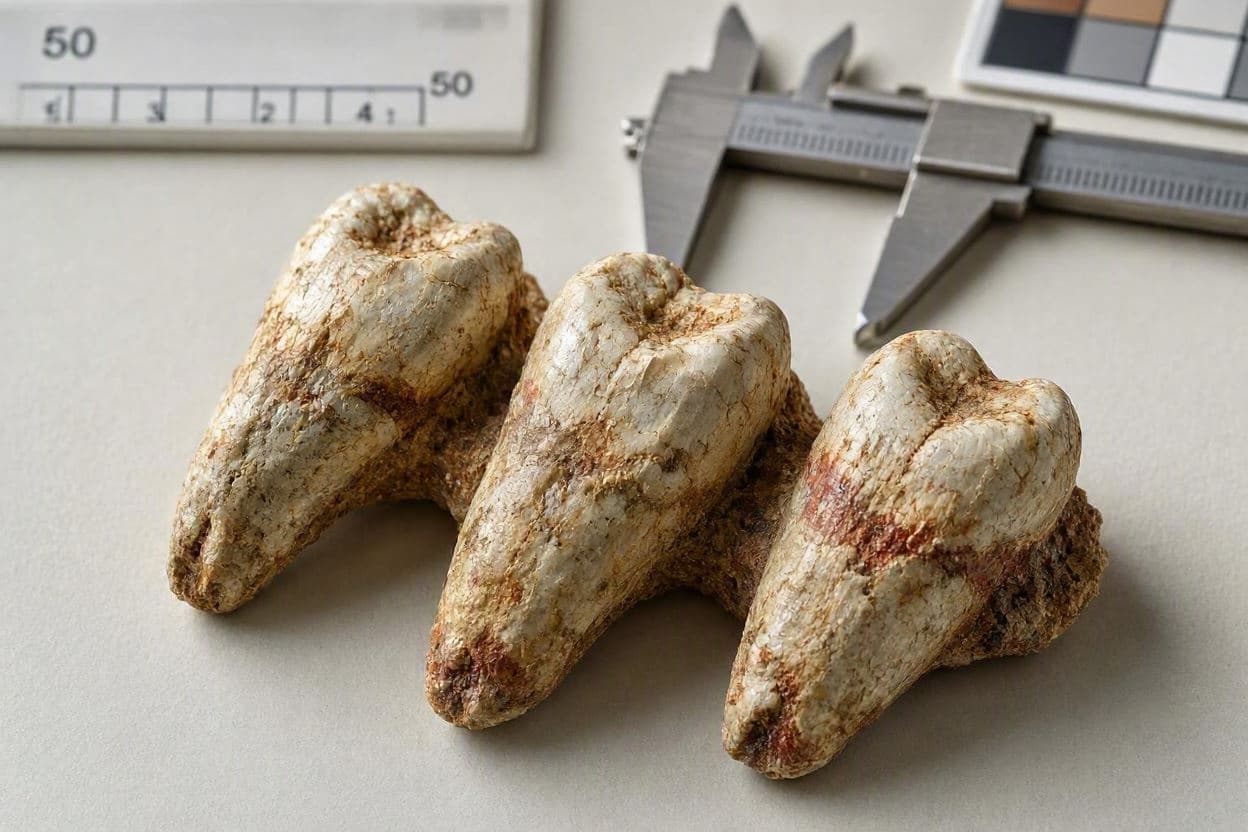
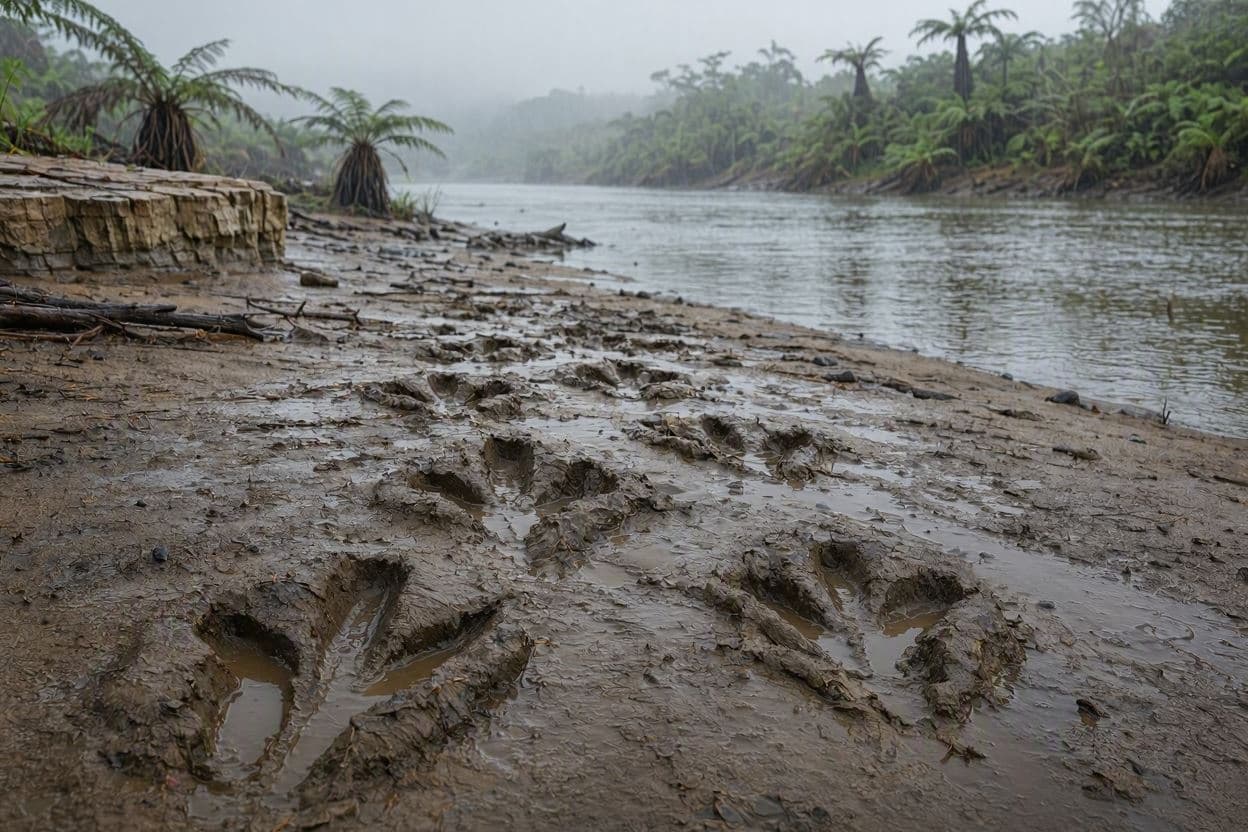
Fossil evidence suggests Mexico and Central America played a key role as transition zones during ancient mammal movements across the Americas.

Fossil evidence suggests Mexico and Central America played a key role as transition zones during ancient mammal movements across the Americas.

NASA’s effort to save a declining-orbit space telescope faces a setback as engineers continue searching for solutions to protect the mission.

Samples returned from the far side of the Moon by the Chang’e-6 mission are revealing new details about lunar asymmetry and early solar system history, challenging existing models.

Scientists have discovered giant ring-like structures in Venus’s upper atmosphere, likely caused by gravity waves, offering new insights into the planet’s complex weather systems.

The Royal Observatory Greenwich has announced the finalists for its Astronomy Photographer of the Year competition, showcasing stunning images of the cosmos from around the world.

Astronomers have observed evidence of a companion star orbiting the red supergiant Betelgeuse, offering new insights into its mass loss and future supernova explosion.

Paleontologists in Zimbabwe have discovered a new 210-million-year-old dinosaur species, Mbiresaurus raathi, providing new insights into early sauropodomorph evolution in Africa.

A Tulane University study reveals how bats’ unique antibody systems allow them to host viruses without getting sick, offering new insights for human antiviral therapies.

NASA’s Curiosity rover has imaged a sand-capped butte in Gale Crater, offering insights into Mars’ geological history, erosion patterns, and past climate conditions.

Australians are invited to witness the spectacular "Buck Moon" rising in July, offering a bright and large lunar display best viewed after sunset in clear, dark skies.

Using data from the James Webb Space Telescope, astronomers are mapping the evolutionary relationships of distant galaxies, creating a "family tree" that traces cosmic history back to the early universe.

Astronomers have discovered that winds from supermassive black holes can reach up to 300,000 light-years, significantly impacting galaxy evolution and star formation.

A new study identifies the gene responsible for the daily sex change in avocado flowers, offering insights into pollination mechanics and potential improvements in crop breeding.

Scientists have created the first complete map of the Great Barrier Reef’s microbiome, identifying key microbial communities that influence coral health and resilience against climate stress.

Exceptionally preserved fossils of a marine reptile have revealed soft tissues including the heart and lungs, offering new insights into their metabolism and diving abilities.

A new trace additive allows PLA bioplastics to break down efficiently in home composting systems, addressing a major limitation of current biodegradable materials and promoting sustainable waste management.

NASA’s ESCAPADE mission has captured impressive images of Earth and the Moon during a gravity assist maneuver, providing both scientific data and a breathtaking view of our home.

Researchers studying marmots have turned to OnlyFans to fund their work after facing grant shortages, using the platform to share educational content and raise conservation awareness.

Physicists have discovered a previously unknown substance formed during the Hiroshima atomic bombing, offering new insights into nuclear physics and historical forensics.

Astronomers have confirmed the presence of a companion star orbiting the red supergiant Betelgeuse, resolving a long-standing mystery about the star’s behavior.

NASA’s Nancy Grace Roman Space Telescope is set to launch, promising a wide-field view of the universe to study dark energy and discover exoplanets.

Scientists have observed the deep ocean floor tearing apart in real time, providing unprecedented data on seafloor spreading and tectonic plate mechanics.

An abandoned Falcon 9 rocket stage is predicted to impact the Moon on August 5, 2026, raising discussions about space debris and sustainable exploration.

Amateur astronomer Joël Lapointe discovered a 390-million-year-old meteorite crater in Quebec using Google Maps, demonstrating the potential of citizen science.