In the dense forests of Alberta, a tiny drama unfolds beneath the leaf litter, where ants march in orderly lines, unaware of the invisible puppeteer pulling their strings. Researchers at the University of Alberta are delving into the mysterious world of Myrmeconema neotropicum, a nematode parasite that infects carpenter ants and alters their behavior in startling ways. Often dubbed "zombie ants," these infected insects exhibit changes that benefit the parasite’s life cycle, offering scientists a fascinating glimpse into the power of biological manipulation. It is a story of survival, control, and the intricate web of nature.
The parasite begins its journey when a bird consumes an infected ant, excreting eggs that are then eaten by other ants. Once inside the host, the nematodes migrate to the ant’s abdomen, causing it to swell and turn red, mimicking the appearance of a berry. This visual deception attracts birds, which eat the ant, thus continuing the cycle. But the manipulation goes deeper than mere appearance. Recent studies suggest that the parasite may also affect the ant’s brain, altering its behavior to make it more vulnerable to predation. This dual strategy of visual and behavioral change is remarkably sophisticated.
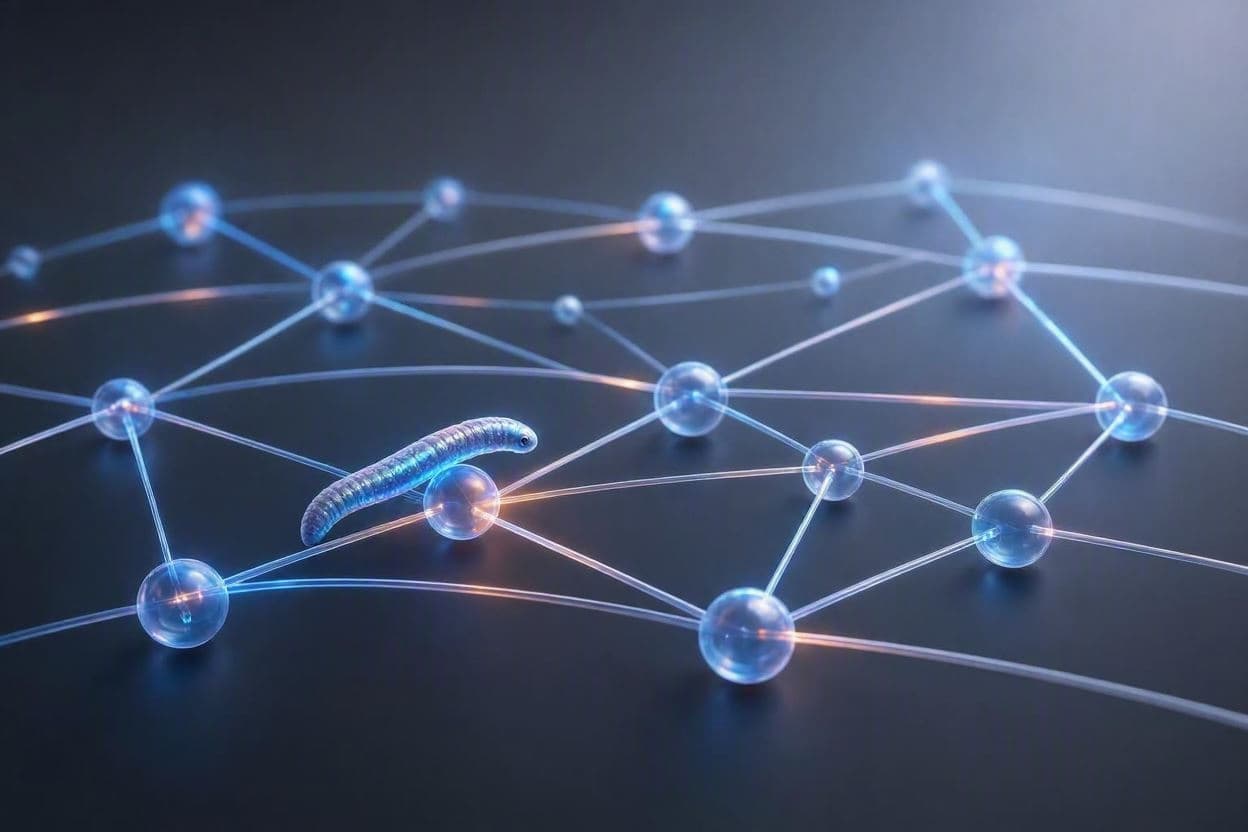
Alberta researchers are using advanced imaging and genetic techniques to understand how the parasite interacts with the ant’s nervous system. By mapping the neural pathways affected, they hope to identify specific mechanisms of control. Do the parasites release chemicals that mimic neurotransmitters? Or do they physically disrupt neural connections? Answering these questions could reveal fundamental insights into brain function and behavior. It is a complex puzzle, requiring patience and precision to solve.
The implications of this research extend beyond entomology. Understanding how parasites manipulate hosts can inform studies of human diseases, particularly those affecting the brain. Many neurological disorders involve disruptions in behavior and cognition, and studying extreme cases in nature can provide clues for treatment. The "zombie" phenomenon, while eerie, is a natural laboratory for exploring the boundaries of free will and biological determinism. It reminds us that our minds are not entirely our own.
For the ants, the infection is a death sentence, but for the species, it is a manageable cost. Colonies are large and resilient, able to absorb losses without collapsing. The parasite relies on this resilience, targeting individuals rather than the whole. It is a balanced ecosystem, where predator, prey, and parasite coexist in a delicate equilibrium. Disrupting one part can have ripple effects throughout the food web. Conservation efforts must consider these microscopic interactions.
Public interest in "zombie" organisms is high, fueled by popular culture and curiosity. However, scientists emphasize that these processes are natural and not malicious. The parasite is simply following its evolutionary imperative to survive and reproduce. Framing it as "evil" misunderstands the neutrality of nature. By educating the public, researchers aim to foster appreciation for the complexity of ecological relationships. It is a lesson in humility and wonder.
The study also highlights the importance of biodiversity. Alberta’s forests are home to countless species, many of which remain unstudied. Each interaction, no matter how small, contributes to the health of the ecosystem. Protecting these habitats ensures that such natural phenomena can continue to be observed and understood. Loss of biodiversity means loss of knowledge, and potentially, loss of medical breakthroughs. Preservation is an investment in our future.
In the end, the investigation into zombie ants is a testament to the mysteries that still surround us. Even in familiar woods, hidden dramas play out daily, shaping the world in unseen ways. As researchers peel back the layers of this phenomenon, they remind us of the interconnectedness of all life. The ant may be small, but its story holds big lessons for science and society. Nature, in its infinite wisdom, continues to surprise us.
AI Image Disclaimer: The visual aids included here are AI-generated illustrations depicting forest ecosystems and microscopic concepts, not actual photographs of the specific parasites or laboratory experiments.
Sources: University of Alberta National Geographic Science Daily
Published by Banx Network. This article is part of the Banx decentralized media programme, powered by the BXE token on the XRP Ledger.