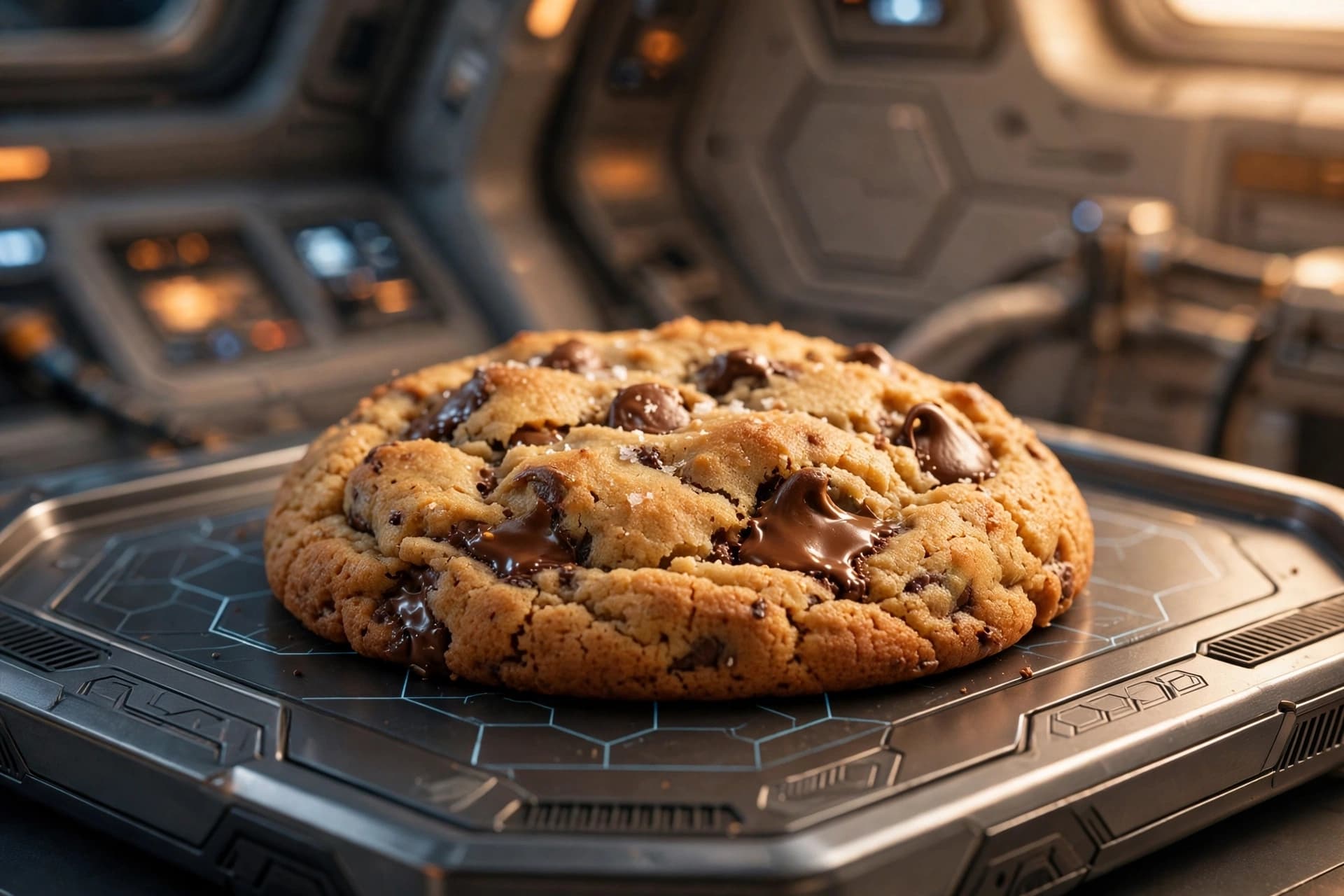
In the quiet hum of a laboratory, where science often bridges the gap between waste and wonder, a new recipe is being written. It begins not with flour or sugar, but with discarded plastic bottles and crop residue. Researchers have engineered a process that transforms these unlikely ingredients into edible proteins and flavorings, eventually forming a cookie that could sustain life in the most remote corners of our solar system. This innovation is more than a culinary curiosity; it is a testament to human ingenuity, turning the burden of pollution into a resource for exploration. It invites us to rethink the lifecycle of materials and the potential for circular economies in space and on Earth.
The journey from trash to treat involves a sophisticated dance of biology and engineering. By programming yeast to break down polyethylene terephthalate (PET) and agricultural waste, scientists have created a pathway to produce essential nutrients. This process mirrors the natural cycles of decomposition but accelerates them for practical use. As we look toward long-duration space missions, where resupply is impossible, such self-sustaining systems become vital. The cookie, therefore, is a symbol of resilience, showing how we can thrive even when cut off from traditional resources.
The core of this technology lies in metabolic engineering, where microorganisms are tweaked to perform specific tasks. In this case, the yeast acts as a microscopic factory, converting the carbon in plastic into protein and fat. These components are then combined with other nutrients to create a dough-like substance, which can be 3D-printed into various shapes, including cookies. The result is a food source that is not only nutritious but also customizable, allowing astronauts to enjoy a variety of textures and flavors despite the limitations of their environment.
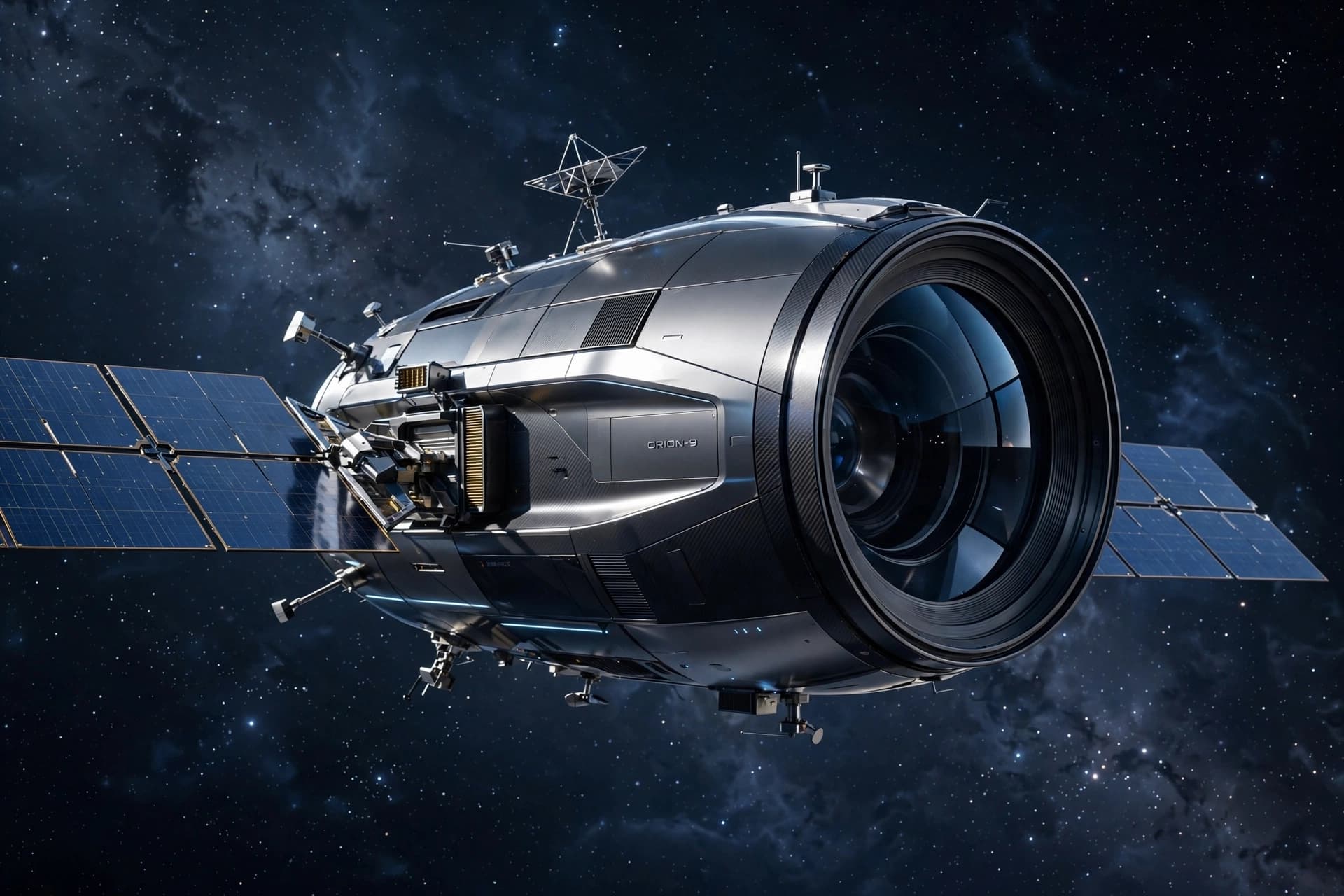
For NASA and other space agencies, this development addresses a critical challenge: food stability and volume. Traditional space food is heavy, bulky, and has a limited shelf life. By producing food from waste materials already present on a spacecraft or generated by the crew, missions can reduce their payload significantly. This efficiency is crucial for deep-space travel, where every kilogram counts. The ability to upcycle waste into sustenance transforms a logistical problem into a sustainable solution, enhancing the feasibility of long-term habitation on Mars or beyond.
Beyond space, the implications for Earth are equally profound. Plastic pollution remains one of the most pressing environmental issues of our time, with millions of tons ending up in landfills and oceans each year. This technology offers a novel approach to recycling, moving beyond mechanical processing to biological conversion. By giving plastic a second life as food, we can reduce waste and create value from materials that are currently seen as liabilities. It is a step toward a future where waste is viewed as a resource waiting to be unlocked.
However, the path from laboratory to table is not without its hurdles. Public perception plays a significant role in the adoption of such technologies. The idea of eating food derived from plastic may initially seem unappealing, requiring careful communication and transparency about safety and quality. Researchers emphasize that the final product is chemically identical to conventional proteins and fats, having undergone rigorous purification and testing. Building trust will be essential for widespread acceptance, both in space and on Earth.
The economic viability of this process is also under scrutiny. While the technology is promising, scaling it up to compete with traditional food production and recycling methods will require investment and innovation. Cost-effective methods for collecting and preprocessing waste materials are needed to make the system efficient. Despite these challenges, the potential benefits drive continued research and development, with several startups and institutions exploring similar avenues.
As we stand on the brink of a new era in space exploration, innovations like this remind us of the power of creative problem-solving. They show that even the most daunting challenges can be met with elegance and efficiency. The cookie, humble as it may seem, represents a leap forward in our ability to live sustainably in hostile environments. It is a small bite with a big message: that with the right tools, we can turn almost anything into an opportunity.
The transformation of plastic bottles into astronaut cookies is a striking example of how science can redefine our relationship with waste. As we prepare for journeys to the stars, let us carry with us the lessons of sustainability and innovation. In the end, it is not just about feeding astronauts but about fostering a mindset that sees potential in the discarded and value in the unexpected.
AI Image Disclaimer: The images accompanying this article are AI-generated illustrations designed to visualize the concept of upcycling plastic into food without depicting real laboratory processes.
Sources: American Chemical Society The Guardian Green Queen Forbes
Published by Banx Network. This article is part of the Banx decentralized media programme, powered by the BXE token on the XRP Ledger.