SCIENCE94% credibility
A Golden Shape in the Darkness Reminded Scientists How Little We Still Know
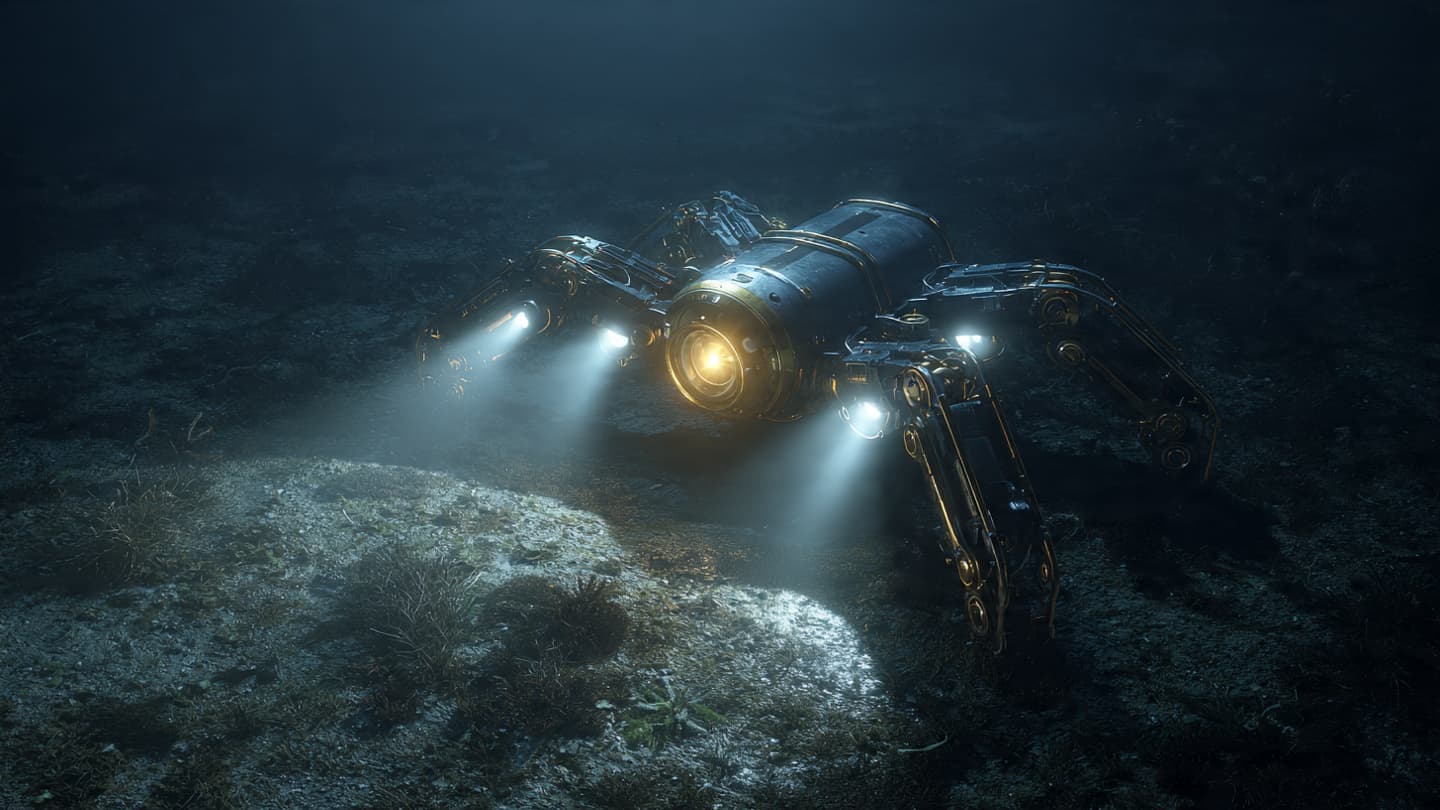
Scientists investigating the deep ocean discovered a mysterious golden orb believed to originate from an unknown marine animal.
2 min read

Scientists investigating the deep ocean discovered a mysterious golden orb believed to originate from an unknown marine animal.
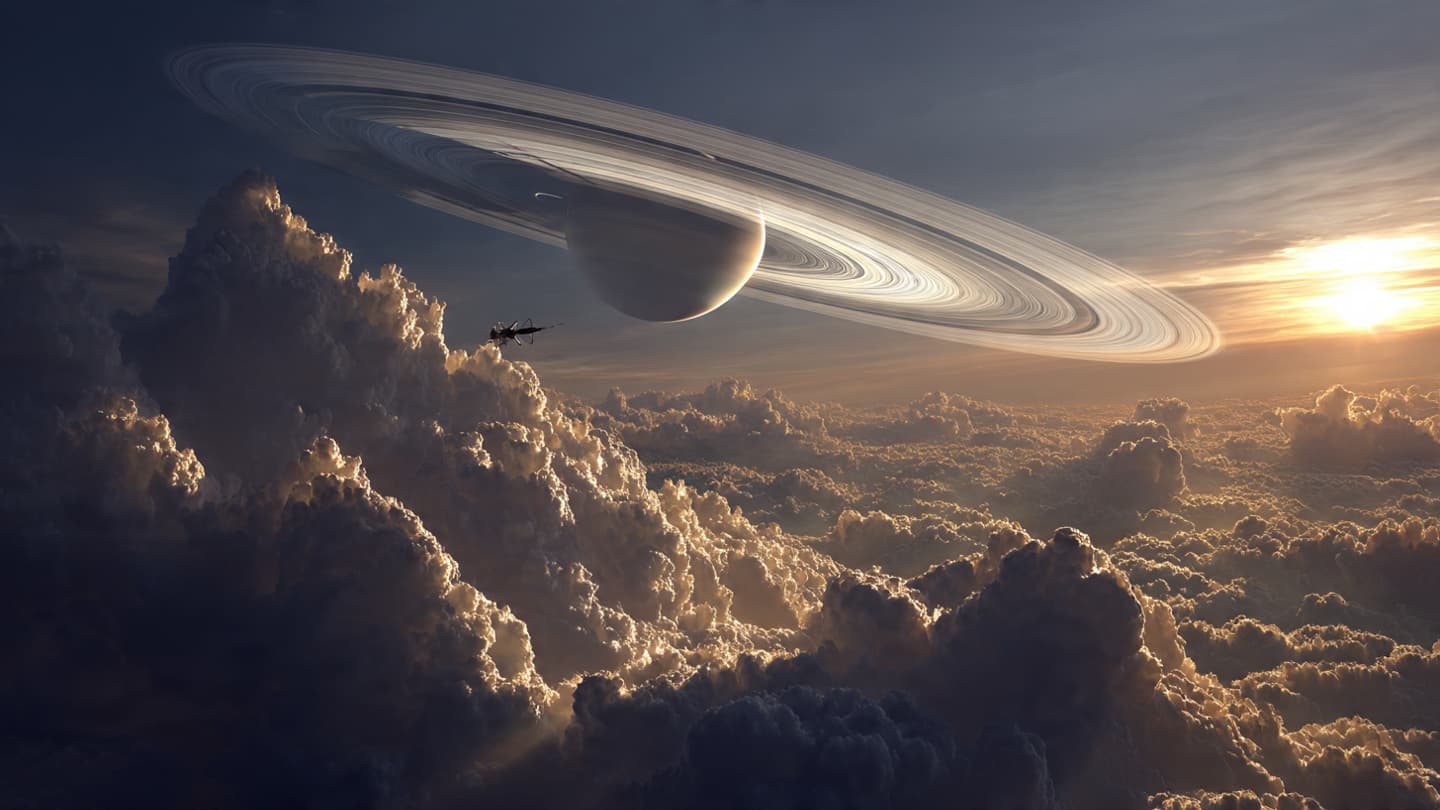
NASA intentionally sent Cassini into Saturn in 2017 to avoid contaminating Enceladus, while the spacecraft transmitted data until its final moments.
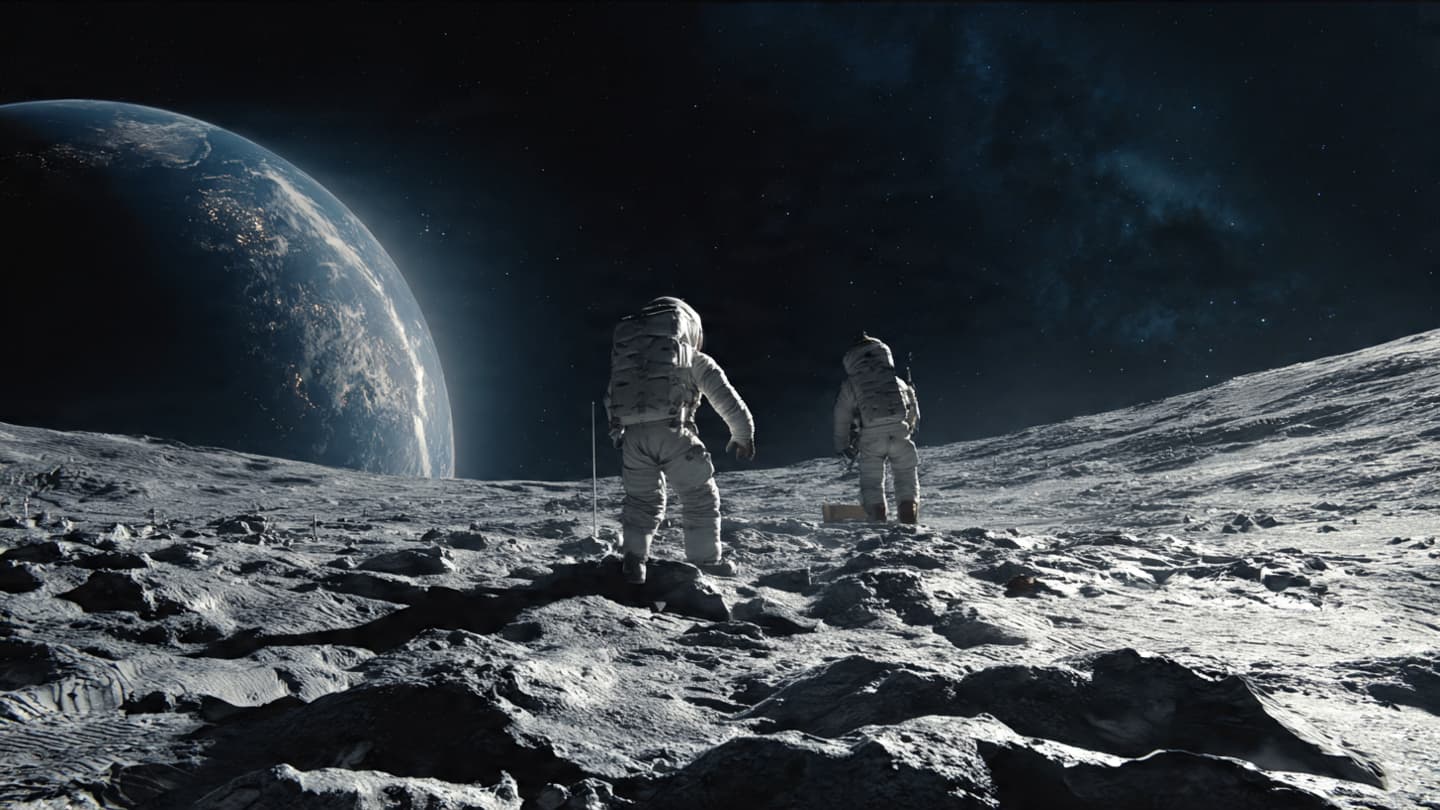
Apollo mirrors on the Moon still reflect lasers today, helping scientists measure the Moon’s gradual drift away from Earth with extraordinary precision.
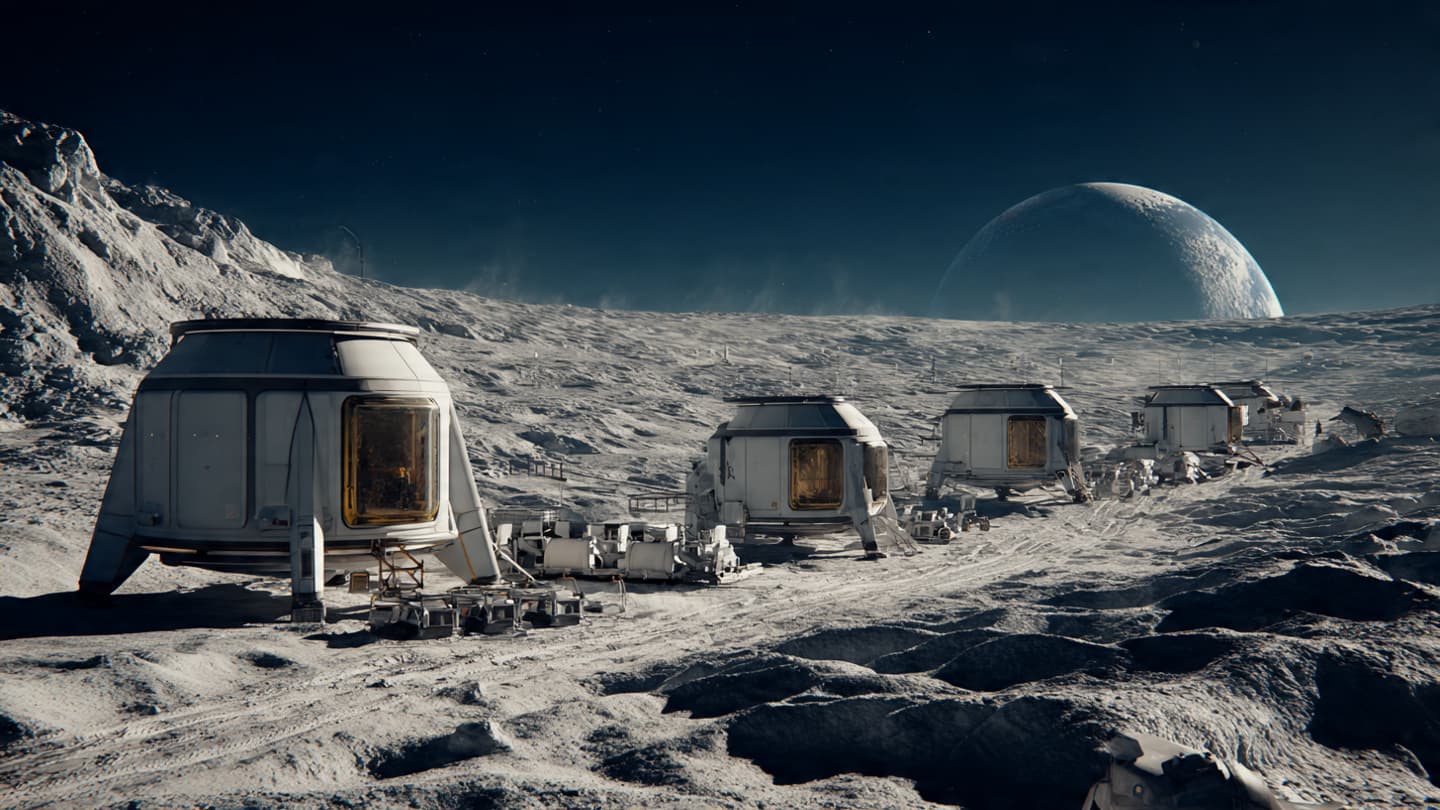
A Colorado startup raised $30 million to develop robots designed to help build future permanent lunar bases.

Scientists warn accelerated Antarctic glacier melting could significantly contribute to future sea level rise worldwide.
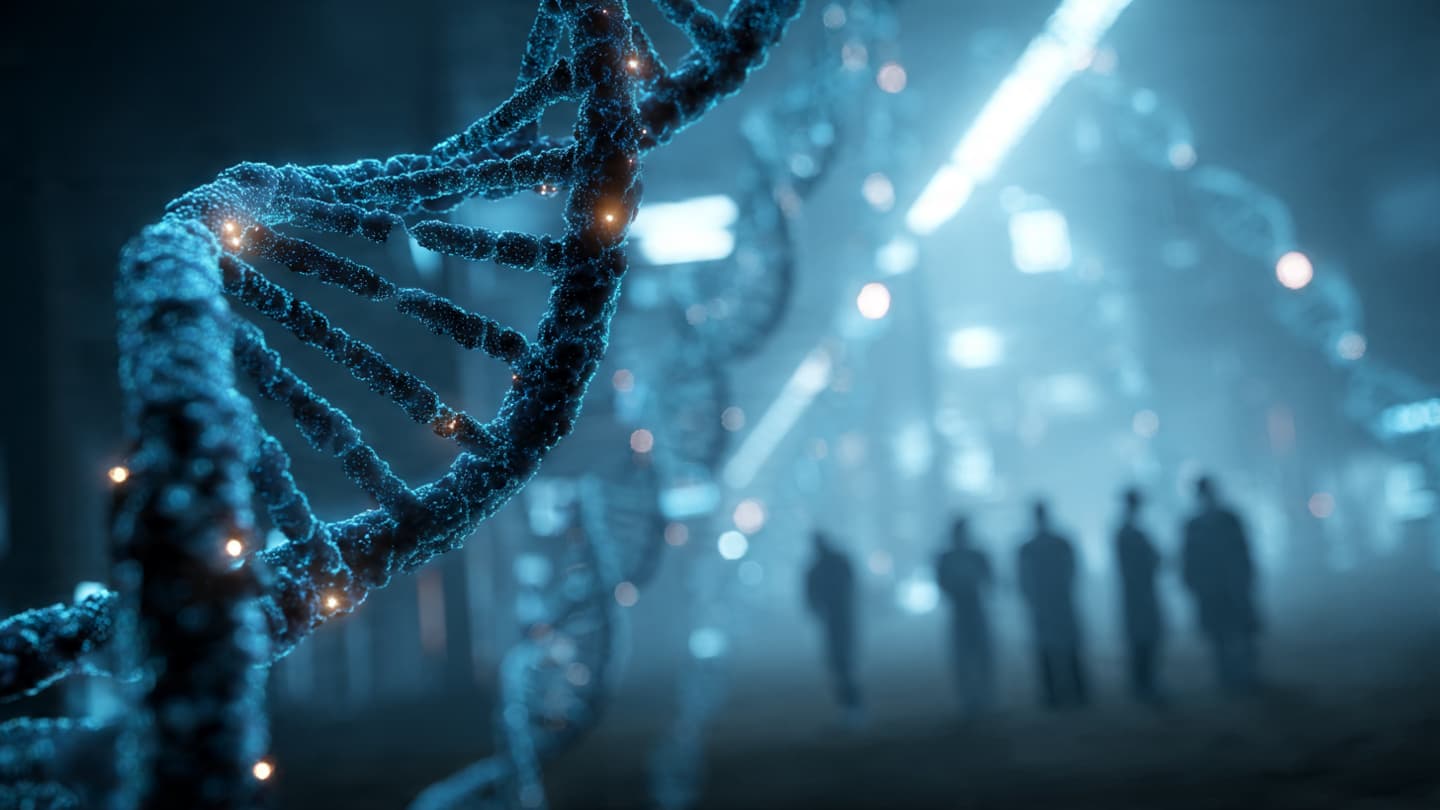
Scientists discovered ancient viral DNA embedded in human genes helped shape pregnancy and placental development over millions of years.
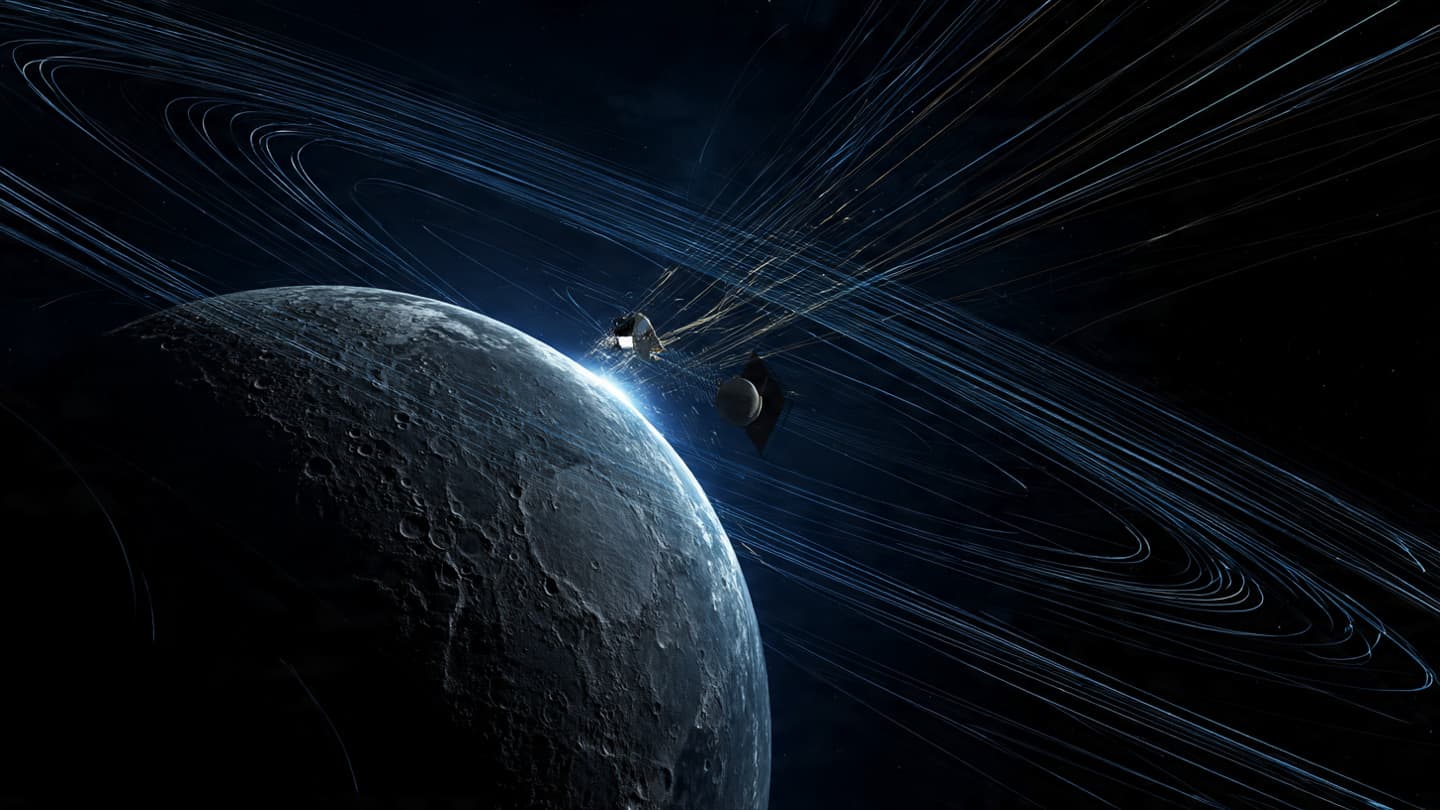
Researchers discovered fuel-saving lunar routes through the Earth-Moon L1 point that may improve communication during future missions.
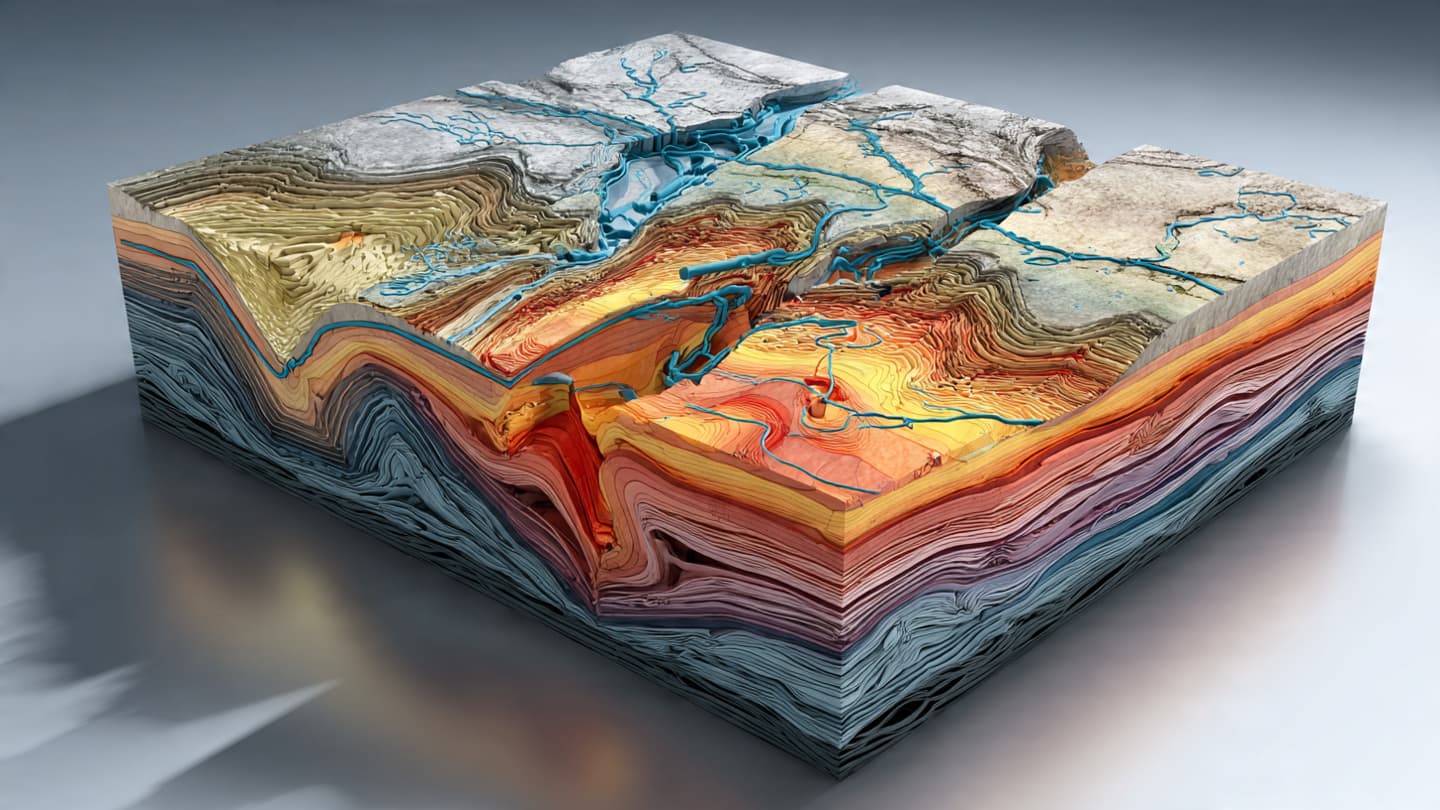
Researchers believe underground fluids and slow tectonic movements may explain mysterious earthquakes that repeat at regular intervals.
Scientists are studying enormous cosmic voids to better understand dark energy, dark matter, and the universe’s large-scale structure.
Scientists identified stellar remnants from a smaller galaxy once absorbed by the Milky Way billions of years ago.
Fans revisiting an overlooked Star Trek episode believe it resolves one of the franchise’s major mysteries.
Scientists believe Neptune’s moon Nereid may have survived a violent disruption caused by Triton’s capture.
A $1.8 billion Trump-related payout fund reportedly operates without required public disclosure of its mechanisms.
Astronomers discover a super-Earth in a habitable zone, expanding the search for Earth-like worlds.
Stress affects hippocampal activity, reducing the brain’s ability to form clear and stable memories.
AI can interpret human presence by analyzing WiFi signal disturbances, opening new sensing possibilities.
Astronomers discover a new super-Earth in a potentially habitable zone, expanding exoplanet research.
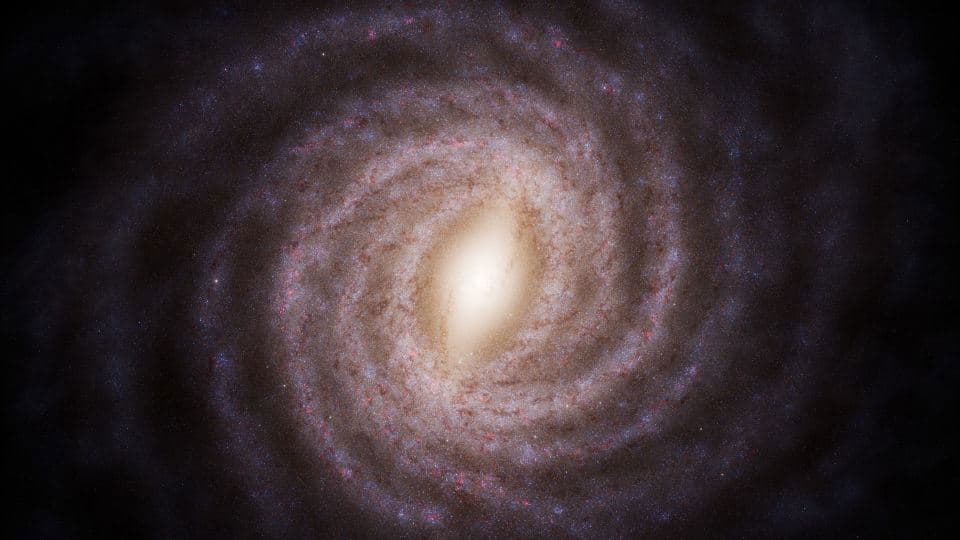
Recent findings by astronomers have revealed remnants of a smaller galaxy, dubbed Gaia-Enceladus, which the Milky Way absorbed over 10 billion years ago. This discovery sheds light on the Milky Way's growth and its history of consuming other galaxies.
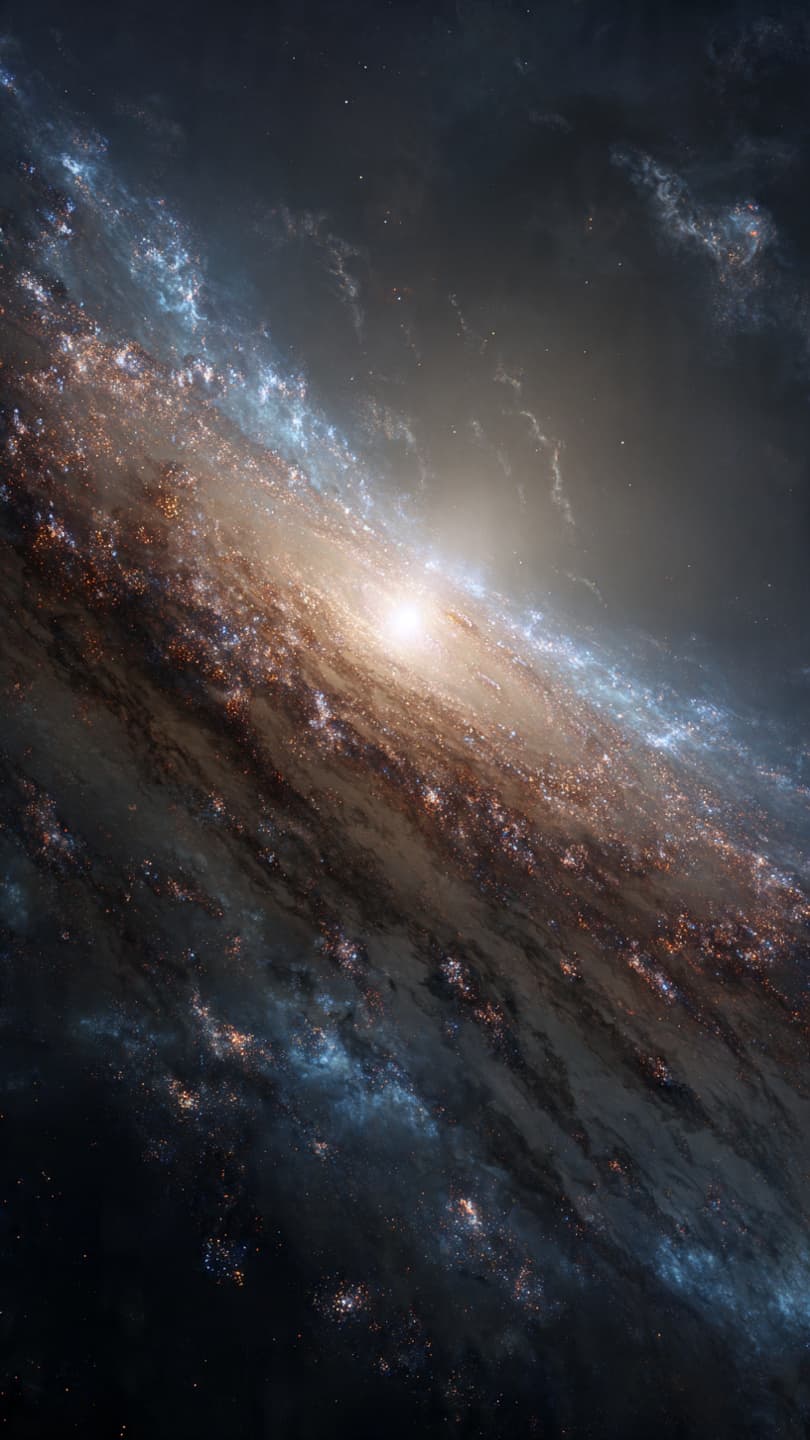
Astronomers believe unusual stars inside the may be remnants of an ancient smaller galaxy absorbed during one of the Milky Way’s past mergers billions of years ago.
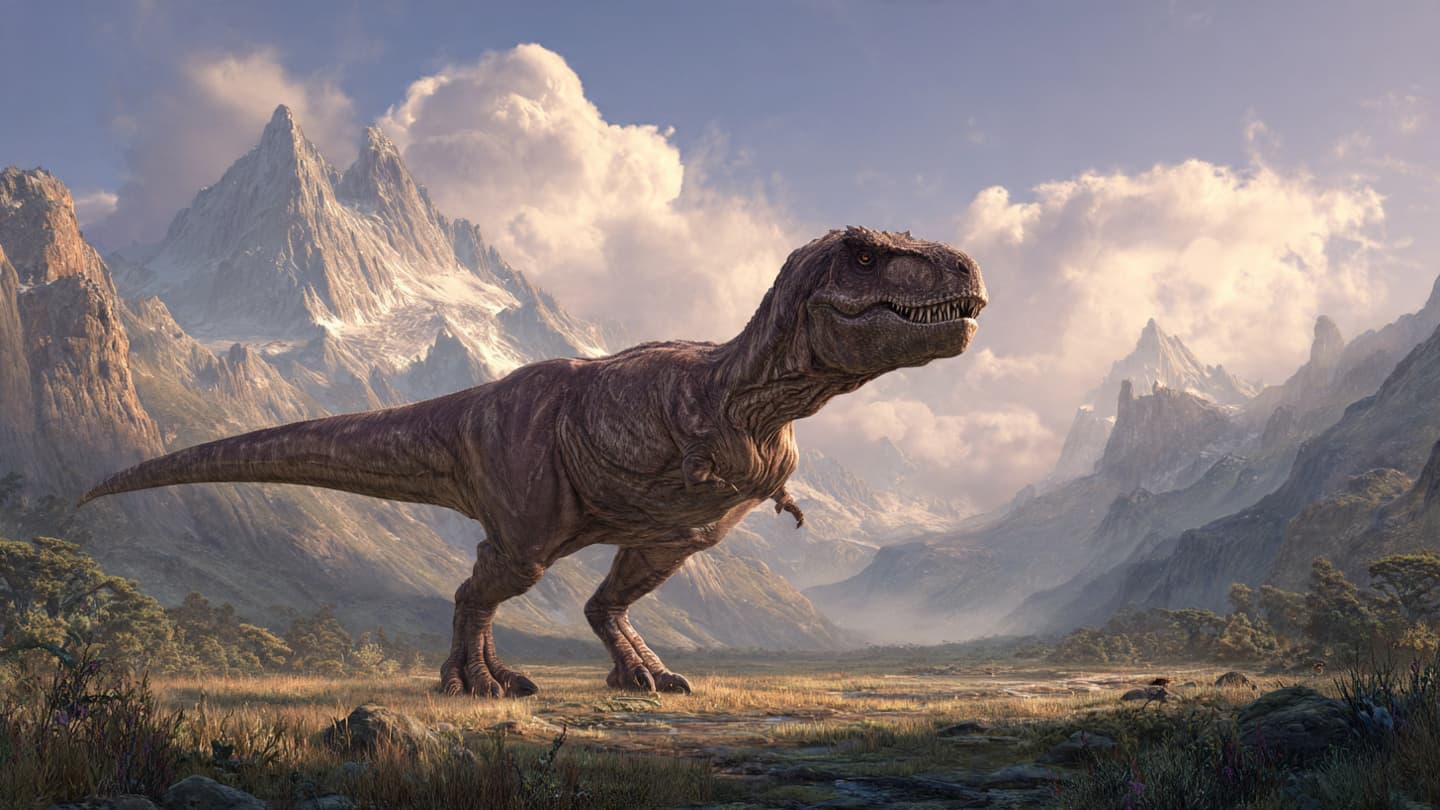
Scientists are revisiting theories explaining why Tyrannosaurus rex evolved unusually small arms despite its massive body size.
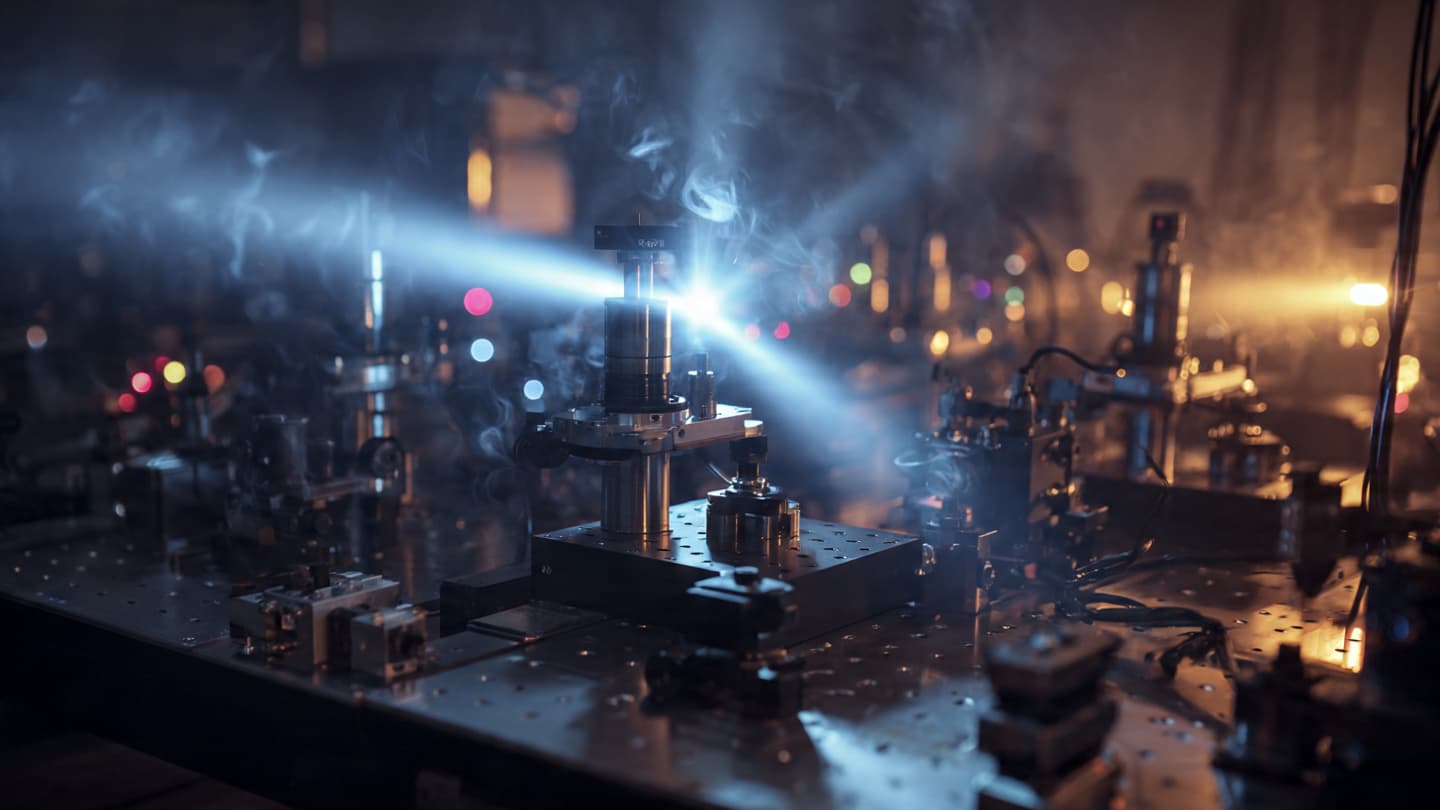
Scientists successfully demonstrated quantum ghost imaging using ordinary sunlight, expanding possibilities for future imaging technologies.
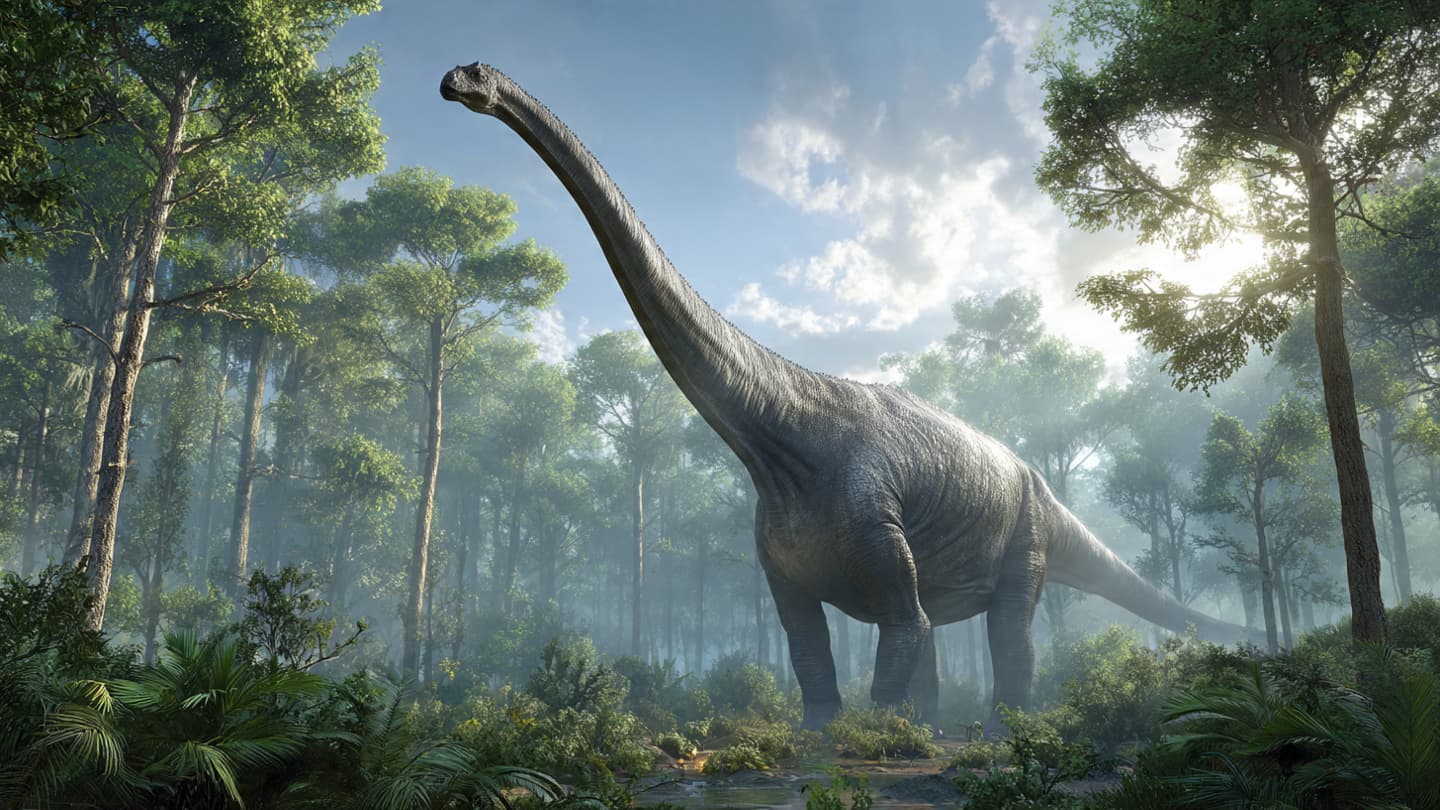
Scientists in Thailand discovered a massive new dinosaur species that may become one of Southeast Asia’s largest known sauropods.
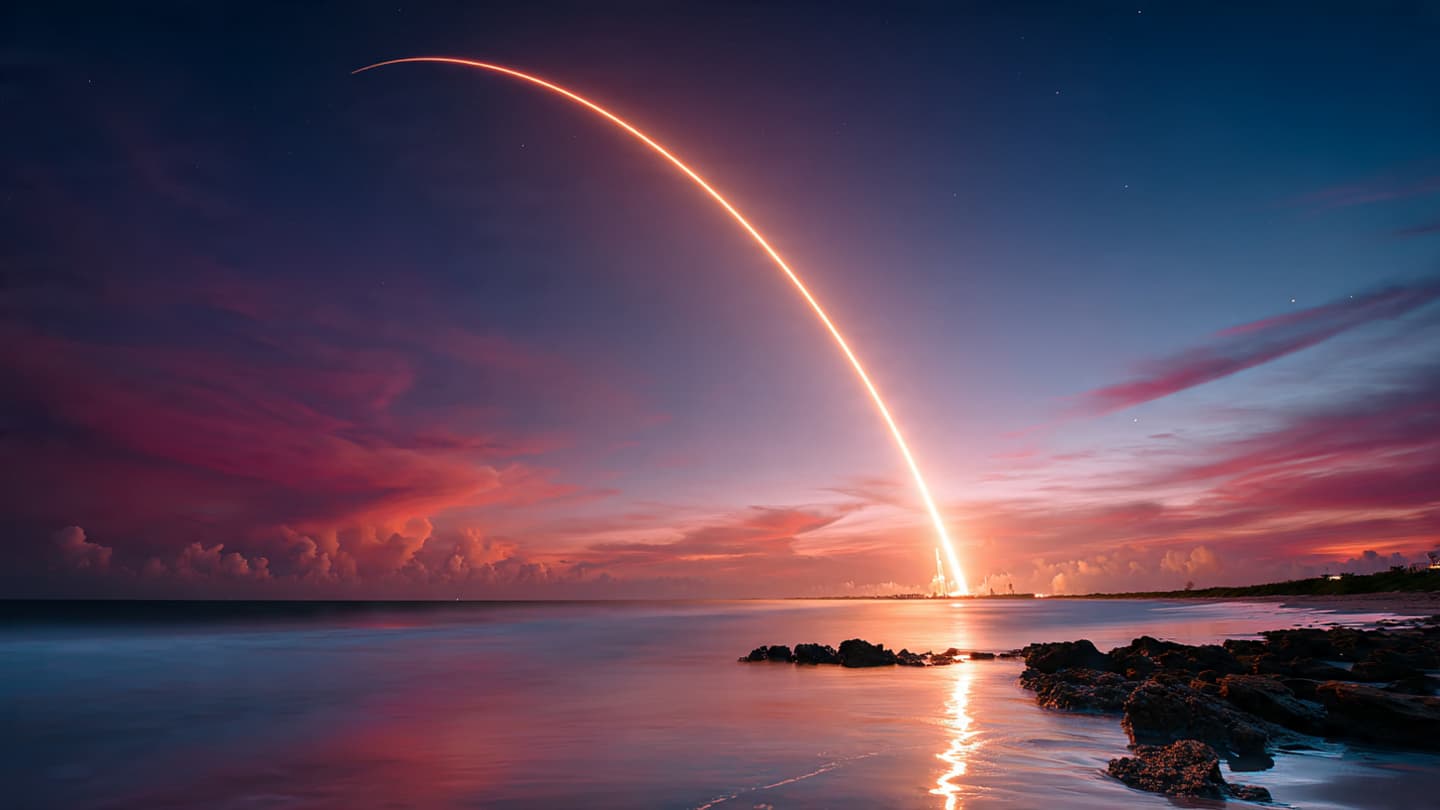
SpaceX launched the Starlink 10-31 mission from Cape Canaveral, adding more satellites to its global internet network.
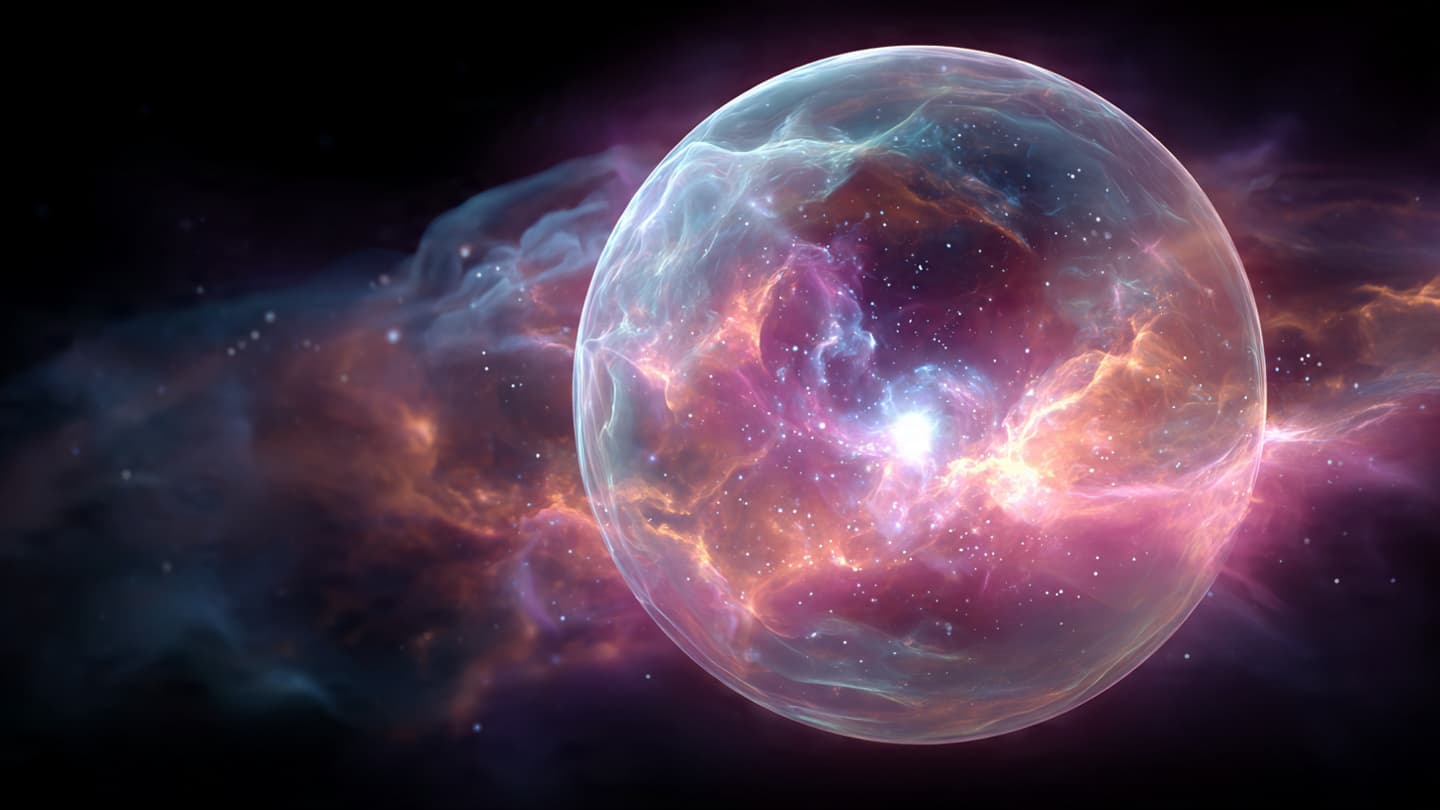
A newly released telescope image shows a dying star surrounded by glowing gas clouds resembling a crystal ball.