SCIENCE97% credibility
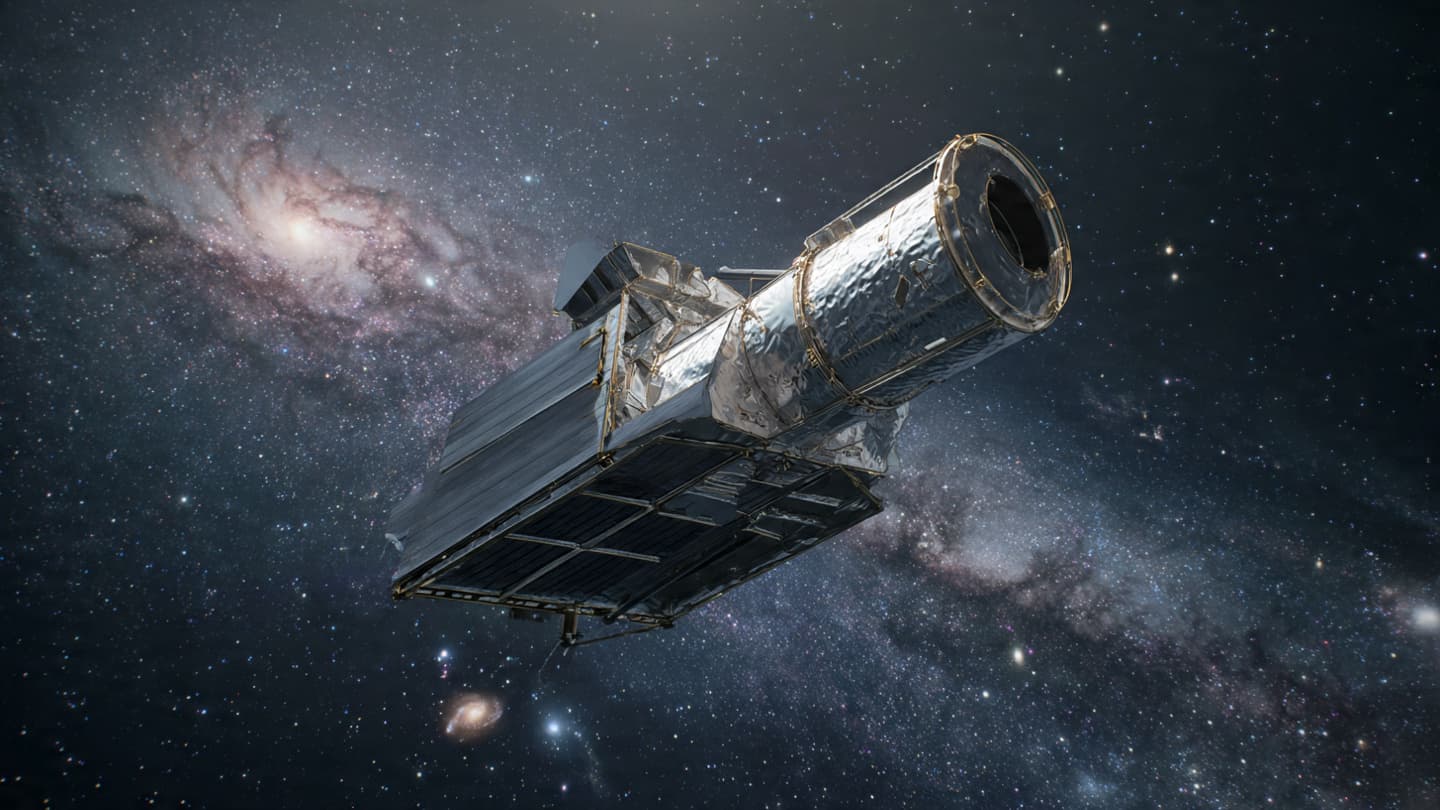
Beyond the Familiar Stars, NASA Prepared to Look Even Farther
NASA is preparing to launch the Nancy Grace Roman Space Telescope to study dark energy, distant galaxies, and exoplanets.
2 min read

NASA is preparing to launch the Nancy Grace Roman Space Telescope to study dark energy, distant galaxies, and exoplanets.
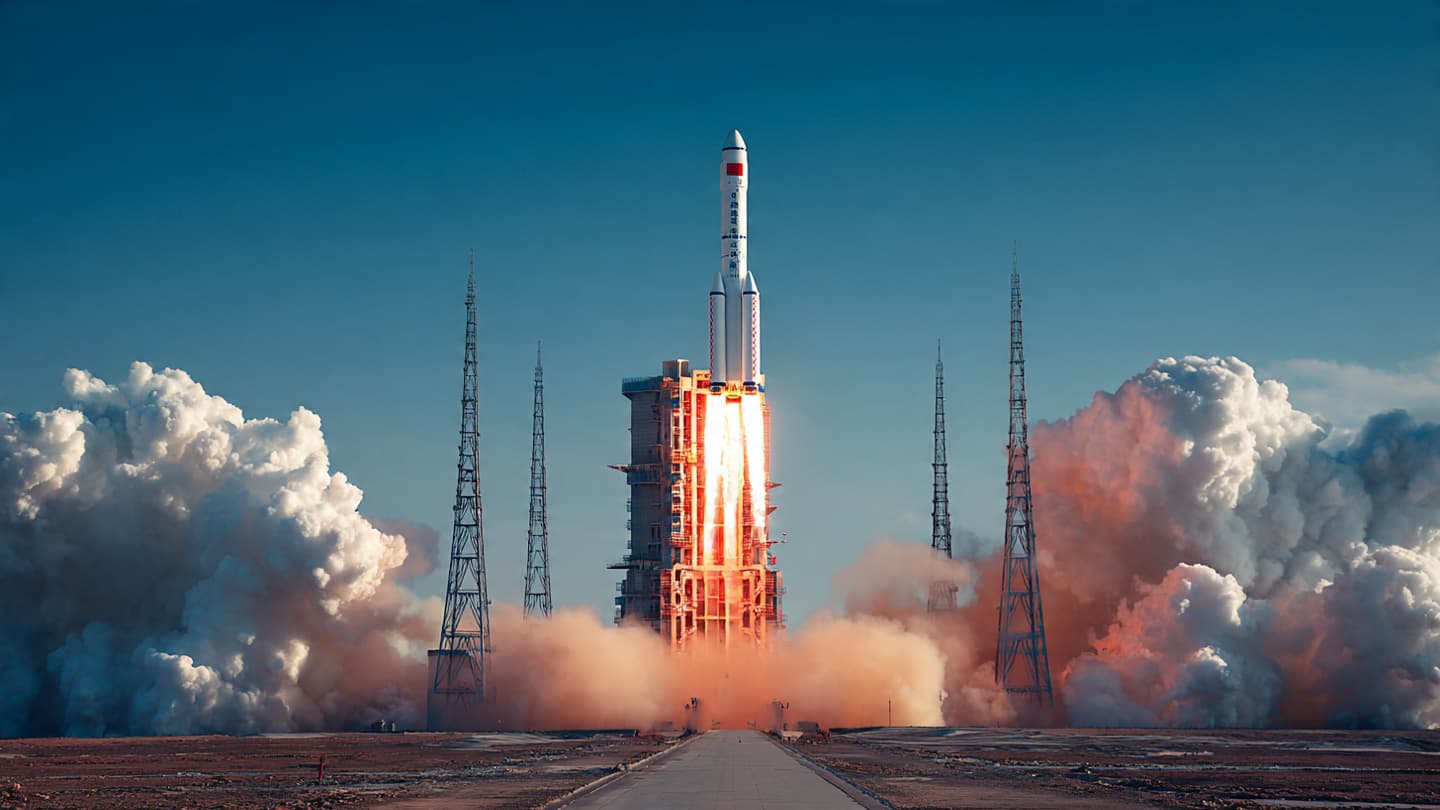
China launched three astronauts to its Tiangong space station as part of its long-term plan to achieve a Moon landing before 2030.
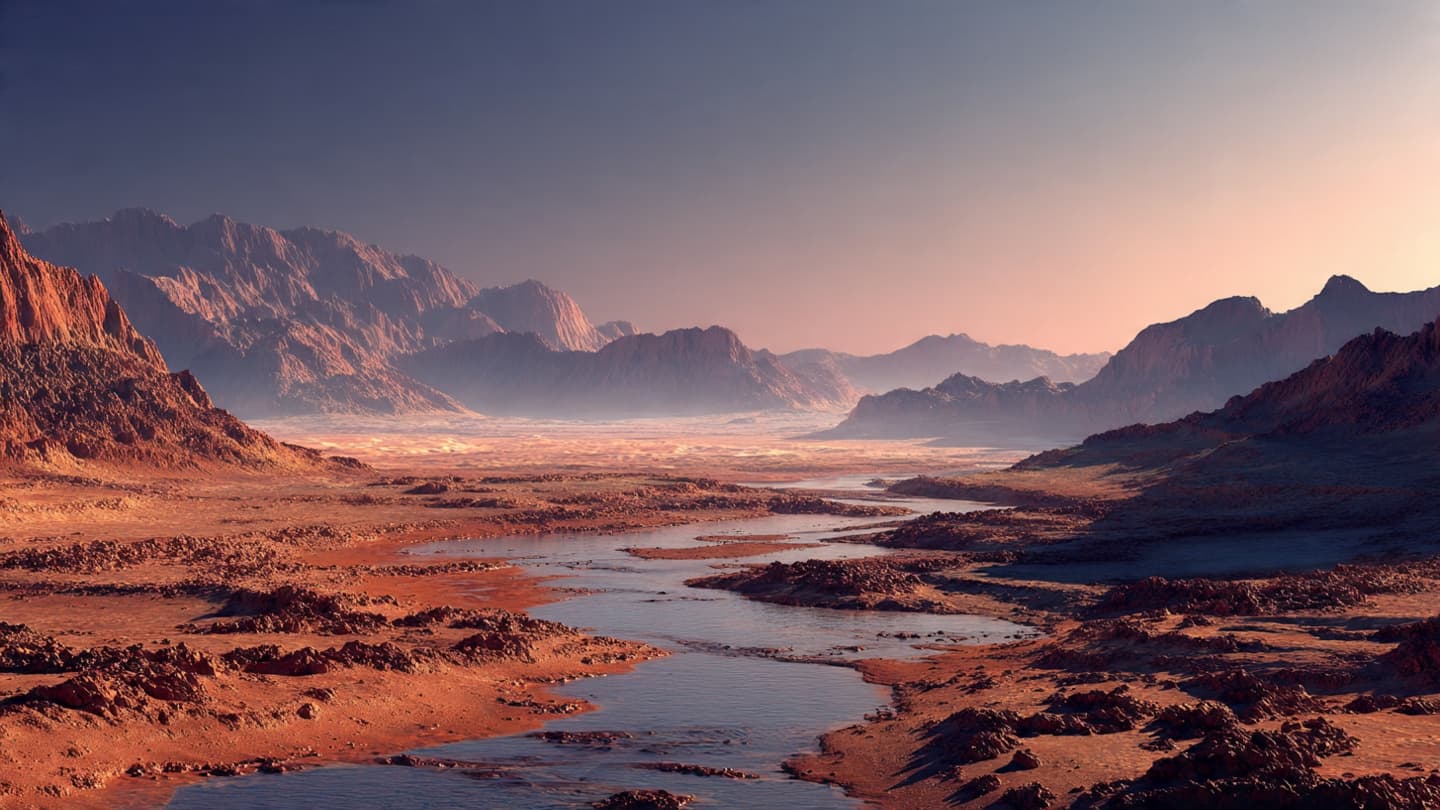
Scientists believe Mars may help researchers better understand how habitable planets evolve beyond our solar system.

Reports involving AI-assisted surgical systems have renewed concerns about patient safety and oversight in modern operating rooms.
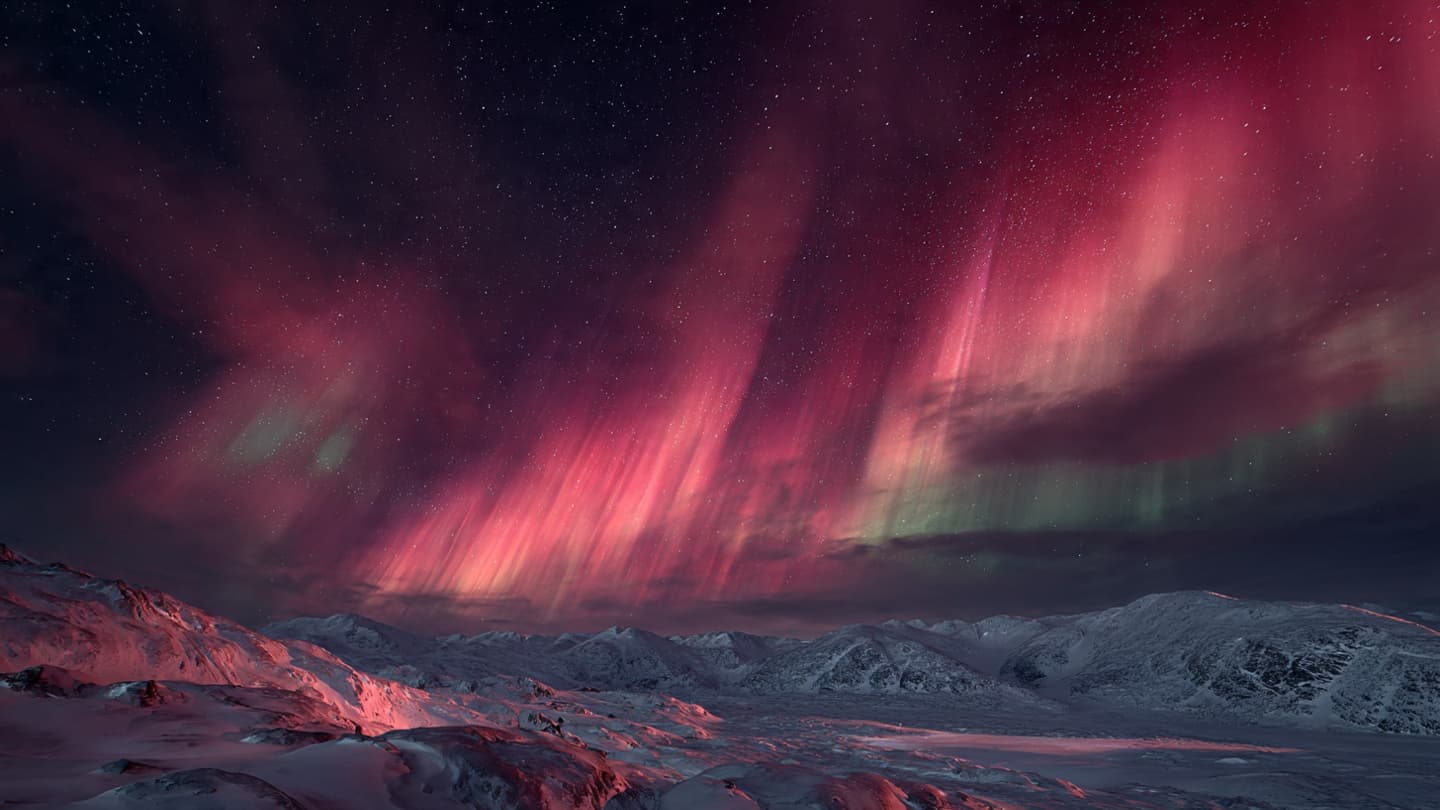
Japanese researchers observed a rare giant red aurora reaching unusually high into Earth’s atmosphere during solar activity.
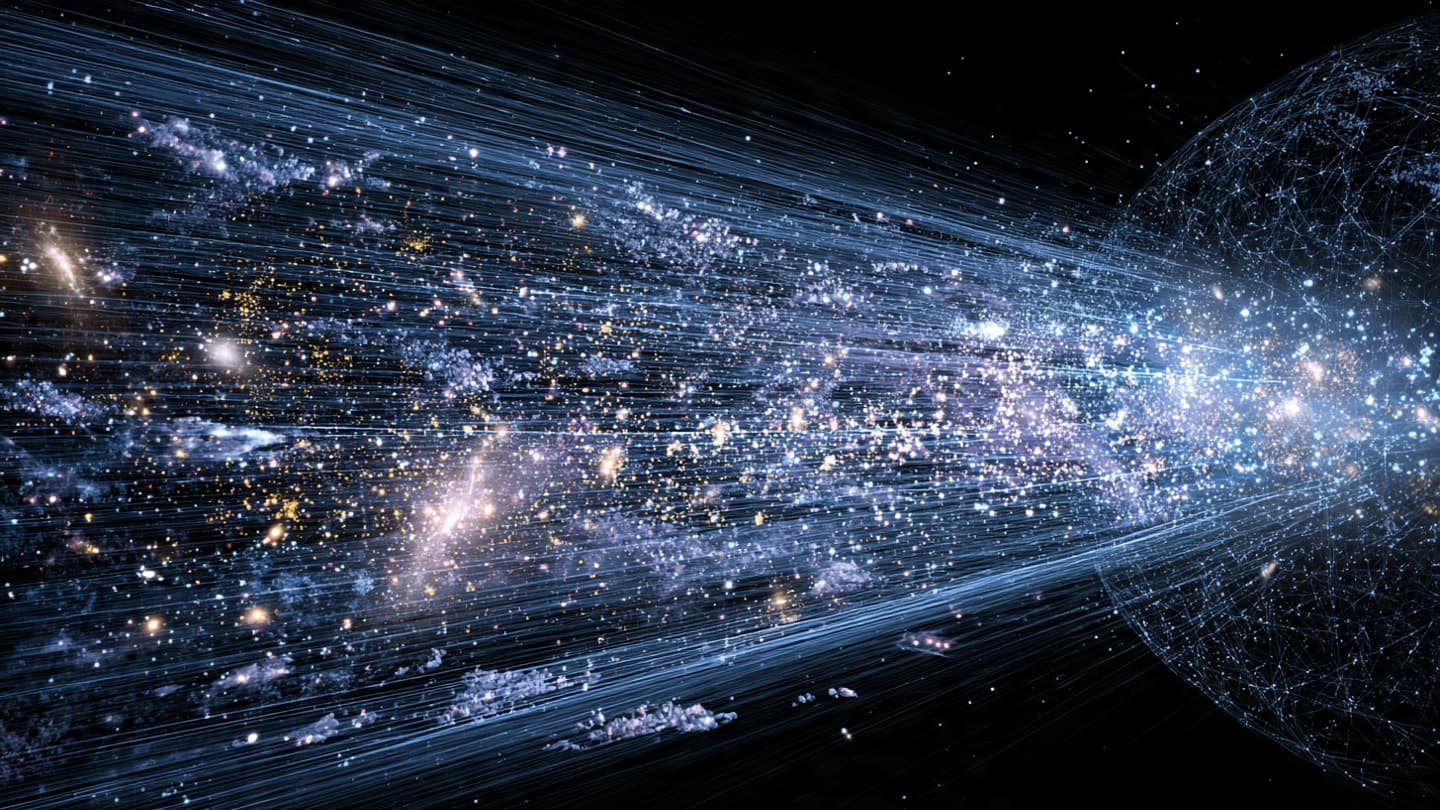
Scientists believe they may have identified the cosmic source behind the most energetic neutrino ever detected.

Scientists are studying whether microplastics disrupt ocean ecosystems responsible for absorbing atmospheric carbon dioxide.
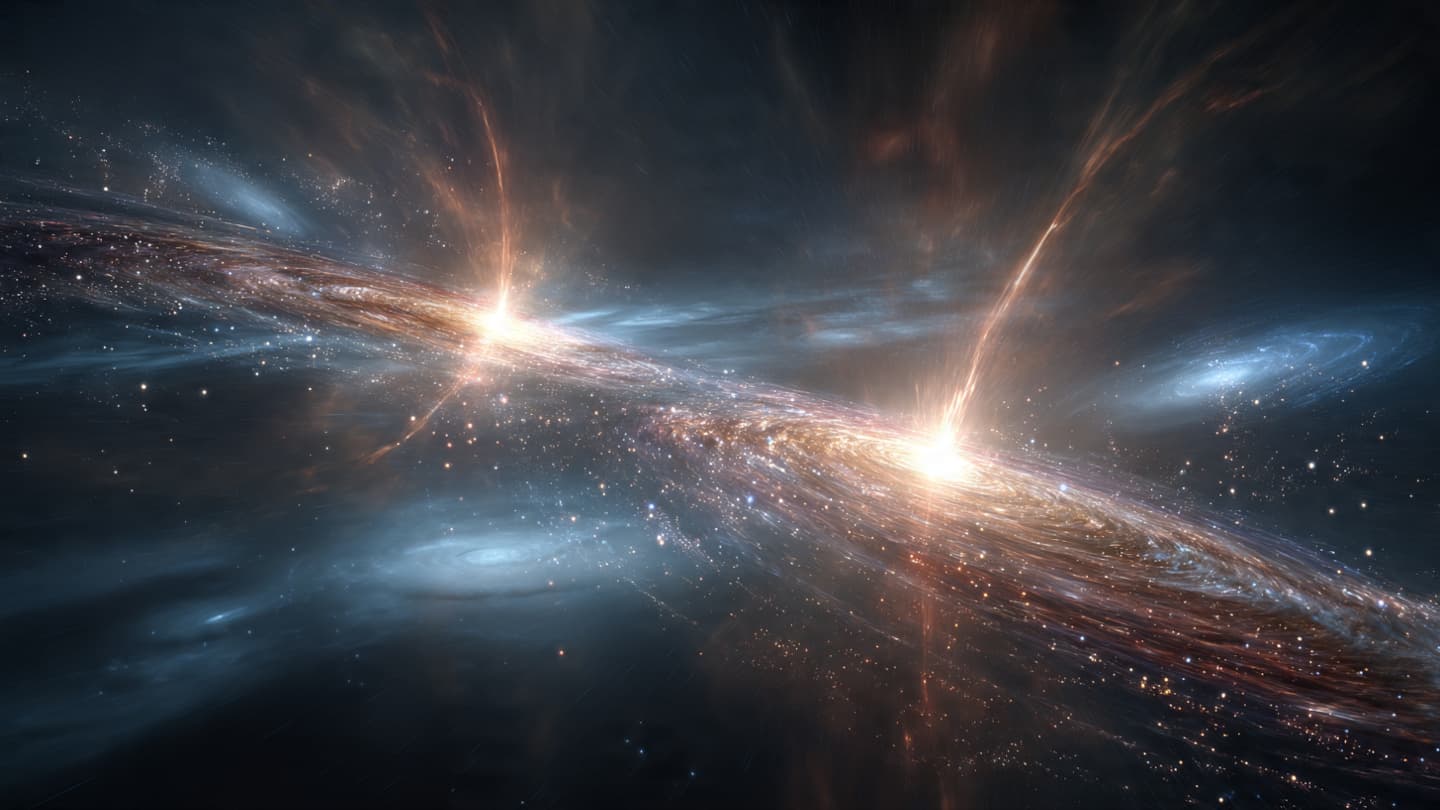
Scientists now believe mergers and stellar conditions explain black holes once considered theoretically impossible.
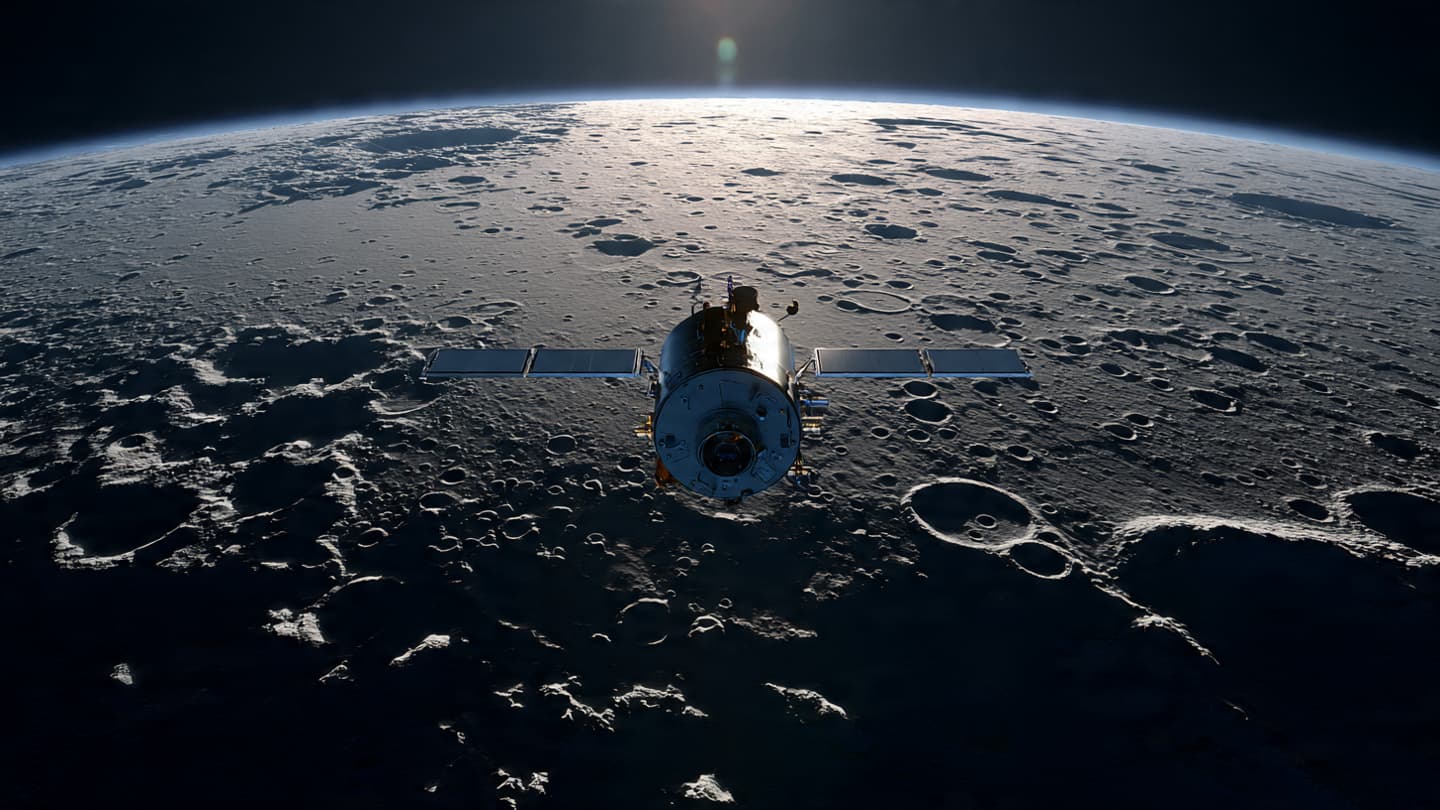
China’s upcoming lunar mission will explore the Moon’s south pole, where scientists believe water ice exists.

A new observatory gained recognition in its first year through successful stargazing and public astronomy programs.

NASA’s Psyche spacecraft captured blue-toned images of Mars while traveling toward a rare metal asteroid.

Scientists are studying unusual variations in Earth’s rotation that may eventually affect precise global timekeeping systems.
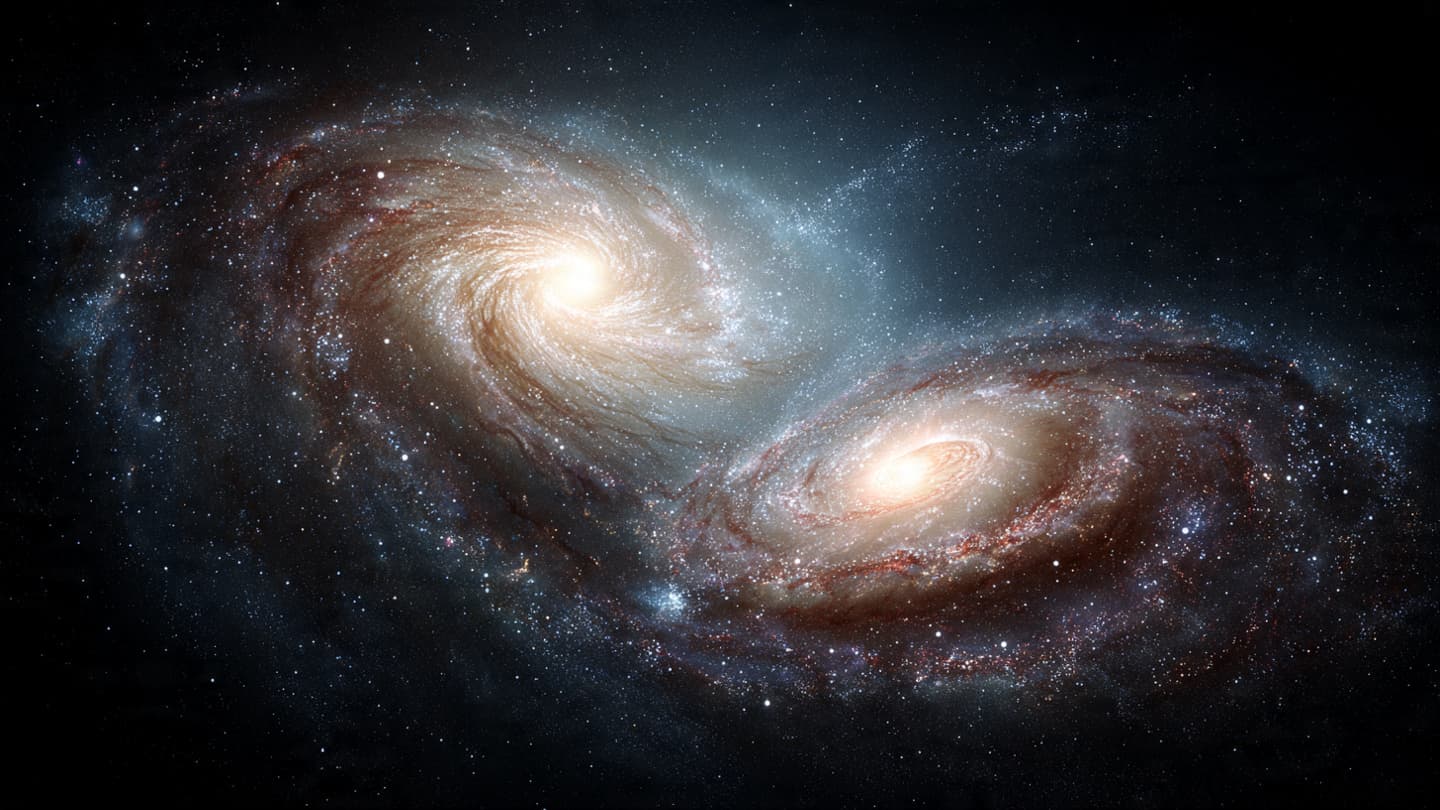
Astronomers studying ancient stars believe the Milky Way may have absorbed another galaxy long ago.

FM introduced a global hail hazard map as insurers and scientists respond to rising storm-related losses worldwide.
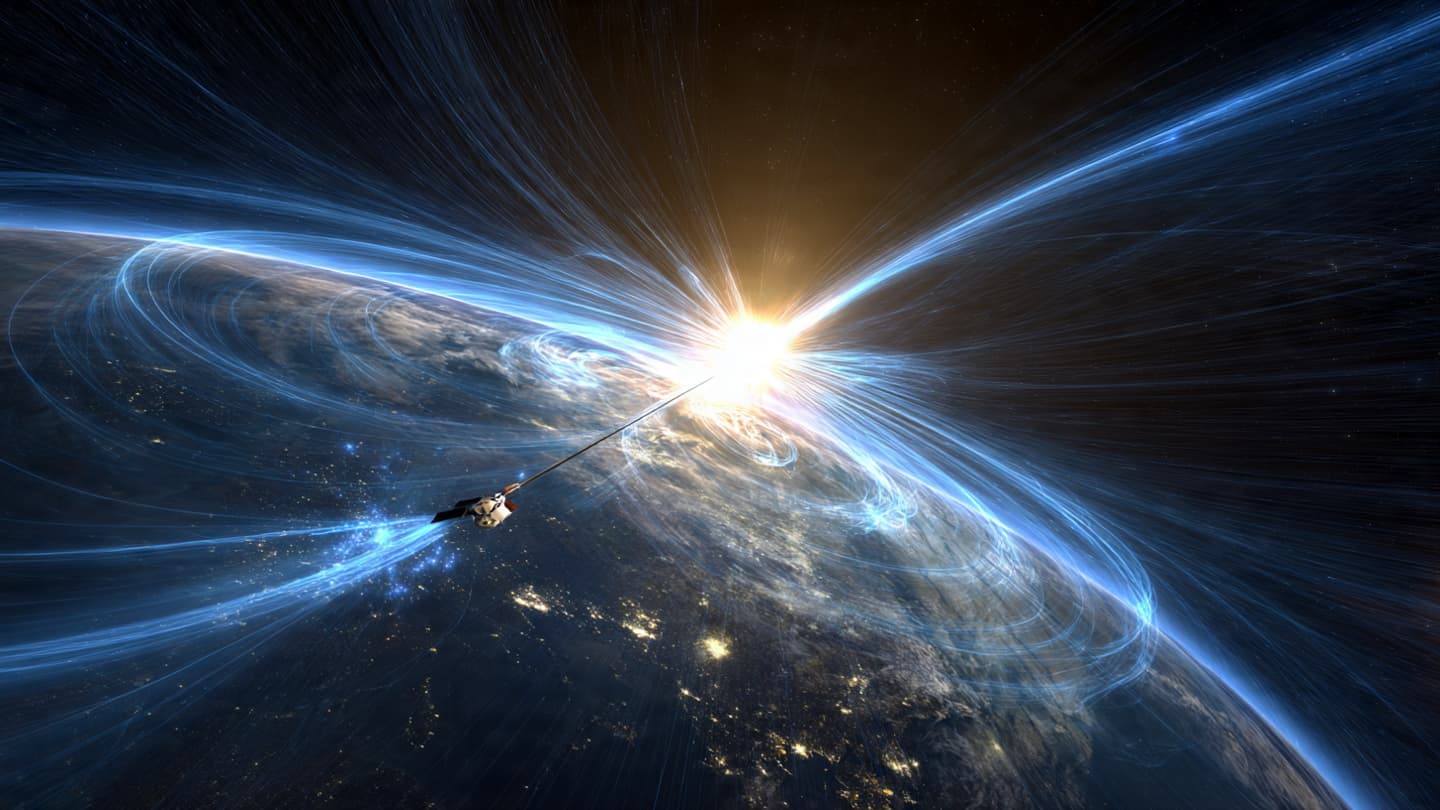
A new spacecraft mission will study how Earth’s magnetic field protects the planet from solar winds.
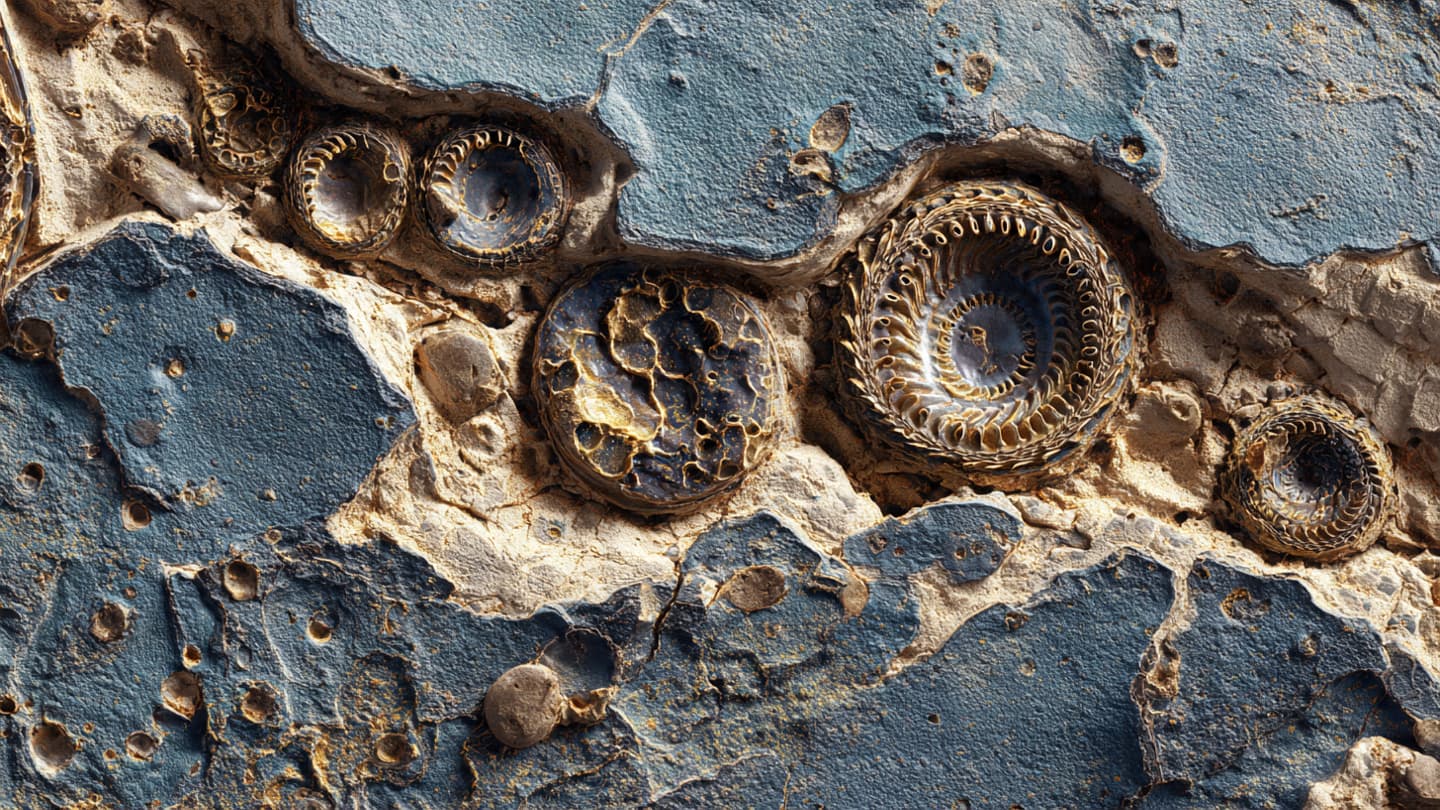
Scientists found ancient microfossils that may reveal new details about the early evolution of complex life.
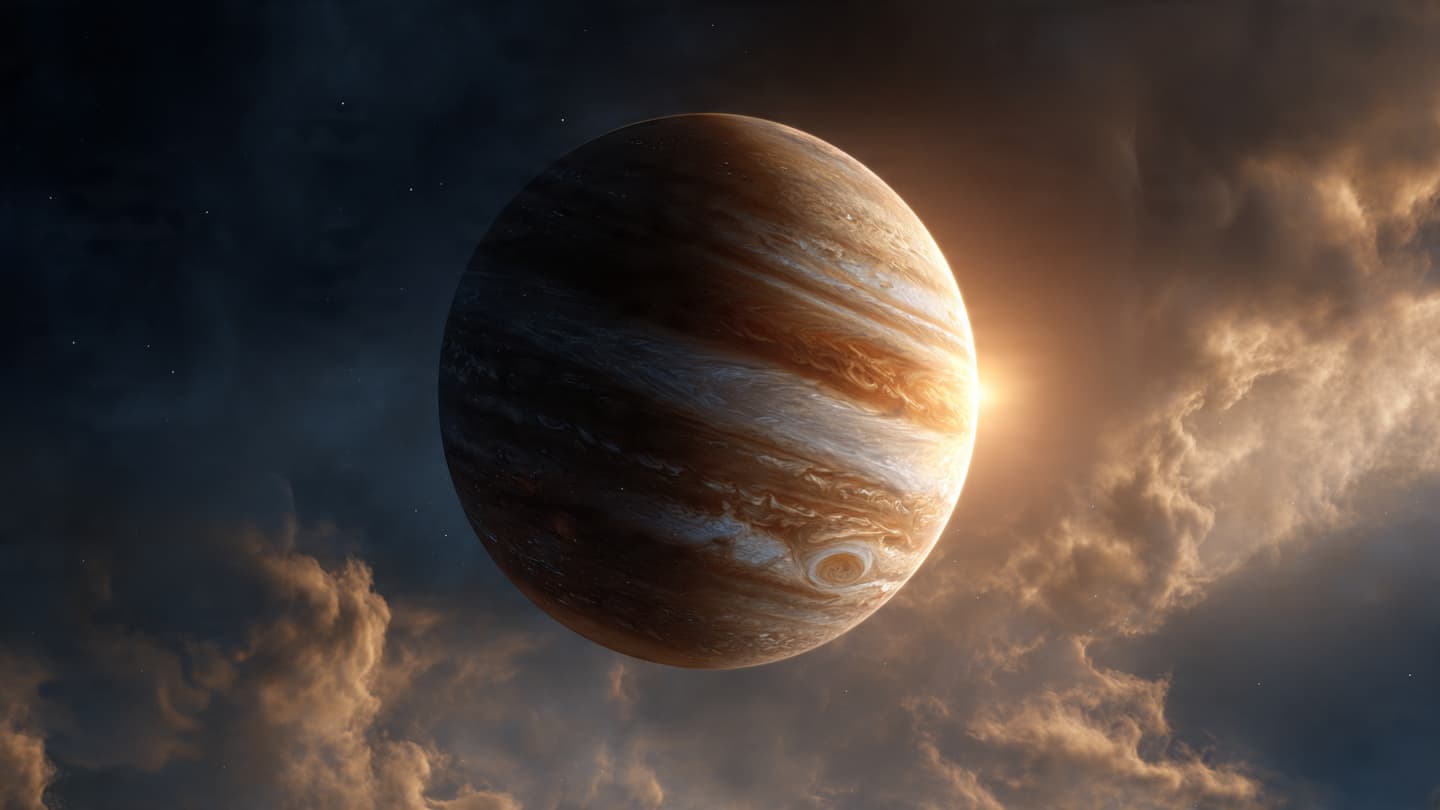
Astronomers discovered a Hot Jupiter exoplanet with cloudy mornings and clearer evenings shaped by extreme winds.

NASA is using AI and satellite data to detect harmful algae blooms earlier and improve environmental response efforts.
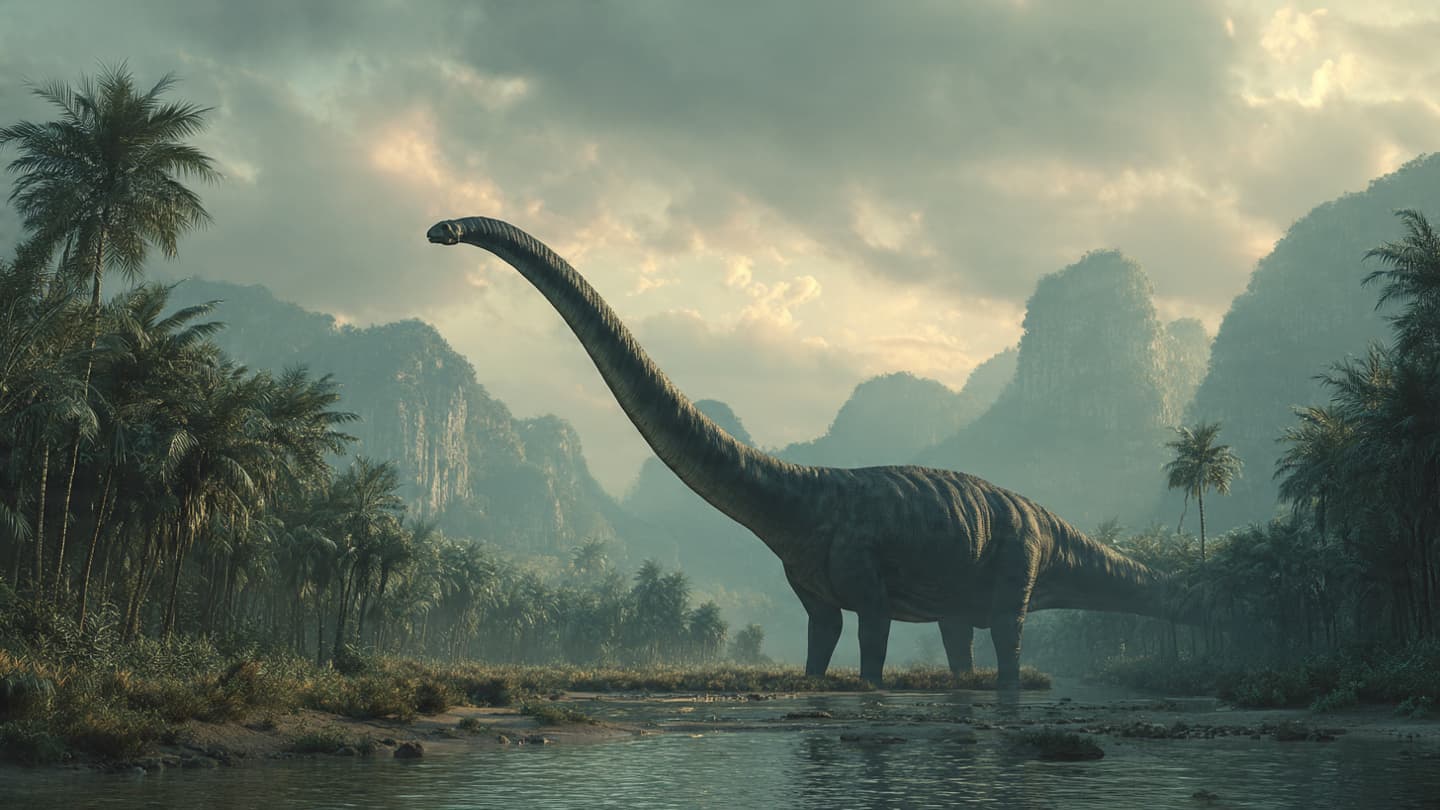
Researchers unveiled Nagatitan, the largest dinosaur ever discovered in South-East Asia and a major paleontological find.
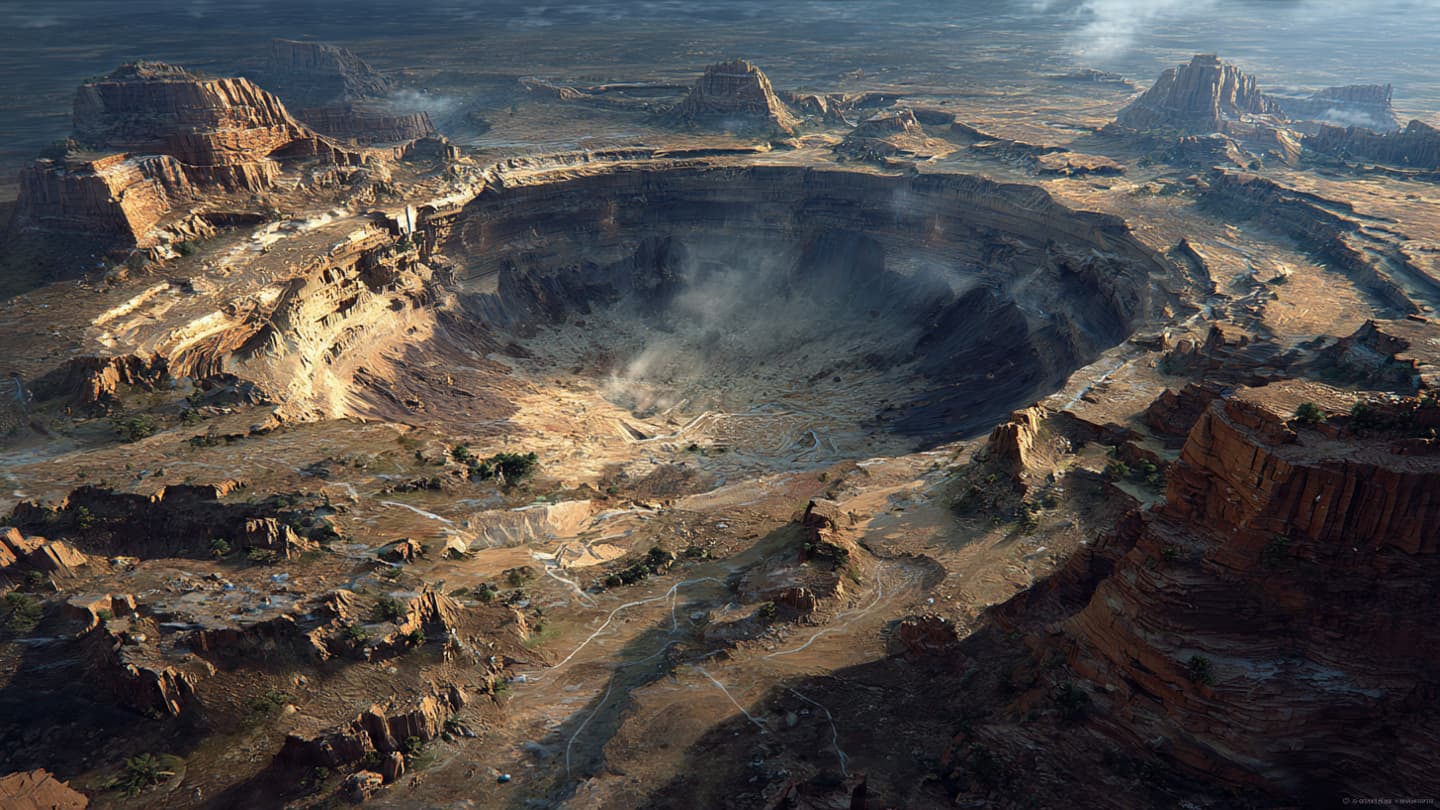
Scientists studying an asteroid crater found possible evidence of ancient microbial life preserved underground.
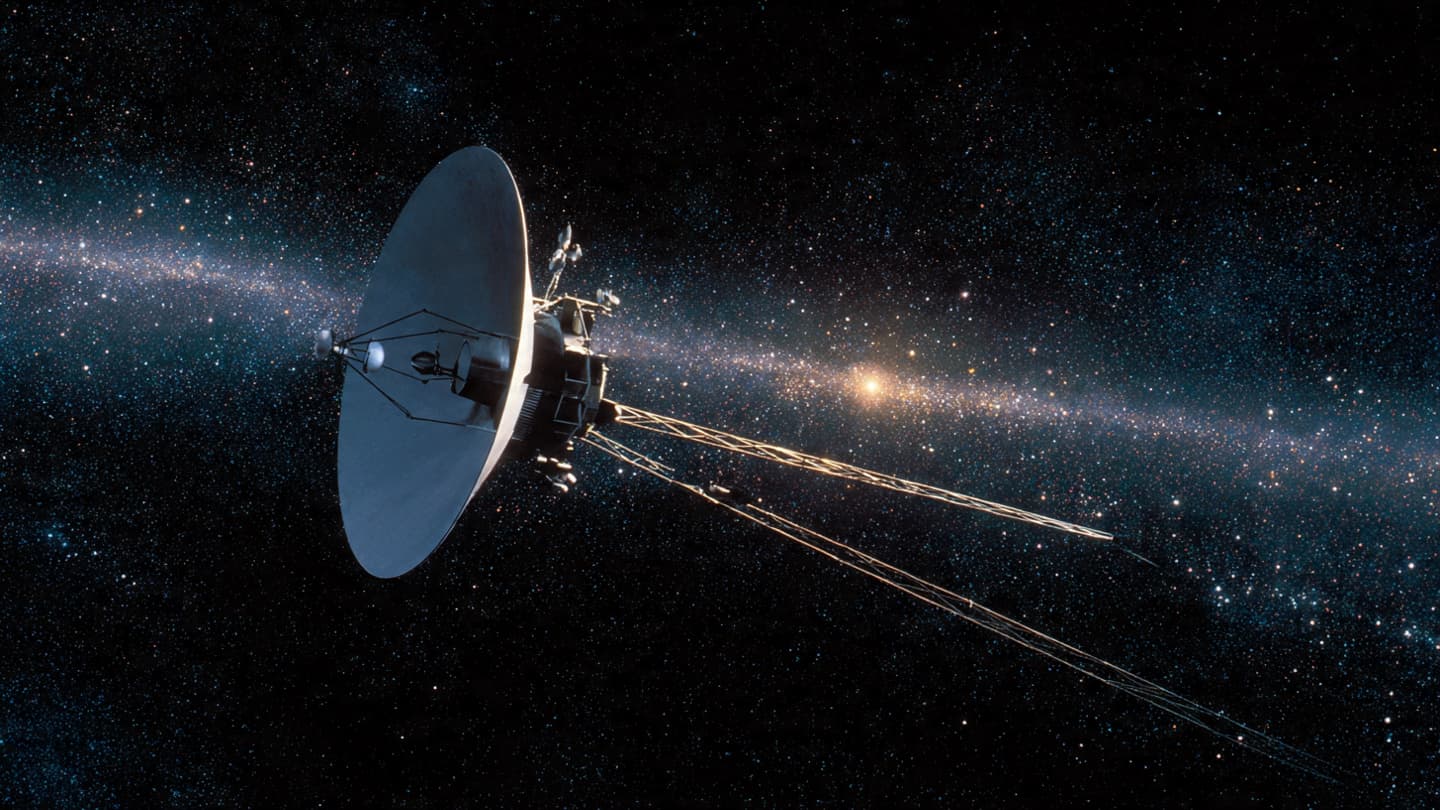
Voyager 1’s “Pale Blue Dot” image became a lasting symbol of humanity’s place in the cosmos.
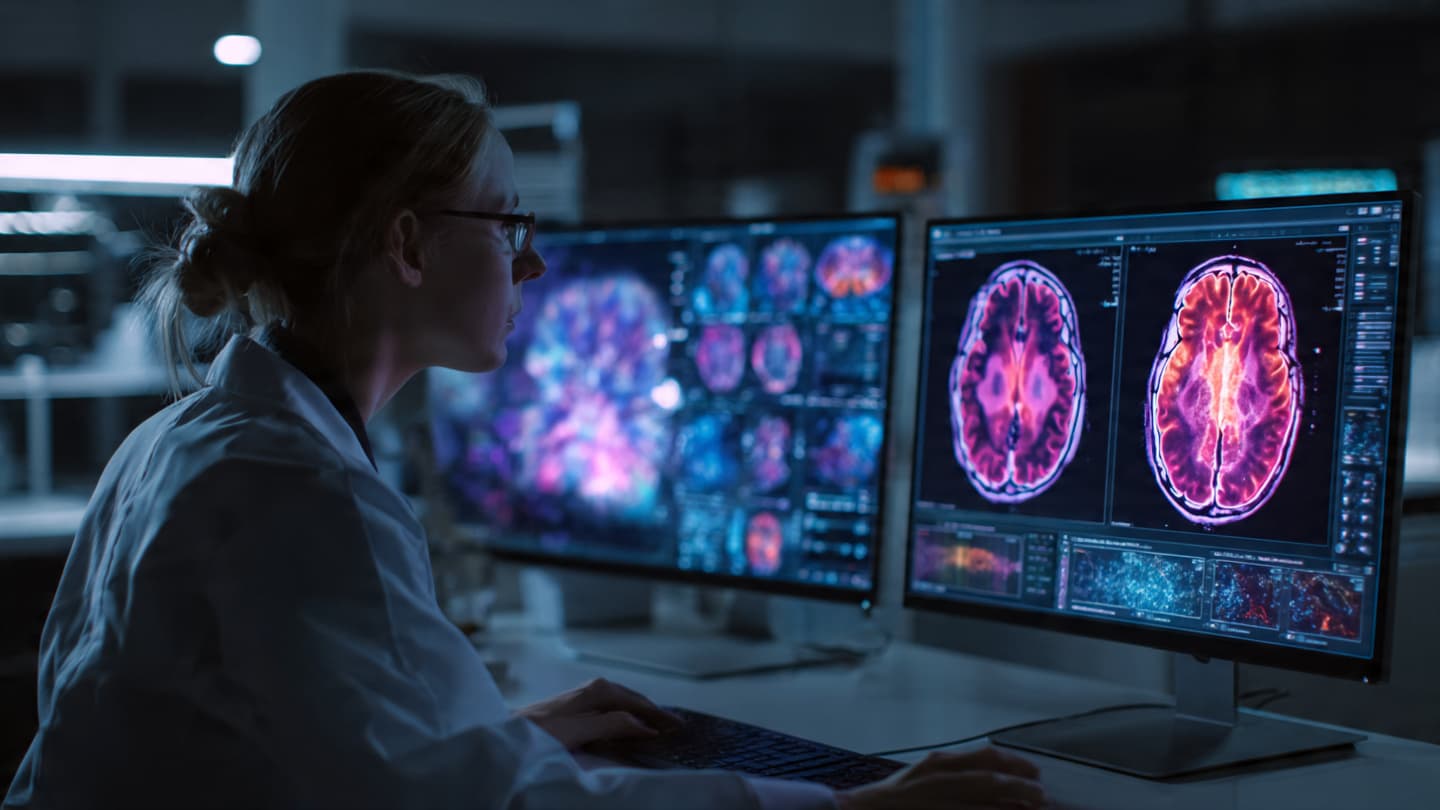
New neuroscience research explores how short-term memory biases may shape long-term perceptual learning and neural plasticity.
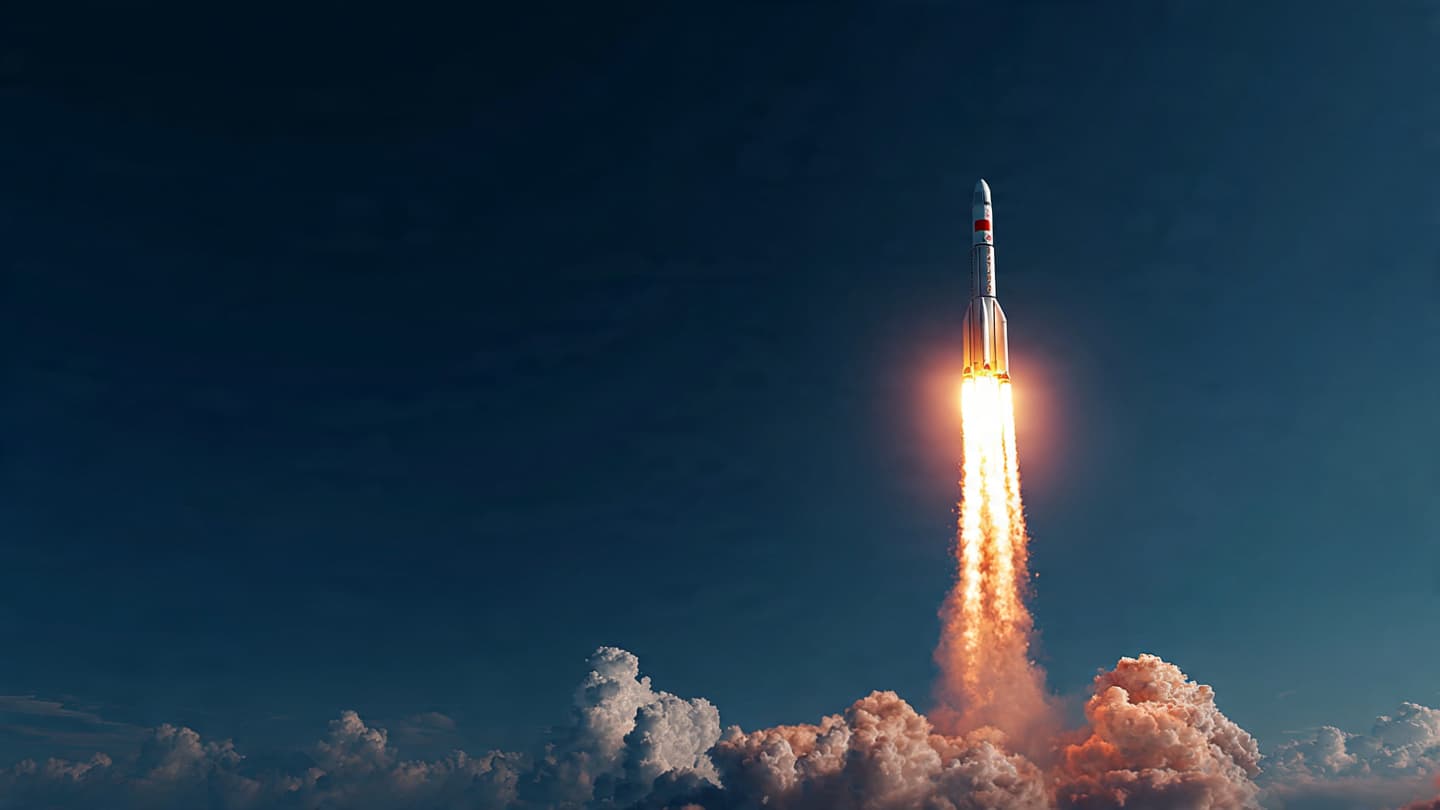
China launched a new three-person space mission as part of its broader effort to advance long-term lunar exploration plans.
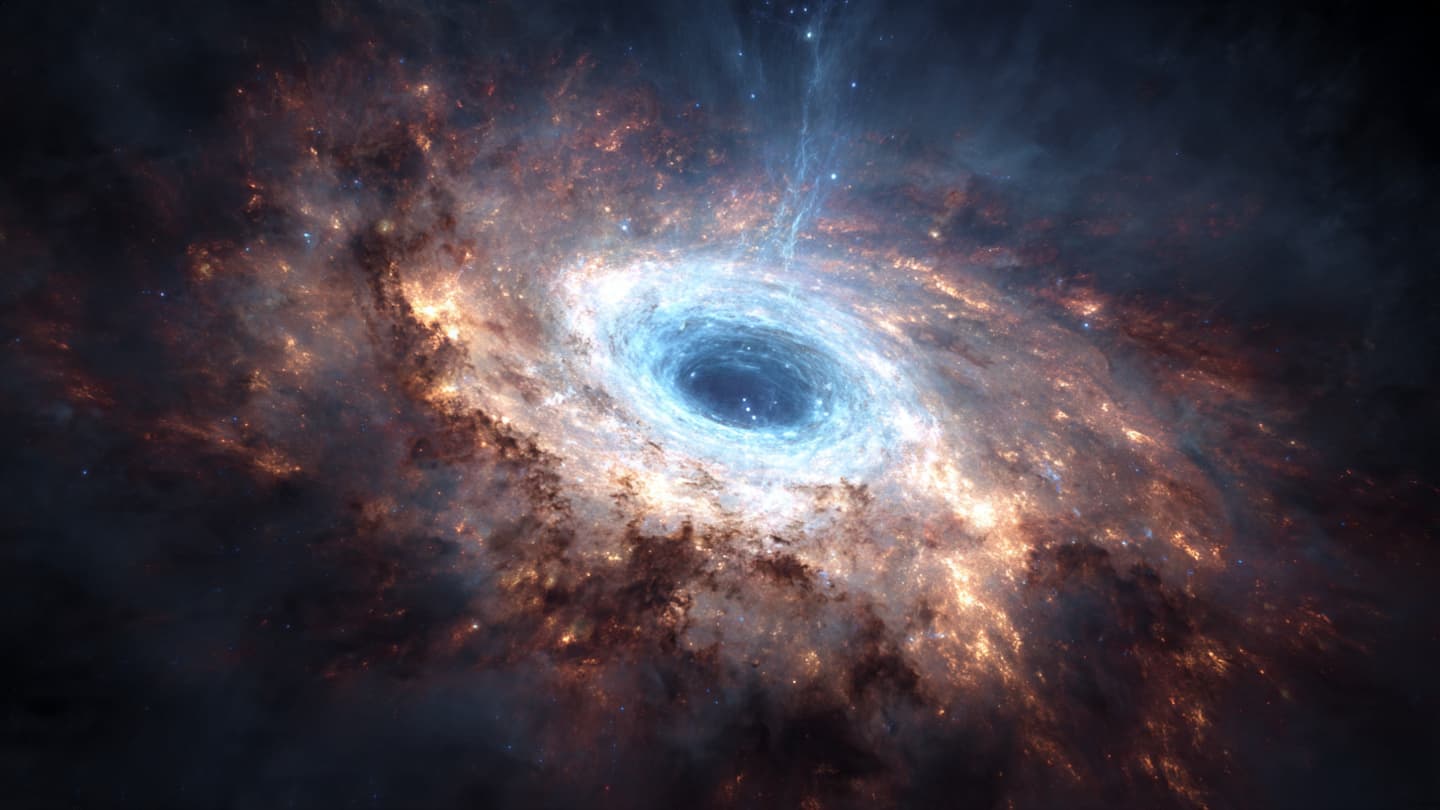
Scientists believe they now understand how seemingly “impossible” supermassive black holes formed so early in the universe.