SCIENCE94% credibility
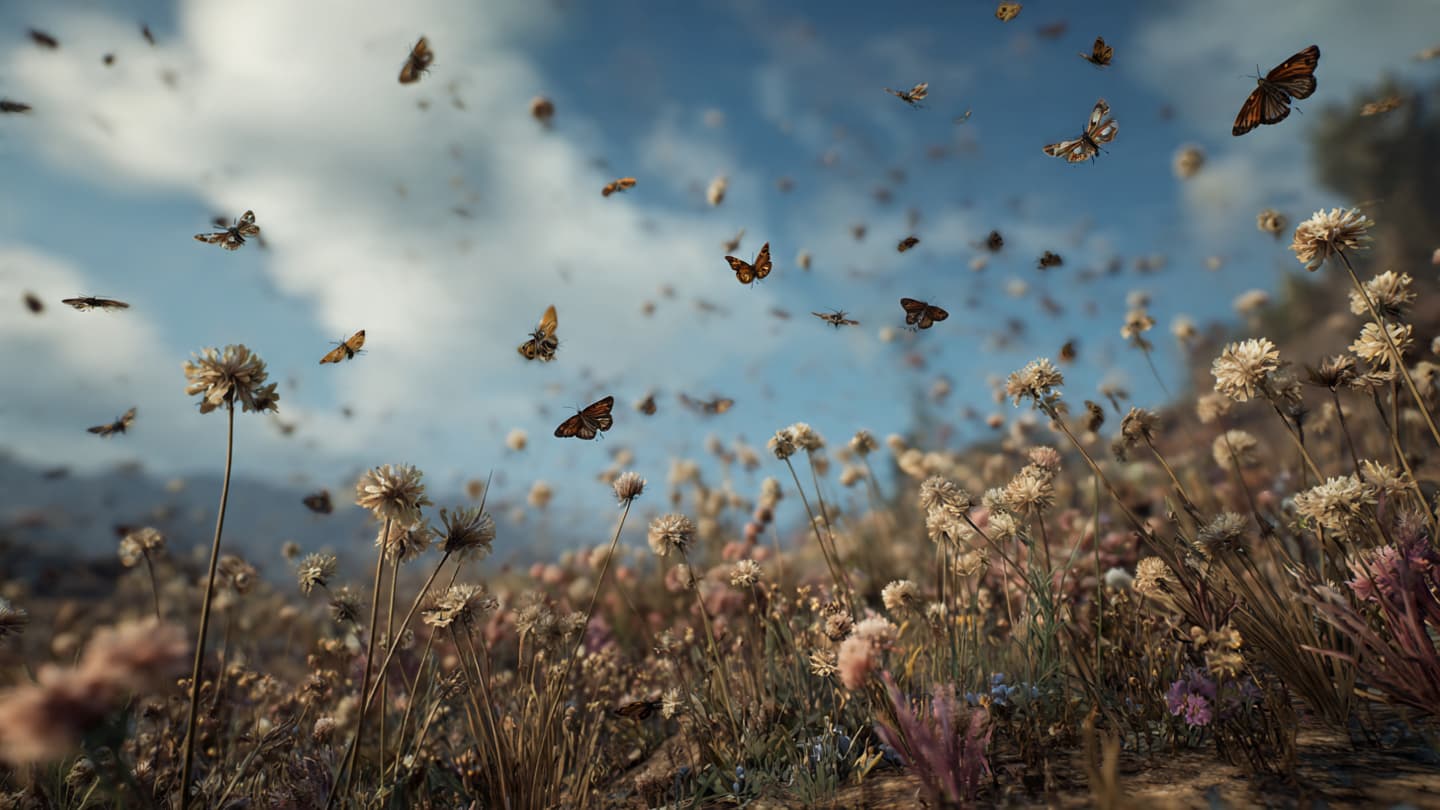
Small Creatures Carrying Earth’s Balance Face a Rapidly Changing Climate
Scientists warn climate change may threaten insect survival, potentially affecting ecosystems, agriculture, and biodiversity worldwide.
2 min read

Scientists warn climate change may threaten insect survival, potentially affecting ecosystems, agriculture, and biodiversity worldwide.

Strong solar storms produced rare high-altitude red auroras visible across parts of Japan during intense geomagnetic activity.
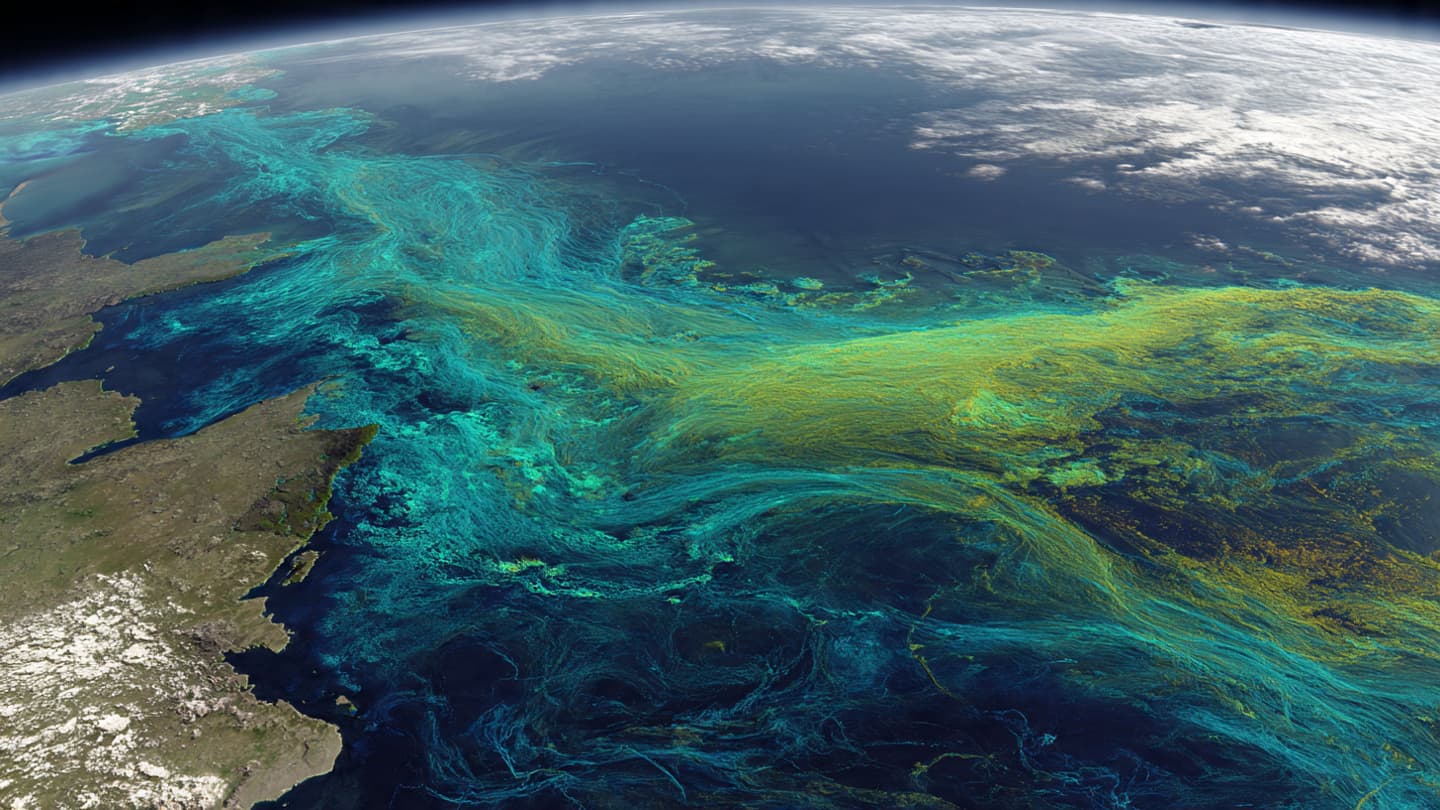
NASA researchers are developing AI tools that could improve detection and monitoring of harmful algae blooms worldwide.
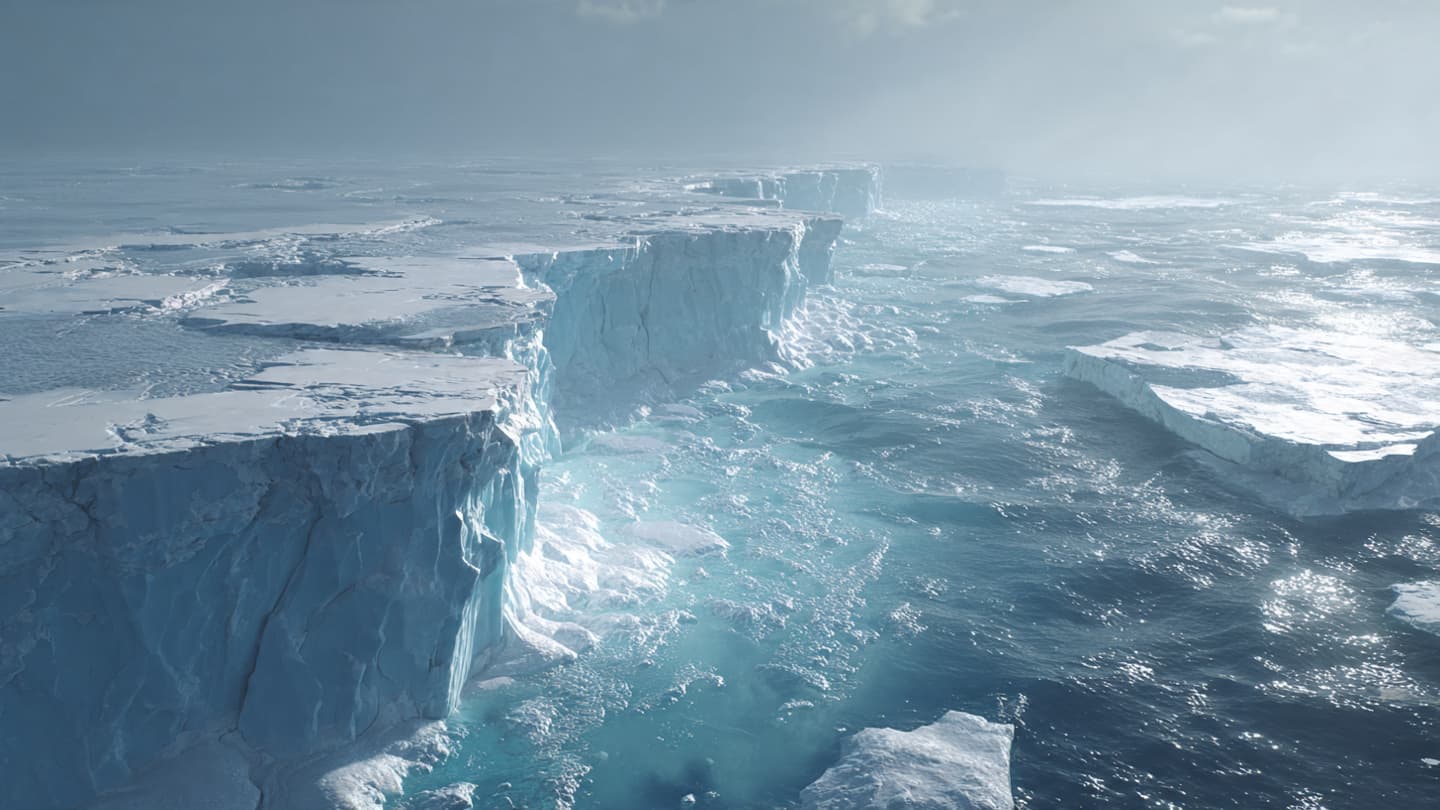
Scientists found Antarctic meltwater is altering ocean conditions in ways that may accelerate further ice shelf melting.
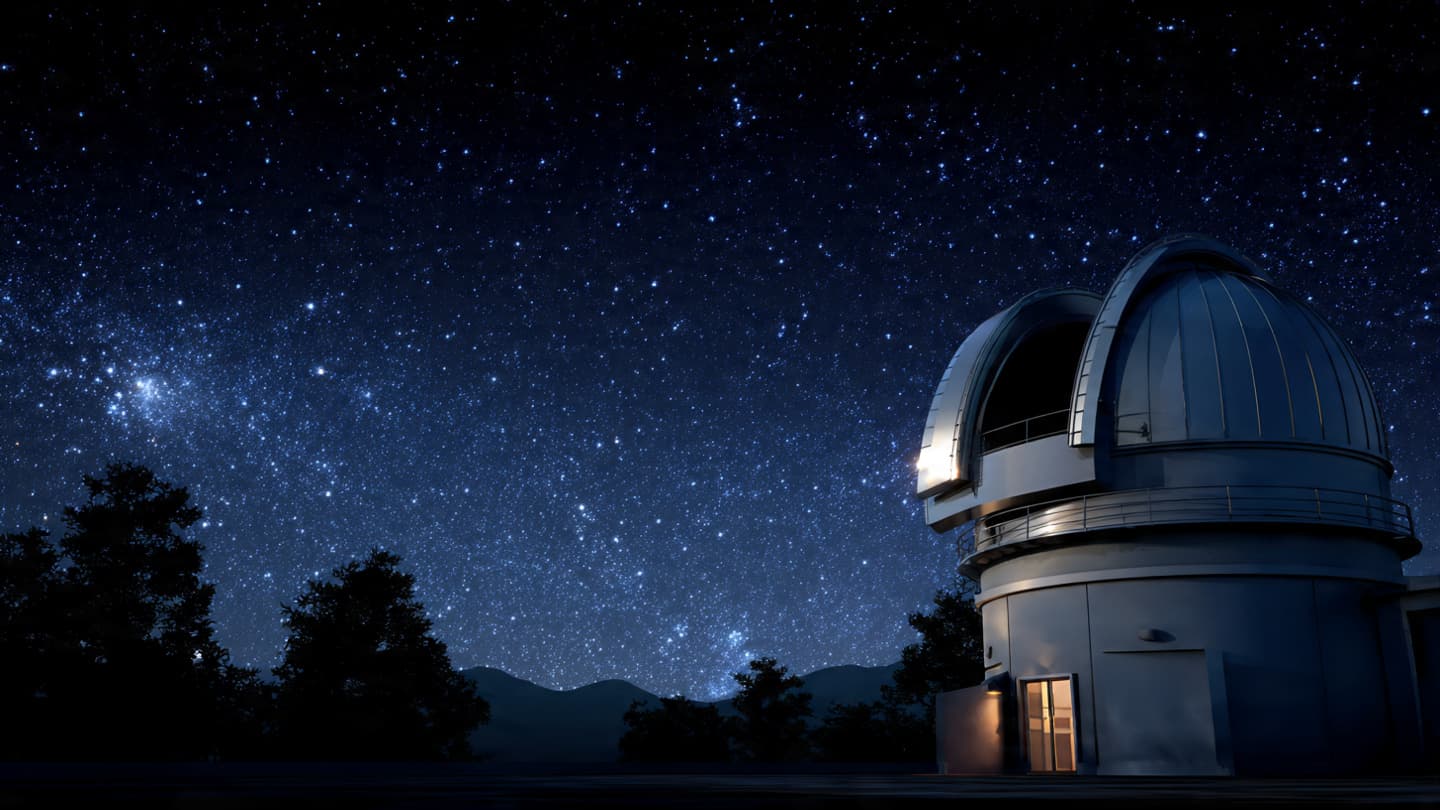
A legendary telescope has resumed operations after major upgrades, returning to research on black holes, asteroids, and cosmic chemistry.
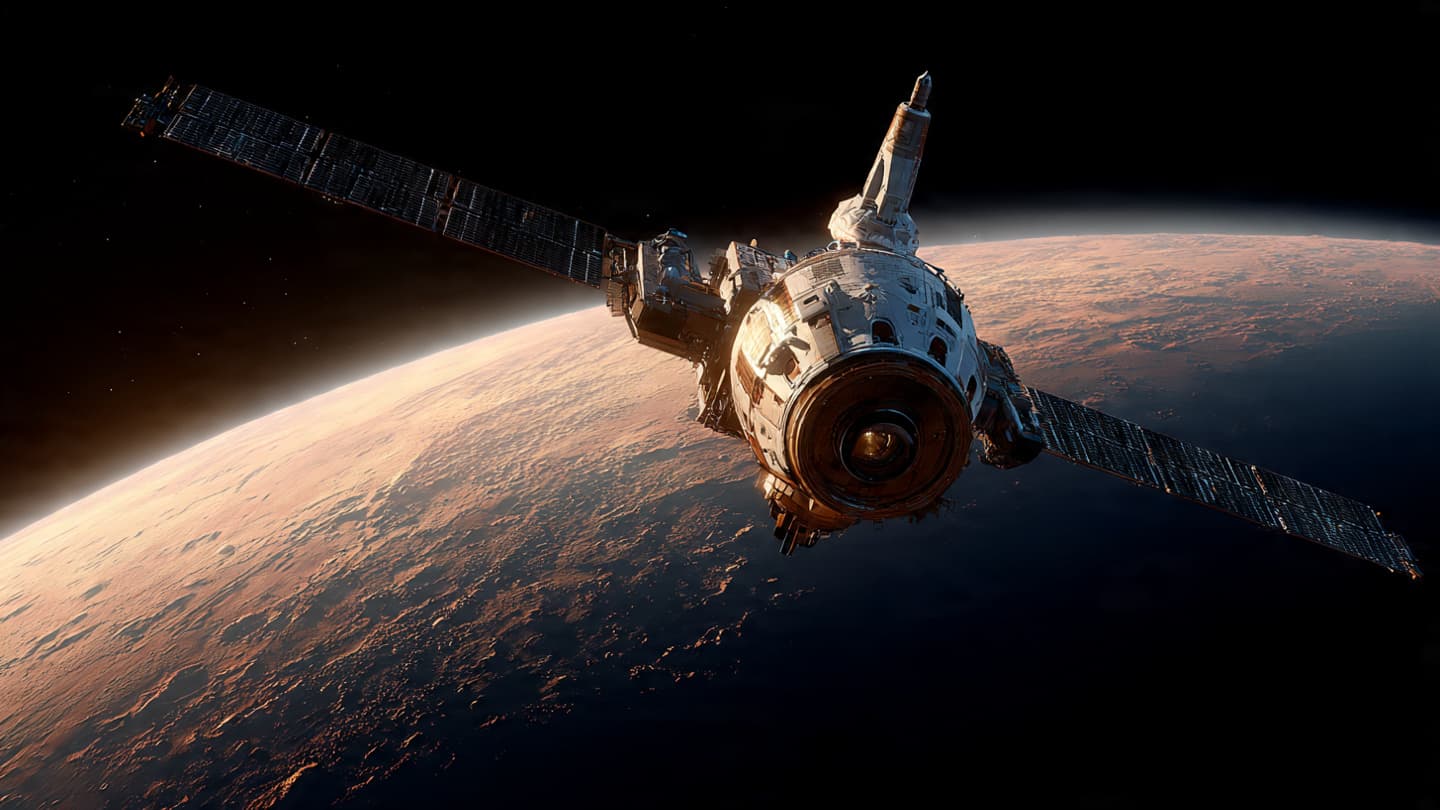
NASA’s Psyche spacecraft captured new images of Mars while using the planet for a gravity-assist maneuver toward asteroid 16 Psyche.
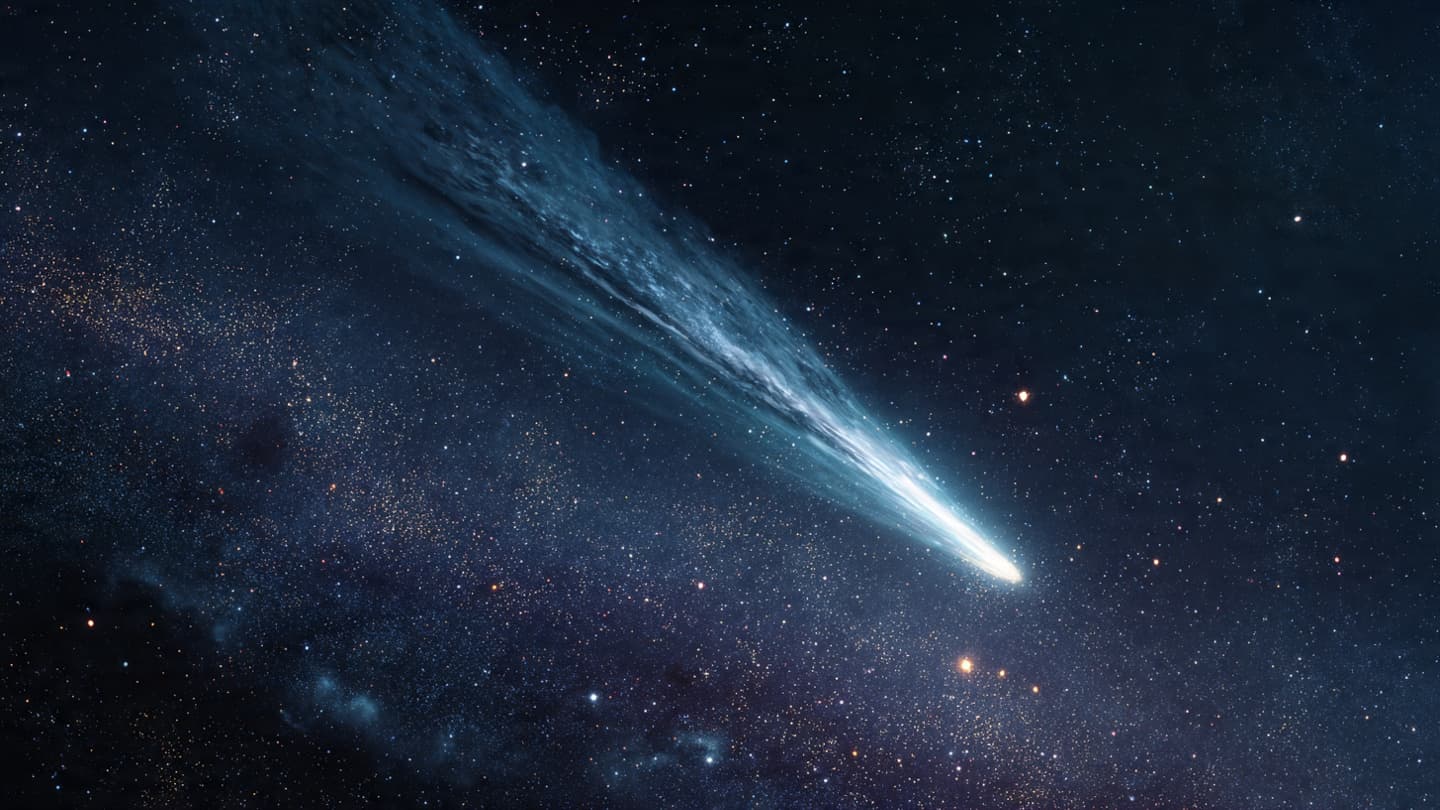
Scientists studying interstellar comet 3I/ATLAS have discovered unusual water chemistry that may reshape understanding of distant planetary systems.
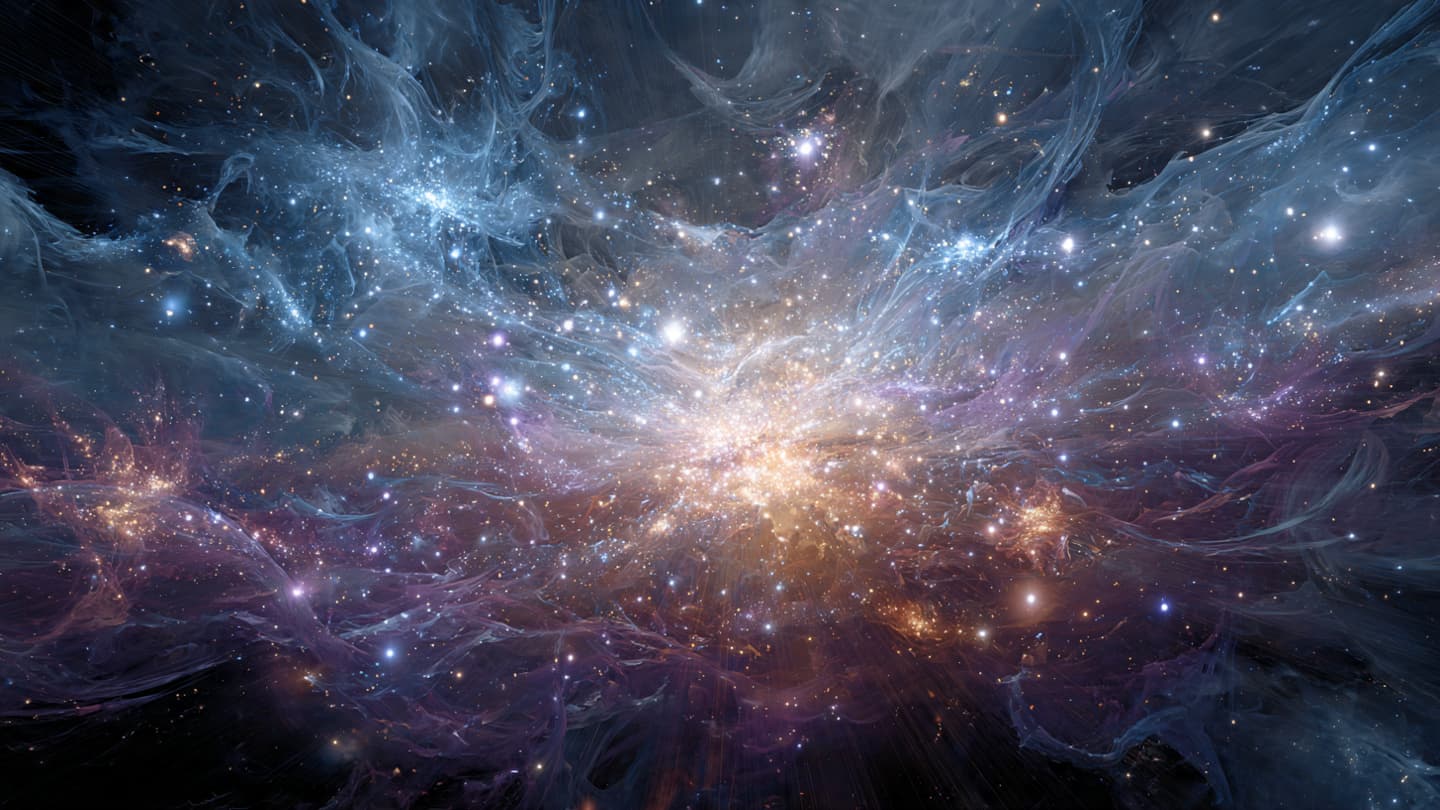
Scientists are studying unusual particle behavior that may hint at the existence of a possible fifth fundamental force in nature.
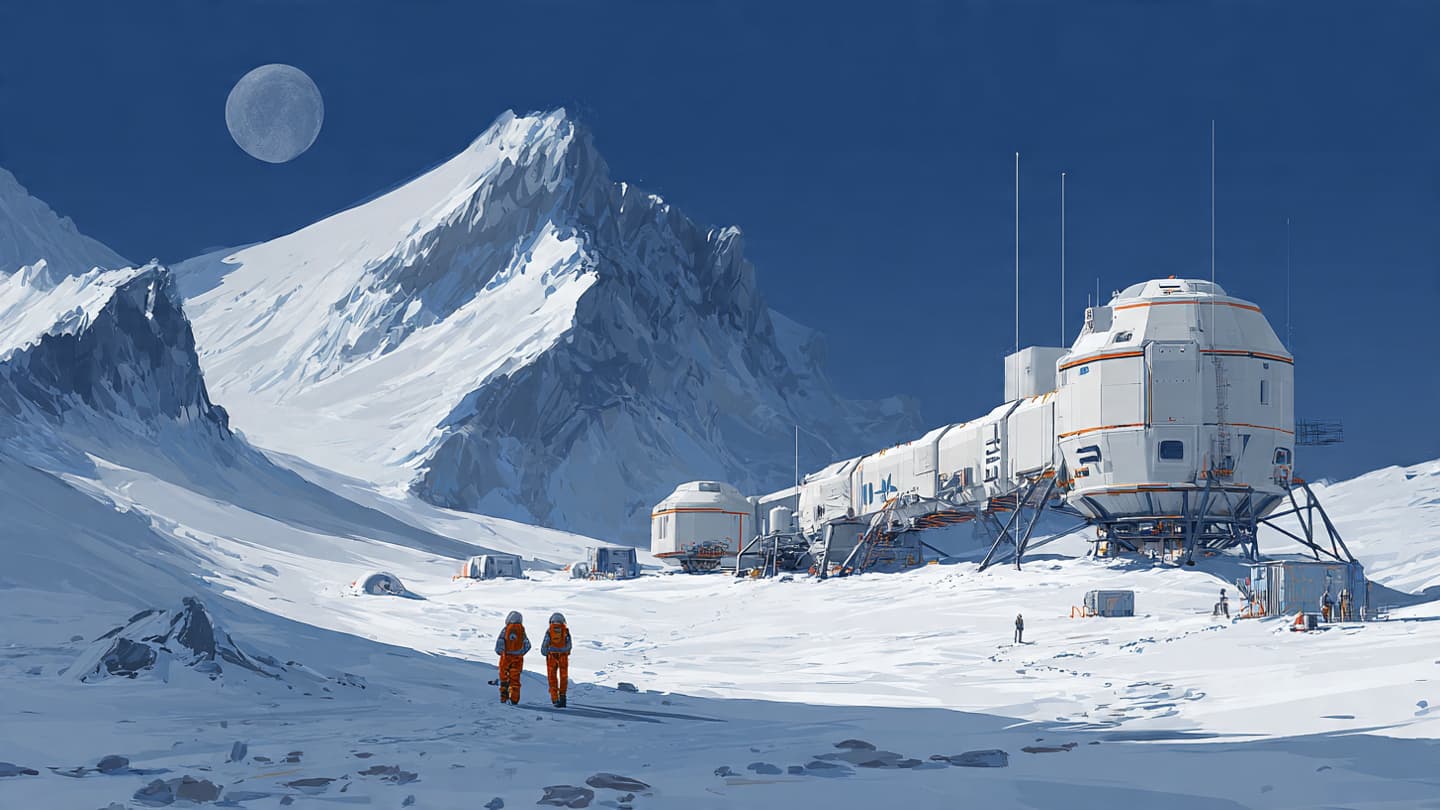
NASA is developing plans for a permanent lunar research base near the Moon’s south pole as part of future Artemis missions.
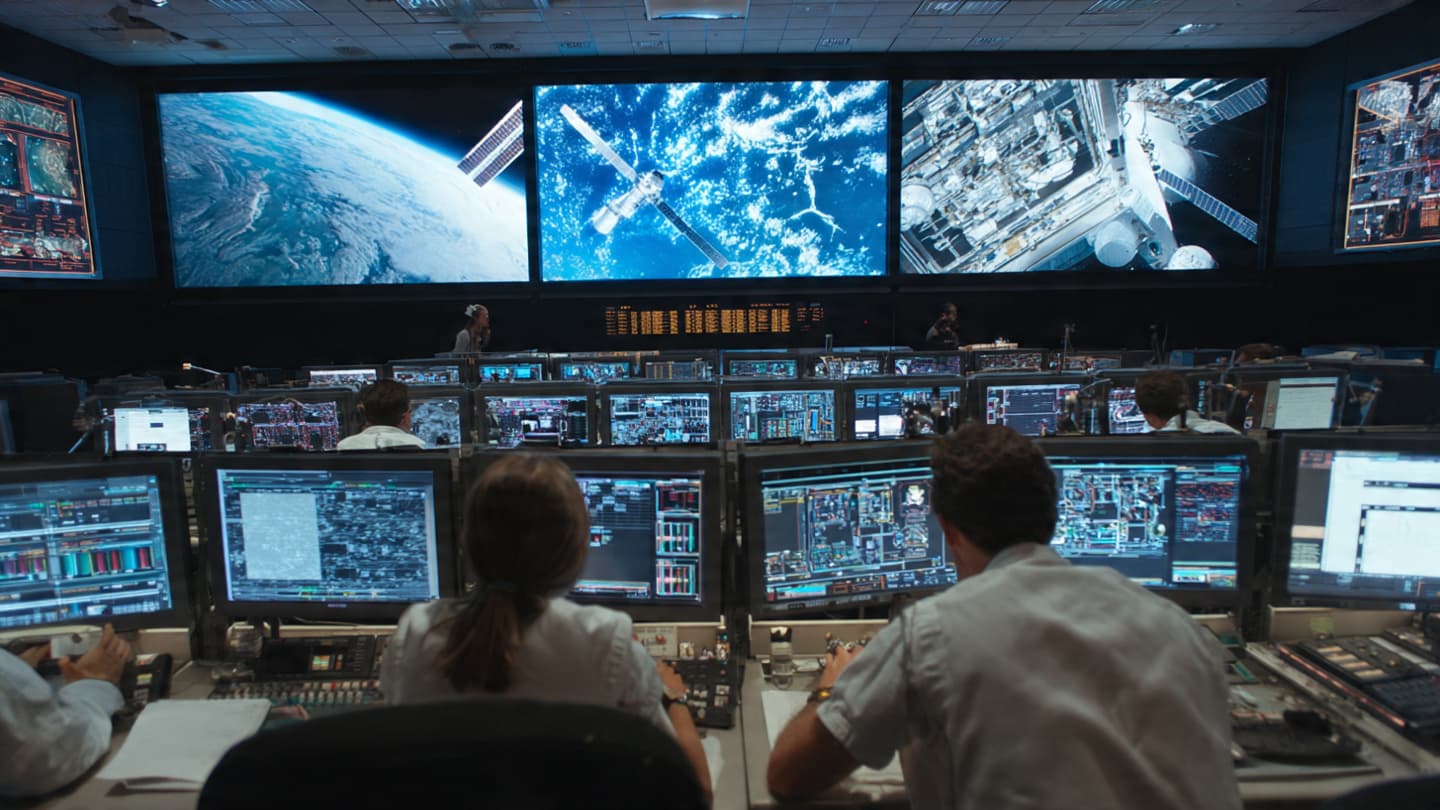
Scientists warn proposed NASA budget cuts could threaten major space and climate research programs.
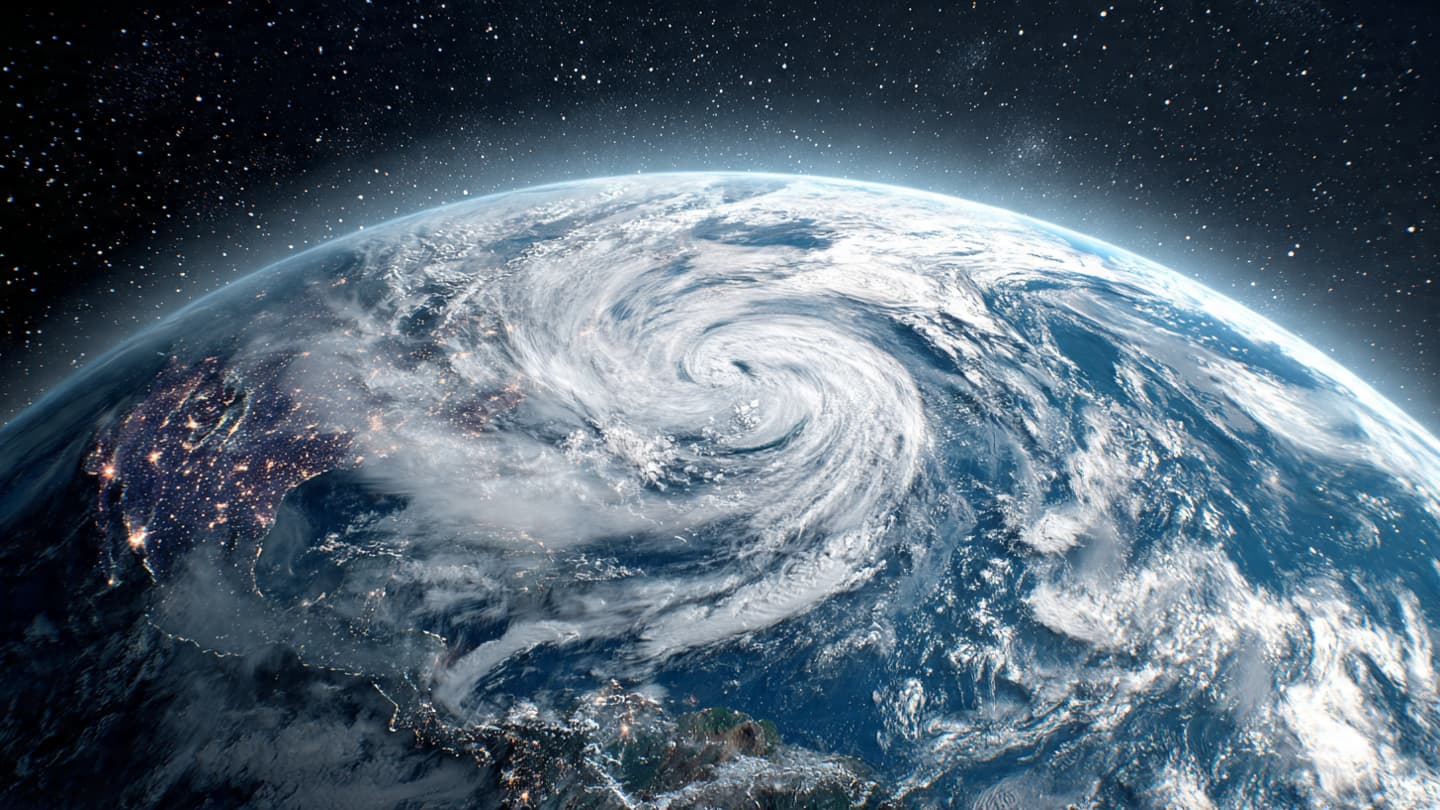
Climate researchers warn that Earth’s warming trend continues accelerating, with rising temperatures affecting weather, oceans, and ecosystems worldwide.
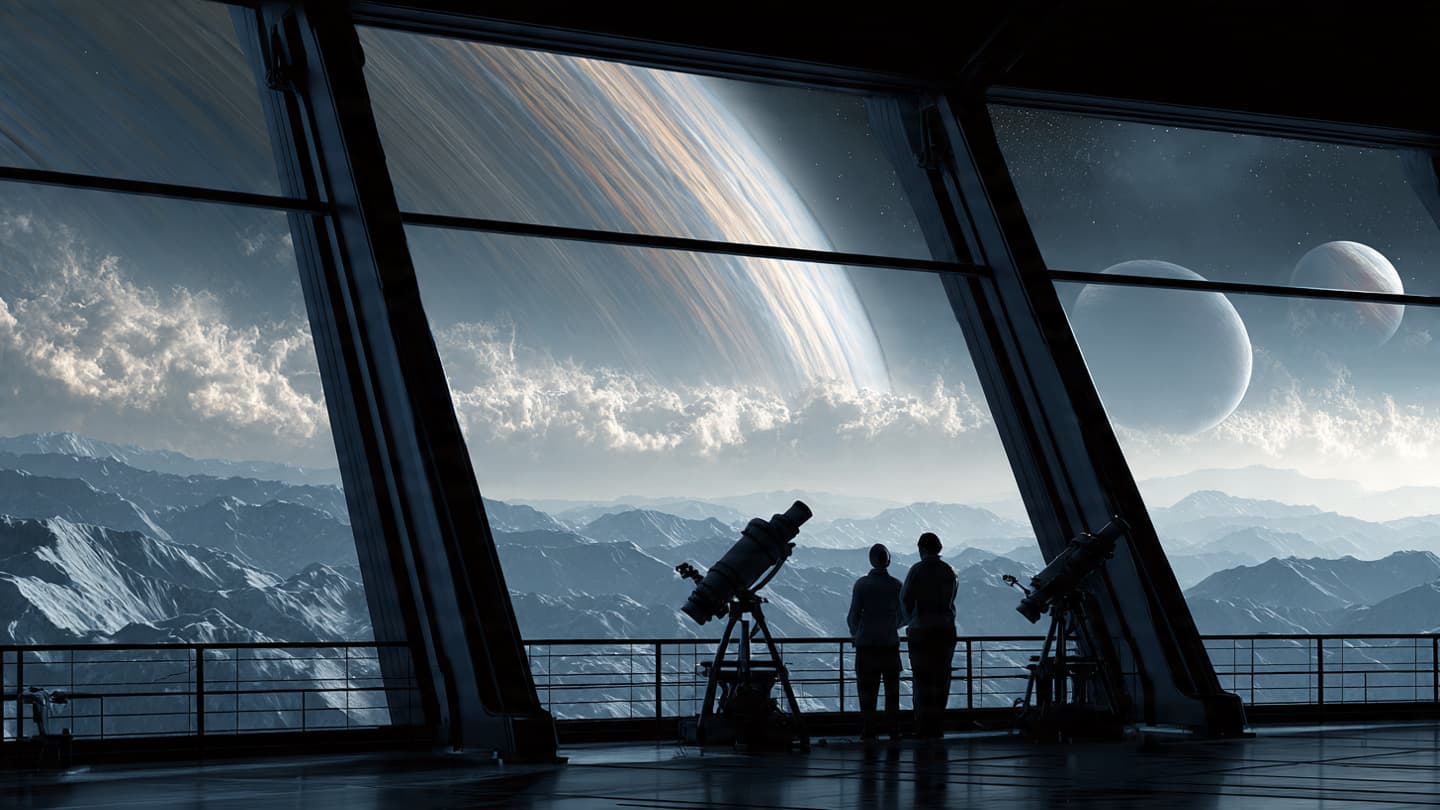
Scientists are debating how humanity should responsibly announce and communicate any future discovery of extraterrestrial life.

NASA is developing AI-powered space computer chips designed to help future spacecraft operate more autonomously in deep space.

Quantum computing is entering a critical phase as researchers attempt to prove practical real-world applications for the technology.
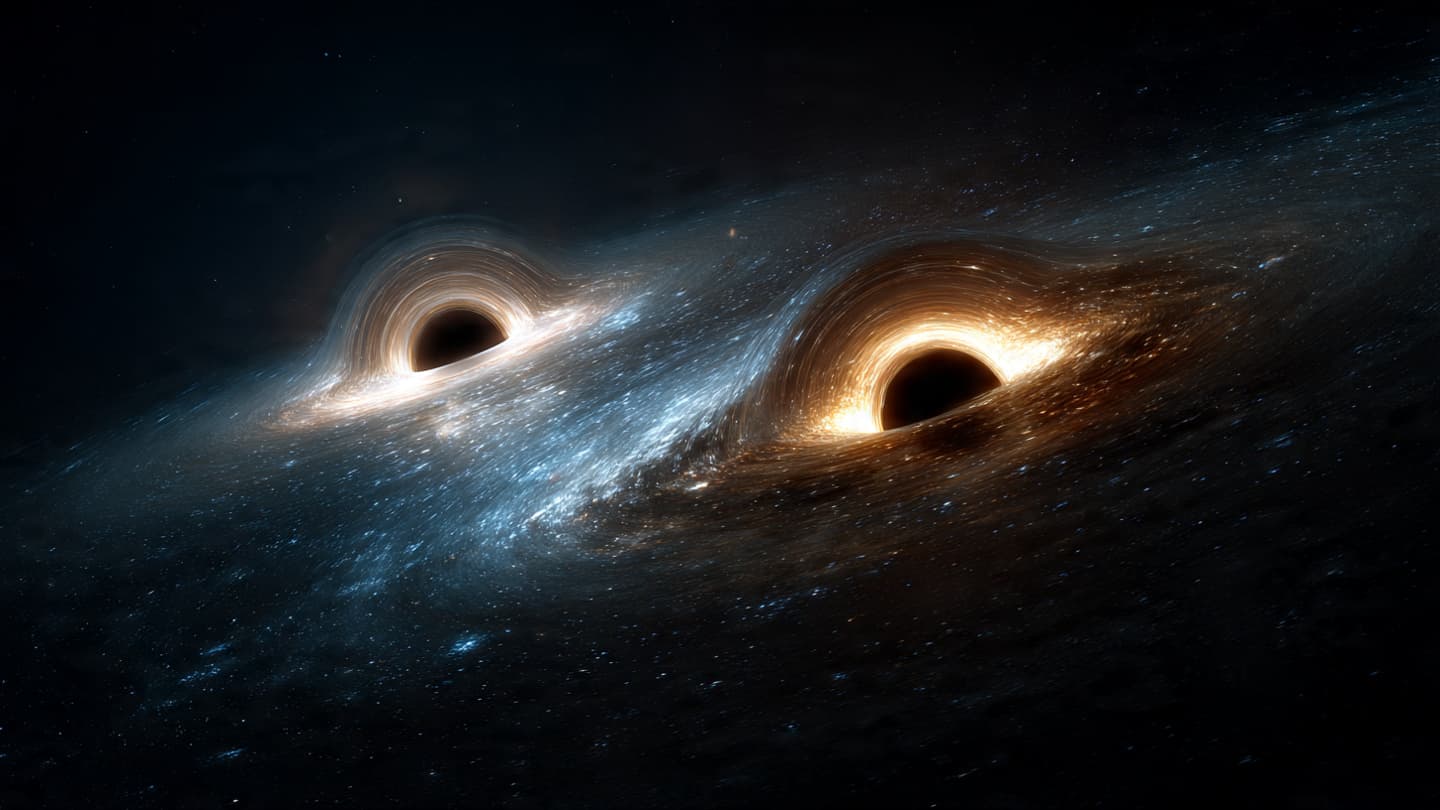
Astronomers may have discovered the largest black hole pair ever detected, offering new insight into galaxy evolution and gravity.
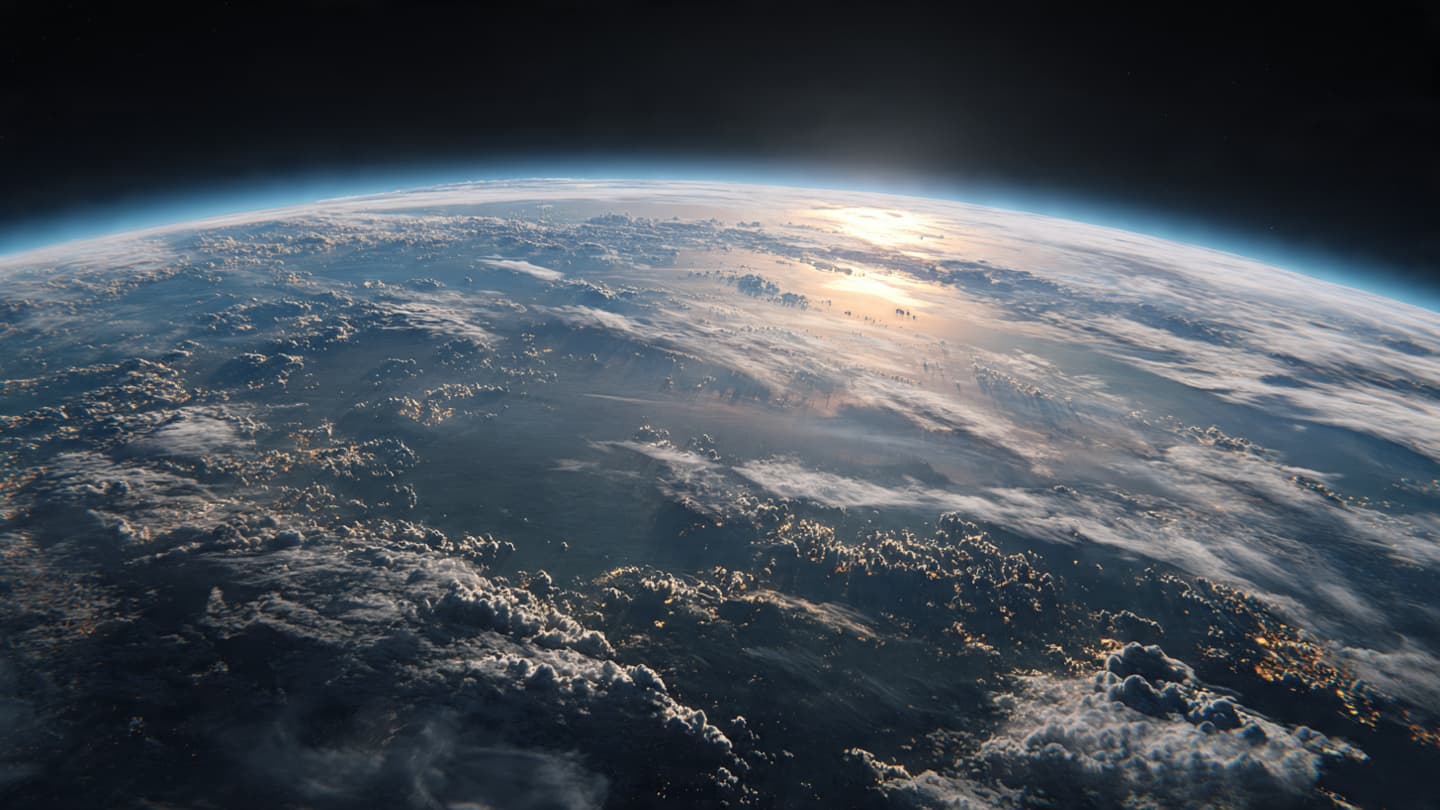
Scientists report atmospheric CO₂ levels reached another historic high, reinforcing global concerns about climate change and long-term warming trends.
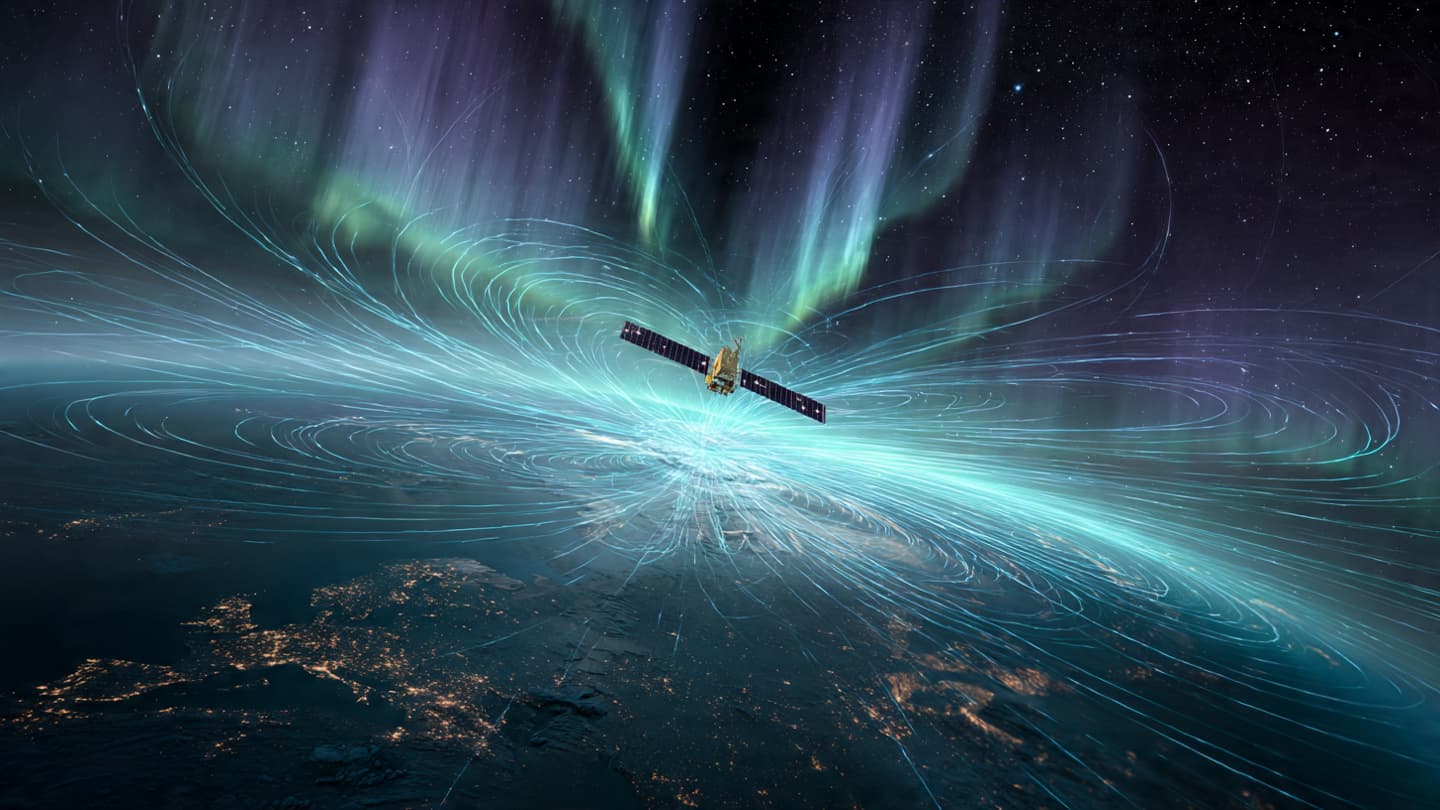
A European-Chinese satellite launched on Vega-C will study Earth’s magnetic shield, helping scientists better understand space weather and solar activity.
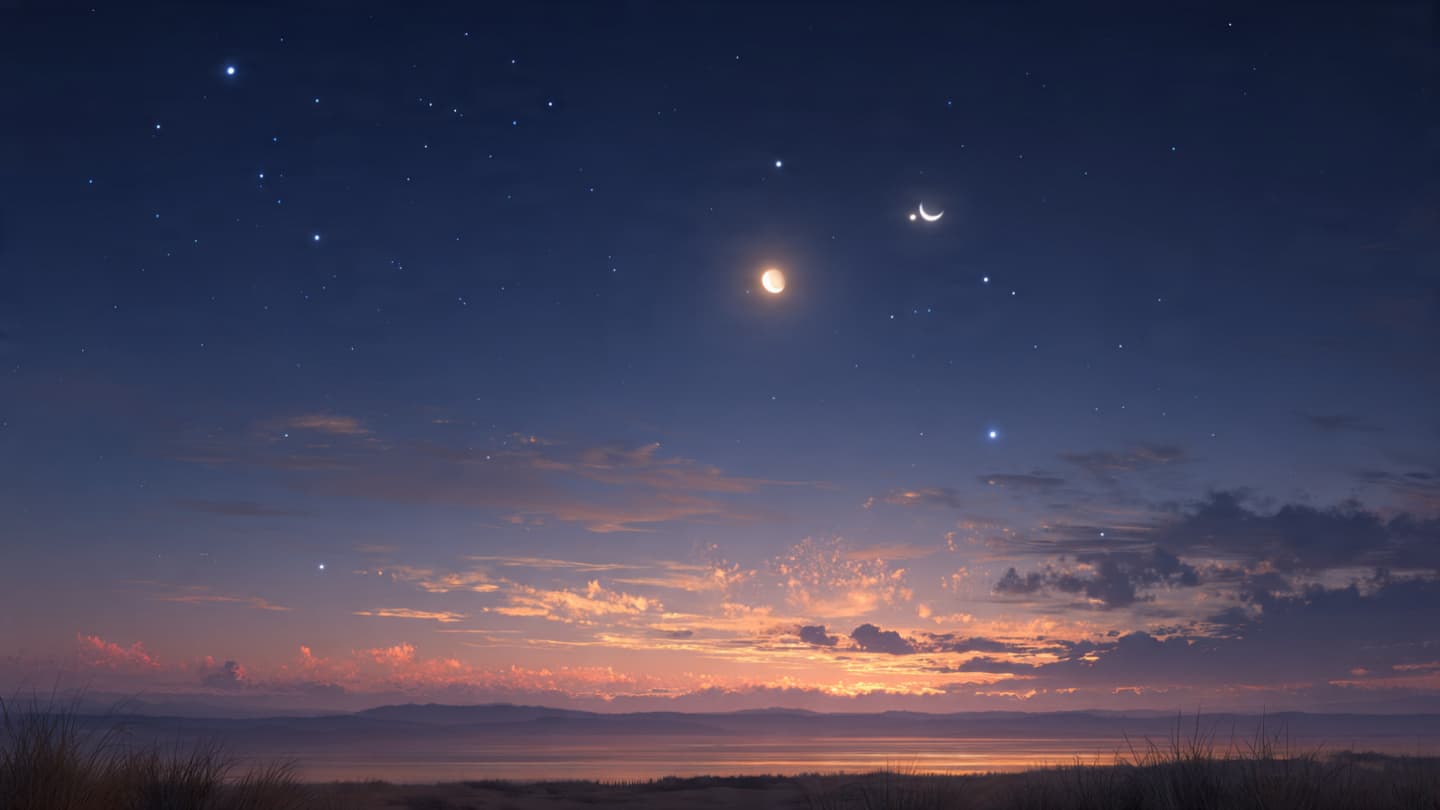
The Moon appears beside Jupiter, Venus, and Mercury tonight in a striking planetary alignment visible after sunset.
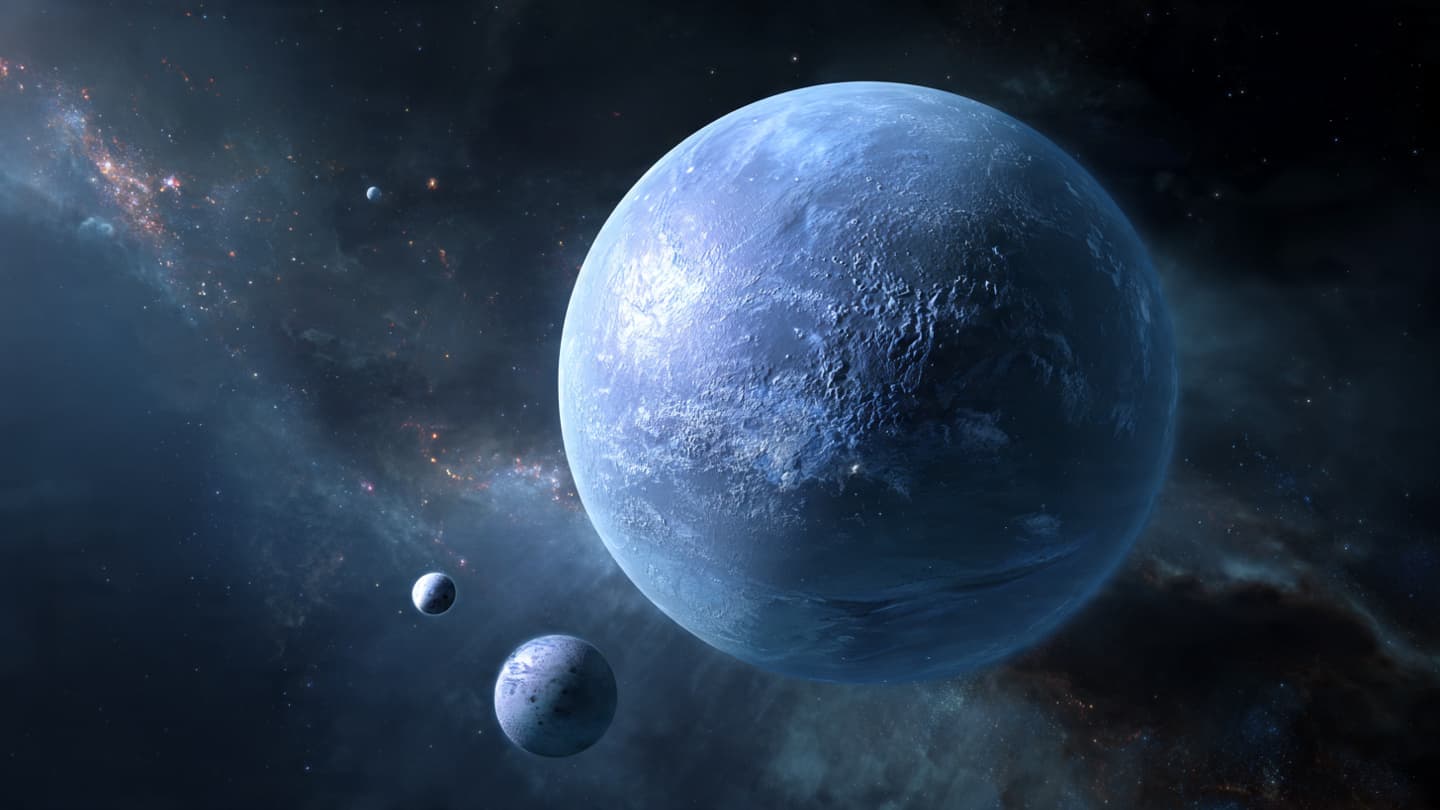
Scientists believe Neptune’s moon Nereid may have survived the chaotic gravitational disruption caused by Triton’s capture billions of years ago.
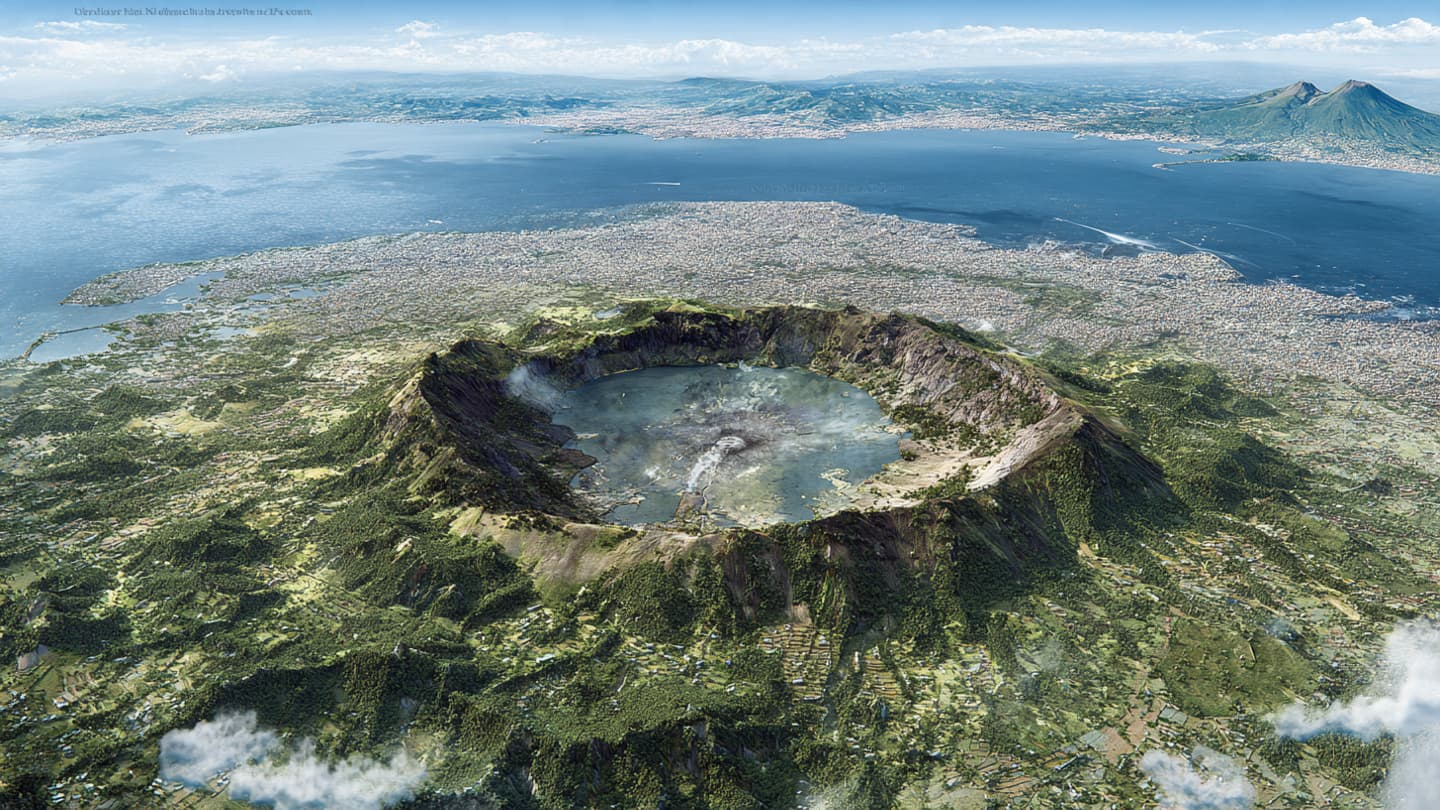
Scientists are closely monitoring Campi Flegrei after increased seismic activity and ground uplift signaled possible underground changes.
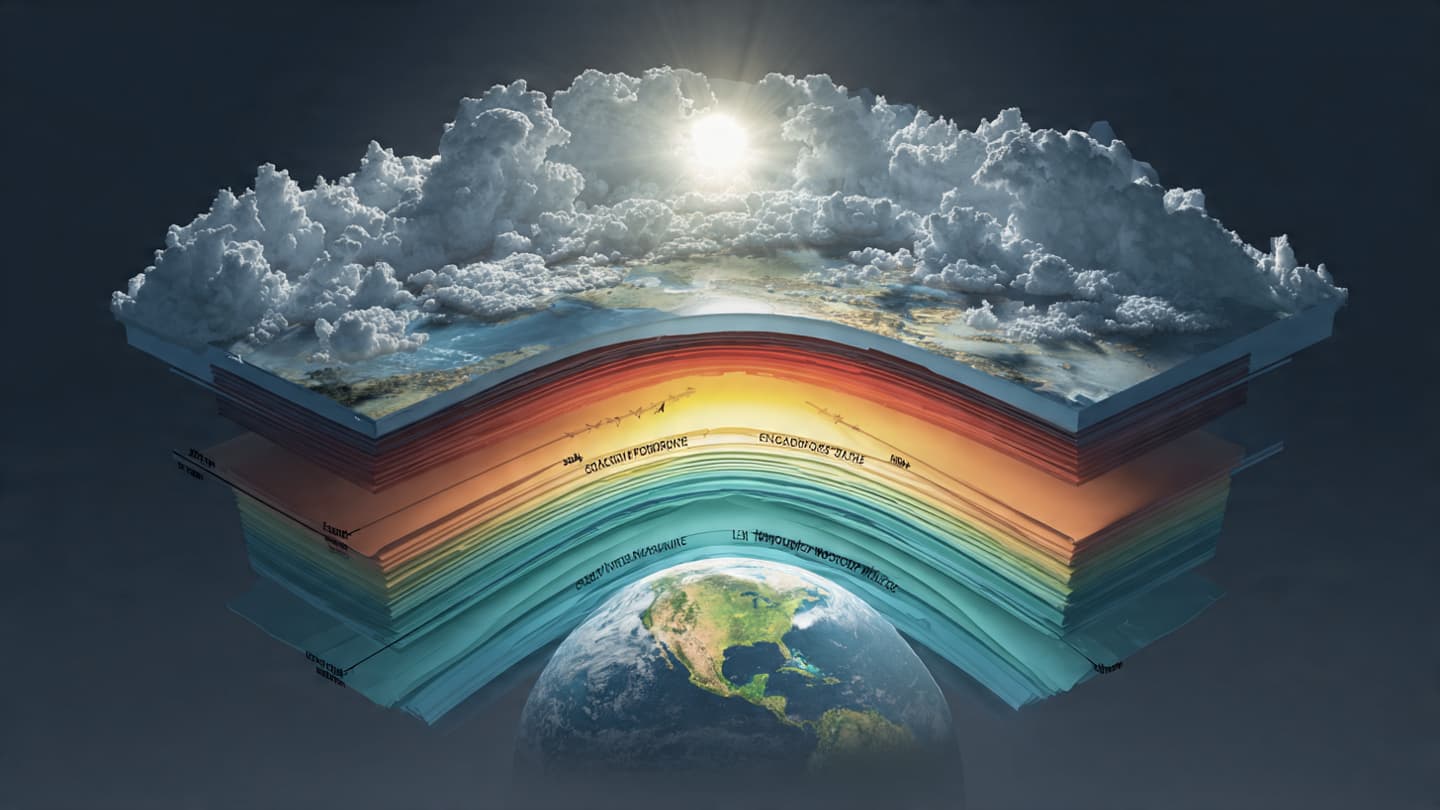
Scientists explain why greenhouse gases warm Earth’s surface while simultaneously cooling the stratosphere high above the planet.
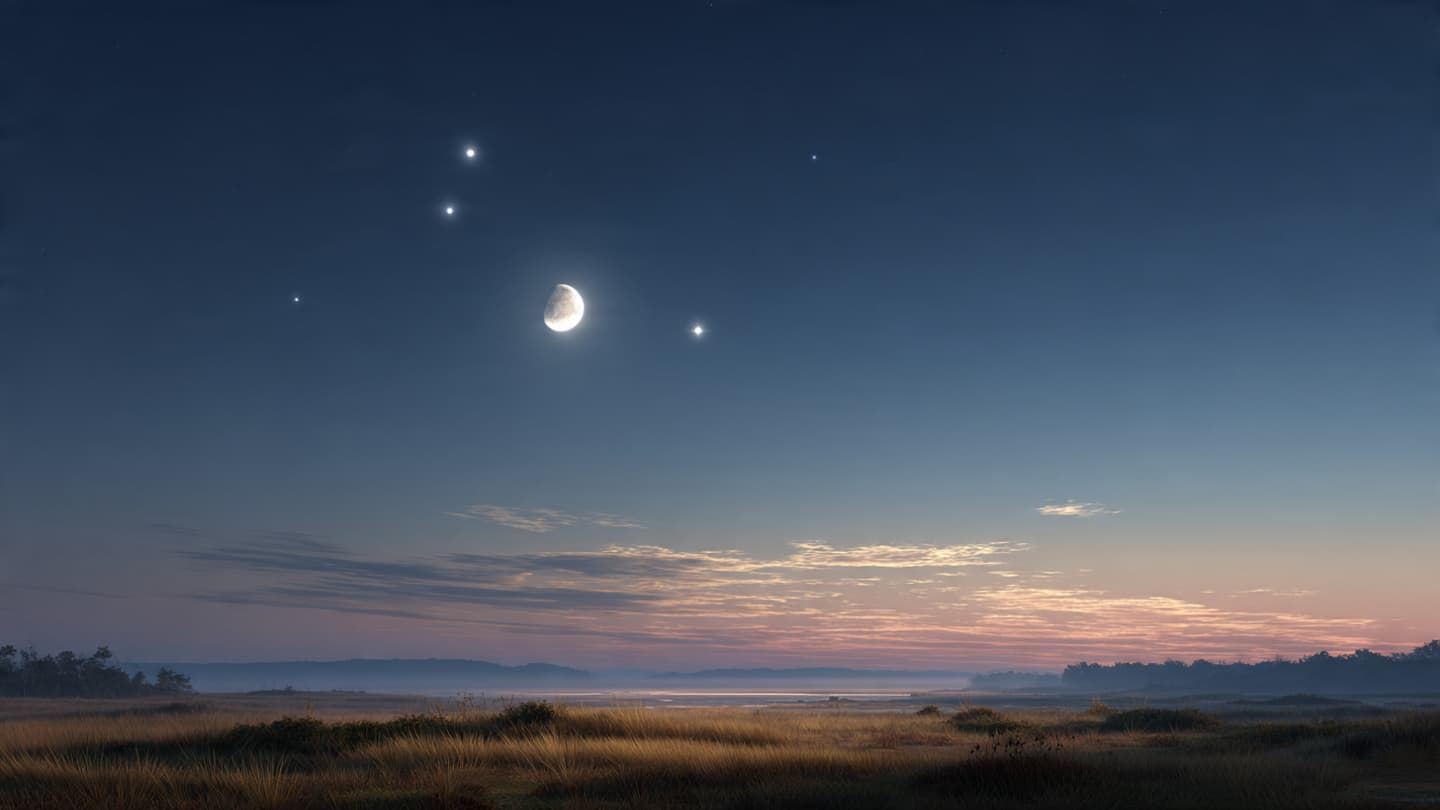
The Moon joins Jupiter, Venus, and Mercury in a striking evening alignment visible shortly after sunset in many regions.
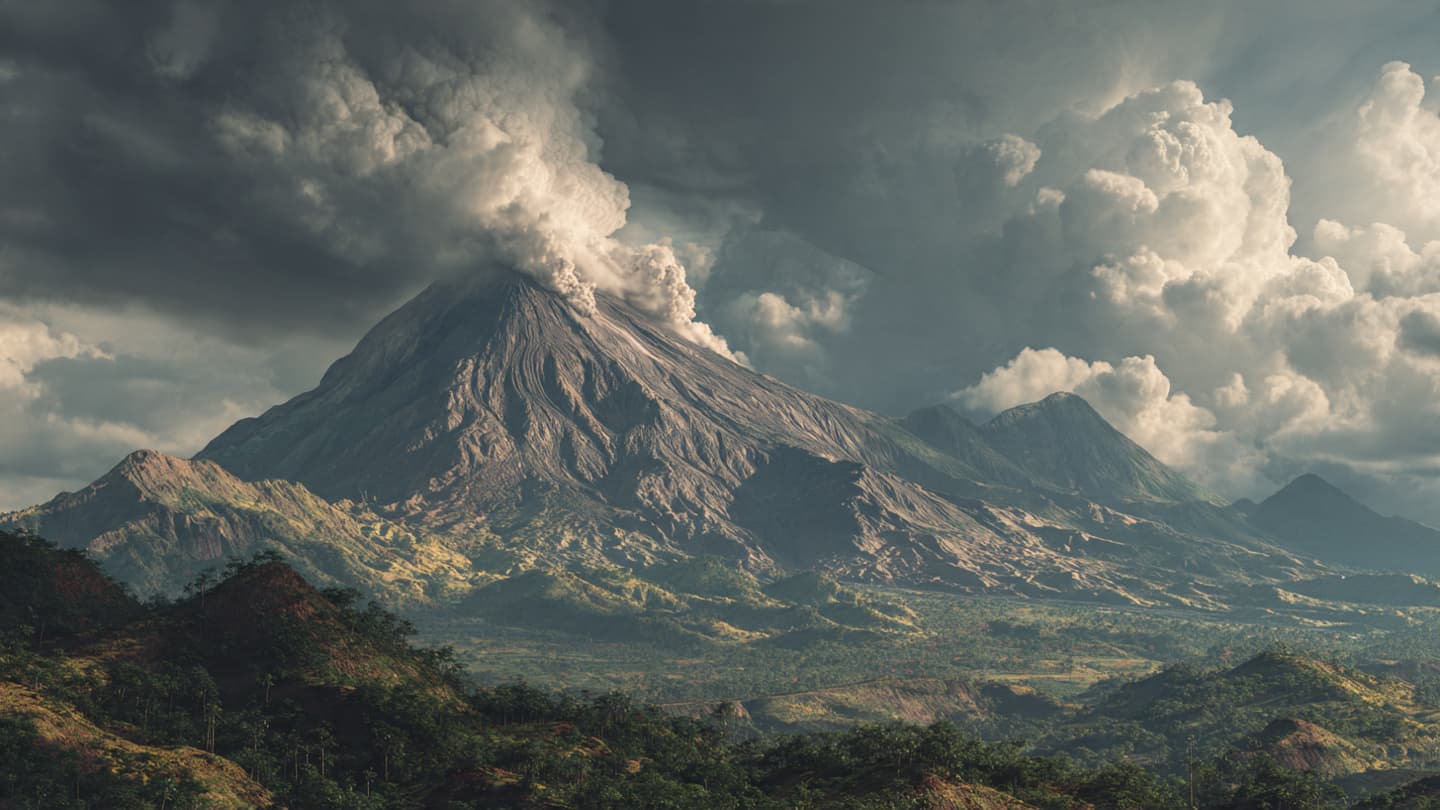
Scientists are monitoring renewed volcanic activity after a volcano dormant for 700,000 years showed signs of awakening.

Scientists analyzing Antarctic ice discovered unusual radioactive particles that may provide clues about cosmic and atmospheric events.