The world's oceans have often been described as the planet's great circulatory system, connecting continents through currents that move water, nutrients, and life itself. Yet recent scientific research suggests that these same waters may also carry another traveler: genes associated with antibiotic resistance. The discovery has encouraged researchers to look more closely at the relationship between marine ecosystems and global public health.
Antibiotic resistance occurs when bacteria develop the ability to survive treatments that once controlled them. Scientists consider the issue one of the major public health challenges of the modern era because it can reduce the effectiveness of medicines used to treat infections. Understanding how resistance genes spread has therefore become an important area of research.
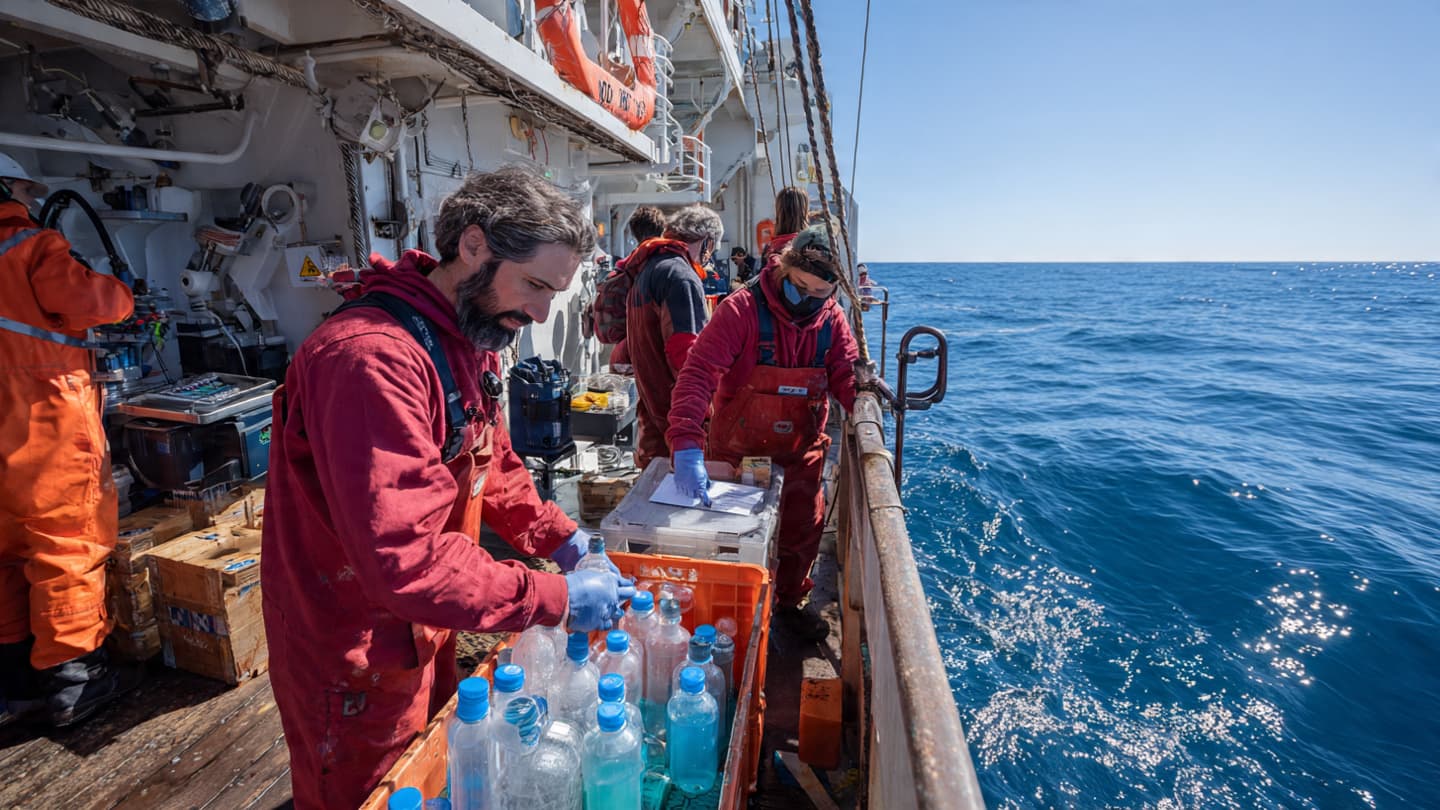
Recent international studies have identified antibiotic resistance genes in marine environments across different parts of the world. Researchers collected samples from various ocean regions and analyzed them using advanced genetic techniques. The findings suggest that these genes are present even in areas far from major population centers.
Scientists explain that the presence of resistance genes does not necessarily indicate immediate health risks in every location. Instead, the discovery provides valuable information about how bacteria and their genetic material move through natural environments. Marine ecosystems are complex, and microorganisms have exchanged genetic information for millions of years.
Human activities may influence these patterns. Wastewater discharge, agricultural runoff, and industrial processes can introduce bacteria and chemical substances into rivers and coastal waters. Researchers continue to study how these factors interact with natural microbial communities in the oceans.
Modern genetic technology has greatly improved scientists' ability to monitor environmental changes. DNA sequencing allows researchers to identify microscopic organisms and track genetic traits with remarkable precision. These tools help build a clearer picture of microbial life across the planet.
International cooperation remains essential for this type of research. Scientists from different countries regularly share data and coordinate studies to understand environmental health challenges that extend beyond national borders. Collaborative efforts improve monitoring systems and scientific knowledge.
Public health experts emphasize that responsible antibiotic use remains one of the most effective ways to slow the development of resistance. Medical guidance, environmental management, and continued scientific research all contribute to broader strategies for addressing the issue.
The discovery of antibiotic resistance genes across the world's oceans highlights the interconnected nature of Earth's ecosystems. It reminds researchers that environmental science and human health are closely linked, encouraging continued study and international cooperation.
AI Image Disclaimer: The illustration accompanying this article was generated using AI for visual representation.
Sources: Reuters, World Health Organization, Nature, Science
Published by Banx Network. This article is part of the Banx decentralized media programme, powered by the BXE token on the XRP Ledger.