The world's climate often moves to rhythms that cannot be seen but can be measured across oceans and continents. Among these natural patterns, El Niño stands out as one of the most influential. Scientists now believe that the phenomenon could contribute to some of the warmest years ever recorded in the near future.
El Niño develops when surface waters in parts of the Pacific Ocean become warmer than average. This shift affects atmospheric circulation and influences weather patterns across many regions of the world. Rainfall, droughts, storms, and temperatures can all be affected in different ways.
Meteorological organizations monitor the Pacific Ocean continuously to track the development of El Niño conditions. Recent observations suggest that the event may strengthen global warming trends already being measured, increasing the likelihood of record-breaking temperatures.
The effects of El Niño vary from country to country. Some regions may experience heavier rainfall and flooding, while others could face drought and increased wildfire risks. Agricultural production, water resources, and transportation systems can all be influenced by changing weather conditions.
Scientists emphasize that El Niño is a naturally occurring phenomenon, but its interaction with long-term climate trends remains an active area of research. Understanding these relationships helps improve weather forecasting and disaster preparedness.
Higher global temperatures can also affect ecosystems and public health. Heat waves, changing rainfall patterns, and shifts in growing seasons create challenges for communities and natural habitats alike. Governments and researchers continue to study adaptation strategies.
International cooperation plays an important role in climate monitoring. Weather agencies, research institutions, and environmental organizations share data to improve forecasts and provide early warnings for regions likely to experience significant impacts.
Experts caution that while El Niño can increase the chances of warmer conditions, local weather outcomes depend on many factors. Seasonal forecasts are updated regularly as new observations become available, allowing communities to prepare for changing conditions.
The latest projections underline the importance of understanding Earth's interconnected climate systems. El Niño is one chapter in a larger environmental story, offering scientists valuable information about how oceans and the atmosphere work together to shape the world around us.
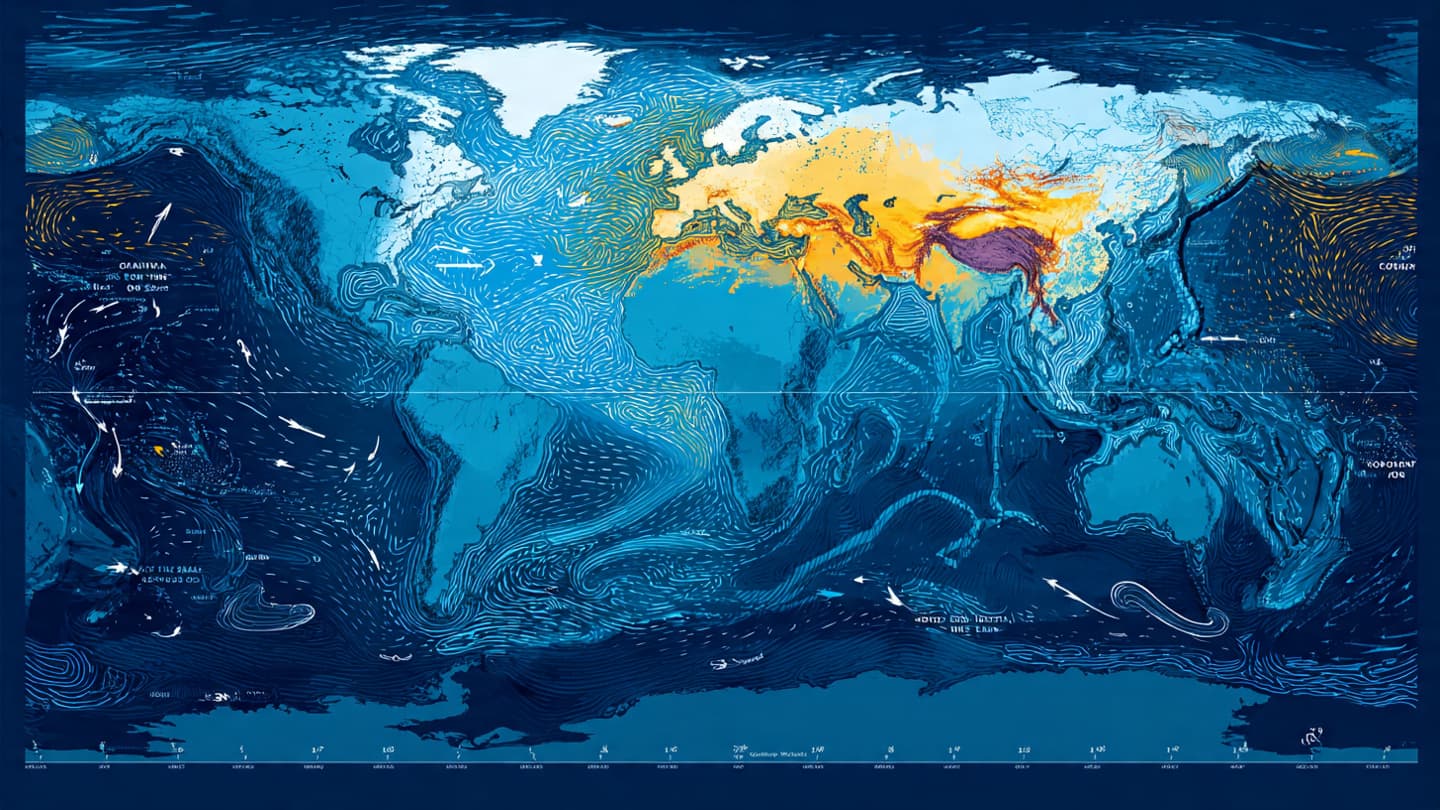
AI Image Disclaimer: This article contains an AI-generated illustration designed to support the news story visually.
Sources: World Meteorological Organization, Climate Change News, Reuters, NOAA
Published by Banx Network. This article is part of the Banx decentralized media programme, powered by the BXE token on the XRP Ledger.