The night sky often appears calm and permanent, yet much of what shines above is shaped by dramatic events that unfolded centuries or even millennia ago. Every star, cloud, and burst of radiation carries traces of a larger story. Recently, astronomers uncovered another chapter hidden near the heart of our galaxy.
Using data from NASA's Chandra X-ray Observatory, researchers identified what appears to be the wreckage of a supernova near the center of the Milky Way. The discovery was made in the Sagittarius C region, a complex environment located close to the galaxy's supermassive black hole, Sagittarius A*.
Supernova remnants are the expanding remains of stars that ended their lives in powerful explosions. These events play a crucial role in cosmic evolution because they distribute elements such as oxygen, silicon, and iron into surrounding space, contributing to the formation of future stars and planets.
Researchers believe the newly identified structure may be approximately 1,700 years old. If confirmed, it would rank among the closest known supernova remnants to the Milky Way's central black hole, offering scientists a rare opportunity to study stellar explosions in one of the galaxy's most unusual environments.
The evidence comes from X-ray observations that revealed a distinct region of energetic emission embedded within a larger cloud of gas. Additional observations from other observatories helped scientists build a clearer picture of the surrounding environment.
The galactic center remains one of astronomy's most active areas of research. Dense gas clouds, strong magnetic fields, and the presence of a supermassive black hole create conditions unlike those found elsewhere in the Milky Way. These factors make discoveries in the region especially valuable.
Astronomers caution that further analysis is needed before the object can be definitively classified as a supernova remnant. Additional observations and modeling will help determine its precise origin and characteristics.
Nevertheless, the finding highlights the power of modern X-ray astronomy. Instruments capable of detecting high-energy radiation allow researchers to investigate events that would otherwise remain hidden behind dust and gas.
Scientists expect continued observations of the galactic center to reveal additional insights into the history of the Milky Way and the forces that continue to shape its evolution.
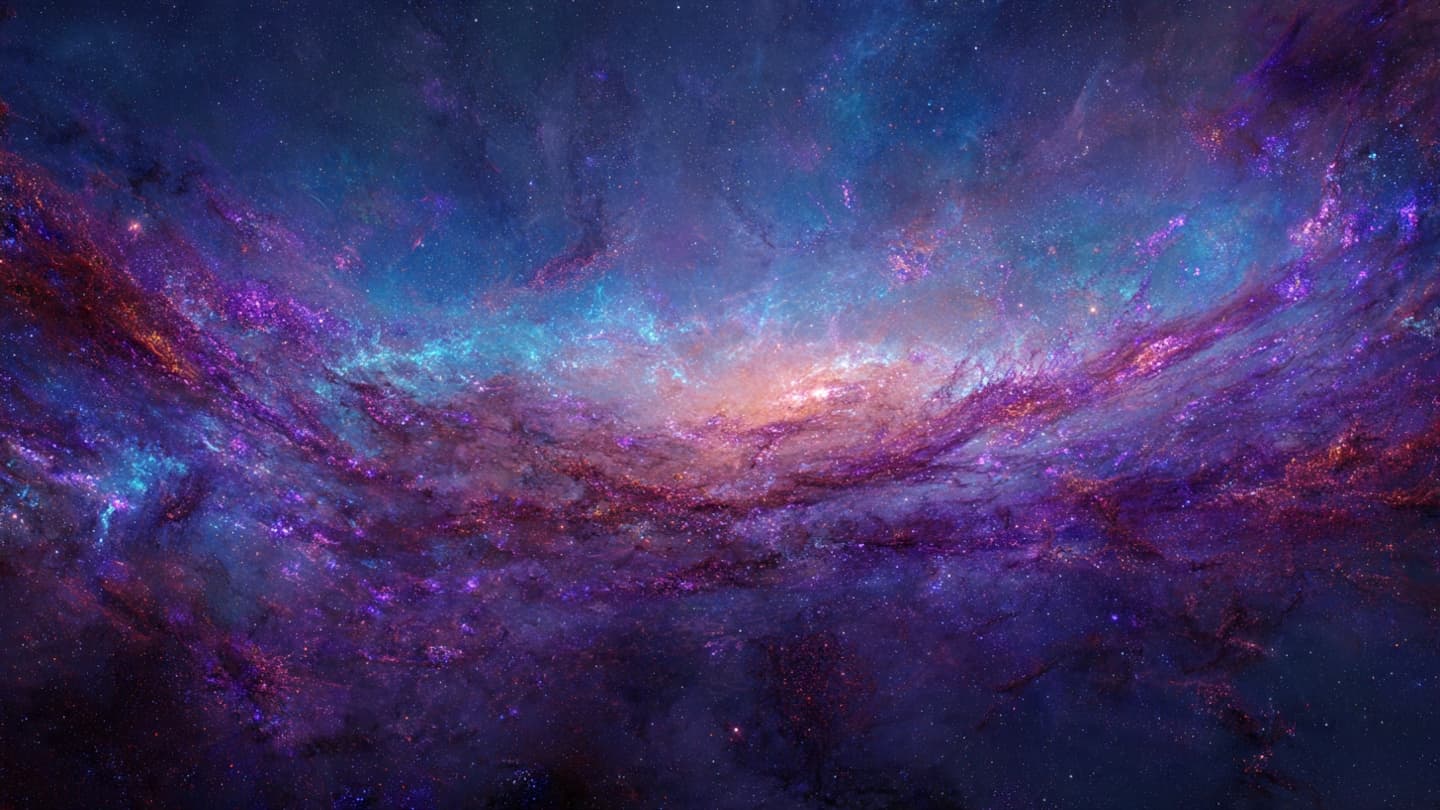
AI Image Disclaimer: The visuals used with this article are AI-generated artistic interpretations inspired by astronomical research and are not direct telescope images.
Sources:
NASA Chandra X-ray Observatory The Astrophysical Journal Space.com
Published by Banx Network. This article is part of the Banx decentralized media programme, powered by the BXE token on the XRP Ledger.