Space exploration has often been driven by a simple principle: achieving more with less. From increasingly efficient computers to lightweight spacecraft, innovation frequently emerges through the search for compact solutions to complex challenges. Researchers at MIT are now contributing to that tradition with the development of a new spacecraft engine.
The experimental propulsion system combines elements of chemical and electric propulsion while relying on a shared fuel source. Scientists believe the approach could simplify spacecraft design and improve efficiency.
Small satellites have become increasingly important in modern space exploration. Their lower costs and shorter development timelines allow researchers to conduct missions that might otherwise be difficult to pursue.
One challenge facing smaller spacecraft is propulsion. Limited space and weight restrictions can reduce the range and flexibility of traditional systems.
The MIT project aims to address these limitations by creating a propulsion architecture capable of delivering both immediate thrust and long-term efficiency. Such capabilities could prove useful for deep-space missions.
Researchers suggest the technology may eventually support small satellite journeys to destinations such as Mars. While significant testing remains necessary, the concept has generated considerable scientific interest.
Advances in propulsion technology have historically played a crucial role in expanding humanity's reach beyond Earth. Improved engines enable more ambitious missions and broader scientific exploration.
The development also reflects a growing trend toward modular and adaptable spacecraft systems. Future missions may benefit from designs that maximize performance while minimizing complexity.
Although practical deployment remains in the future, the project illustrates how engineering innovation continues to reshape possibilities in space exploration. A more efficient engine could help smaller spacecraft undertake journeys once reserved for much larger missions.
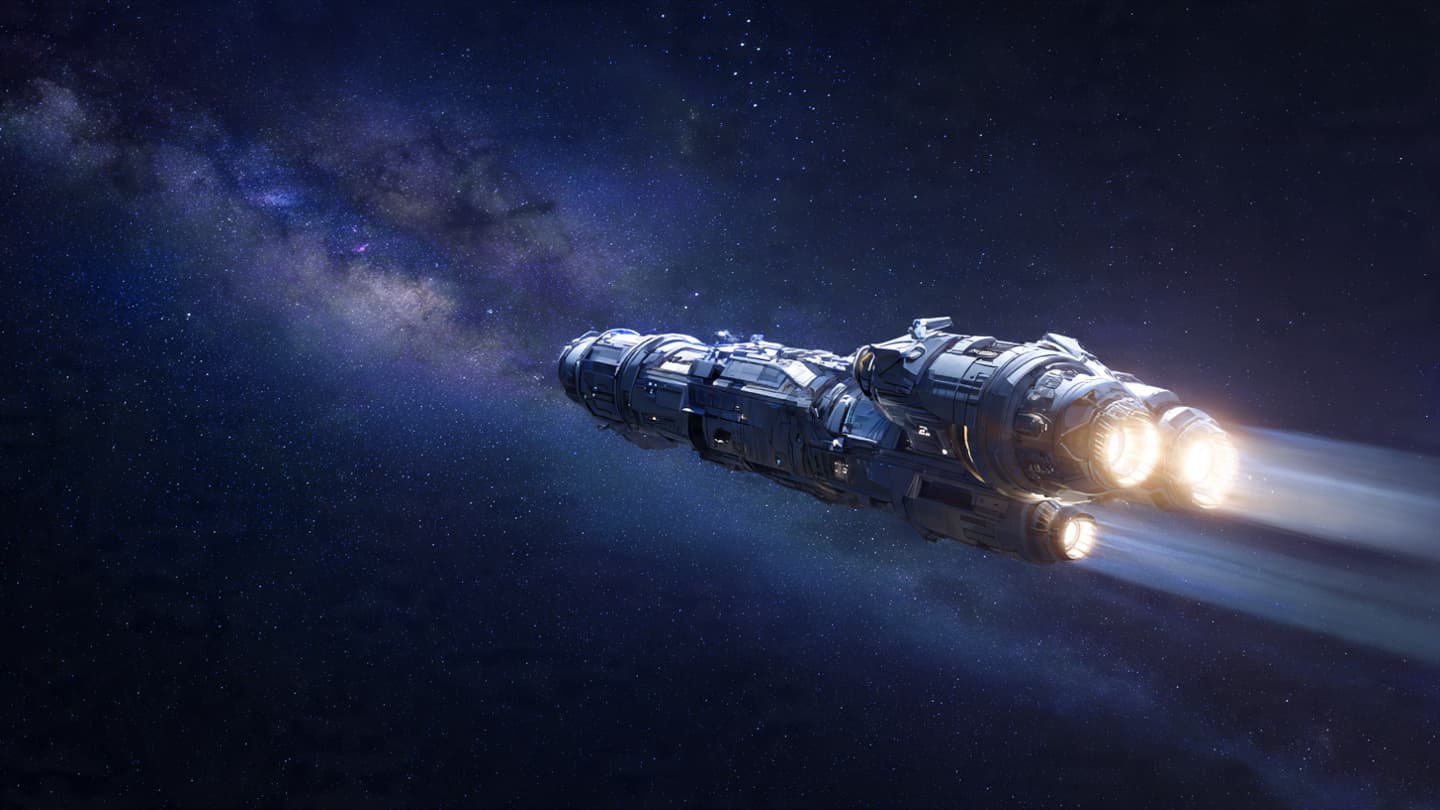
AI Image Disclaimer: This article features an AI-generated illustration created to represent emerging spacecraft propulsion technology.
Source Verification Check: MIT News, ScienceDaily, Space.com, Nature Aerospace Research, IEEE Spectrum
Published by Banx Network. This article is part of the Banx decentralized media programme, powered by the BXE token on the XRP Ledger.