Modern science produces information on a scale that earlier generations could scarcely imagine. Satellites continuously monitor Earth’s atmosphere, particle accelerators generate massive datasets, and medical research creates detailed biological records at extraordinary speed. As this flow of information expands, scientists are increasingly turning to artificial intelligence to help visualize and interpret complex data across multiple disciplines.
Researchers say AI-assisted visualization systems are becoming valuable tools for transforming large datasets into patterns that humans can more easily understand. Rather than reading endless spreadsheets or raw measurements, scientists can use interactive visual models to identify trends, relationships, and anomalies hidden within enormous quantities of information.
The technology is now being applied across fields ranging from climate science and astronomy to medicine and engineering. In climate research, AI visualization tools can map changing weather systems and environmental patterns in ways that support faster analysis. In biology, they help researchers study protein interactions and genetic activity with greater clarity.
One reason for growing interest is the increasing complexity of interdisciplinary research itself. Scientific problems today often involve overlapping areas of expertise that generate different types of data simultaneously. Artificial intelligence can assist researchers in integrating these diverse information streams into unified visual frameworks.
Experts note that visualization plays an important role not only in research, but also in communication. Complex scientific findings are often difficult for policymakers, educators, or the general public to interpret directly. Clear visual representation can therefore help bridge the gap between advanced research and broader understanding.
Artificial intelligence systems also assist by identifying patterns that human observers might overlook. Machine learning algorithms can rapidly analyze millions of variables and suggest areas deserving closer attention. Researchers stress, however, that AI functions primarily as a supporting analytical tool rather than an independent scientific authority.
Challenges remain regarding transparency and reliability. Scientists continue debating how best to ensure AI-generated visualizations accurately represent underlying data without introducing misleading interpretations. Verification and peer review therefore remain essential parts of the research process.
Technology companies and universities have expanded investment in AI visualization platforms over recent years. Some projects focus on scientific discovery, while others aim to support healthcare diagnostics, urban planning, or environmental monitoring. The field has become increasingly important as global research institutions generate ever-larger datasets.
For many scientists, the rise of AI-assisted visualization reflects a broader shift in how knowledge itself is explored. As data grows too vast for traditional analysis alone, artificial intelligence may increasingly help researchers not only calculate information, but also see connections that shape entirely new directions of understanding.
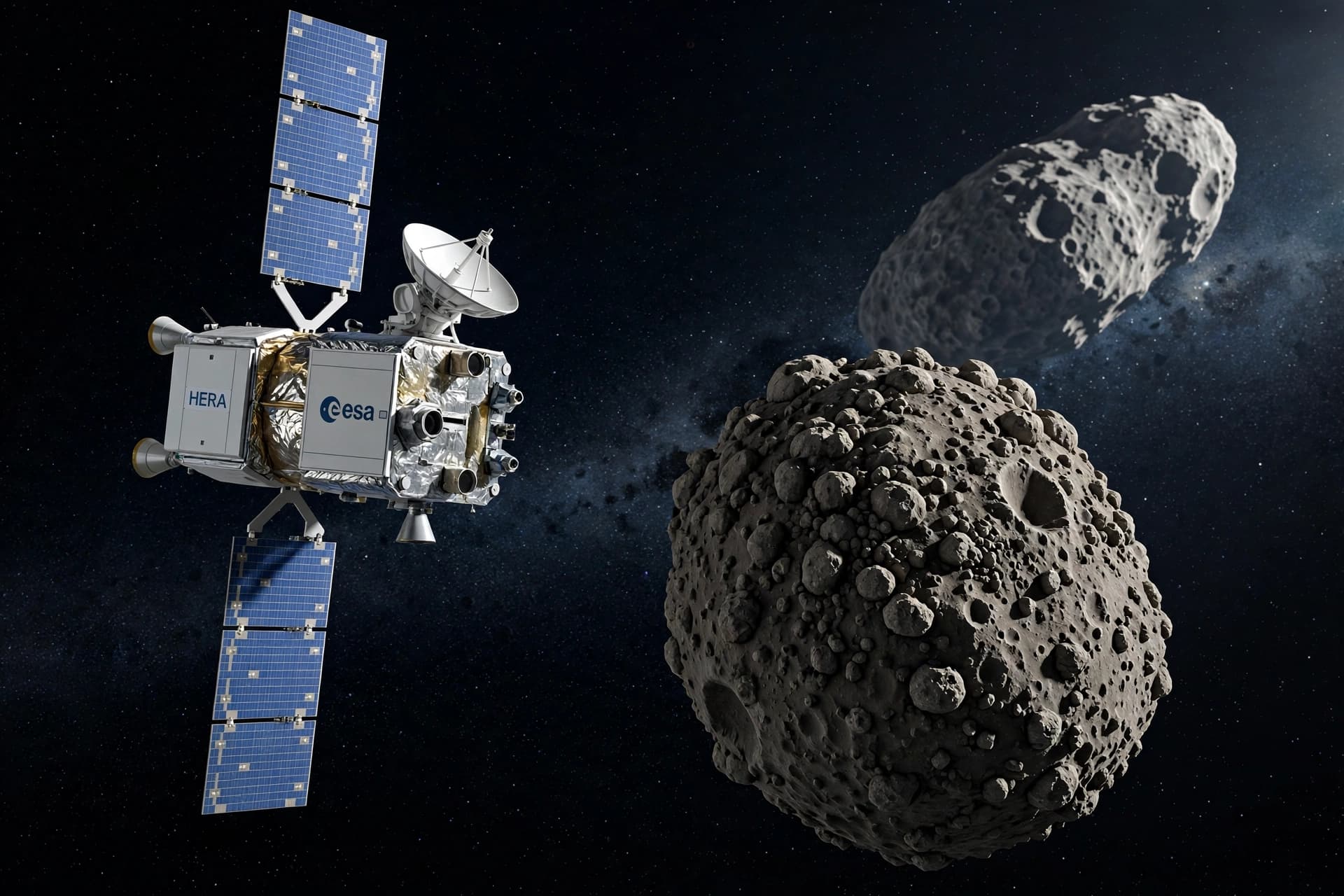
AI Image Disclaimer: Some visual materials accompanying this article were created with AI-generated illustrations for editorial support.
Sources: Nature, arXiv, Reuters, MIT Technology Review, Science Magazine
Published by Banx Network. This article is part of the Banx decentralized media programme, powered by the BXE token on the XRP Ledger.