The night sky has always invited humanity into a conversation filled with wonder and restraint. Every comet, asteroid, and distant object crossing through darkness carries questions older than modern science itself: where did it come from, and what traces of the universe might it carry? Recently, attention has turned toward and the possibility that material from beyond our solar system could offer clues connected to the origins of life.
Scientists studying interstellar objects are increasingly interested in whether such visitors may transport organic compounds across enormous cosmic distances. The idea is not entirely new. For decades, researchers have explored theories suggesting that the building blocks of life might travel between planetary systems through asteroids, meteoroids, or comet-like bodies. 3I/ATLAS has therefore become part of a much broader scientific discussion rather than a singular mystery.
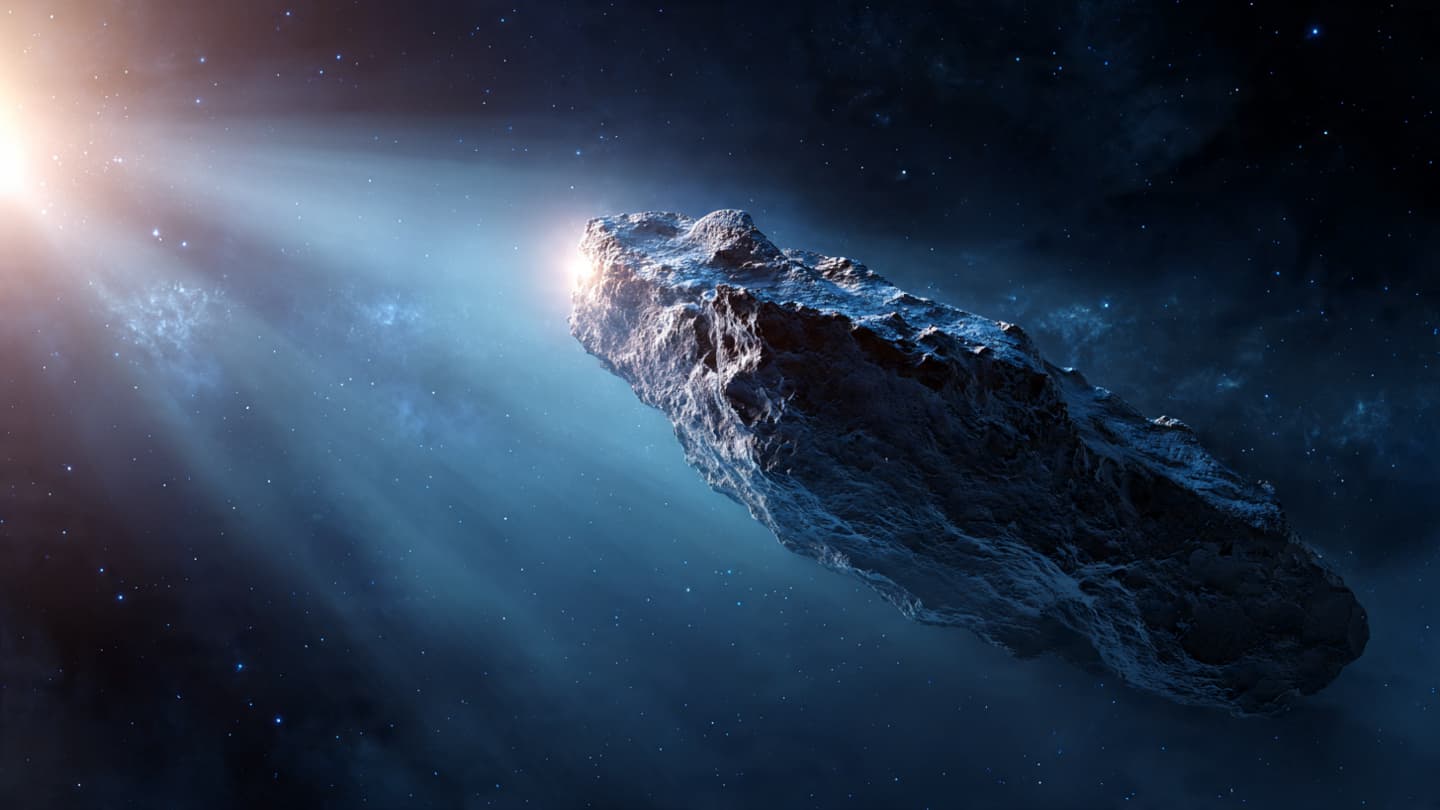
The object reportedly drew attention because of characteristics indicating it may have originated outside the solar system. If confirmed, it would join a very small group of known interstellar visitors observed moving through our cosmic neighborhood. Such objects are valuable to researchers precisely because they may preserve material formed under conditions far different from those found around our Sun.
Astrobiologists caution, however, that discussions about “extrasolar life” should not be confused with evidence of living organisms themselves. Current scientific interest focuses more narrowly on organic molecules and chemical precursors associated with life. Amino acids, carbon-rich compounds, and water-bearing minerals have all been detected previously in meteorites and comets within our own solar system, making interstellar material especially intriguing for comparative study.
Researchers using telescopes and spectroscopic analysis continue examining the object’s composition and trajectory. Advanced observatories allow scientists to analyze reflected light patterns, offering indirect clues about surface chemistry and structure. These techniques help researchers estimate whether an object contains ice, metals, carbon compounds, or other potentially significant materials.
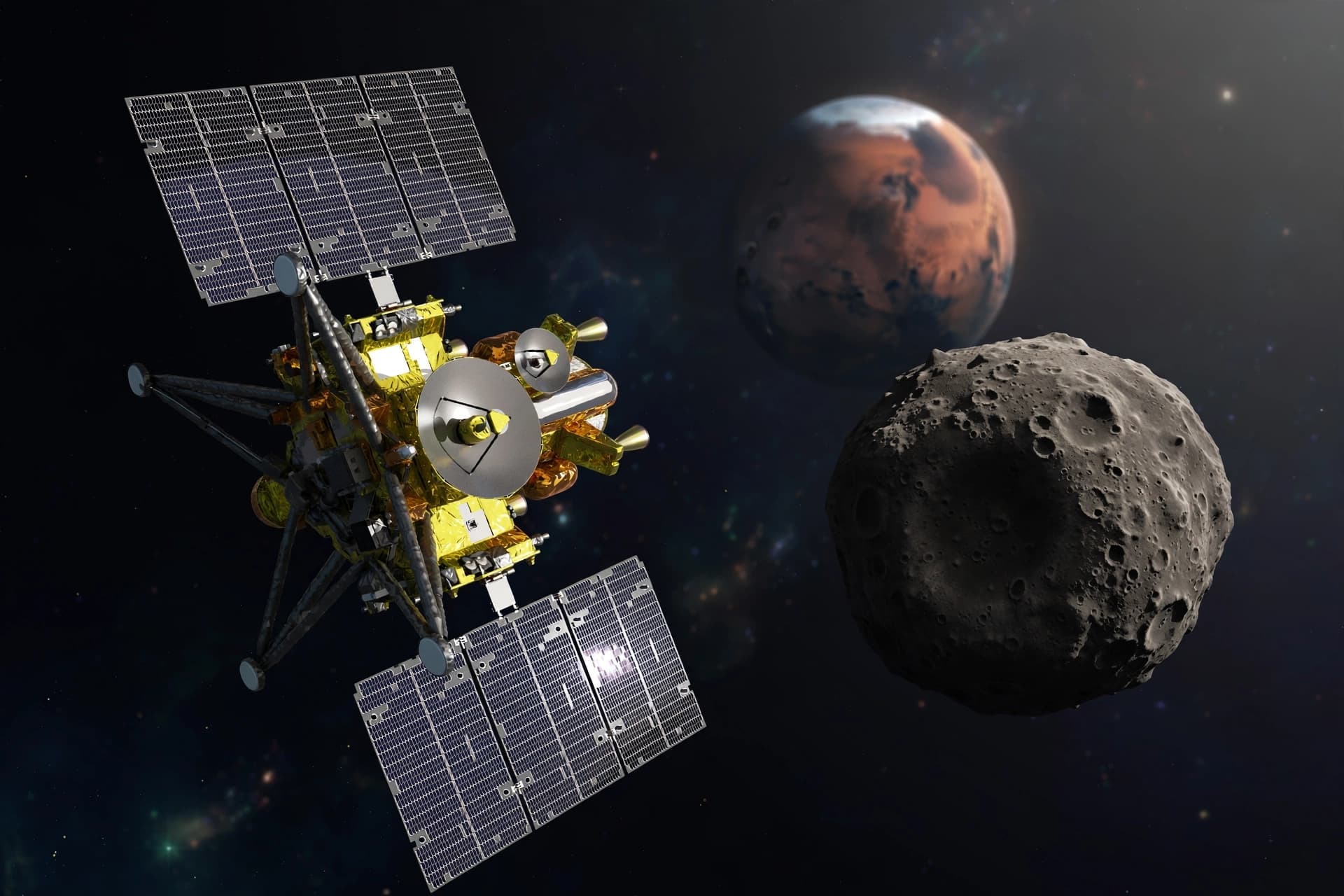
The broader scientific context also reflects humanity’s growing ability to study objects beyond Earth in unprecedented detail. Missions involving asteroid sampling and deep-space observation have expanded dramatically in recent years, driven by improvements in imaging technology and planetary science research. Each new object passing through the solar system becomes part of that expanding archive of cosmic evidence.
Public fascination with interstellar visitors often moves quickly toward speculation about extraterrestrial life. Scientists, however, continue emphasizing caution and methodological rigor. The presence of organic material alone does not confirm biology, much less intelligent life. Instead, discoveries like 3I/ATLAS are viewed as opportunities to better understand how chemical ingredients necessary for life may circulate across the galaxy.
As observations continue, 3I/ATLAS remains less a definitive answer than an invitation to deeper inquiry. Whether or not it carries traces linked to life’s origins, the object reminds researchers that Earth exists within a far larger cosmic exchange—one in which fragments of distant stars and planetary systems occasionally drift quietly into humanity’s field of view.
AI Image Disclaimer: Some space-related visuals accompanying this article were generated using AI-assisted imagery for illustrative interpretation.
Sources: NASA, Scientific American, Space.com, Reuters, New Scientist
Published by Banx Network. This article is part of the Banx decentralized media programme, powered by the BXE token on the XRP Ledger.