The Moon That Marks the Season: How and When to Watch the Snow Moon
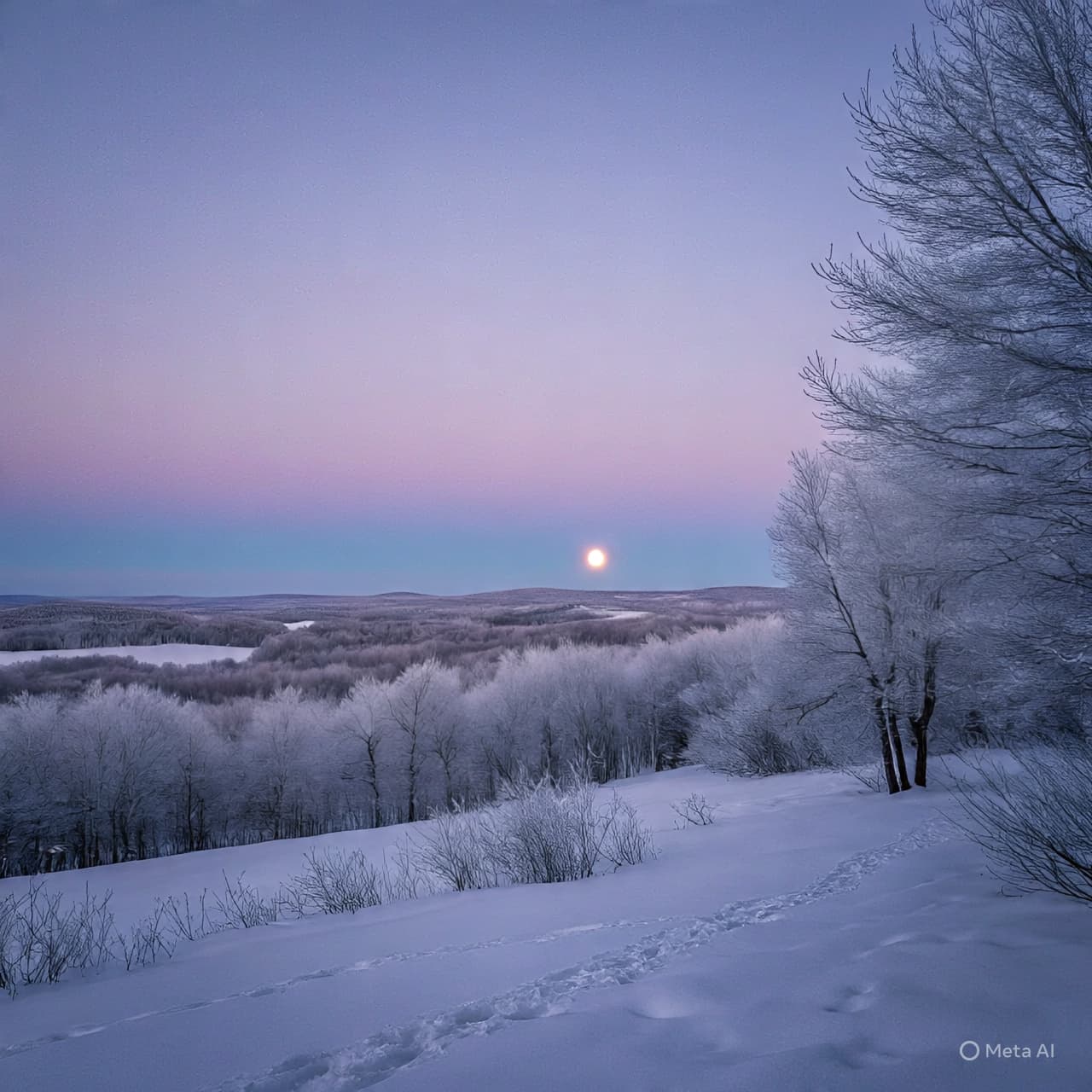
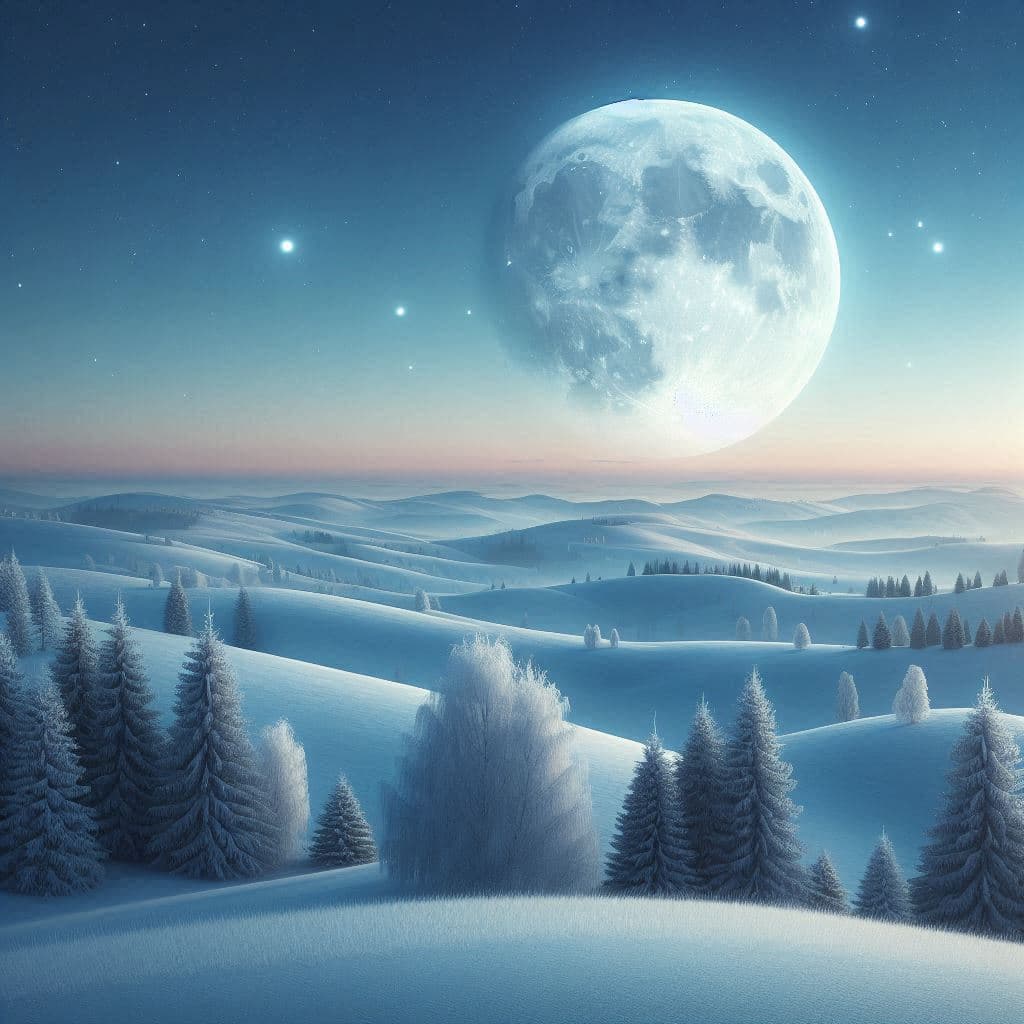
February’s full Snow Moon peaks on Feb. 1, rising after sunset in the eastern sky with bright illumination that’s easy to see with the naked eye near the horizon.

February’s full Snow Moon peaks on Feb. 1, rising after sunset in the eastern sky with bright illumination that’s easy to see with the naked eye near the horizon.

February’s full Snow Moon peaks on Feb. 1, rising after sunset in the eastern sky and offering a bright winter spectacle visible across much of the world.

SpaceX has asked the FCC for approval to deploy up to 1 million solar-powered satellites in orbit to serve as AI data centers, aiming to harness solar energy for efficient, large-scale computing.

Experts, chefs and wildlife officials are encouraging Americans to harvest and eat invasive species — from lionfish to carp — as part of efforts to curb their ecological damage and support restoration.

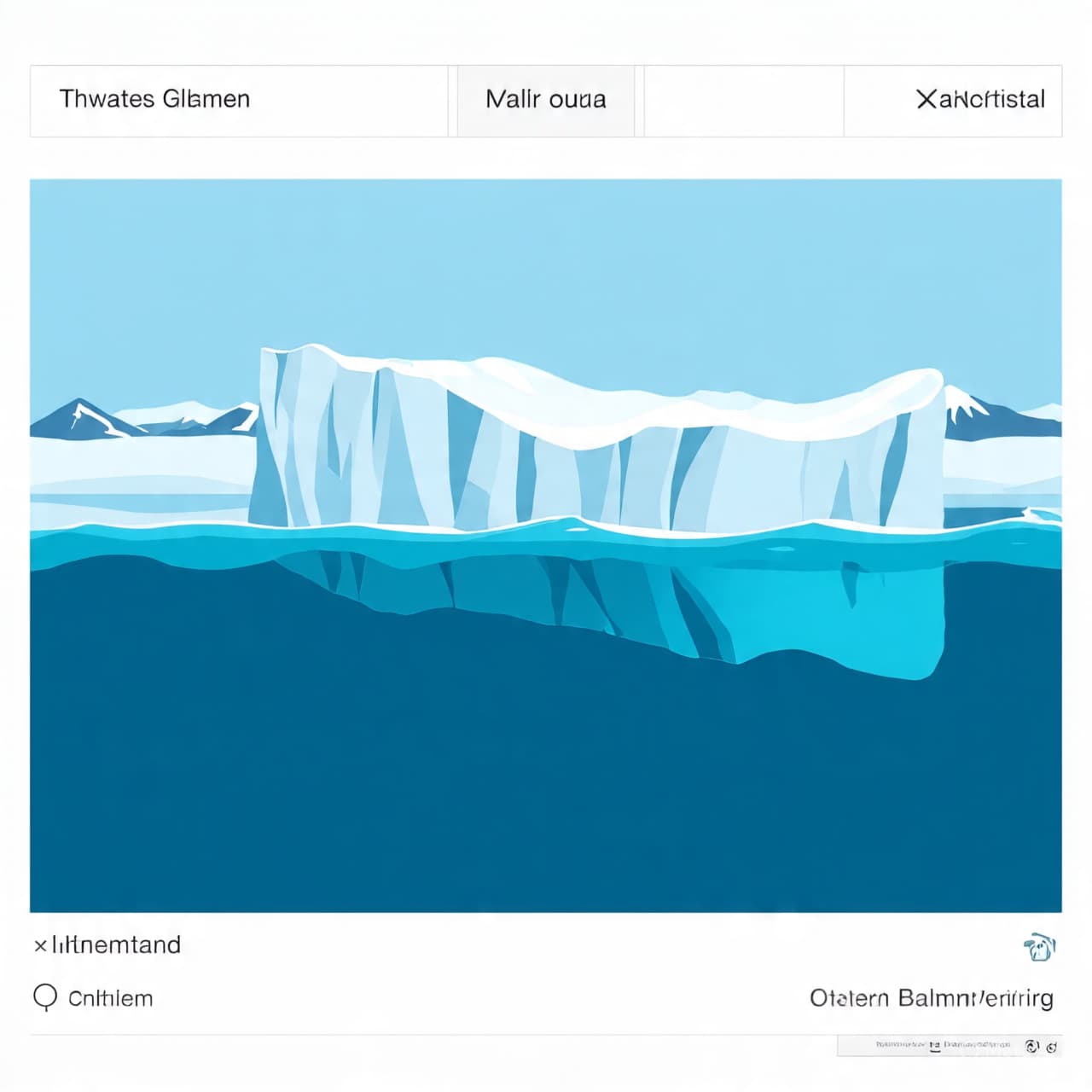
Scientists are debating whether a massive subsea barrier — about 50 miles long — could reduce warm ocean water contact with Antarctica’s Thwaites Glacier and delay catastrophic sea‑level rise.

Coral reefs have quietly modulated Earth’s climate and carbon cycle for over 250 million years by shifting how oceans process carbon, influencing long-term planetary balance.

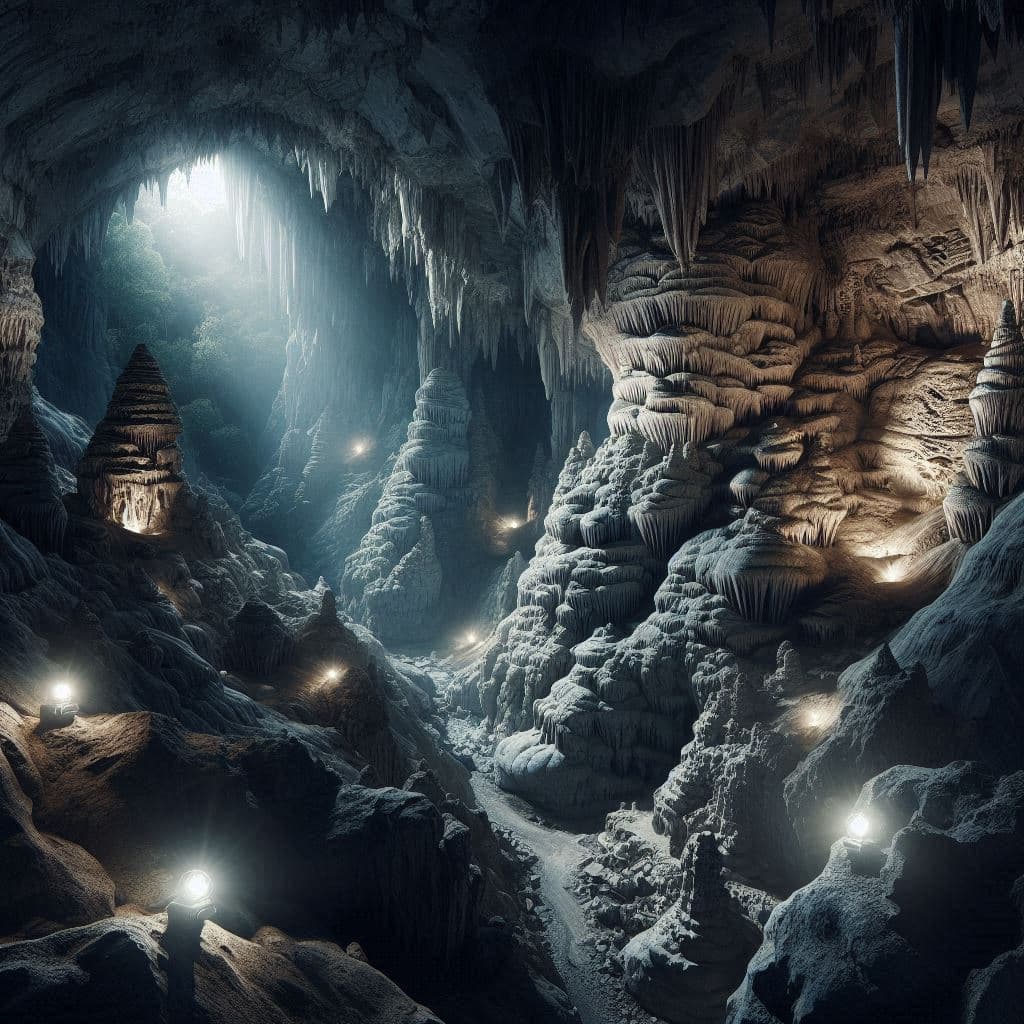
Scientists uncovered fossils of birds and frogs in a remote New Zealand cave, dating back about one million years, offering new insights into pre-human ecosystems and extinctions.

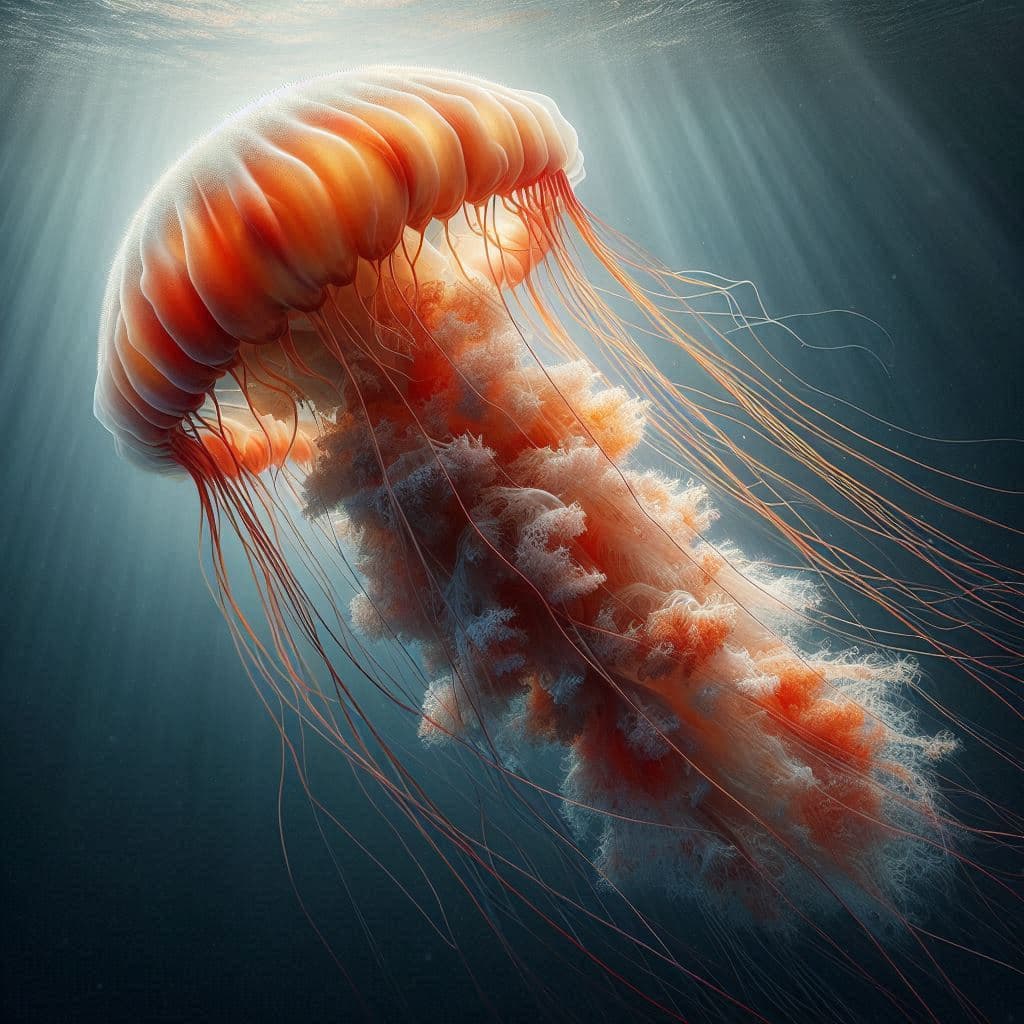
From jellyfish to deep-sea squid, several marine creatures possess tentacles that can stretch over 100 feet, rivaling the length of a bus and redefining size in nature.

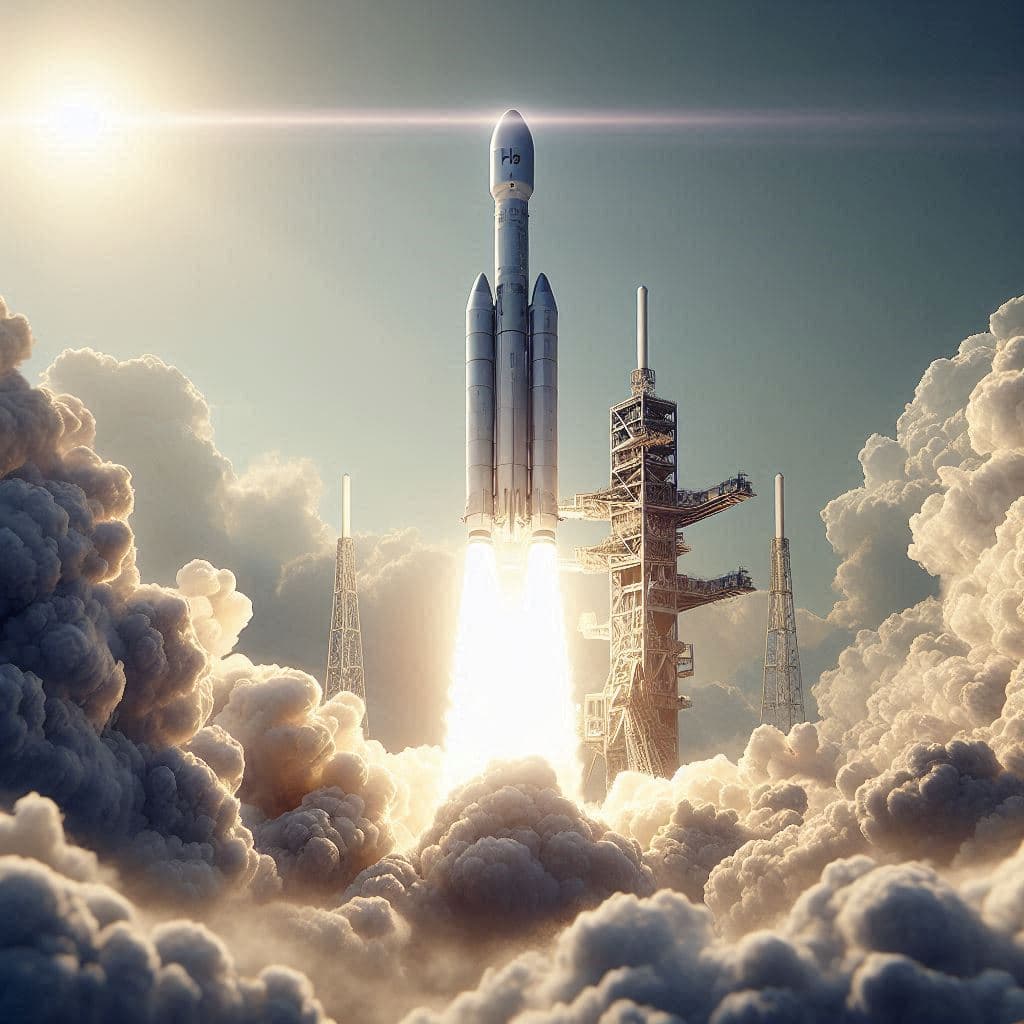
Japan’s H3 rocket mission failed when its payload fairing separated unexpectedly, leaving the navigation satellite exposed and lost, prompting continued investigation.

The Snow Moon, February’s full moon, peaks on Feb. 1, 2026 at 5:09 p.m. EST and will glow in the night sky, rising at sunset and visible through the night.

Termite mega societies grew not from added genes but from losing genes tied to competition as strict monogamy and cooperative care shaped highly social colonies.

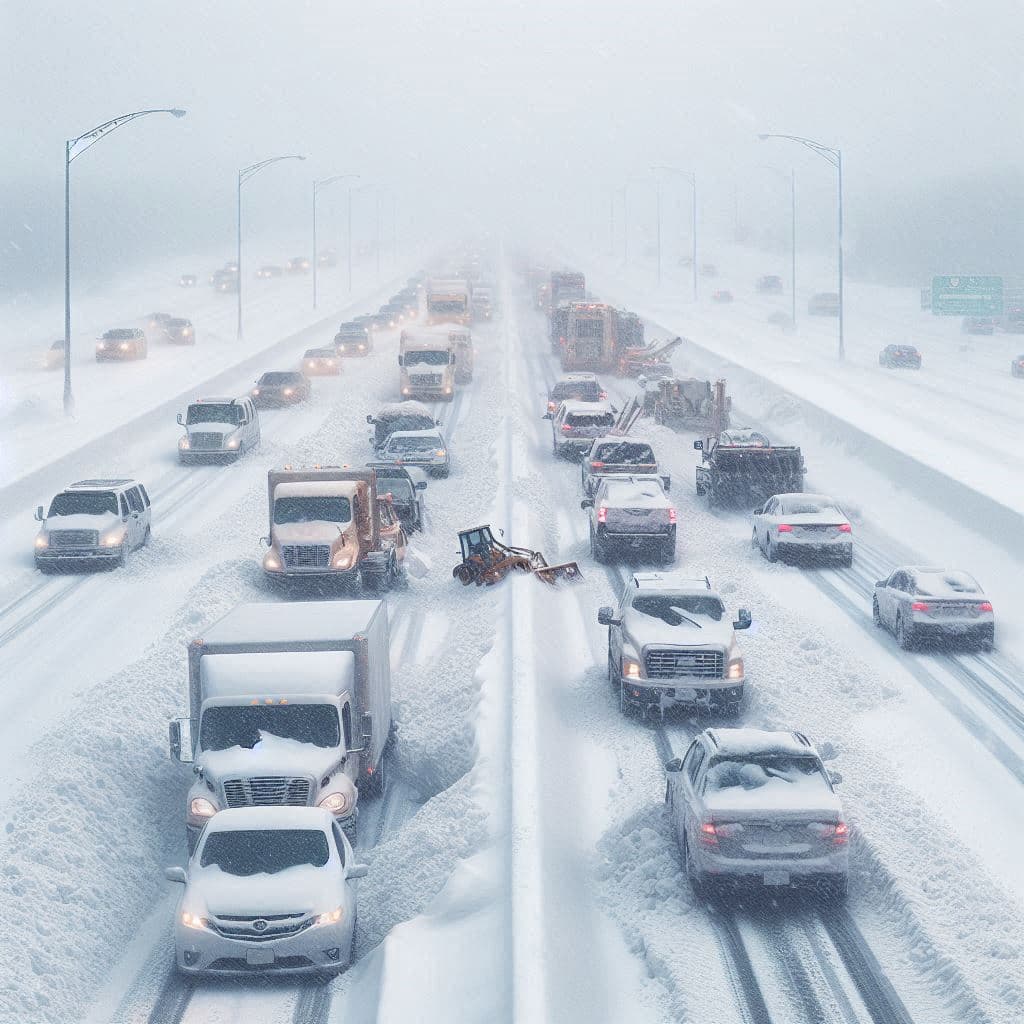
A powerful winter storm swept across the United States with heavy snow, ice and subzero temperatures, causing widespread travel disruptions, power outages and multiple weather‑related deaths.

Fossil hunters have found more than two dozen dinosaur footprints in the Brenton Formation of South Africa’s Western Cape, dated about 132 million years old — the youngest known in the region.

Astronomers observing gravitationally lensed supernovas find that light from the same explosion arrives at different times due to spacetime curvature, aiding cosmic expansion studies.

Hubble’s observations have allowed scientists to estimate the nucleus of interstellar comet 3I/ATLAS at about a kilometer in size, offering new insight into this cosmic visitor.

SpaceX is seeking federal approval to deploy up to one million solar-powered satellite data centers, raising questions about energy, orbital congestion, and the future use of near-Earth space.

Scientists using China’s FAST telescope have traced fast radio bursts to evolving environments around young stellar remnants and binary systems, revealing new clues about their cosmic origins.

Puffy young exoplanets around a star reveal a missing phase in planet formation, showing how swollen infant worlds evolve into common super-Earths and sub-Neptunes.

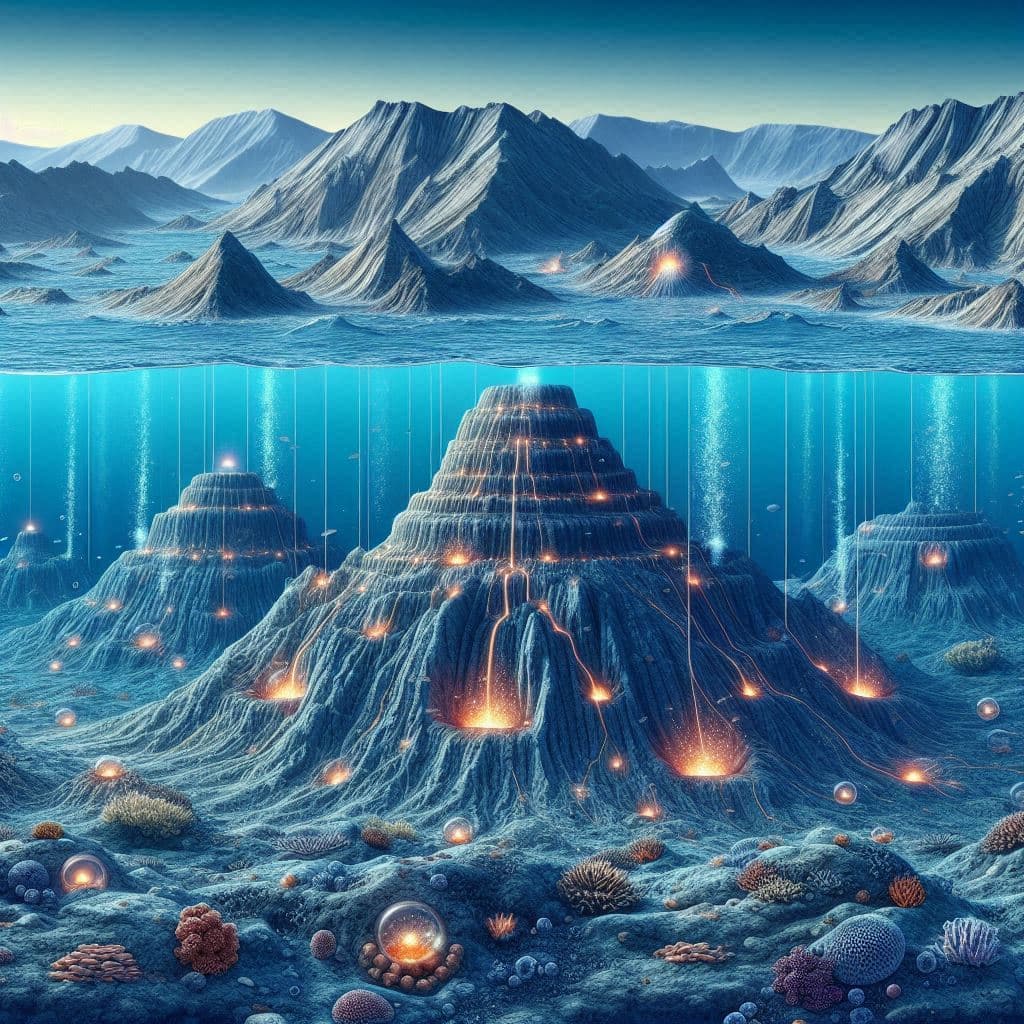
Studies link repeated underwater volcanic episodes during the Triassic to multiple marine extinction events, revealing how ancient seafloor eruptions altered ocean conditions and stressed life.

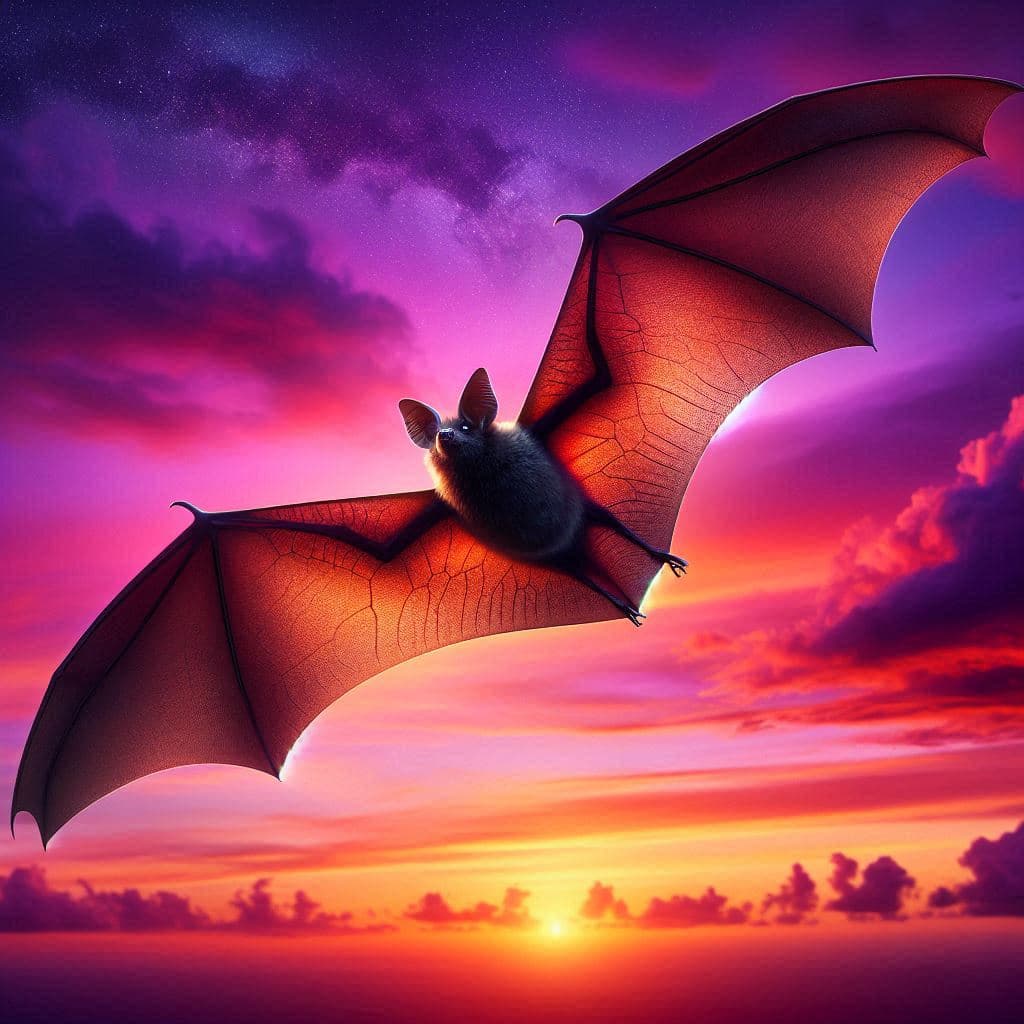
The Brazilian free-tailed bat can reach speeds up to 100 mph in level flight, exceeding many birds like swifts and albatrosses and reshaping our understanding of aerial speed.

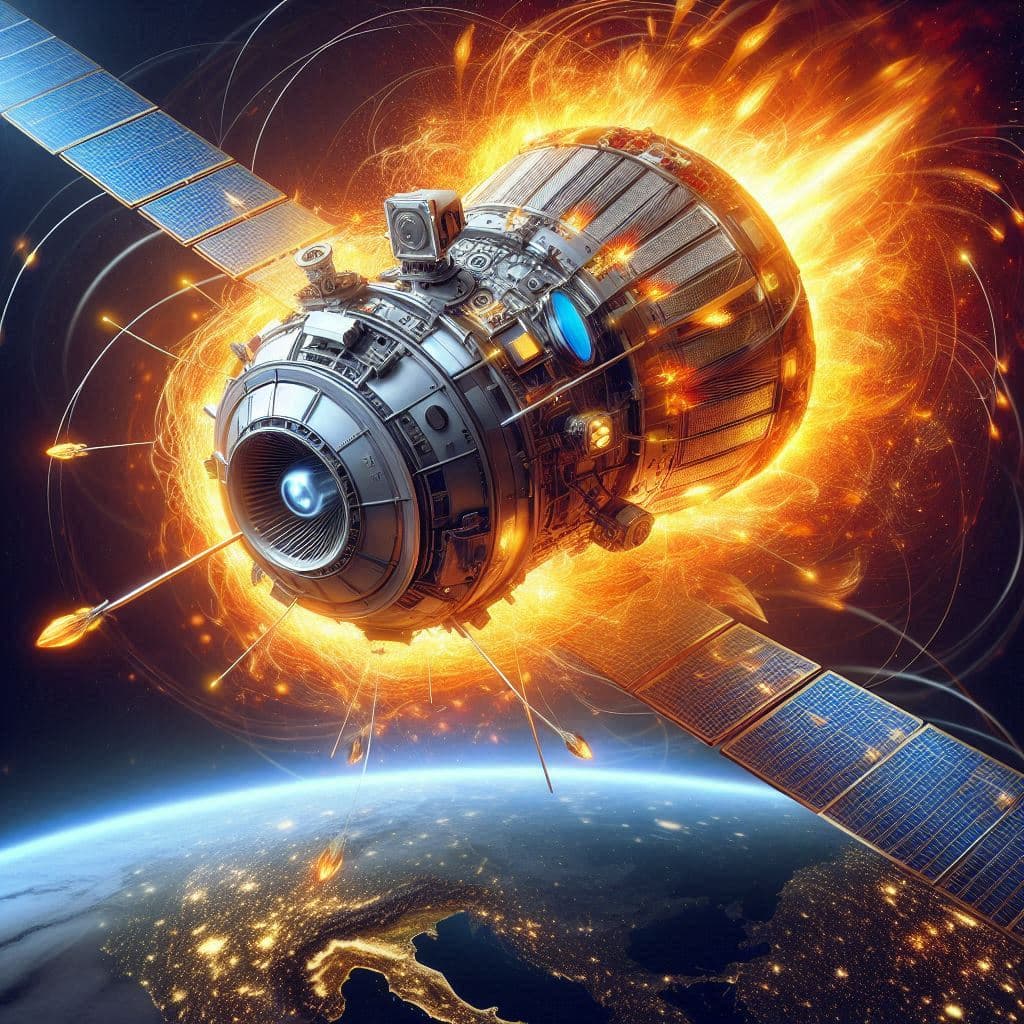
ESA plans the Draco mission to study what truly happens to satellites during atmospheric reentry, using sensors and cameras to collect real data on the breakup process.

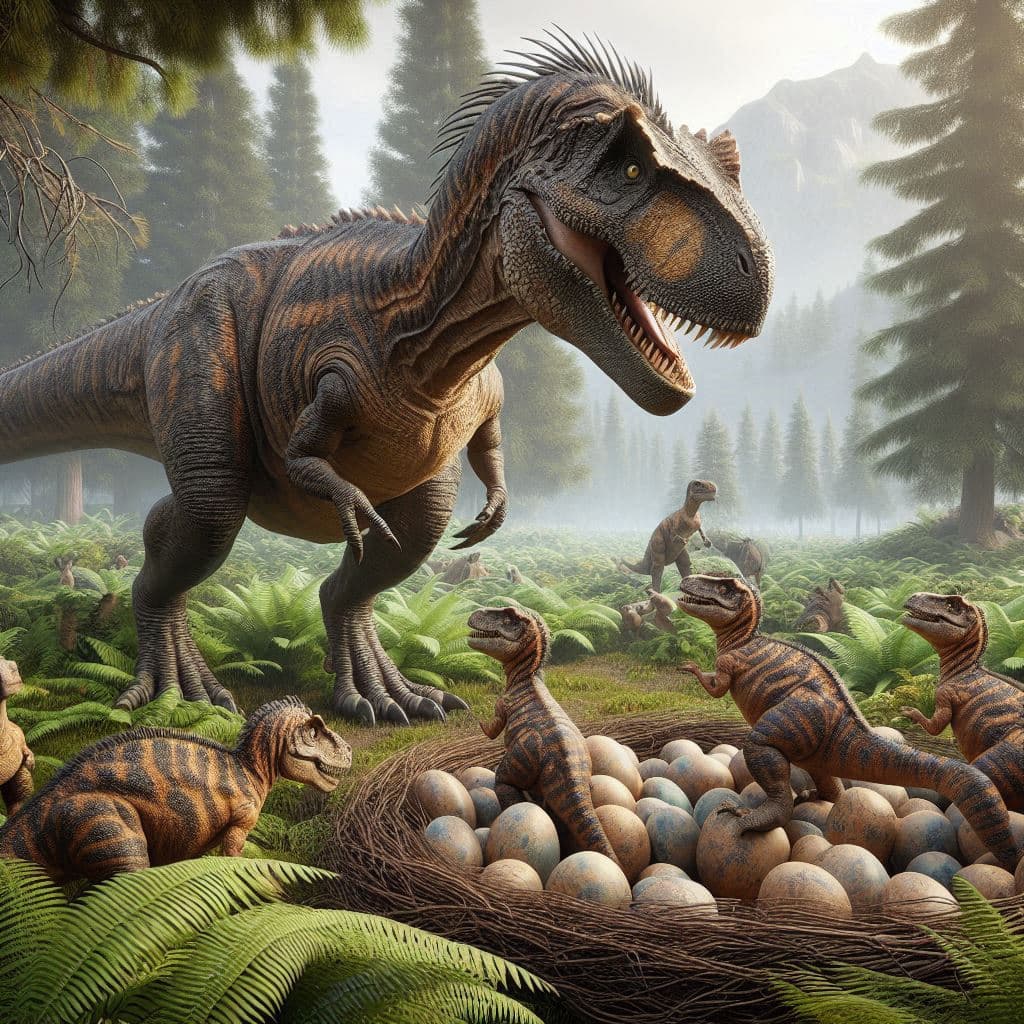
Fossil evidence suggests Late Jurassic predators likely fed regularly on juvenile dinosaurs, revealing a more routine and efficient feeding strategy than previously imagined.

Astronomers have identified two gravitationally lensed supernovas — SN Ares and SN Athena — whose split light has both reached Earth and is predicted to return decades later.

U.S. proposal may require tourists to share five years of social media history before entry, raising concerns about travel deterrence, privacy, and tourism impact.