SCIENCE75% credibility
Between Curiosity and Care: How Consumer DNA Quietly Drove Growth
Mega Genomics boosted profits through growing consumer genetic testing, offsetting weaker performance in its cancer screening business.
5 min read

Mega Genomics boosted profits through growing consumer genetic testing, offsetting weaker performance in its cancer screening business.
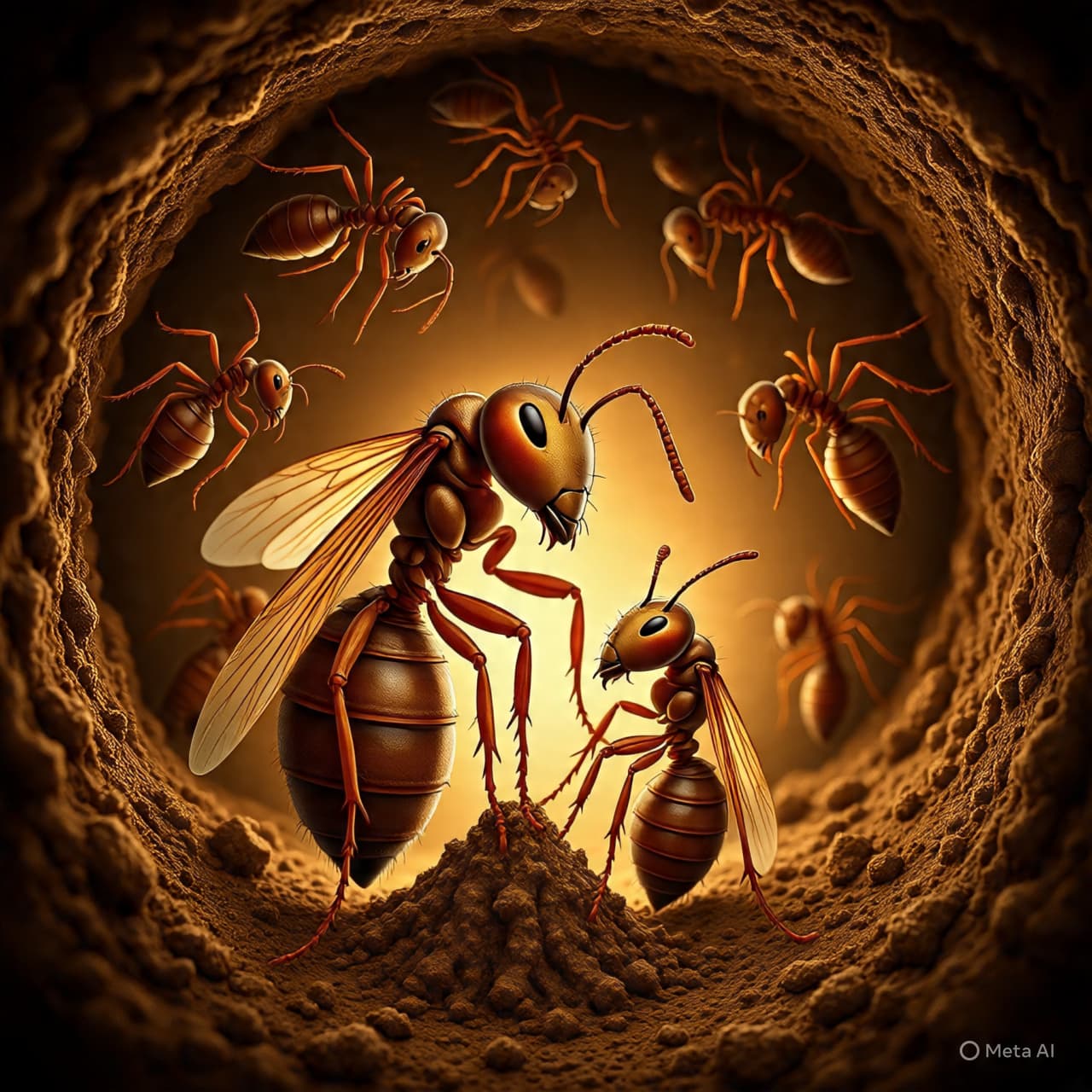
Research suggests termite kings and queens evolved monogamy by losing genes tied to flexible reproduction, stabilizing colonies through enforced lifelong pairing.
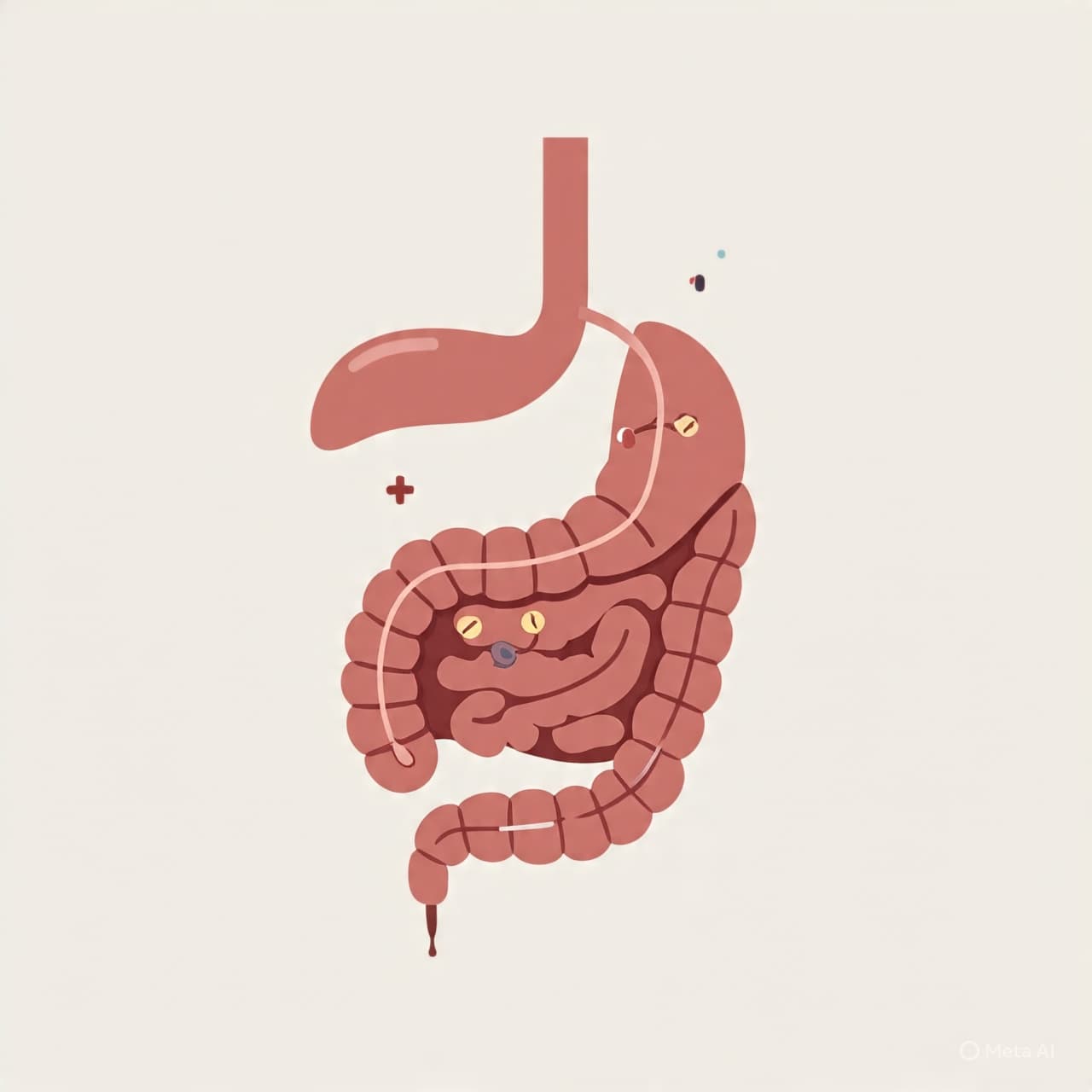
Research suggests vitamin D levels may influence bowel movement frequency, revealing how subtle nutrient balance shapes everyday digestive rhythms.

A genetics and immunology specialist has been appointed to lead the Roslin Institute, signaling a focus on integrated biological research and long-term scientific stewardship.
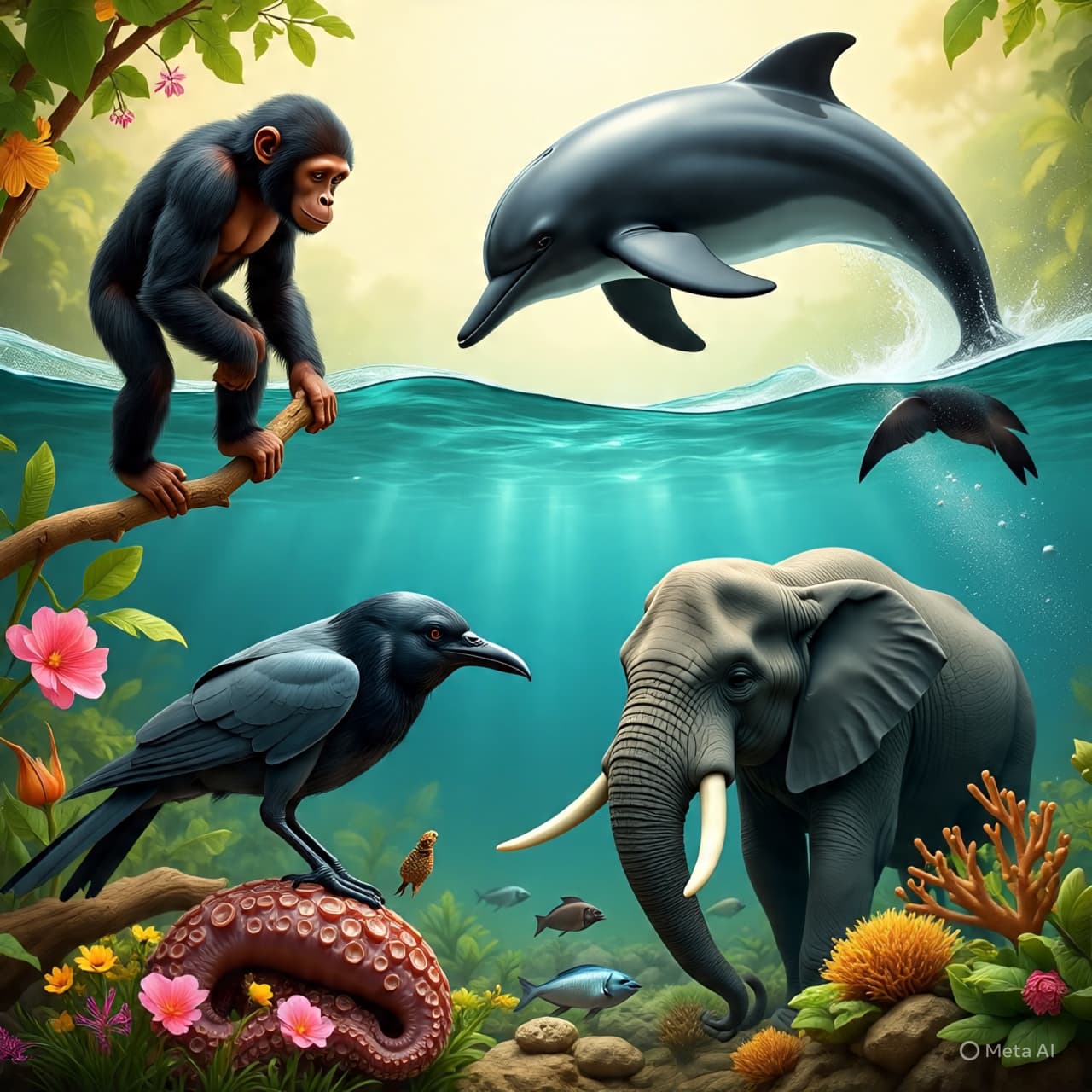
From great apes to octopuses, intelligence appears in many forms, shaped by environment and survival rather than proximity to humans.
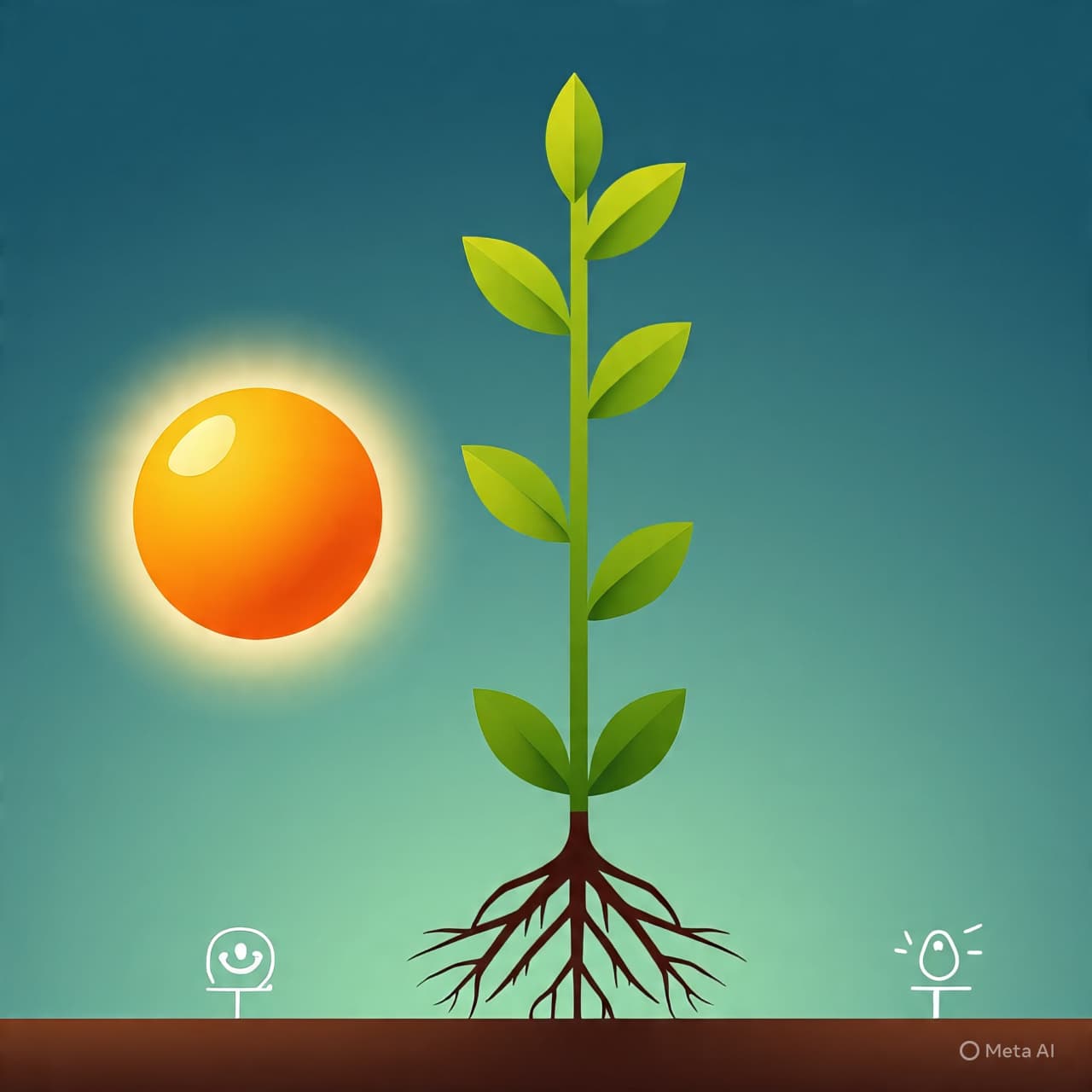
High-performance greenhouse vegetable production depends on aligning plant genetics, climate control, and physiology to achieve consistent yields through precision rather than chance.
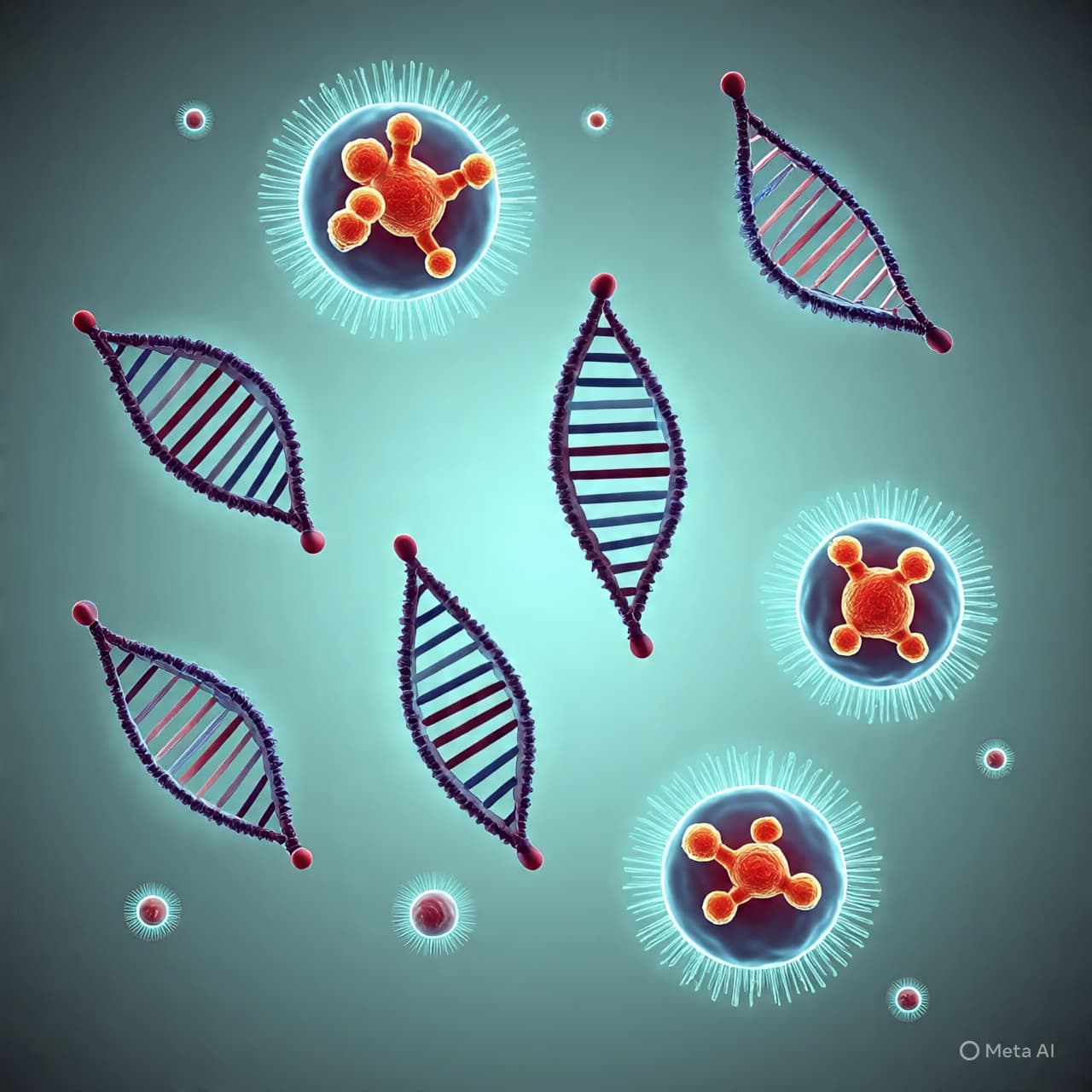
Research shows genetics and environment shape the immune cell epigenome in distinct ways, revealing how inherited traits and lived experience jointly define immune behavior.
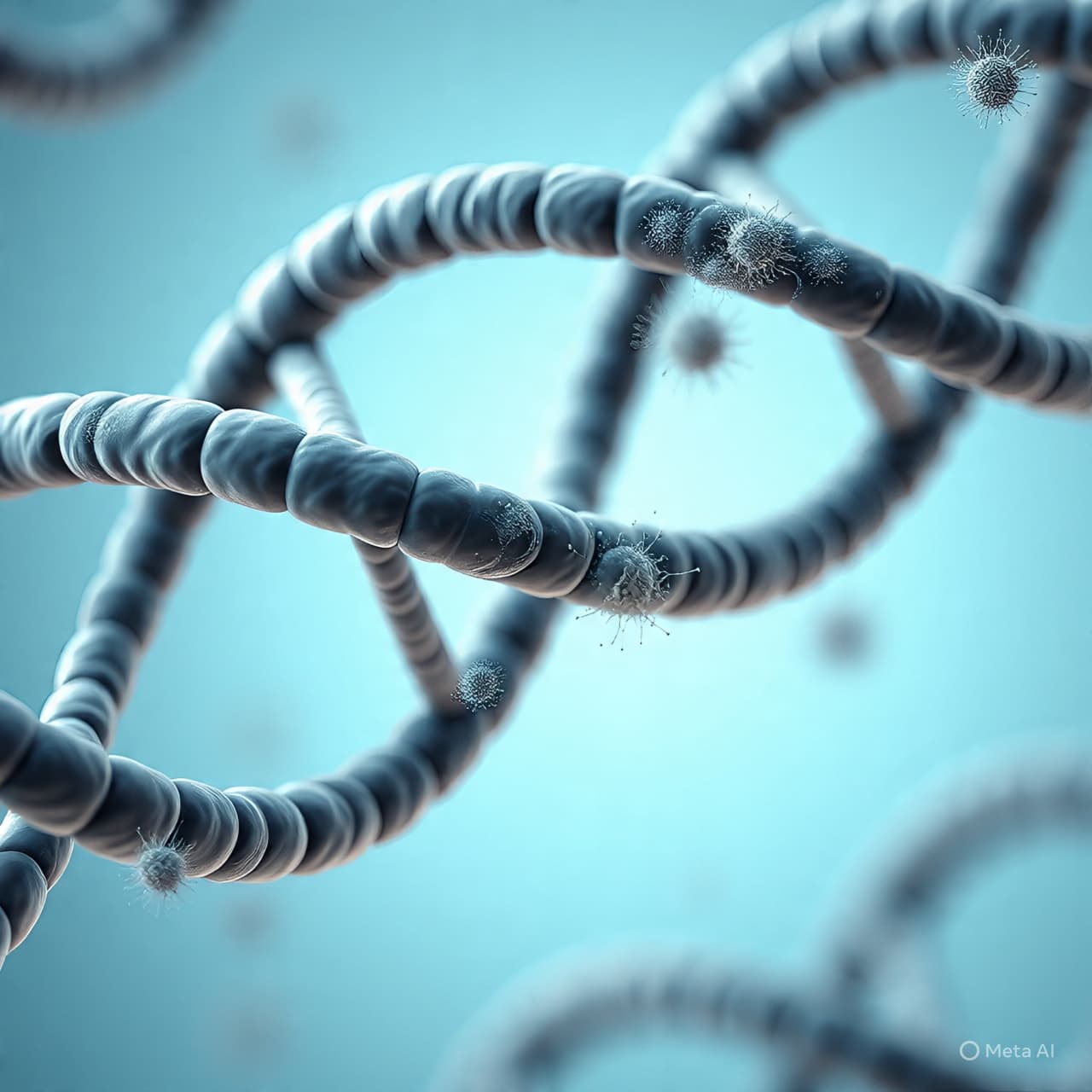
Researchers identify 22 gene variants that may increase long-term health risks after Epstein-Barr infection, revealing how genetics shapes the virus’s lasting impact.
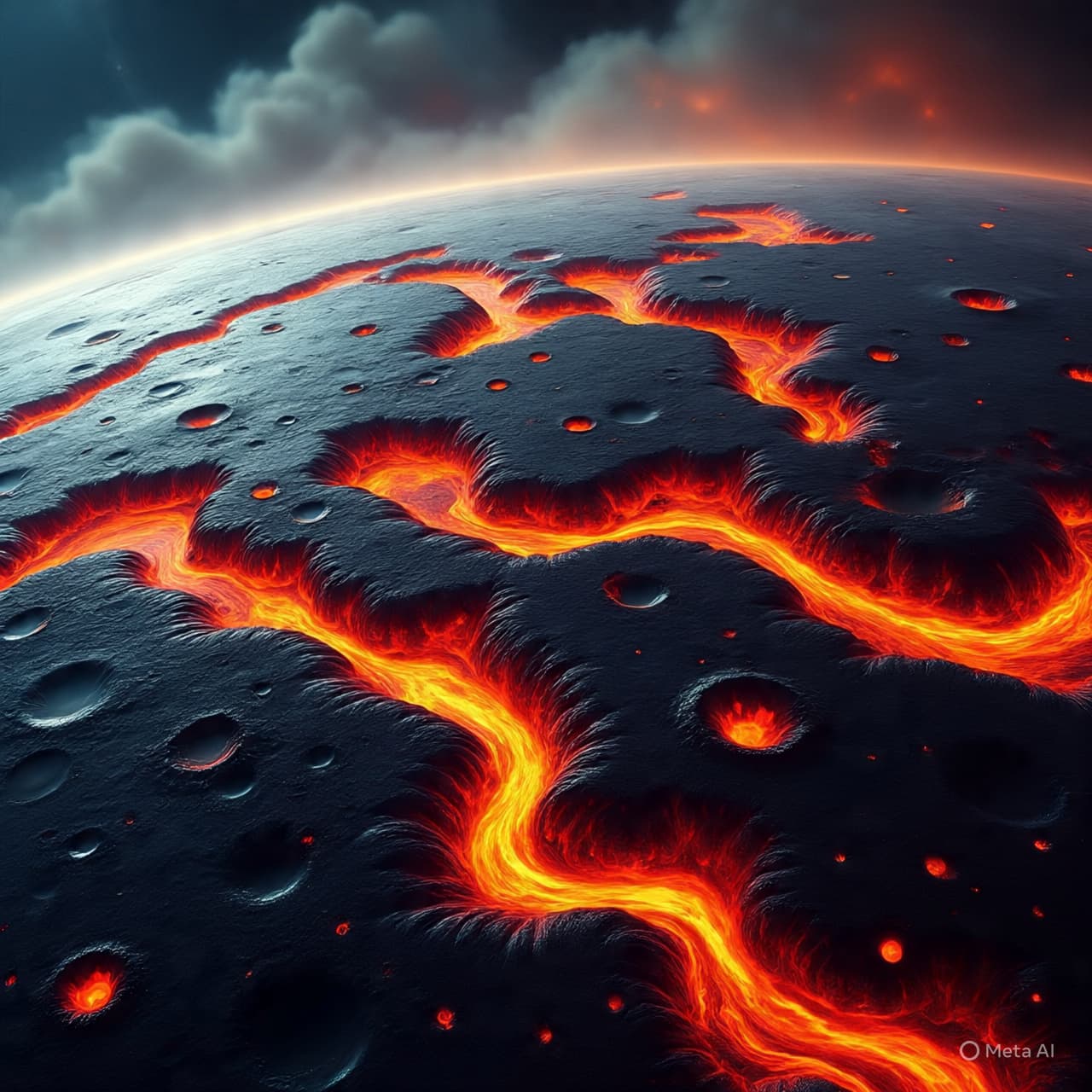
NASA’s Juno spacecraft observed the largest volcanic eruption ever seen on Jupiter’s moon Io, with simultaneous eruptions covering huge areas and hinting at vast underground magma networks.
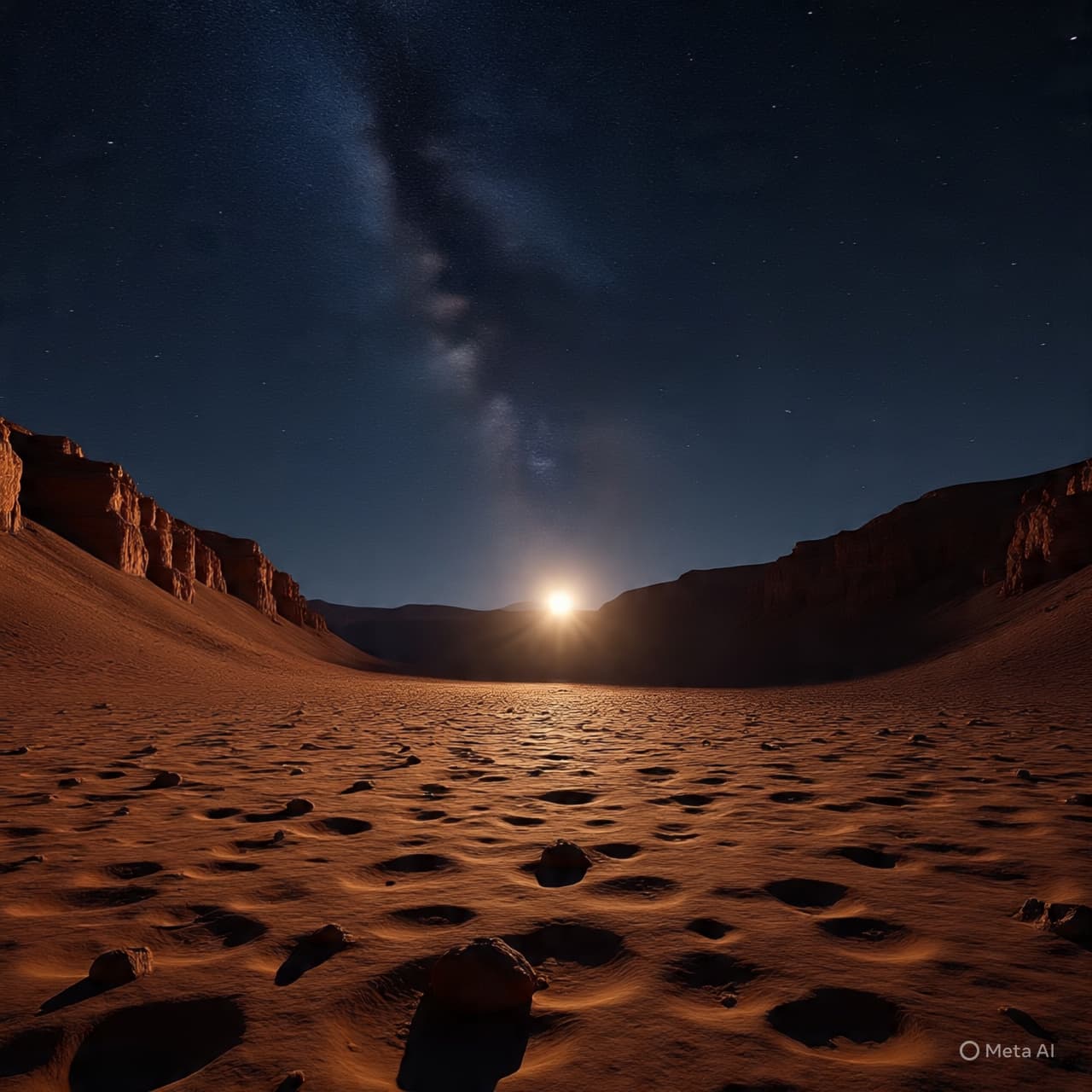
Curiosity used its LED lights at night to illuminate a Martian drill site, revealing surface details unseen in daylight and offering new geological insight.
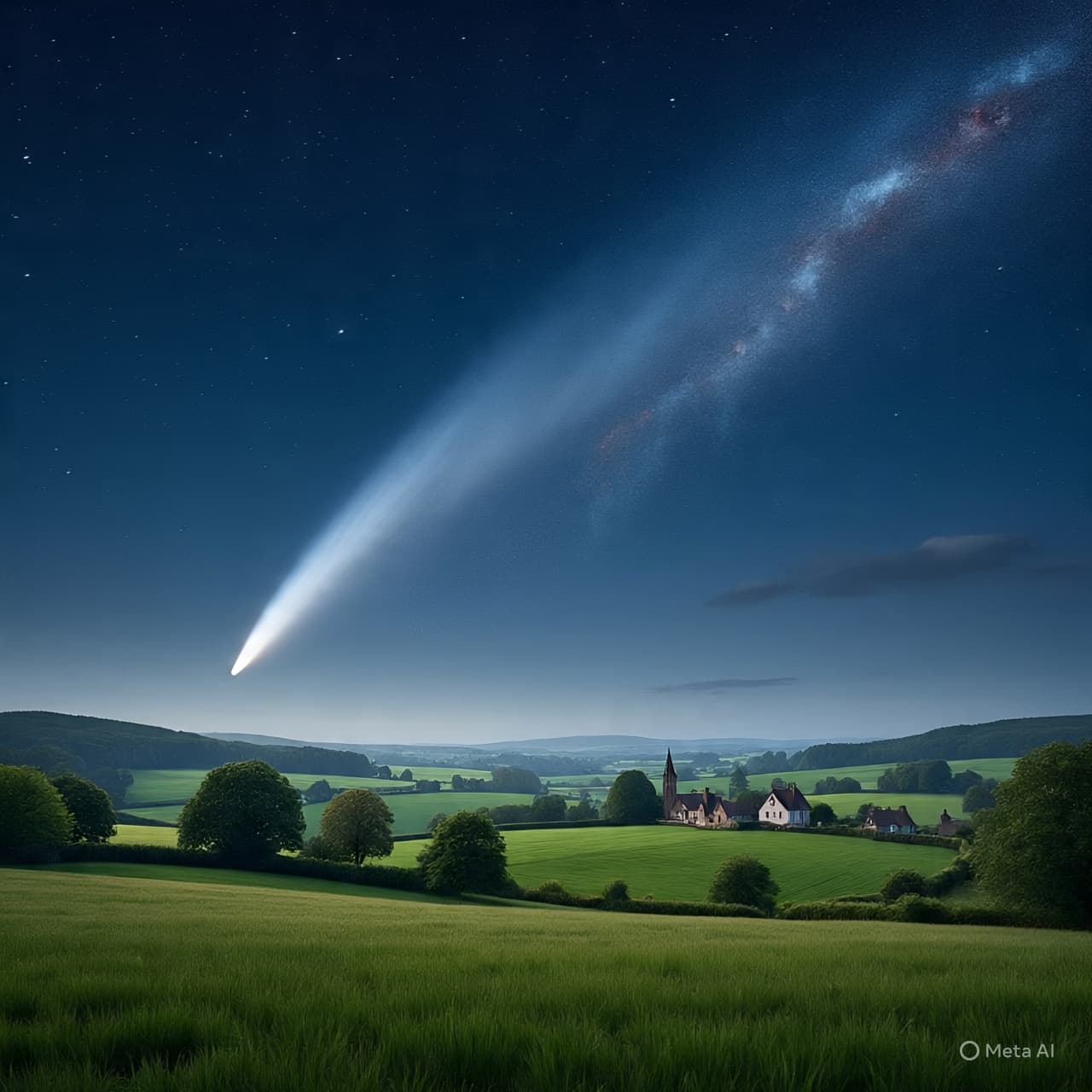
New research suggests 11th-century monk Eilmer may have recognized Halley’s Comet’s recurring orbit centuries before Edmond Halley. (livescience.com)
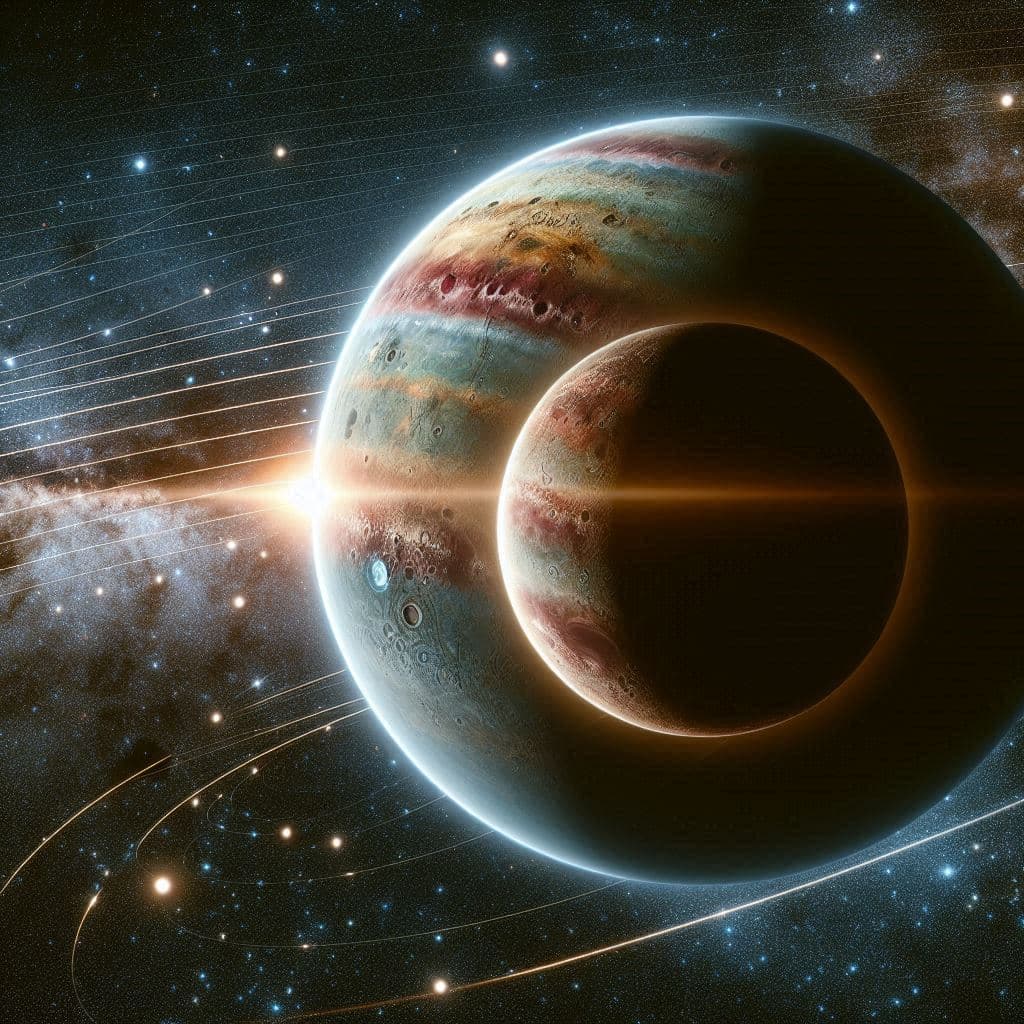
Astronomers propose using eclipse events observed by the planned Habitable Worlds Observatory to detect exomoons and exorings, possibly identifying habitable companions beyond Earth.
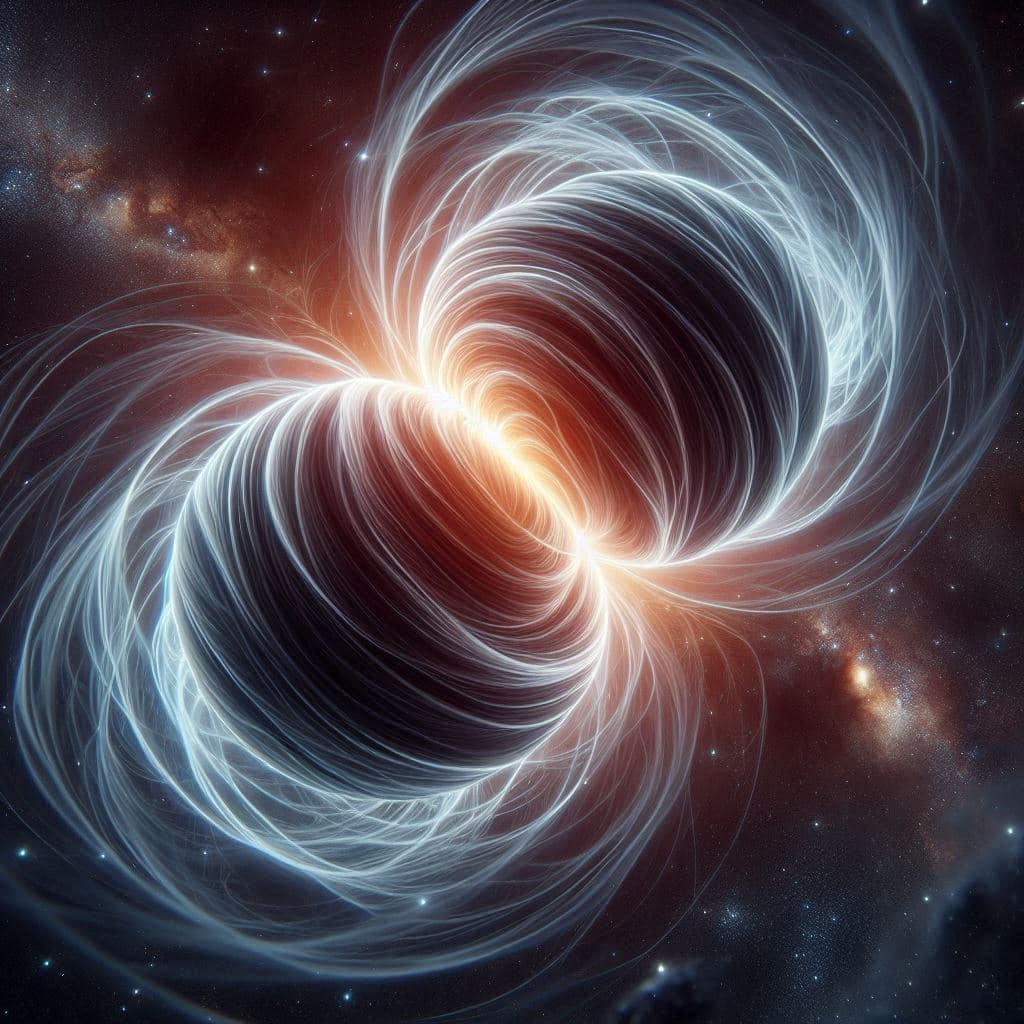
Simulations reveal how magnetic fields of merging neutron stars twist and interact, hinting at pre-collision X-ray and gamma-ray signals that future observatories might detect.

A 40-million-year-old ant hidden in Goethe’s amber collection was revealed with modern imaging, offering rare anatomical detail and fresh insight into ancient insect life.
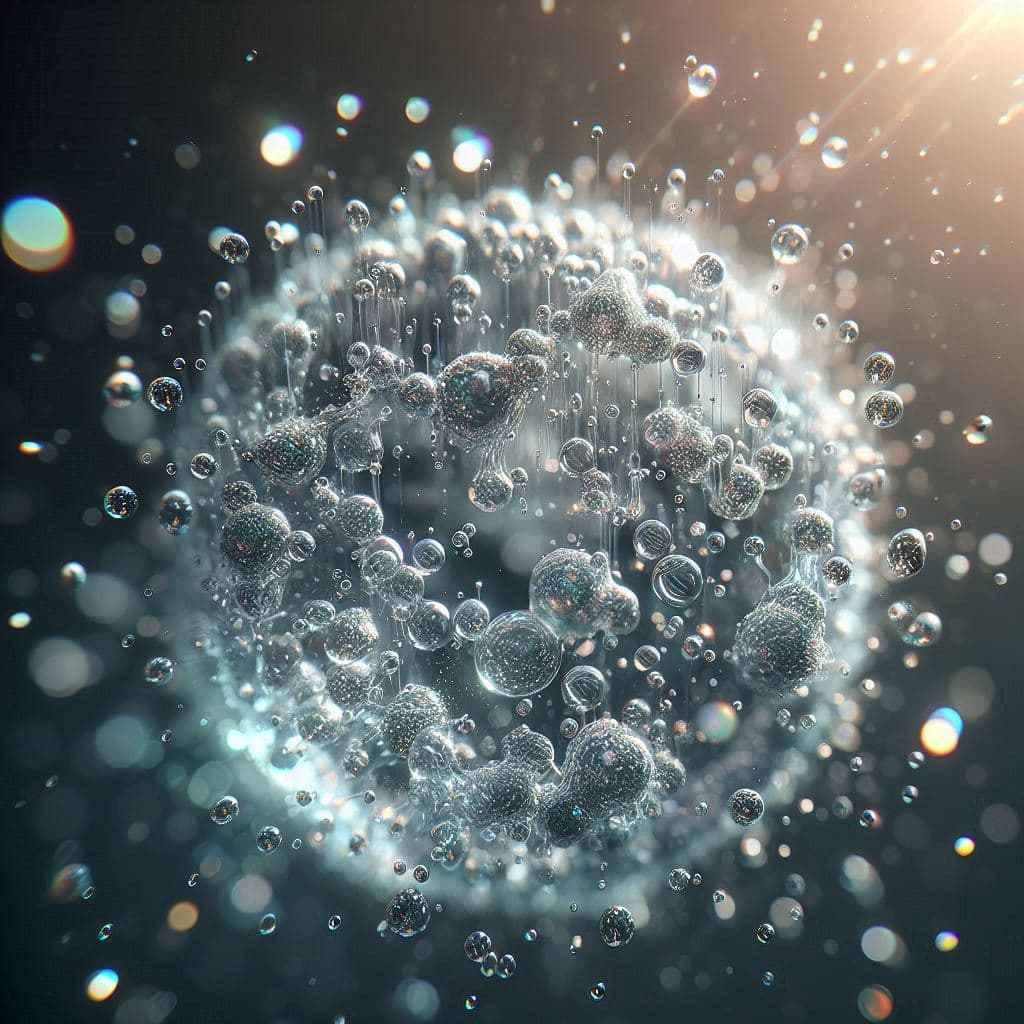
Microscopic RNA droplets may have created microenvironments that favored key chemical reactions, gently accelerating the development of complex molecules essential to life’s emergence.
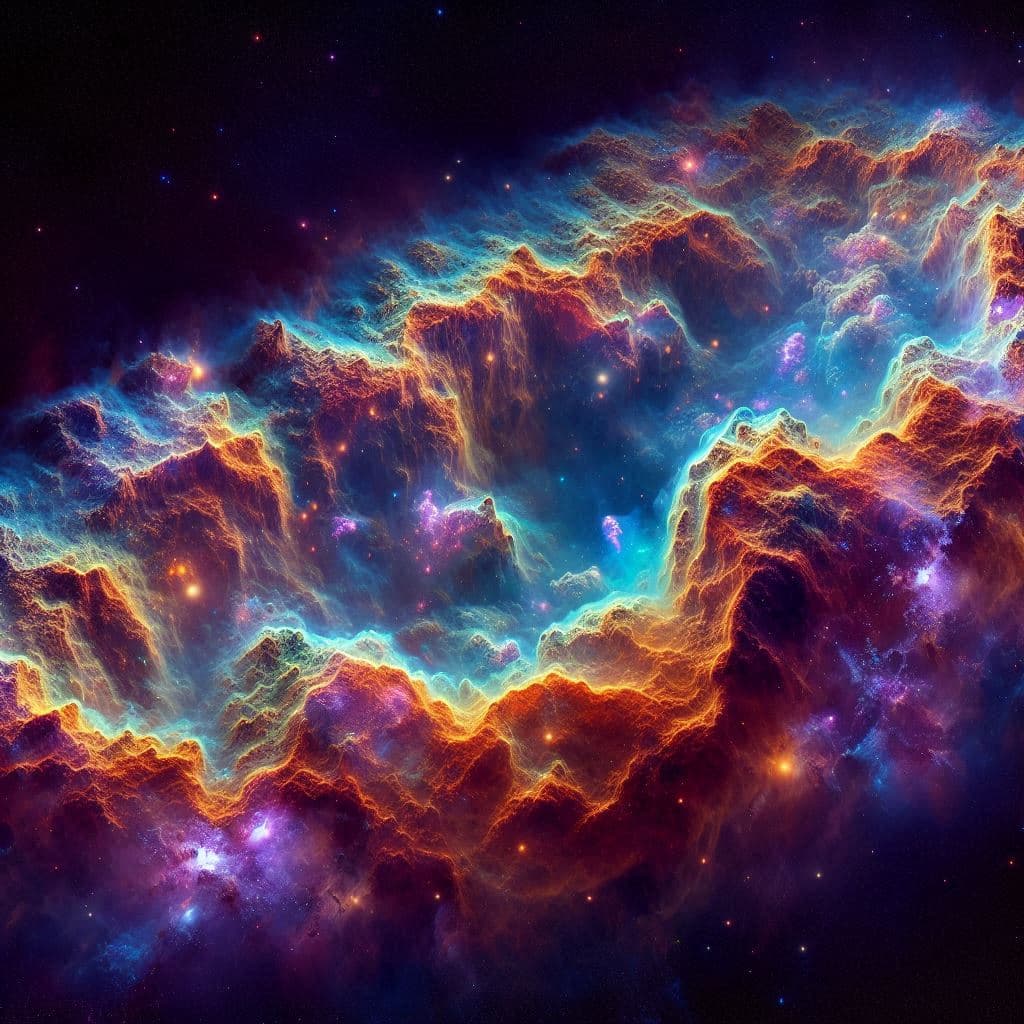
Astronomers mapped organic molecules in the Horsehead Nebula, showing atomic carbon guides chemistry at light-exposed boundaries, revealing how radiation shapes complex molecular formation.

James Webb has identified the most distant galaxy ever observed, revealing that complex galaxies formed earlier than previously confirmed and extending our view deeper into cosmic history.
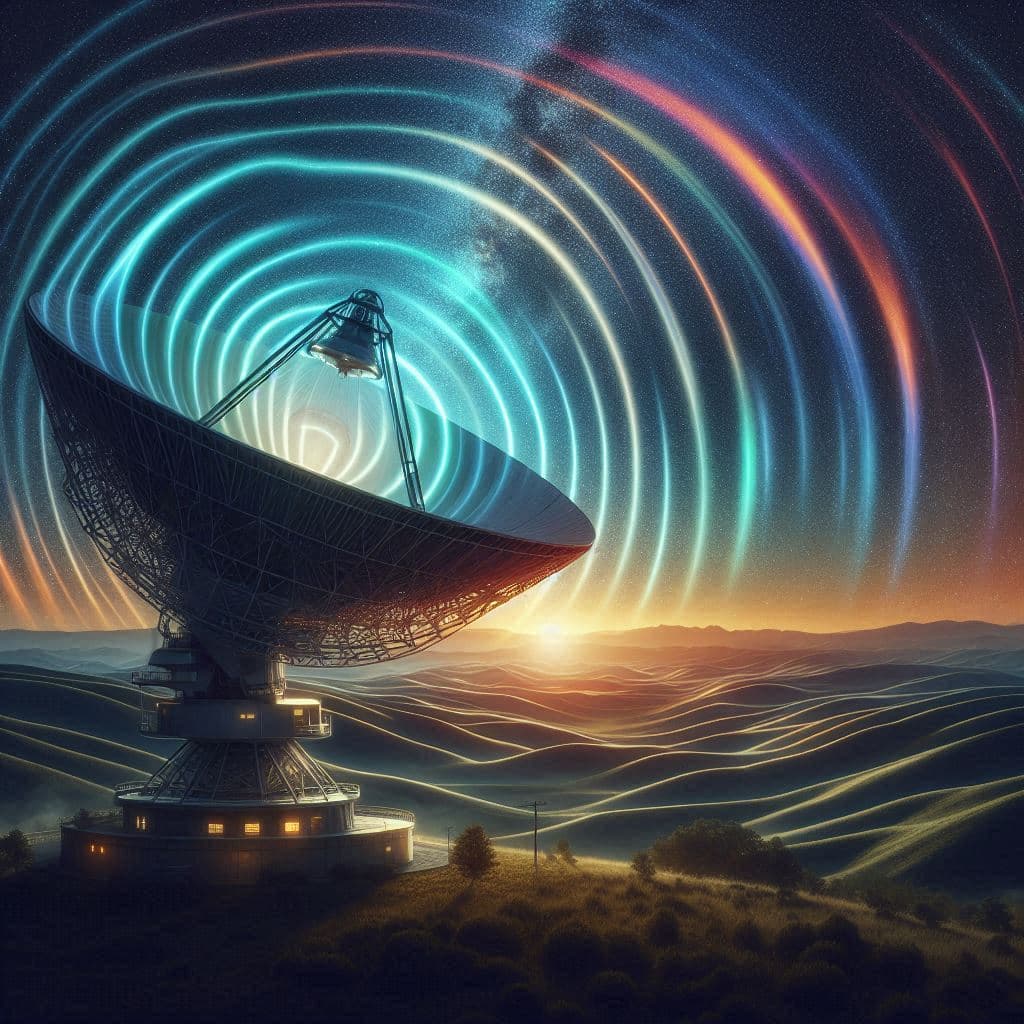
A new broadband Faraday rotation map reveals the Milky Way’s magnetic field with unprecedented complexity, shedding light on how magnetism shapes star formation and cosmic evolution.

A silica nanocomposite called B-STING can automatically produce reactive biocides only when environmental signals from microbes are present, making it a potentially safe, on-demand antimicrobial surface.

Rocket Lab successfully launched South Korea’s NEONSAT-1A disaster-monitoring satellite after previous delays and an abort, deploying it to orbit to support near-real-time Earth observation.

Chinese paleontologists discovered the Huayuan fossil biota in Hunan, revealing soft-bodied marine life after Earth’s earliest mass extinction about 513 million years ago.

Chinese researchers have built the first quantum sensor network to detect dark matter, linking labs across 300 km and boosting sensitivity in the hunt for elusive axion signals.

Scientists created a mercury-based crystal with both giant birefringence and ultrabroad mid–far infrared transparency, overcoming longstanding material limits for infrared optics.

New research shows key organic molecules needed for life can form naturally in space, suggesting biology’s foundations may emerge without planets, oceans, or biology itself.