A Choreography of Rockets — Finding Harmony Between Moon and Orbit
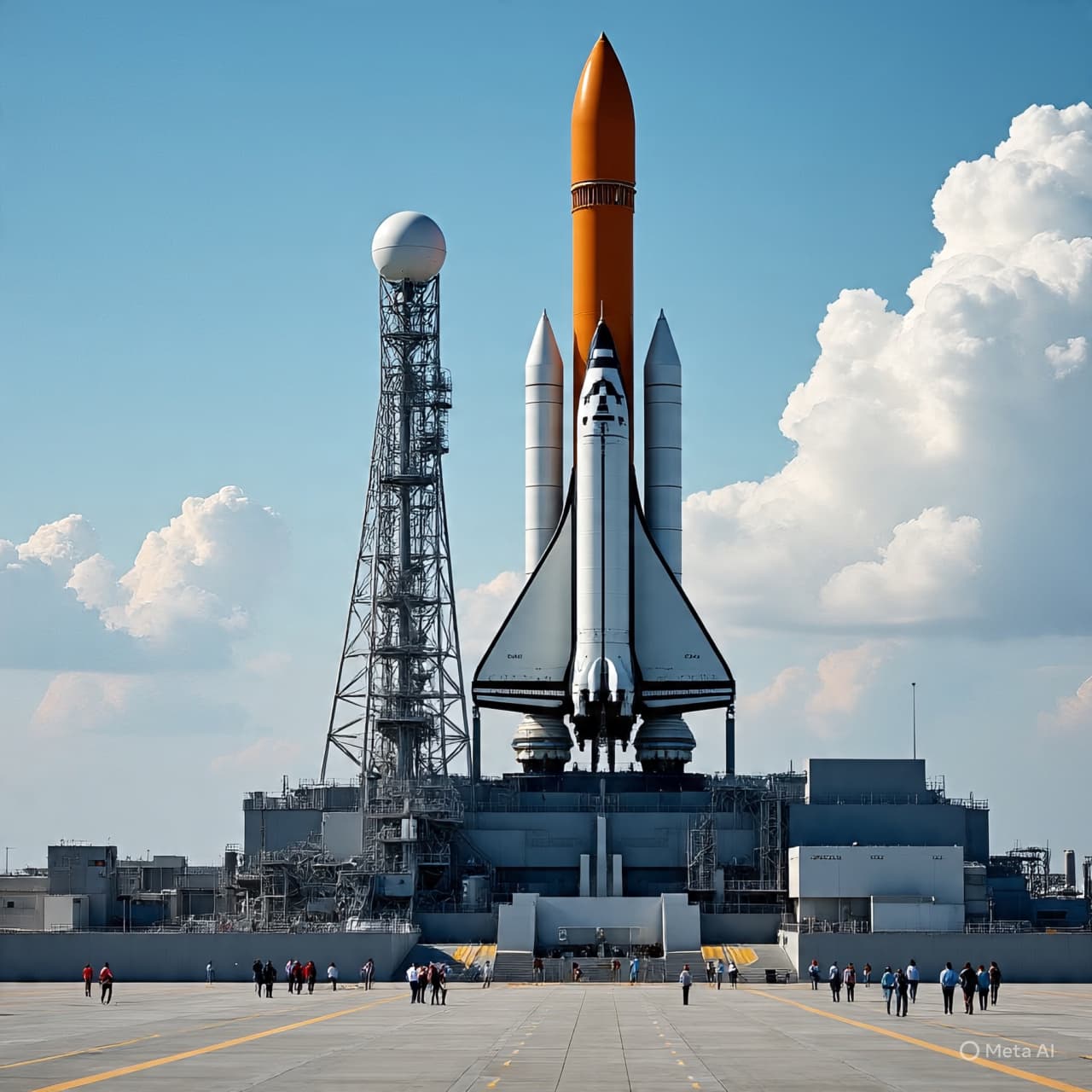
NASA’s Artemis 2 moon mission delays its fueling test and launch window, prompting careful coordination with SpaceX’s Crew‑12 ISS flight to avoid overlap in resources and timing.

NASA’s Artemis 2 moon mission delays its fueling test and launch window, prompting careful coordination with SpaceX’s Crew‑12 ISS flight to avoid overlap in resources and timing.

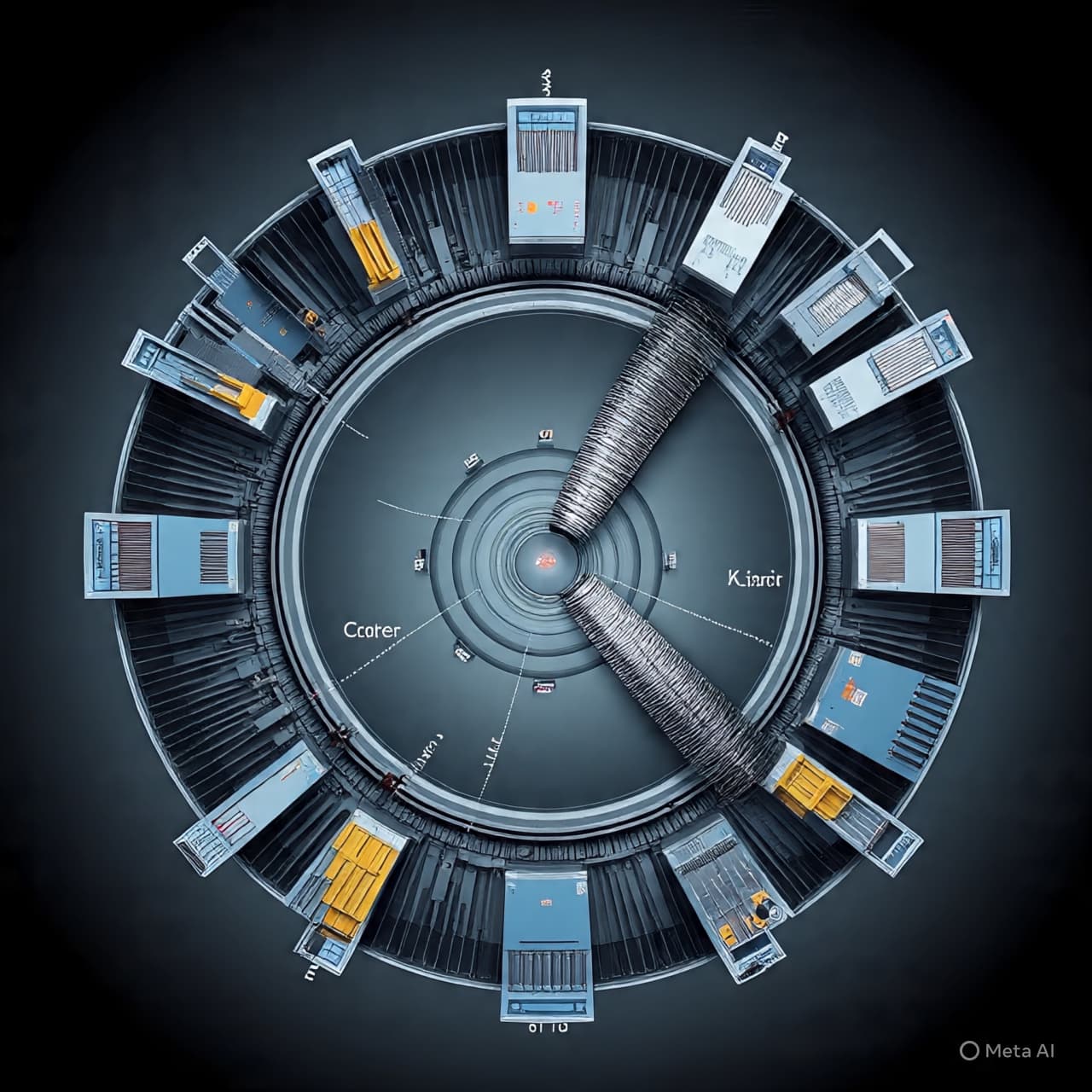
The LHC recreates the universe’s first microseconds, revealing a surprisingly fluid primordial quark-gluon plasma that shaped the cosmos.

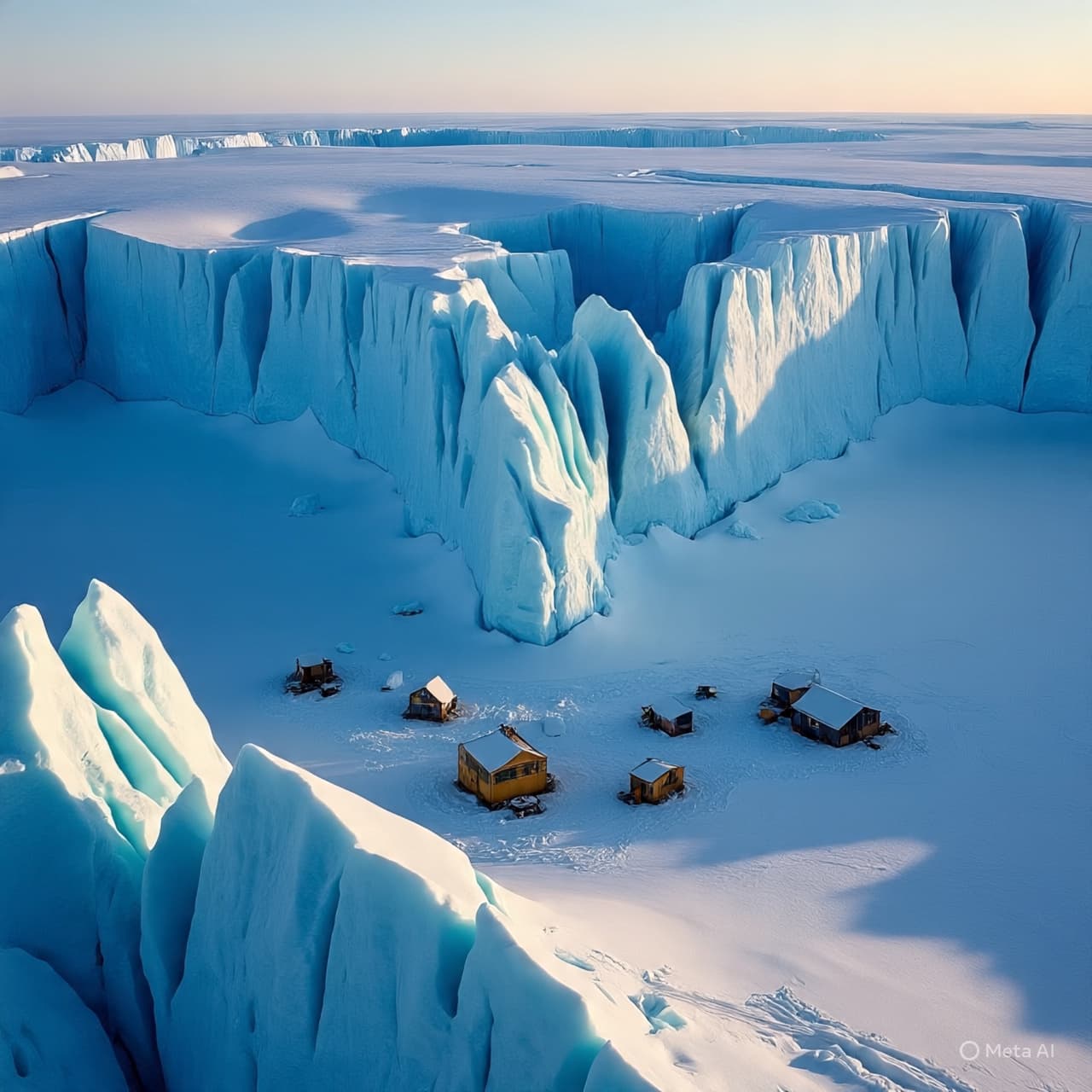
Scientists drill beneath Antarctica’s ice to study melting processes, revealing hidden currents and ancient climate history with urgent global implications.

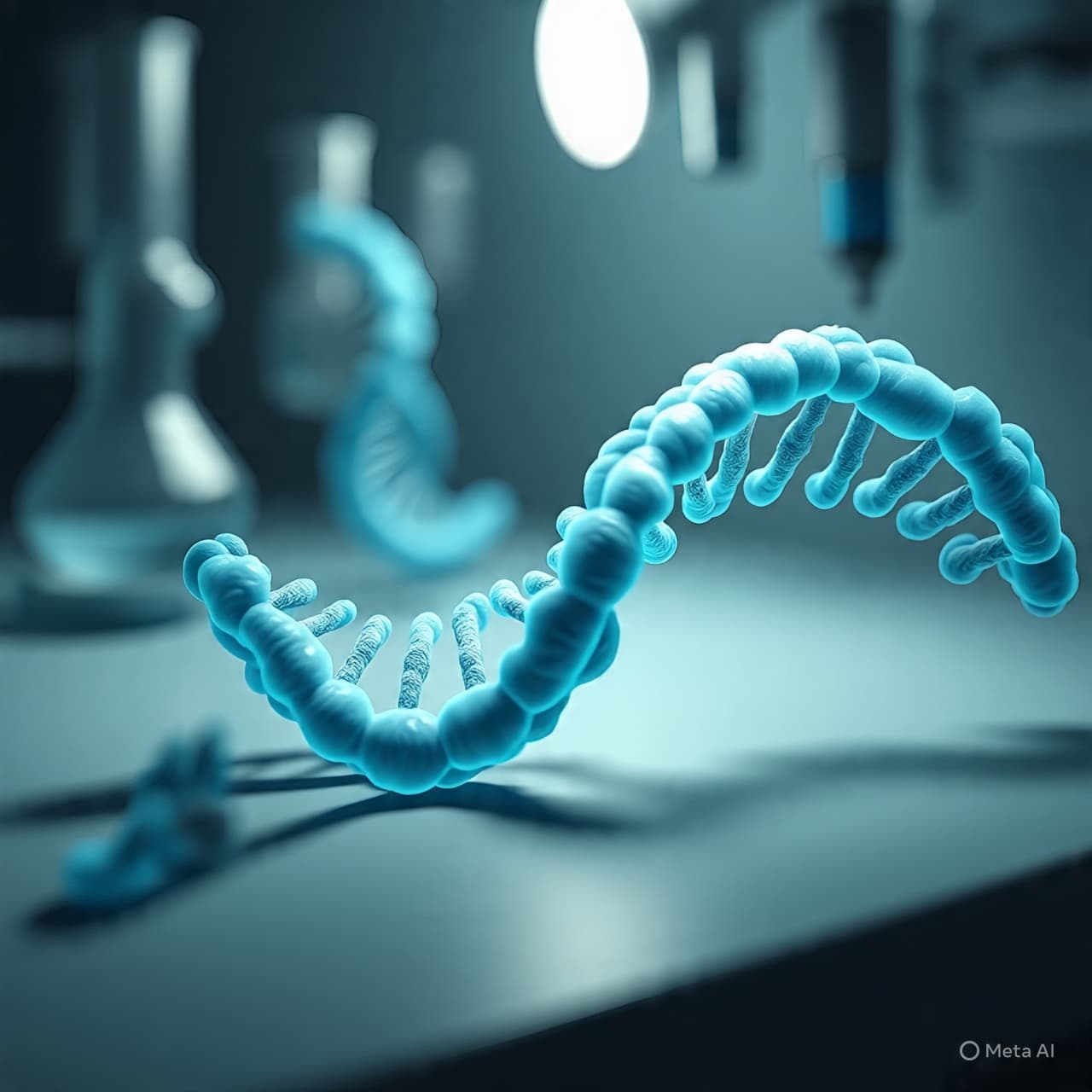
DeepMind’s genome AI analyzes genetic data to uncover patterns behind rare diseases, offering hope for patients and families seeking answers.

Experiments at CERN’s Large Hadron Collider show that quark-gluon plasma — the universe’s first matter — behaved like a liquid, producing wakes when quarks passed through it.

A decommissioned Russian inspector satellite appears to have fragmented in orbit, raising new concerns about space debris and the growing clutter around Earth’s orbital pathways.

Researchers have resurrected 3.2-billion-year-old enzymes linked to nitrogen fixation, validating ancient biosignatures that may help NASA detect signs of life beyond Earth.

A global review finds land snail extinctions on many islands are alarmingly high—often 30–80% lost—highlighting ecosystem fragility and invasive species impacts on biodiversity.

Researchers observed quantum systems where particles exhibit memory-like behavior, preserving traces of past states — a finding that informs quantum information and memory research.

Following a reported near-collision with a Chinese satellite, SpaceX is lowering the orbits of about 4,400 Starlink satellites to reduce collision risk and support space safety.

On Mars, NASA’s Perseverance executed the first drives planned by generative AI, marking a step toward greater rover autonomy and exploration efficiency.

The Huayuan biota, a rich fossil assemblage from China, offers new insight into Earth’s first Phanerozoic mass extinction and early animal ecosystem recovery after the Sinsk event.

In the Morrison Formation, very young sauropods served as key prey for Jurassic predators, shaping a complex food web where their abundance sustained meat-eaters long before later dinosaur eras.

Astronauts for NASA’s Artemis II mission are training in technical systems, lunar observation, simulations and recovery prep as they ready for the first crewed Moon-orbit mission in over 50 years.

NASA selects Axiom Space again for private ISS missions, highlighting its lead over new contender Vast as commercial partners help shape low Earth orbit’s future.

Ancient globular clusters reveal a previously hidden merger in the Milky Way’s early history, tracing a cosmic encounter just 1.5 billion years after the Big Bang.

Red Geyser galaxies contain star-forming gas yet remain inactive. Gentle energy from central black holes keeps the gas warm and unsettled, slowing star birth without removing fuel.

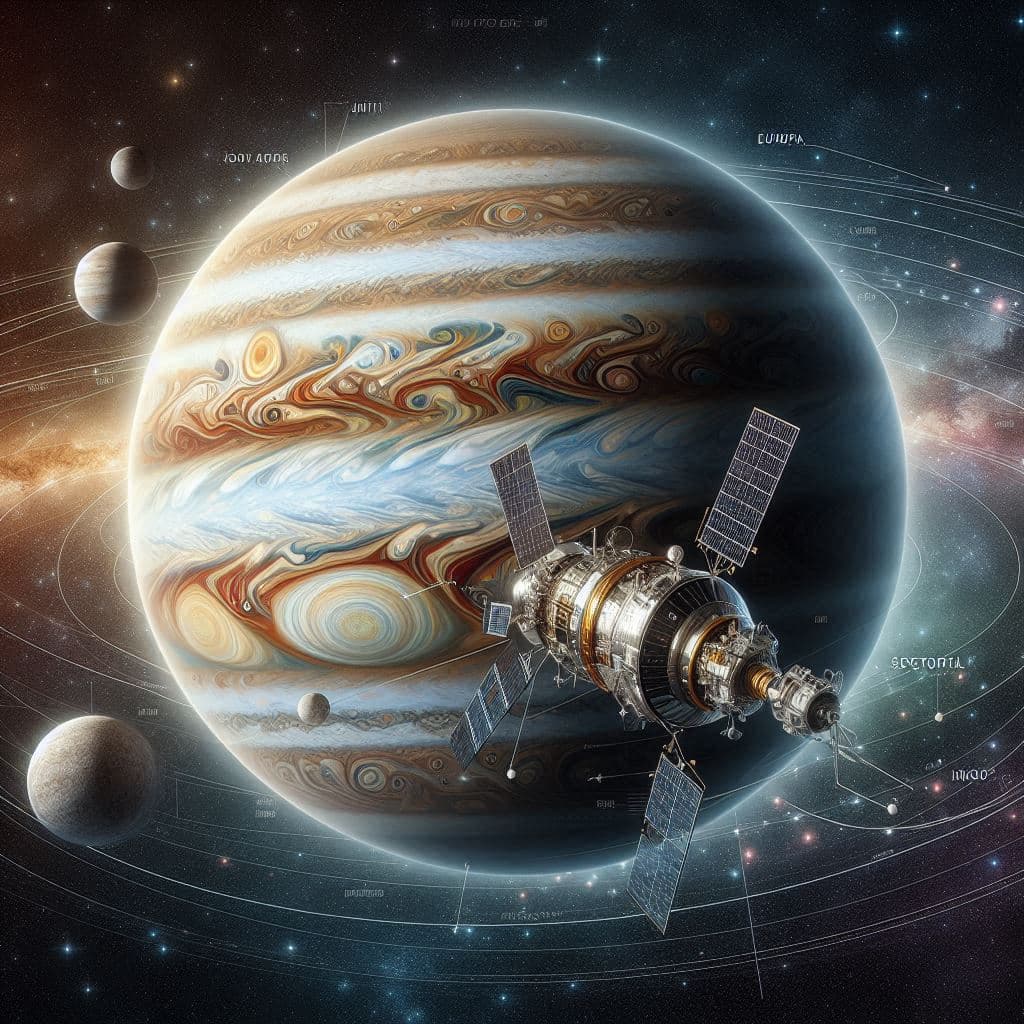
Re-analysis of NASA’s Galileo data reveals the first detection of ammonia-bearing compounds on the surface of Europa, offering clues about its subsurface ocean and geological activity.

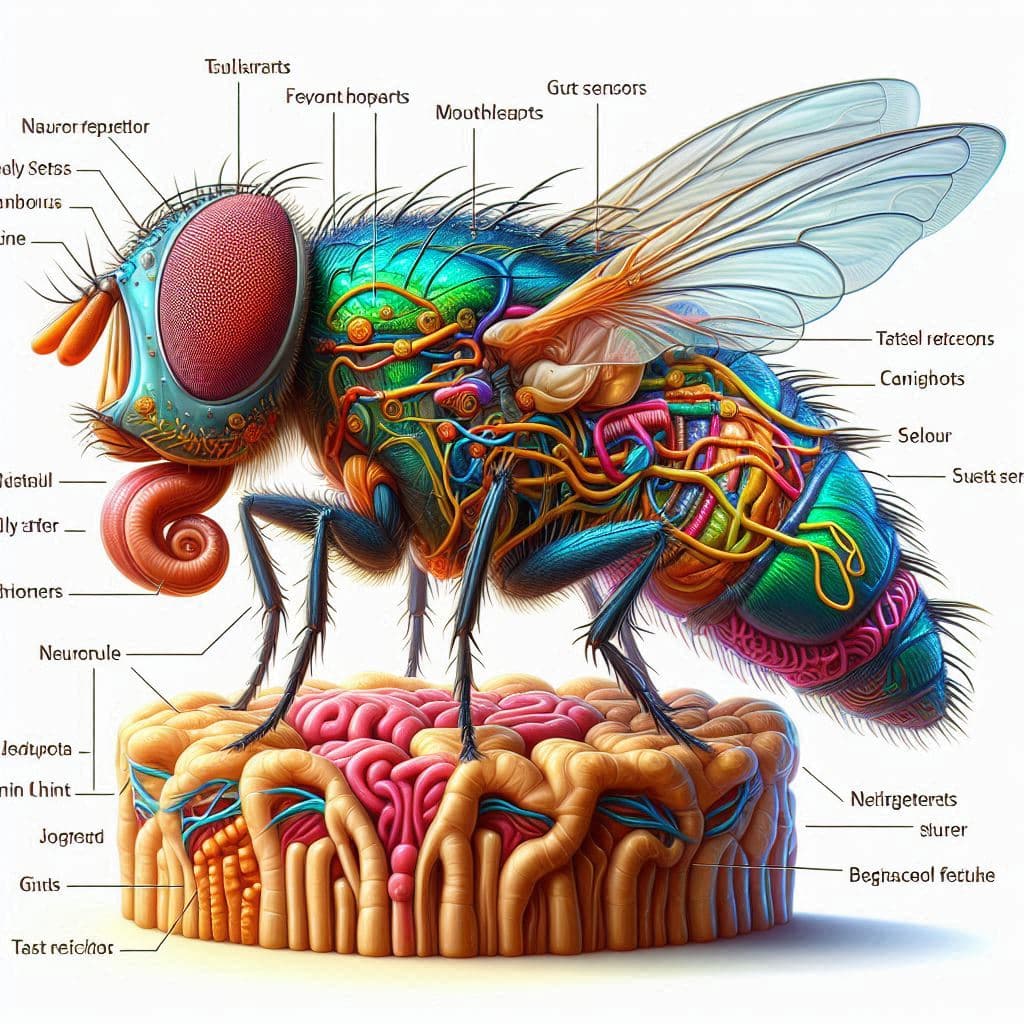
Research on neural circuits in fruit flies reveals how gut-brain communication, taste processing, and hunger signals govern feeding behavior, offering insights relevant to human appetite and eating.

NASA’s Artemis 2 lunar mission and SpaceX’s Crew-12 launch must share resources and timing, creating a careful coordination between lunar ambition and ongoing space station operations.

After a major sewage spill into the Potomac River, officials say drinking water remains safe due to upstream intakes and treatment systems, even as river contact advisories remain in place.

Physicists have created the largest Schrödinger’s cat–like system yet, scaling quantum superposition to unprecedented size and testing the boundary between quantum and classical reality.

A bald eagle is undergoing treatment for lead poisoning at a Mid-Michigan wildlife rehabilitation center, highlighting the ongoing threat of environmental lead to raptors.

New research identifies genetic factors acting at the earliest stages of development that help explain spontaneous abortions as biological checkpoints rather than later pregnancy failures.