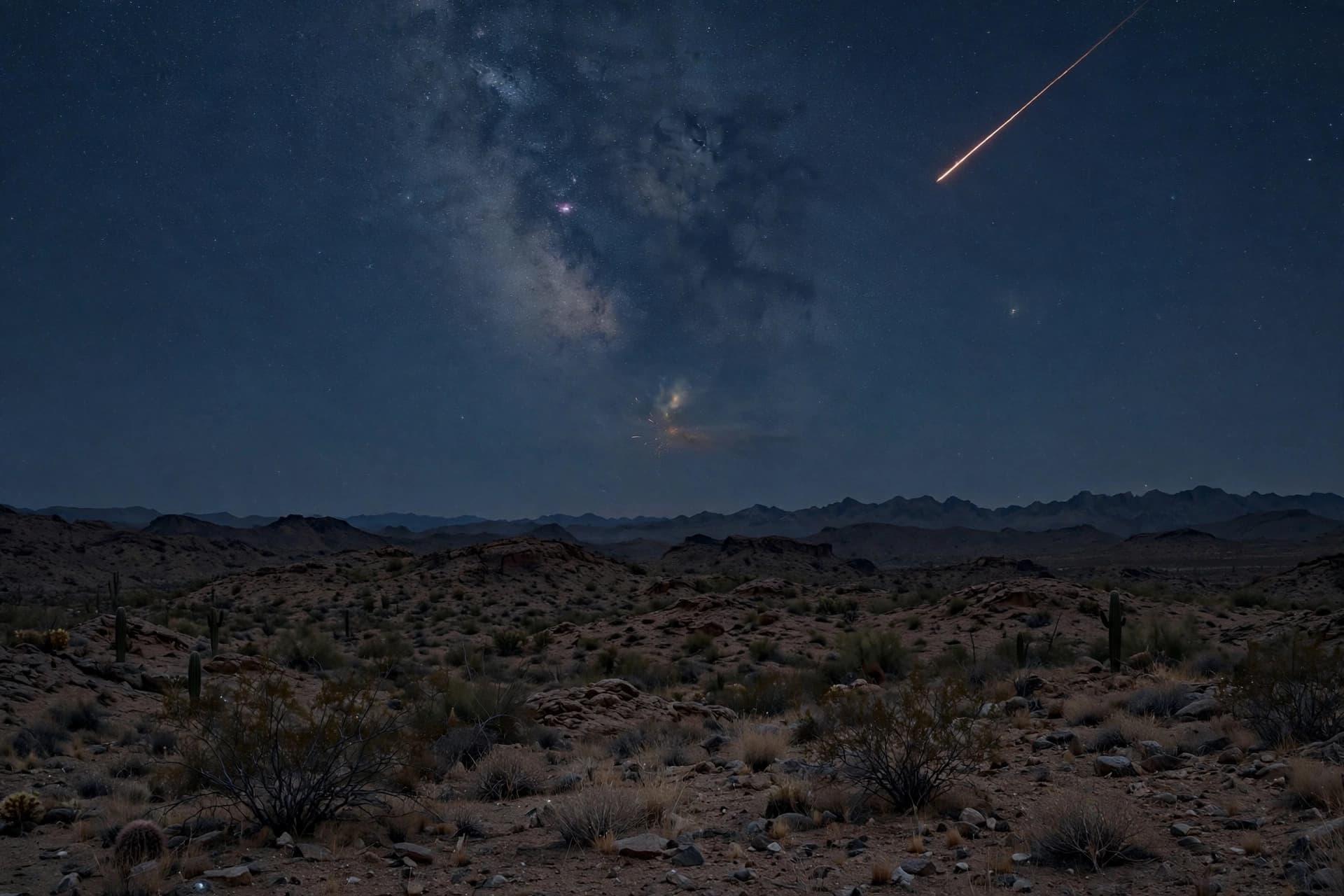
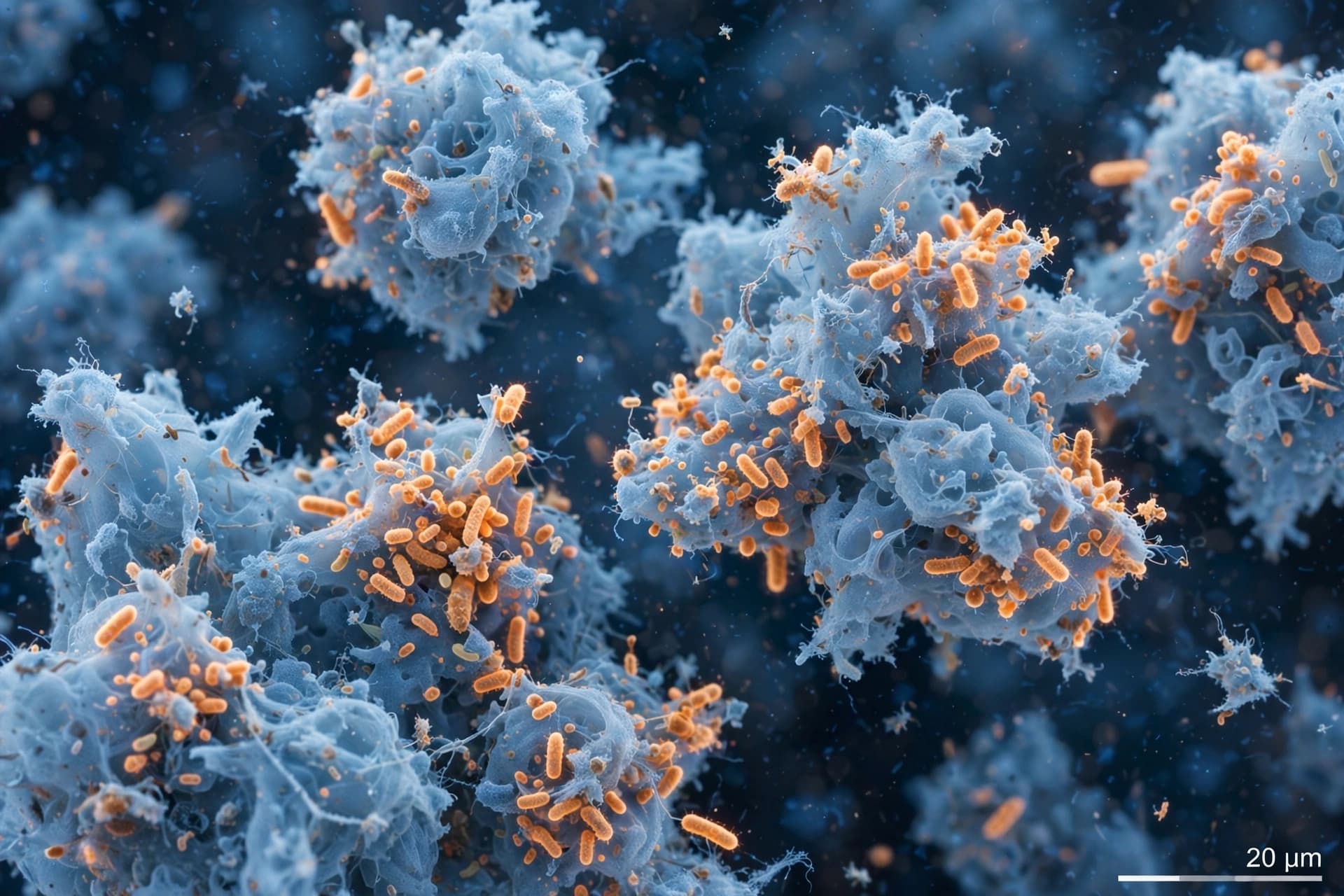
Against the velvet darkness of space, the Horsehead Nebula stands as a familiar silhouette, its shape etched softly against a luminous backdrop. For decades it has been admired for its form, a quiet landmark in the Orion constellation. Yet beyond its visual poetry lies a subtler story, one written not in outlines but in atoms, light, and the slow patience of chemistry unfolding across interstellar distances.
Within this nebula, organic molecules do not drift aimlessly. They gather, thin, and reappear in patterns that mirror the invisible influence of their environment. Recent studies tracing these molecules reveal that their distribution follows a quiet logic, guided by atomic carbon. This form of carbon, neither fully bound nor entirely inert, emerges as a key architect, shaping where complex chemistry can begin and where it fades.
Along the nebula’s illuminated edges, ultraviolet radiation from nearby stars gently disrupts molecular bonds. In these regions, atomic carbon becomes abundant, setting the stage for new chemical pathways. Rather than erasing complexity, this radiation-driven process appears to encourage it, allowing simple fragments to reorganize into larger organic compounds. The result is a layered chemical landscape, where different molecules occupy distinct zones like notes arranged along a scale.
Deeper within the nebula, where light weakens and shielding increases, chemistry takes on a different pace. Here, molecules persist longer, protected from disruption, carrying the imprint of earlier reactions. The contrast between these regions highlights how light and matter negotiate balance, with atomic carbon acting as a mediator between destruction and creation.
What these observations suggest is not a chaotic interstellar chemistry, but one that is responsive and structured. Organic molecules trace the flow of energy through the nebula, revealing signposts of processes that may be common throughout star-forming regions. The Horsehead, long admired for its appearance, becomes instead a quiet guide, showing how fundamental elements assemble complexity under simple physical rules.
In straightforward terms, astronomers have mapped where organic molecules reside in the Horsehead Nebula and found that atomic carbon plays a central role in driving this chemistry. The results clarify how radiation influences molecular formation in interstellar clouds. This work contributes to a broader understanding of chemical processes that precede star and planet formation.
AI Image Disclaimer
Visuals are created with AI tools and are not real photographs.
---
Sources
NASA European Space Agency European Southern Observatory The Astrophysical Journal Phys.org
Published by Banx Network. This article is part of the Banx decentralized media programme, powered by the BXE token on the XRP Ledger.