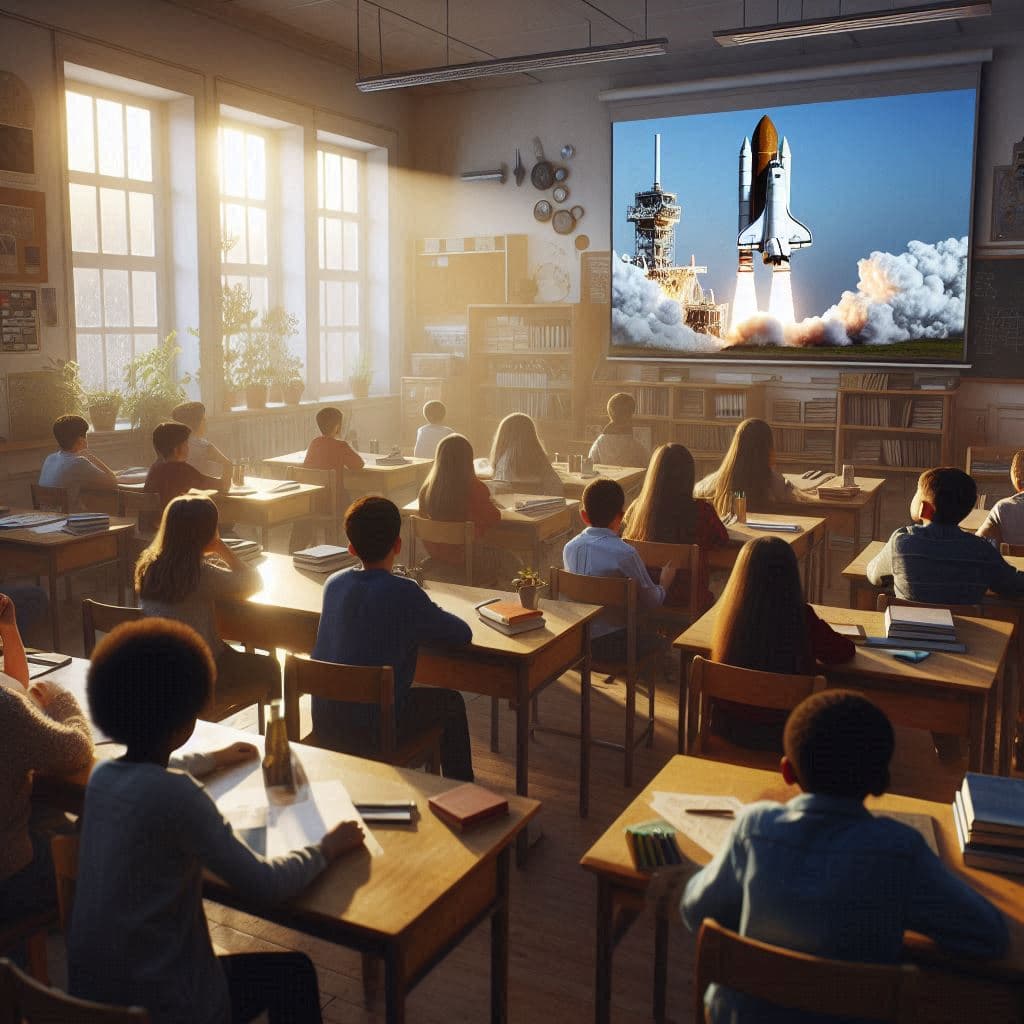
When Teaching Outlived the Shuttle: Christa McAuliffe’s Enduring Mission
Forty years after Challenger, Christa McAuliffe’s vision of teaching from space continues through education, remembrance, and NASA’s ongoing outreach.

Forty years after Challenger, Christa McAuliffe’s vision of teaching from space continues through education, remembrance, and NASA’s ongoing outreach.

A NASA research aircraft made a belly landing after a mechanical issue, highlighting aviation preparation and safety as all onboard exited safely.

Interstellar objects like 3I/ATLAS are driving the creation of coordinated global networks to detect and study fleeting visitors from beyond our solar system.

Scientists reanalyzing Kepler data have identified a possible Earth-sized planet in a cold orbit, highlighting how old observations can still reveal new worlds.

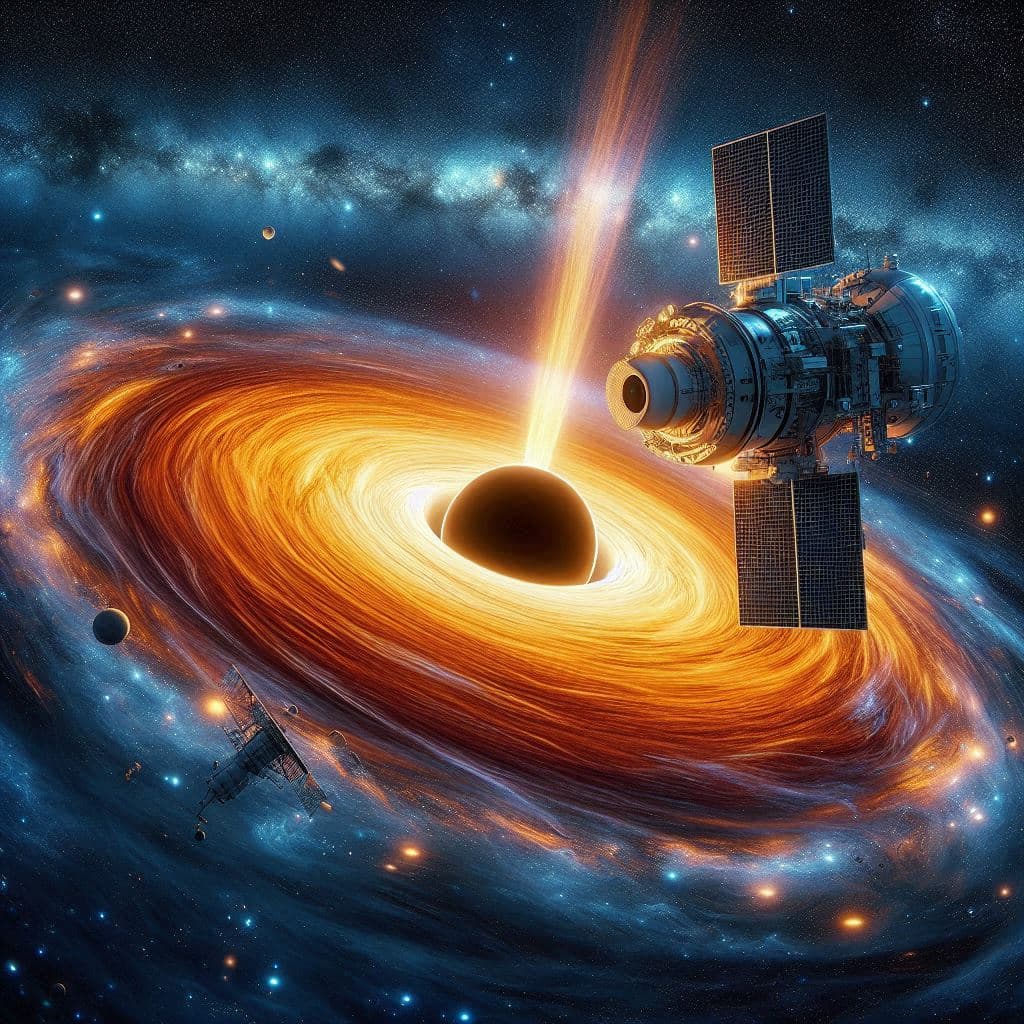
Black hole research has received a boost with nearly £1 million in funding awarded to a UK astronomer to study supermassive black holes using new X‑ray observatories, expanding opportunities to understand cosmic evolution.

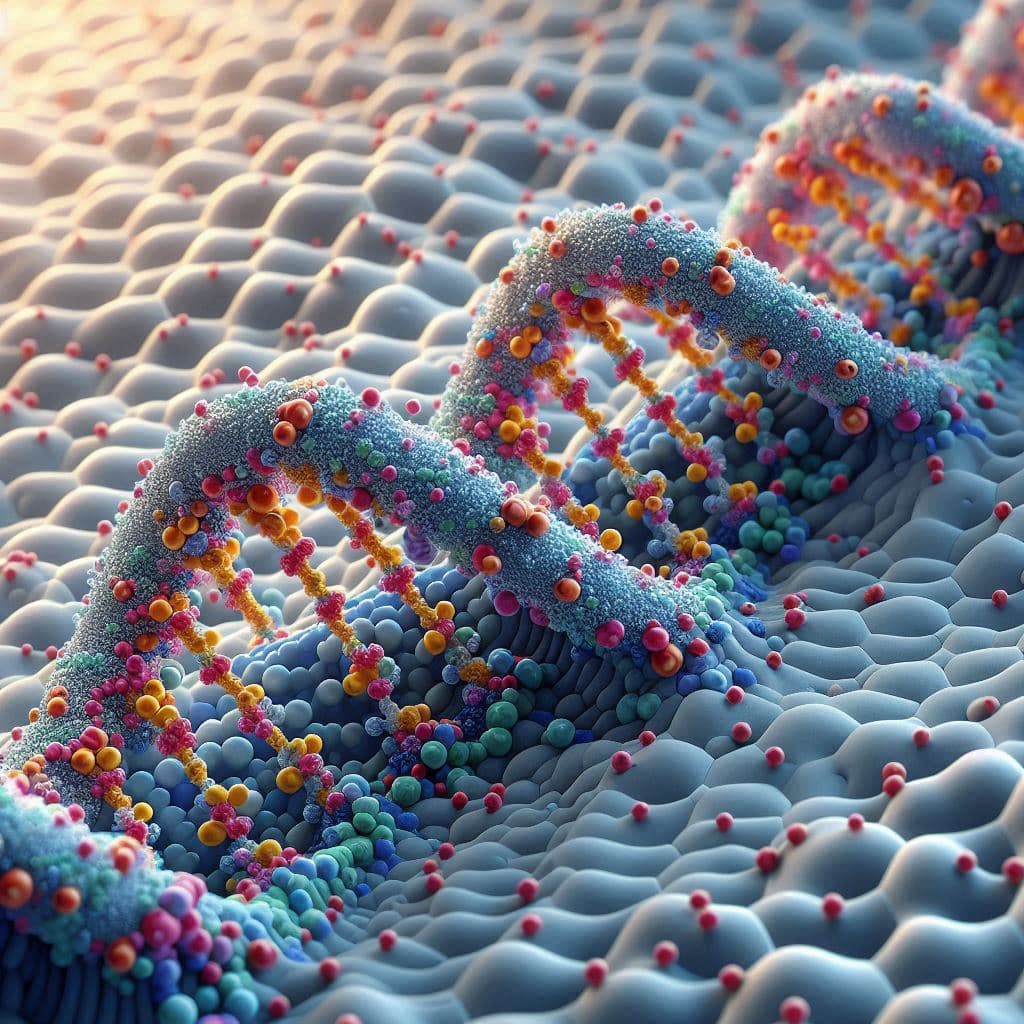
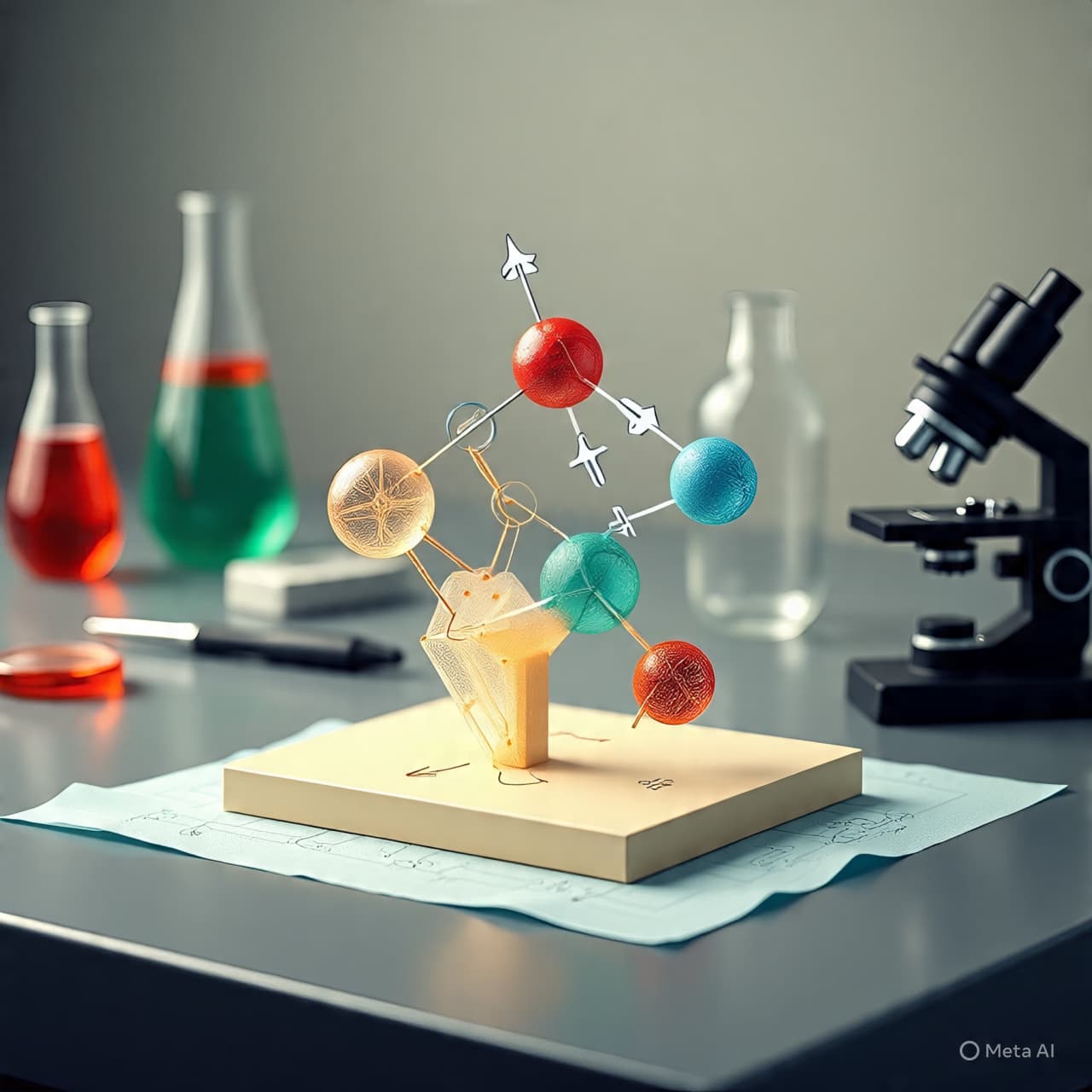
Scientists, led by ANU researchers, have developed a sensitive technique to detect tiny malfunctions in tRNA molecules — key to protein synthesis — offering new insight into genetic errors linked to diseases

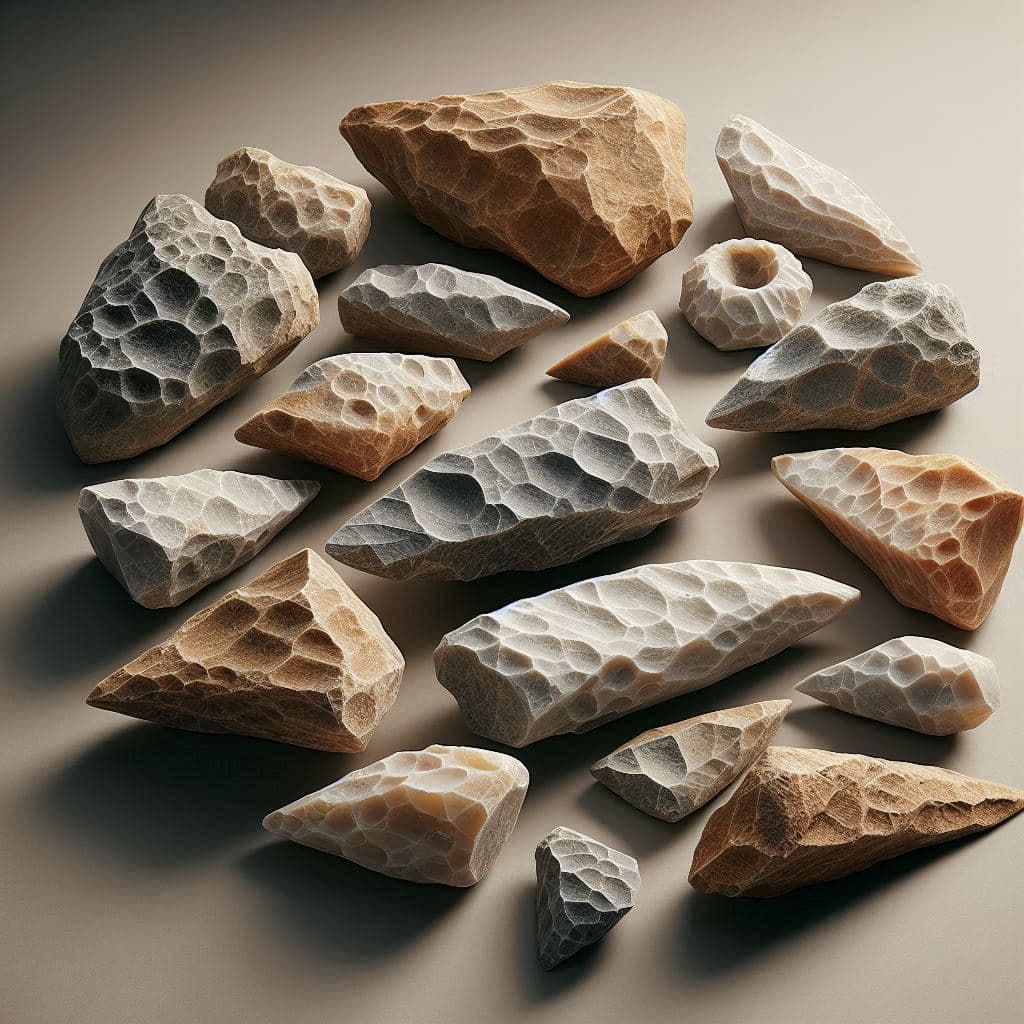
New research on stone tools from the Xigou site in China reveals sophisticated toolmaking, including hafted composite tools dating from 160,000–72,000 years ago, reshaping ideas about early technological innovation in East Asia

Greenland’s floating seaweed travels offshore, driven by currents and deep mixing, then sinks into the deep ocean where it stores carbon away from the atmosphere, highlighting a natural pathway in the global carbon cycle

A rare coastal marten, thought nearly extinct, was spotted on remote cameras in northern California, offering hope for conservation and survival of the elusive predator.

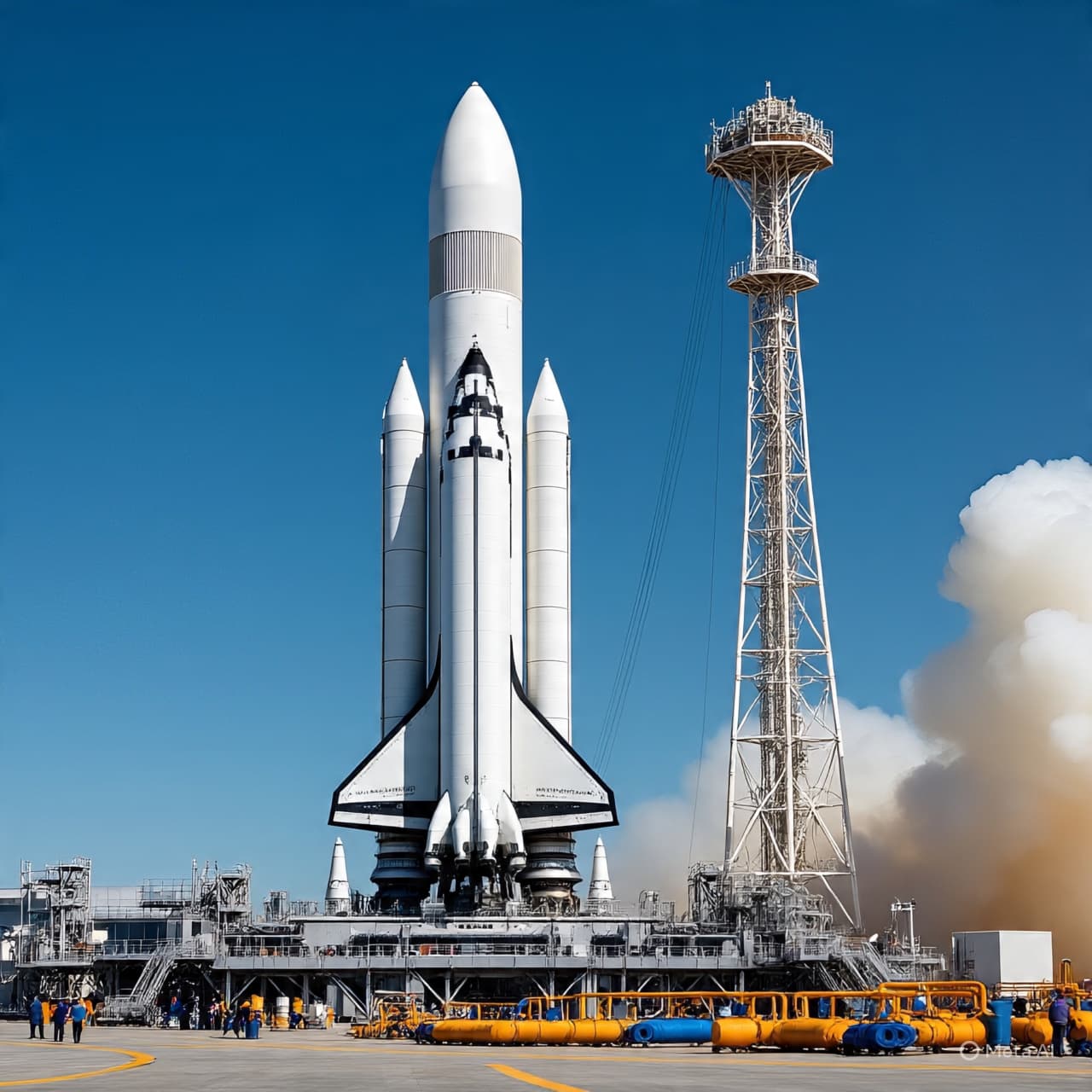
Summary (max 200 characters) Japan’s H3 rocket failed to place its 5-ton Michibiki-5 navigation satellite into orbit due to a second-stage anomaly, prompting analysis and future mission adjustments

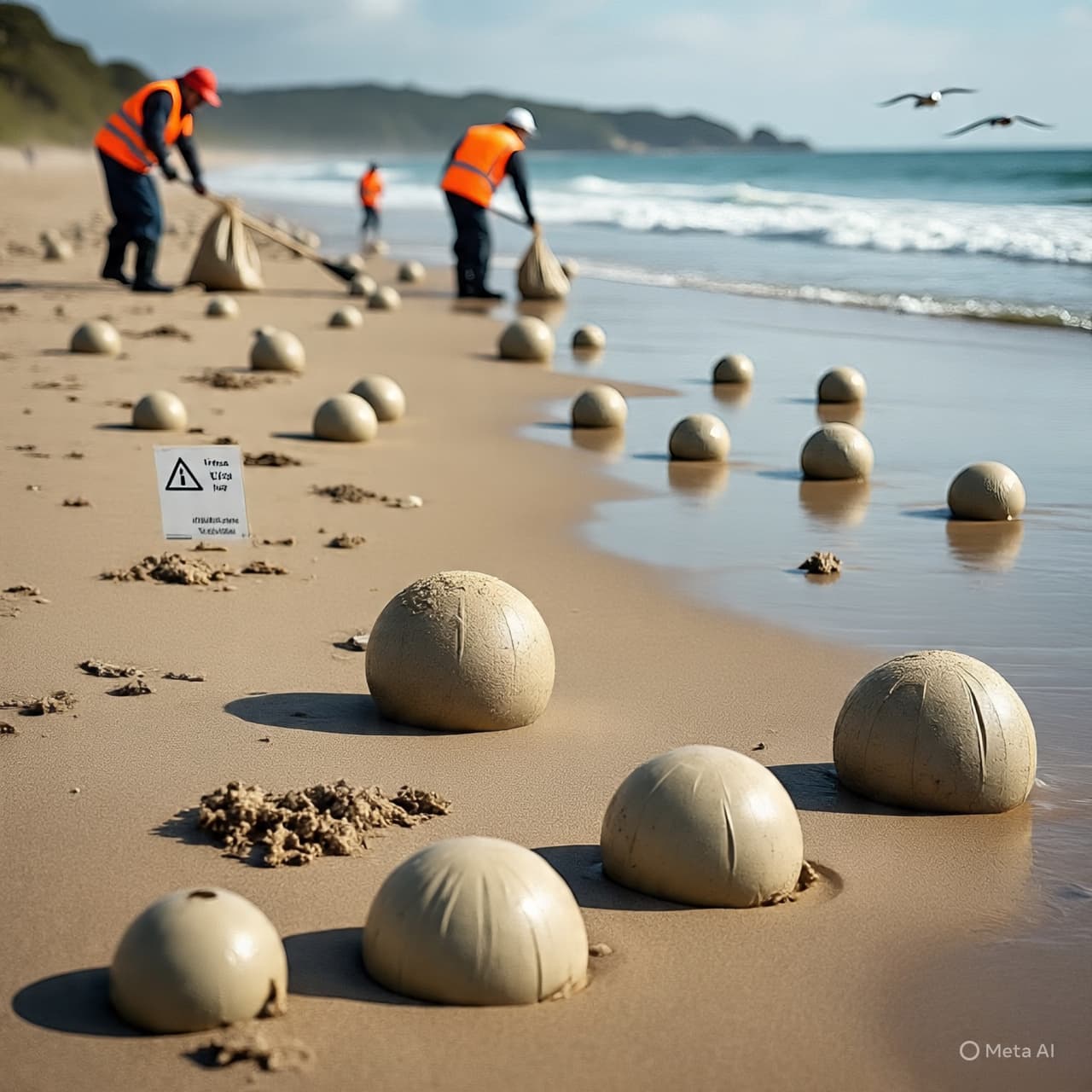
A 16‑month investigation into foul‑smelling balls on Sydney beaches traced them to fatty waste from the city’s wastewater outfall, revealing delays in official transparency.

Astronomers using a new AI tool uncovered more than 800 previously unknown cosmic anomalies hidden in archival Hubble images, revealing how much of the universe remains quietly unexplored.

A rare cosmic alignment allowed the Hubble Space Telescope to observe interstellar comet 3I/ATLAS with unprecedented clarity, revealing jet structures and dust features.

Peter H. Duesberg, 89, a molecular biologist known for early cancer gene work and later controversial views rejecting the HIV-AIDS link, has died after a long illness.

NASA moved the critical Artemis II fueling test — a full wet dress rehearsal of the SLS rocket and Orion spacecraft — up to January 31 as preparations progress ahead of the targeted February launch.

Claims that wind and solar create problematic landfill waste overlook the bigger picture: renewables displace far more ongoing fossil pollution than they create inert, manageable waste.

Scientists found a lower-pressure pathway to form stable, high-energy polymeric carbon dioxide-equivalent materials, offering a potential new class of energetic substances.

Scientists track asteroid 2024 YR4’s orbit; it has a small chance of hitting the Moon in 2032, possibly creating a crater and sending debris that could reach Earth.

Peter H. Duesberg, a once-renowned biologist whose later rejection of the link between H.I.V. and AIDS drew sharp criticism, has died at 89.

Astronomers used a new AI tool to identify over 800 cosmic anomalies, revealing unexpected objects and signals hidden within vast astronomical datasets.

A six-year cosmic survey confirms the standard model of cosmology with striking precision, though unresolved tensions over the universe’s expansion rate remain.

Six years of Dark Energy Survey data reveal hints that dark energy might not be constant, prompting re-examination of cosmic expansion and the universe’s evolution.

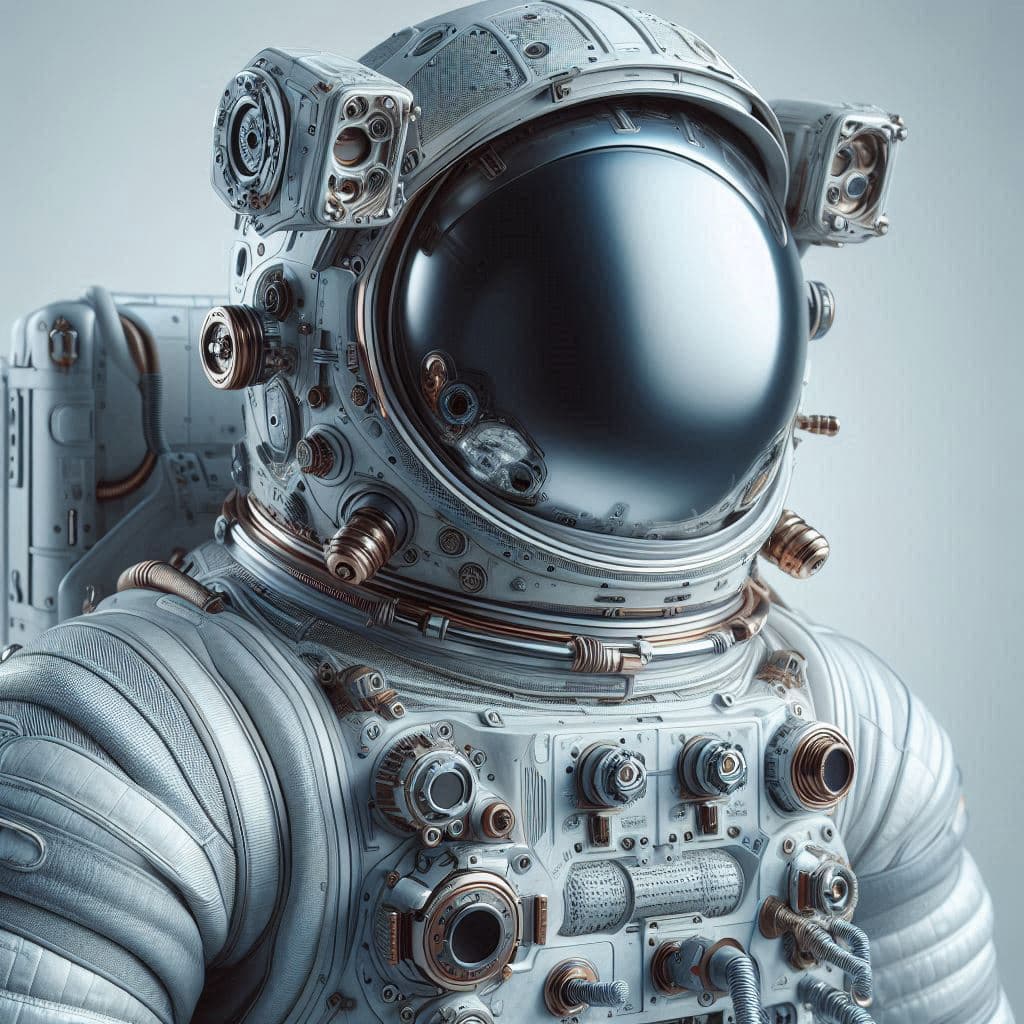
Former astronaut Kate Rubins said NASA’s Artemis lunar spacesuits still face significant flexibility and mobility issues, making basic tasks challenging and prompting further refinement.

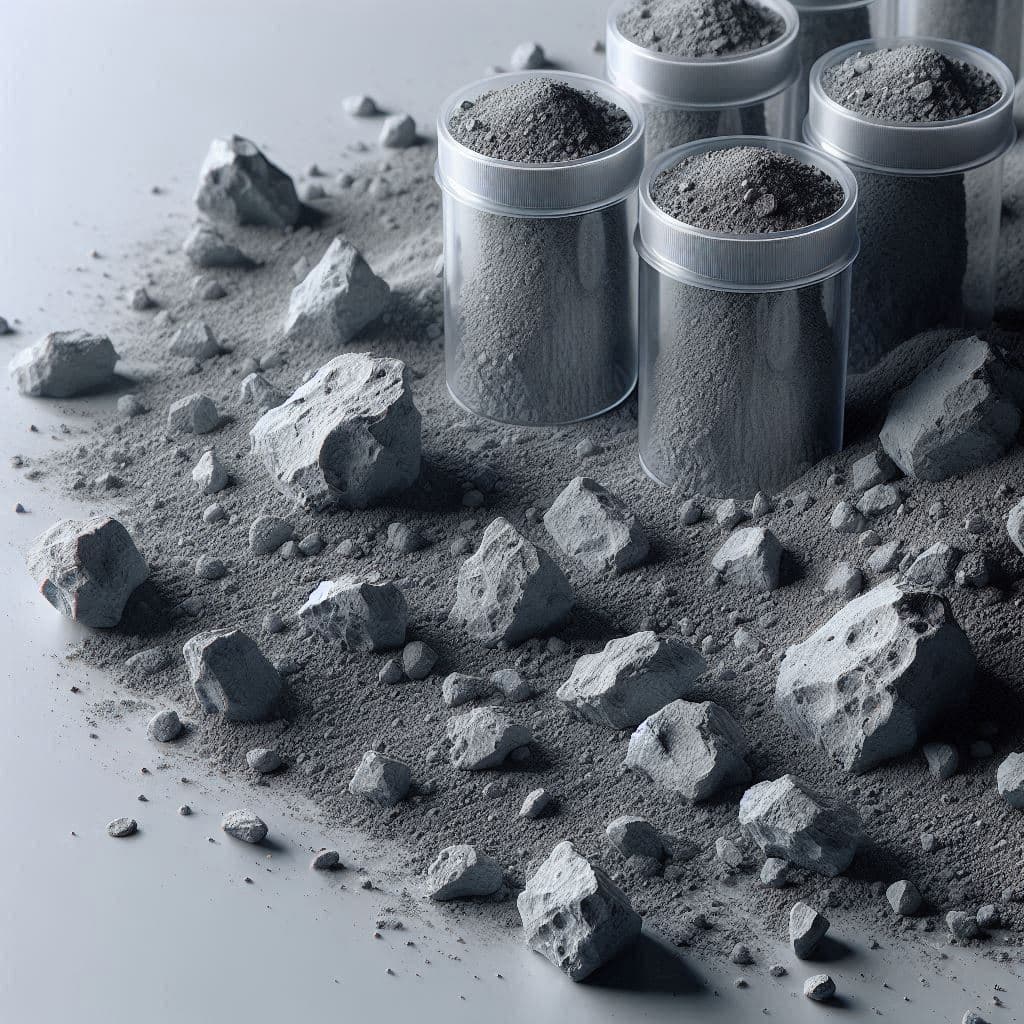
New analysis of lunar samples shows meteorite impacts could only have delivered a small fraction of Earth’s water, suggesting other sources or earlier processes supplied most of our oceans.