SCIENCE81% credibility
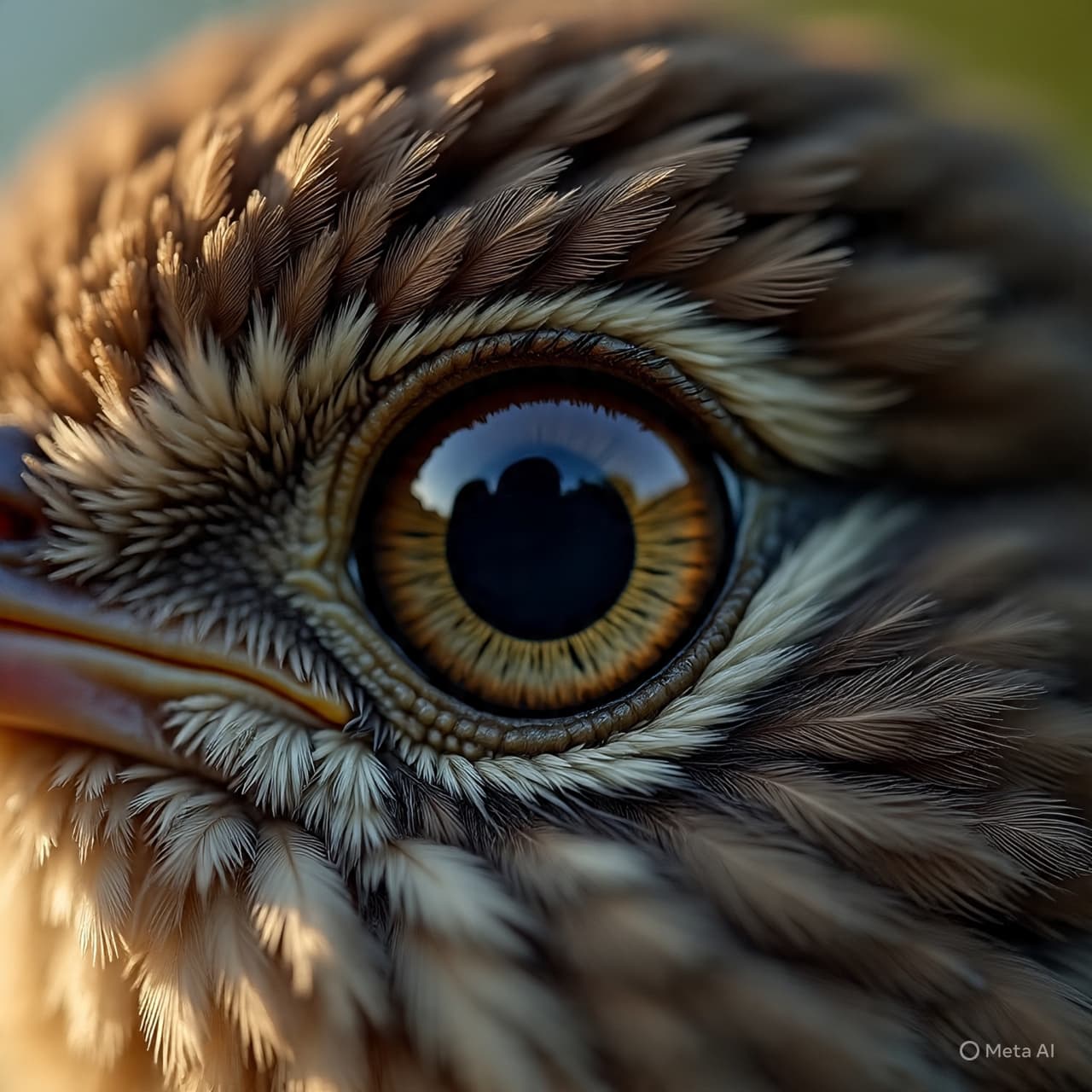
Between Light and Flight: The Hidden Workings of Bird Eyes
A newly discovered structure in bird eyes may explain the curious lack of retinal blood, highlighting evolution’s subtle ingenuity.
5 min read

A newly discovered structure in bird eyes may explain the curious lack of retinal blood, highlighting evolution’s subtle ingenuity.
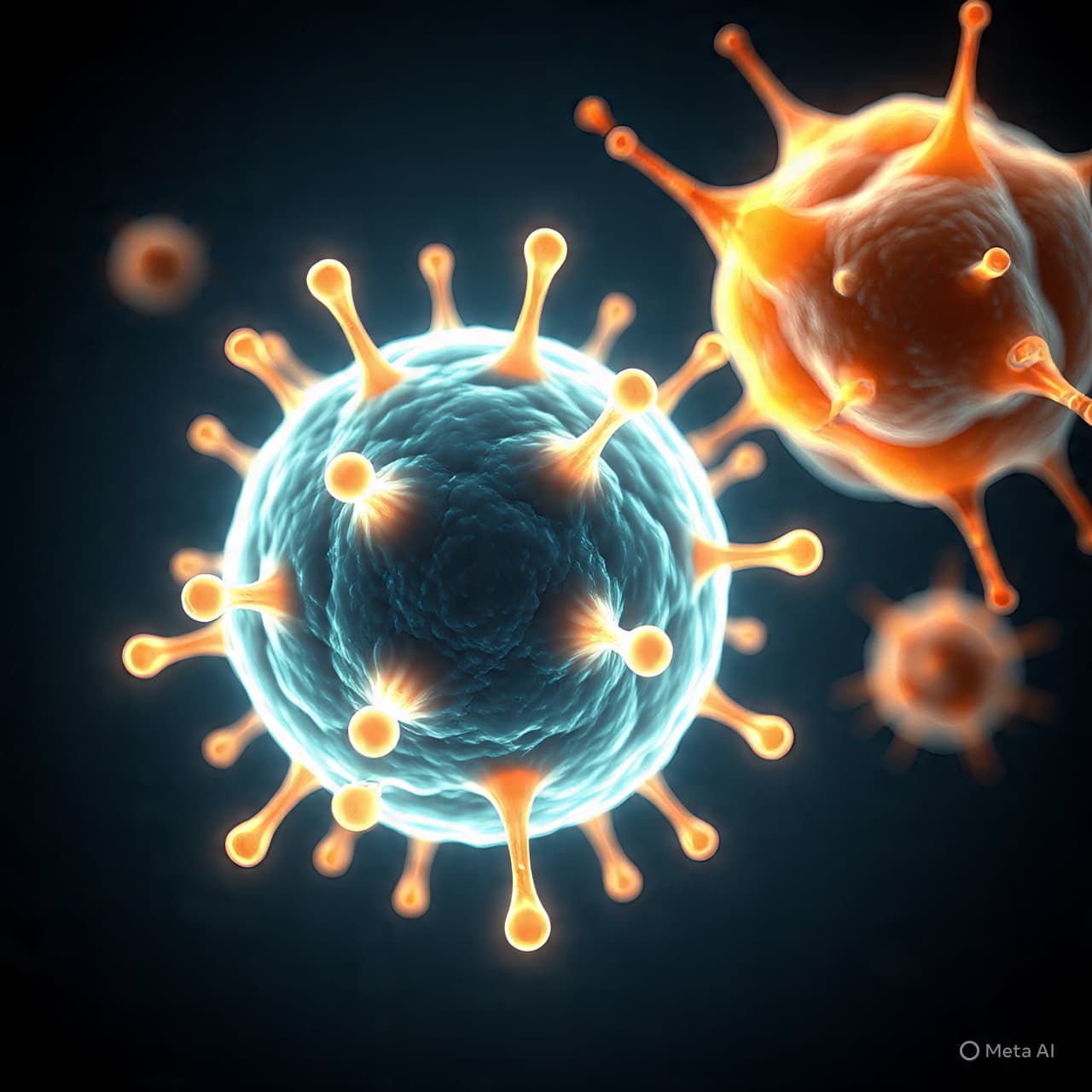
A giant virus discovered in a Japanese pond may offer clues to the origins of multicellular life, blurring the lines between simple and complex organisms.

An endangered Galapagos seabird traveled 3,000 miles to California, showcasing nature’s resilience and the unpredictability of migration.
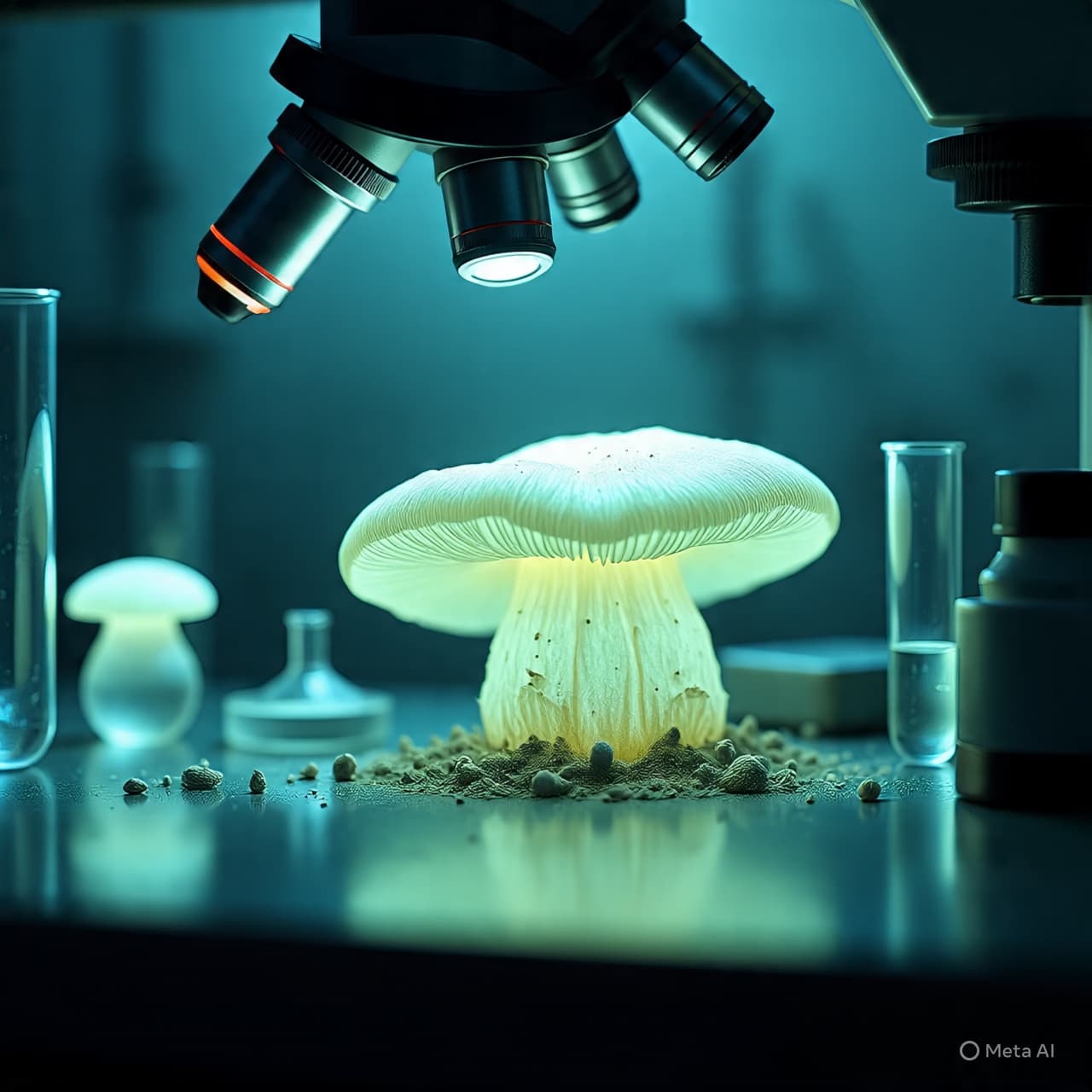
Chernobyl’s fungi evolved to convert radiation into energy, revealing life’s extraordinary resilience in the exclusion zone.

A Russian missile strike on an animal shelter in Ukraine has resulted in the deaths and injuries of numerous animals, sparking outrage and condemnation from animal welfare organizations and the international community.

Ancient DNA from a 12,000‑year‑old cave burial in Italy reveals a rare inherited growth disorder in a mother and daughter, offering deep insight into prehistoric lives.

A Welsh study finds children in homes with wood burners have up to three times more indoor particle pollution than those without, highlighting homes as major sources of daily exposure.
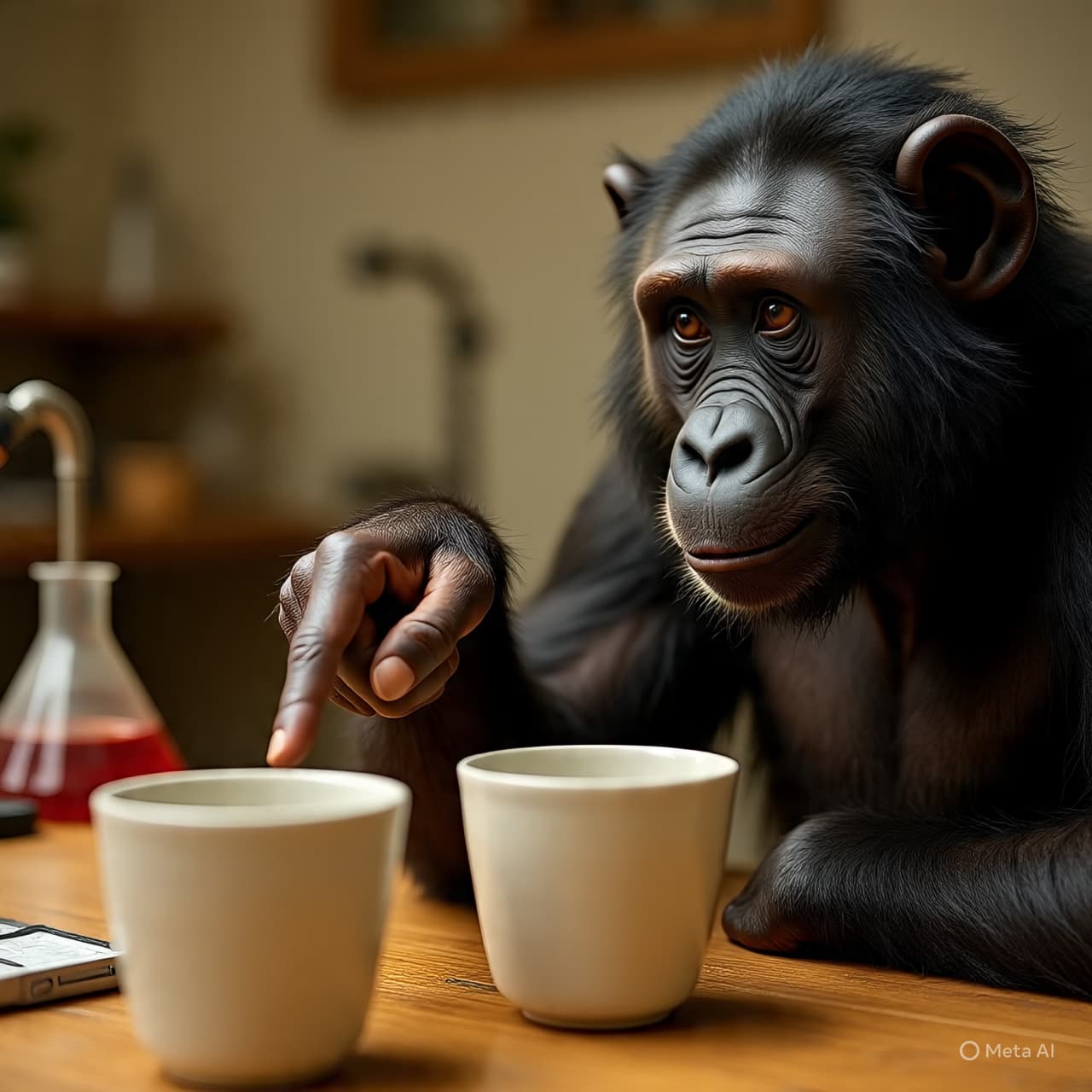
A new study shows a bonobo named Kanzi could track imaginary objects in tea‑party experiments, suggesting great apes may share aspects of imaginative play with humans.
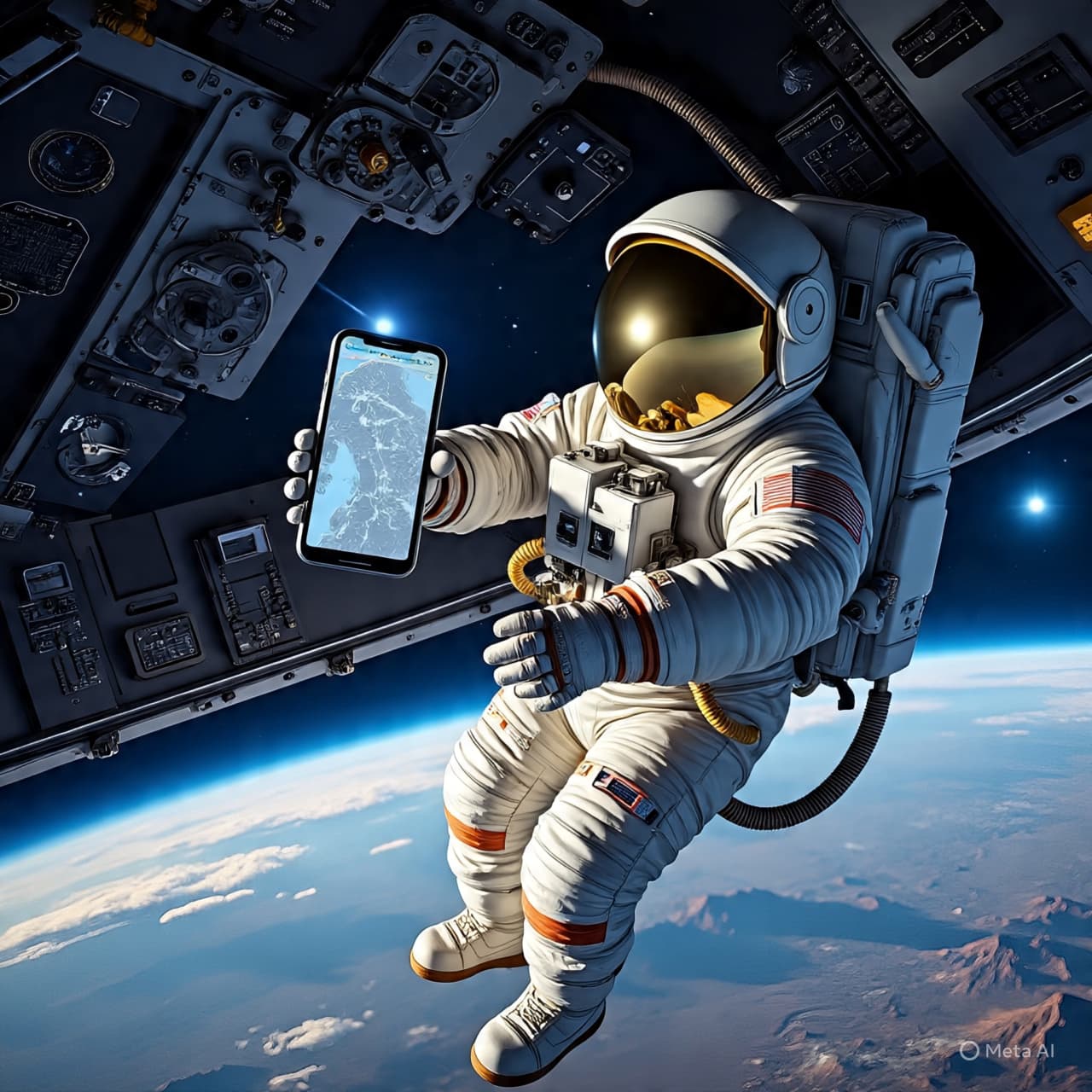
NASA will allow astronauts to carry modern smartphones on the Crew-12 and Artemis II missions, marking a first for lunar-bound documentation and human connection.
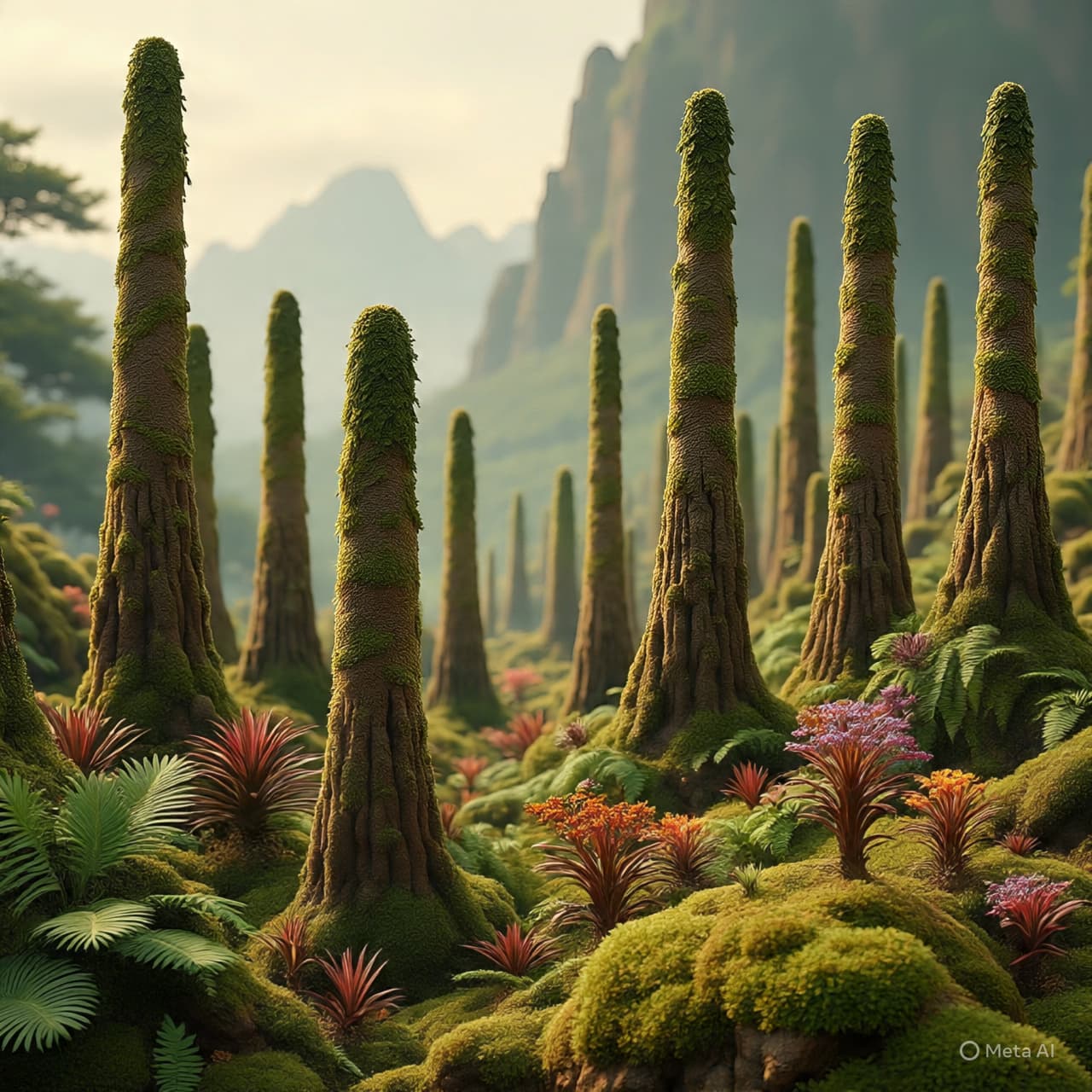
New studies show Prototaxites, a towering organism from about 400 million years ago, was the largest land life form then and may belong to a completely unknown branch of multicellular life.
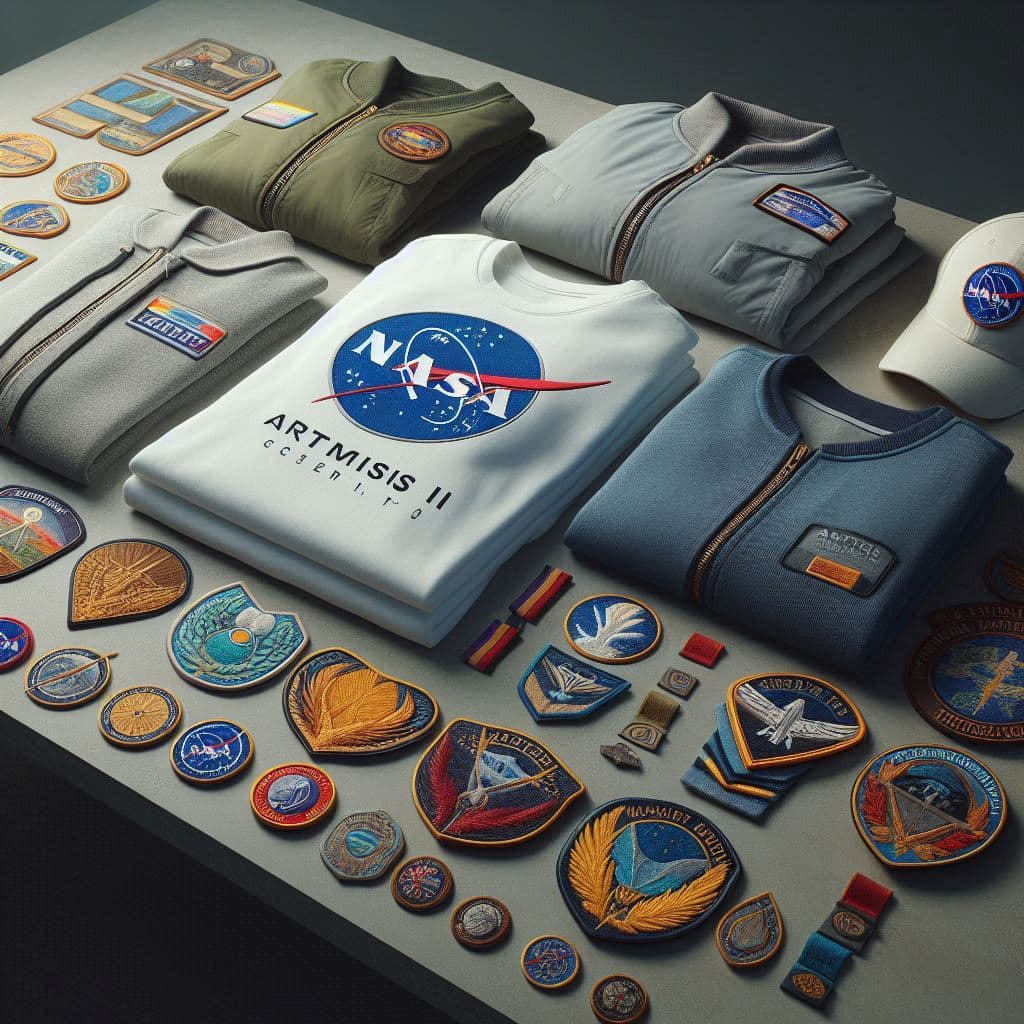
A reflective look at Artemis II gear, exploring how mission patches, apparel, and collectibles quietly connect Earth to NASA’s careful return to the Moon.

Ancient rocks in Scotland suggest that even during Snowball Earth, the planet experienced annual climate cycles, revealing a more dynamic frozen world than once believed.
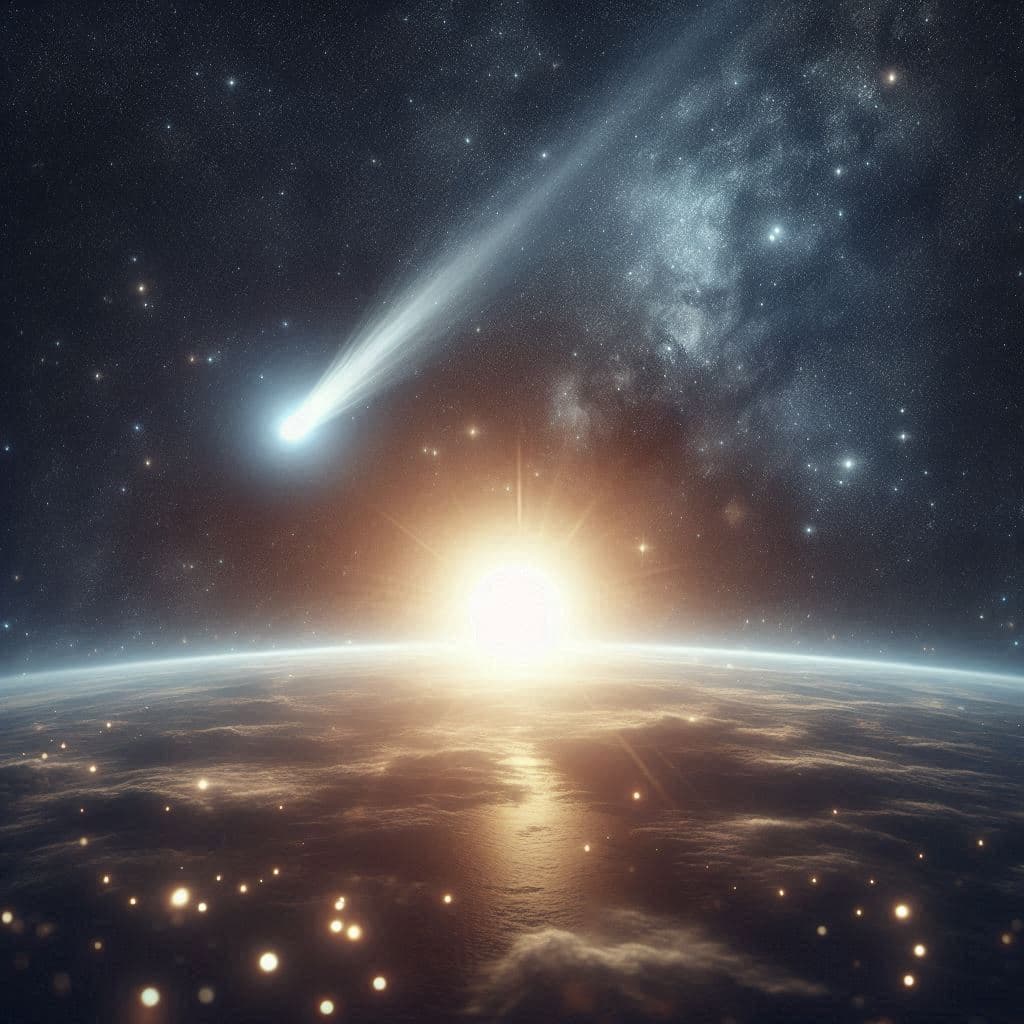
Astronomers are tracking a newly discovered comet, though experts say daylight visibility is rare and uncertain as observations continue.

An upgraded space weather alert suggests the Northern Lights could be visible in up to 21 U.S. states Thursday as geomagnetic activity increases.
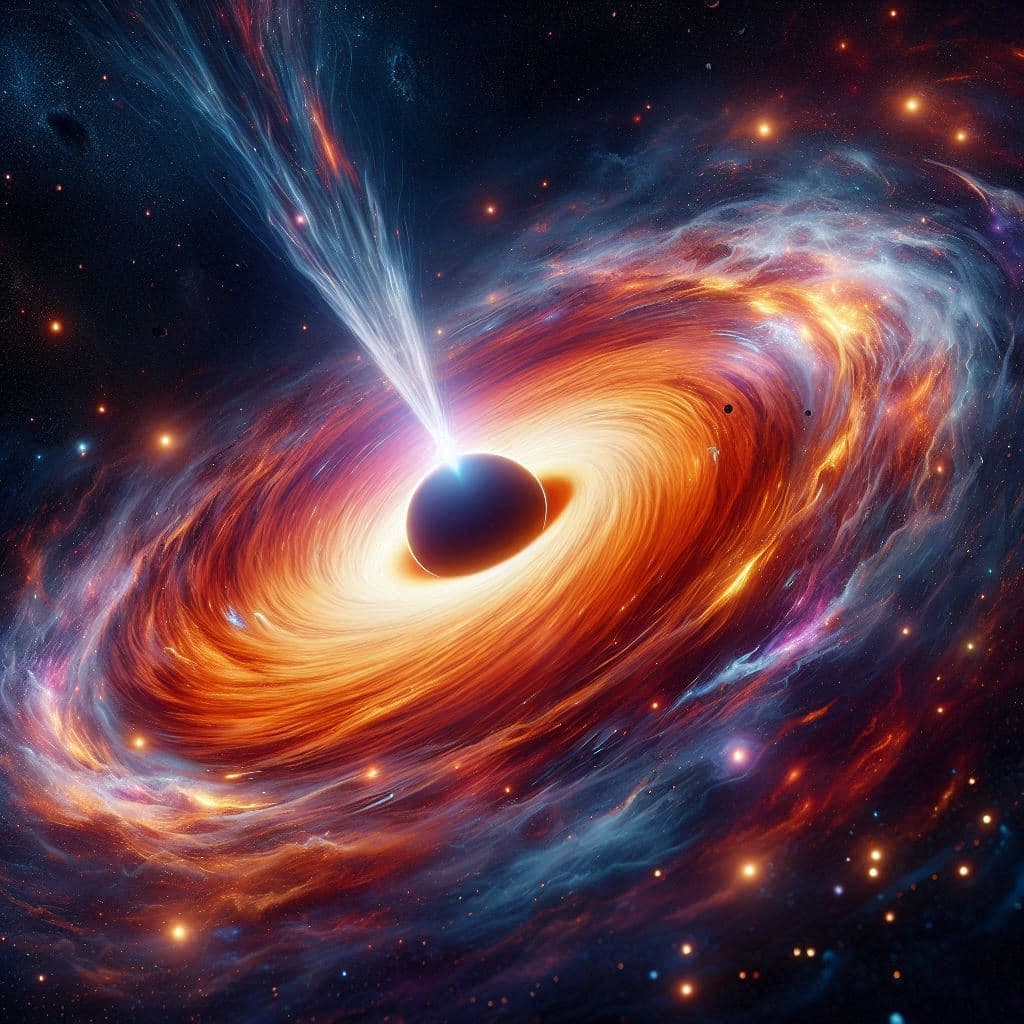
A rare high-energy particle detected in 2023 has sparked debate about black holes, suggesting extreme activity near them rather than an actual cosmic explosion.
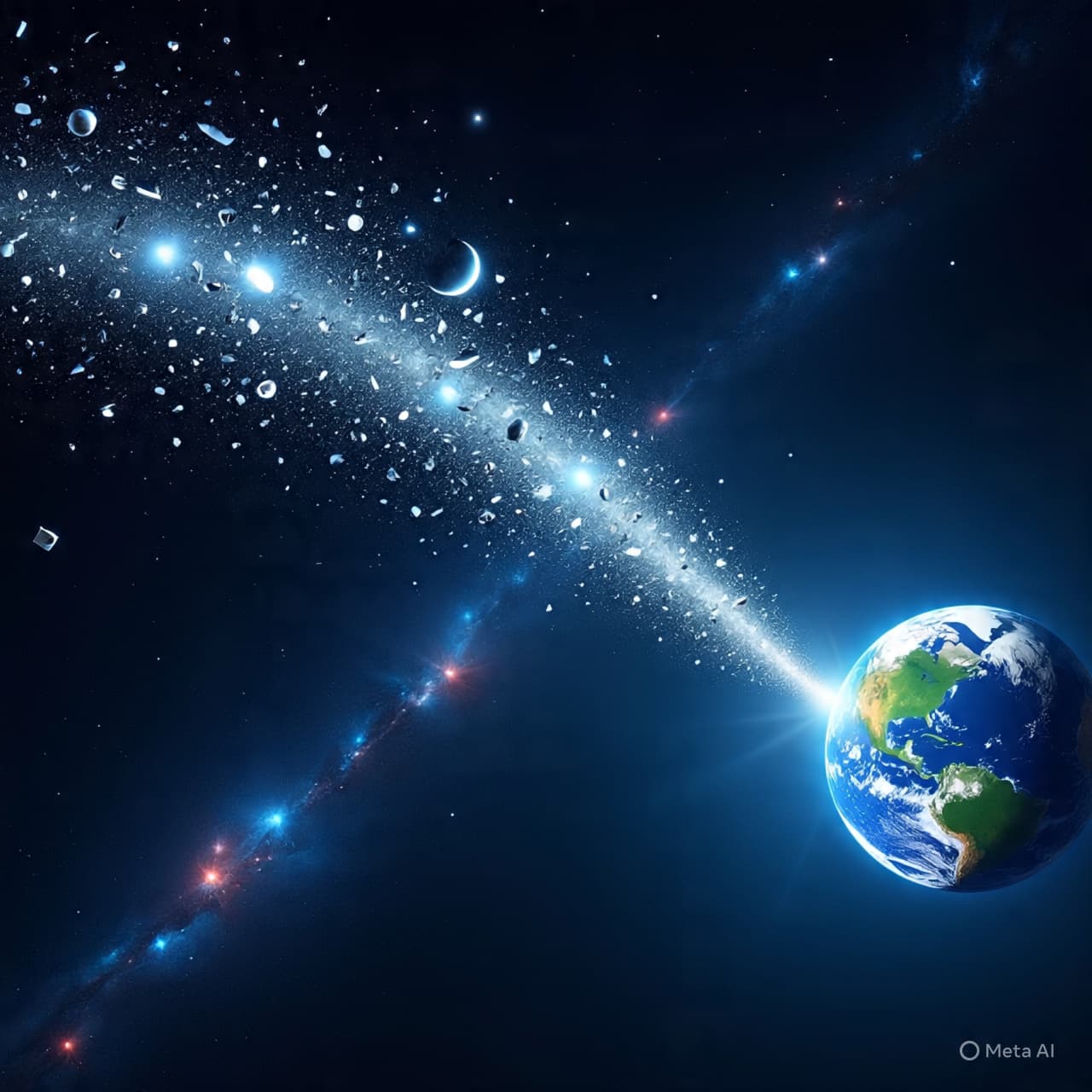
A potential lunar impact in 2032 could send debris toward Earth, creating multiple nights of meteor showers and a rare celestial spectacle.

Scientists discovered a tiny antibody that targets a hidden weak spot in the coronavirus, offering hope for new therapies and defenses against emerging variants.

Biochemists have developed a faster, more precise method to identify potential pharmaceutical compounds using computational and biochemical screening.
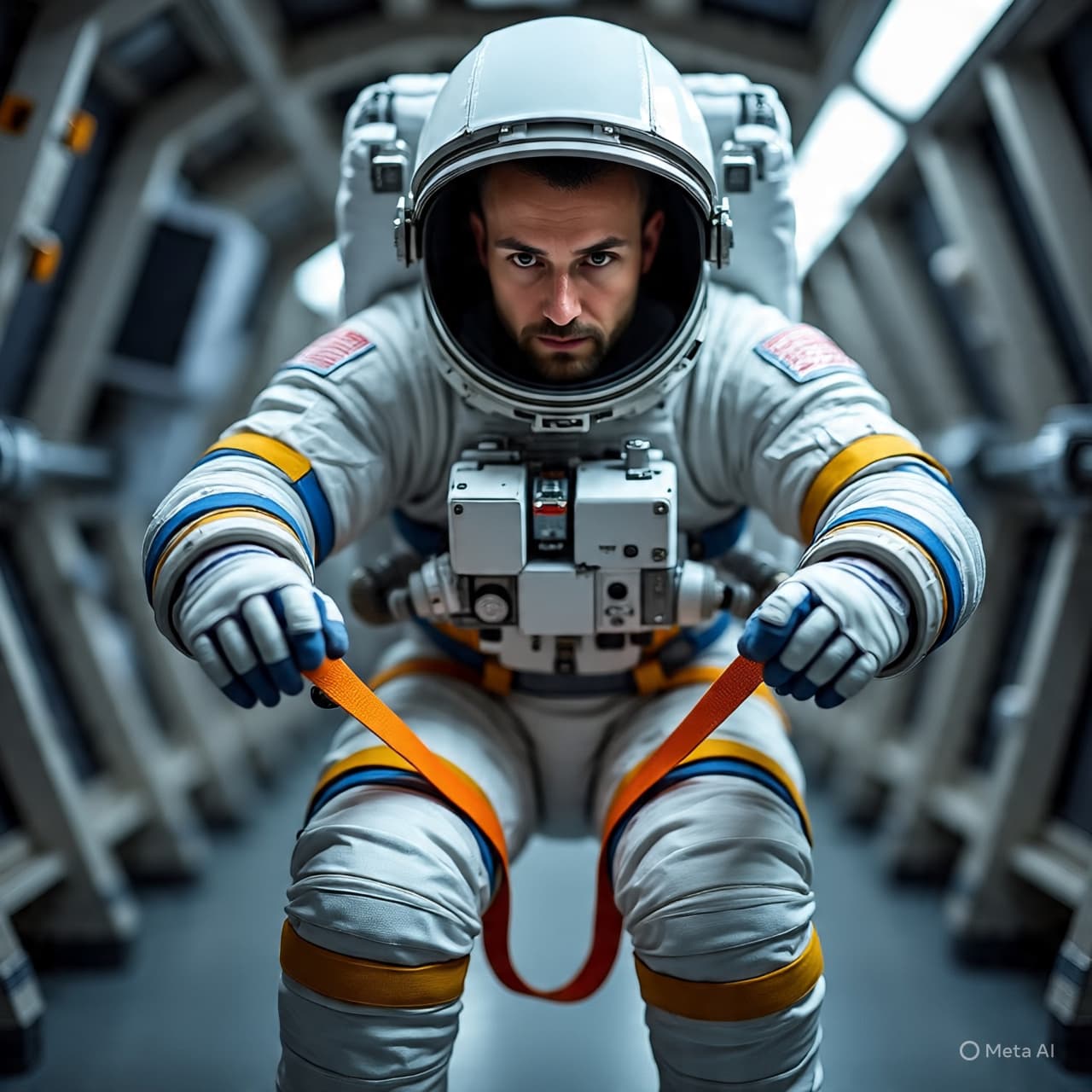
NASA’s SpaceX Crew-12 will study how astronauts adapt to microgravity, revealing insights into human biology, resilience, and long-duration spaceflight.

Newborns can anticipate rhythmic patterns in music, showing rhythm perception is innate, while melody develops later.
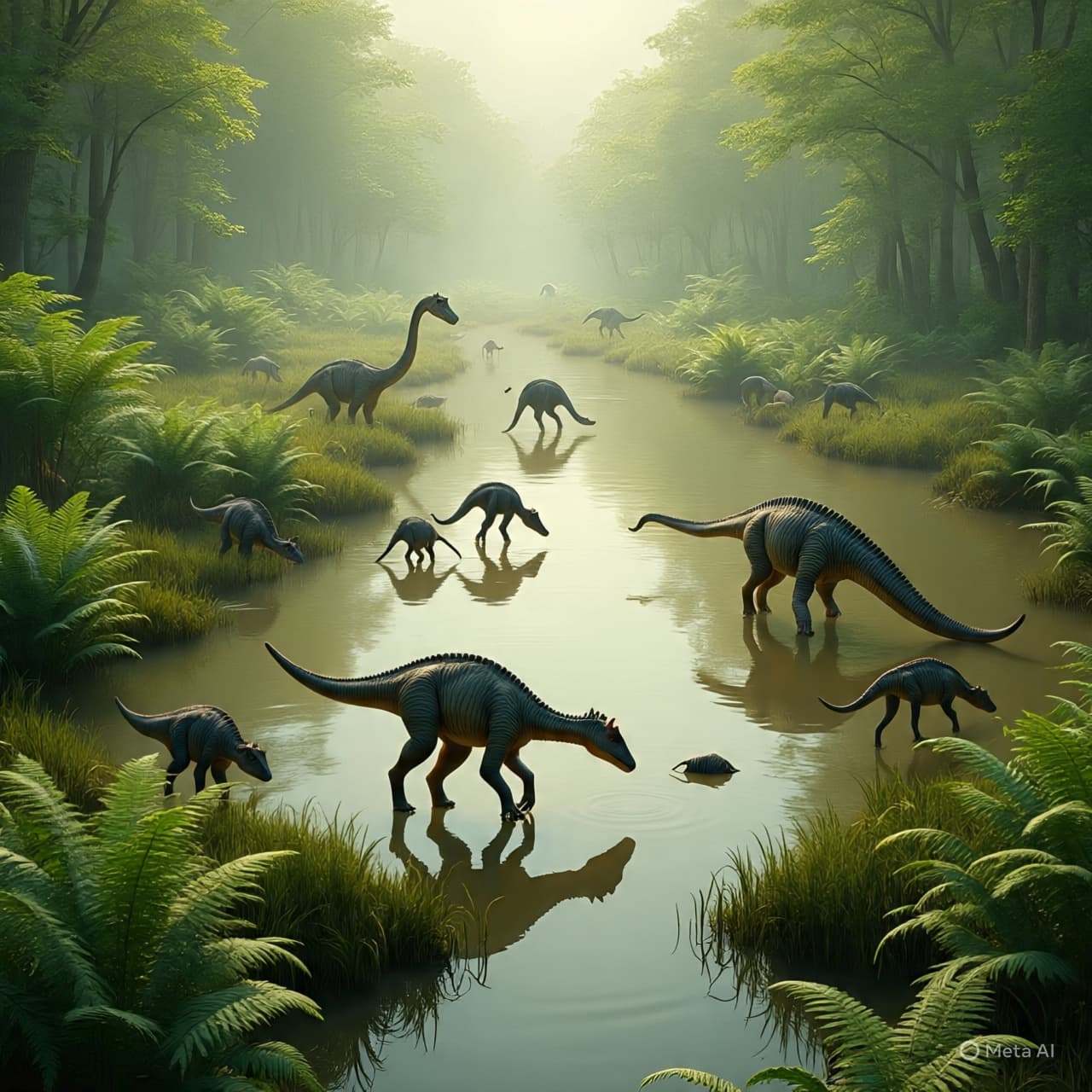
Juvenile sauropods were central to the Late Jurassic food web, serving as abundant prey and shaping predator survival and evolution.

A newly discovered comet is drawing attention, but scientists say it is too early to know whether it will become bright enough to be seen in broad daylight.
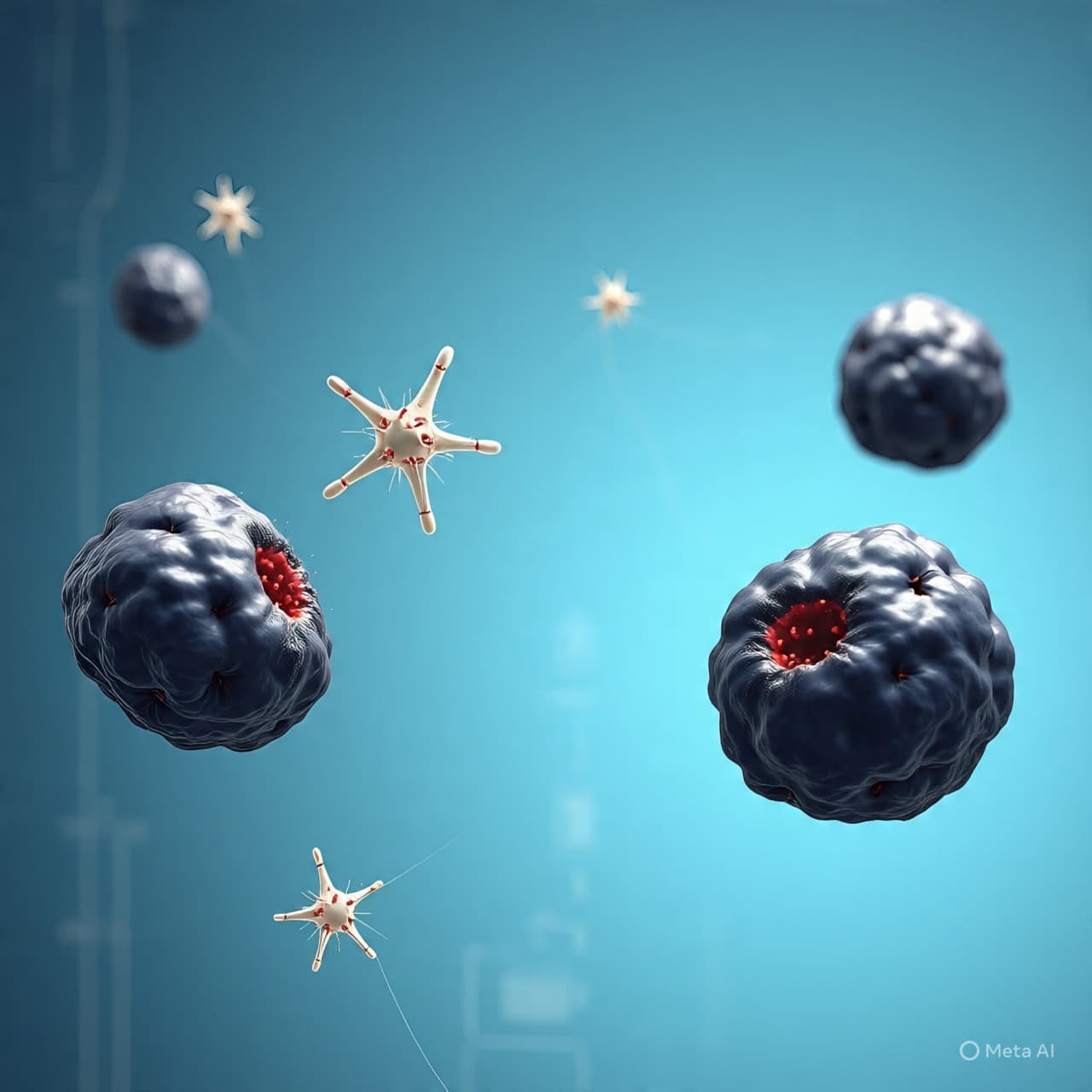
A redesigned CAR-T therapy destroys cancer cells while avoiding the severe immune side effects that have limited the treatment’s wider use, early studies suggest.

Data from NASA’s Juno mission shows Jupiter is slightly smaller and more flattened than previously believed, refining scientists’ understanding of the planet’s shape and interior.