Where Earth Looks Up: SpaceX and NASA Ready for Flight Once More
SpaceX’s next NASA crew mission, Crew-12, is cleared to launch on Feb. 11 aboard a Falcon 9 rocket after FAA review, carrying four astronauts to the ISS for a long-duration stay.

SpaceX’s next NASA crew mission, Crew-12, is cleared to launch on Feb. 11 aboard a Falcon 9 rocket after FAA review, carrying four astronauts to the ISS for a long-duration stay.

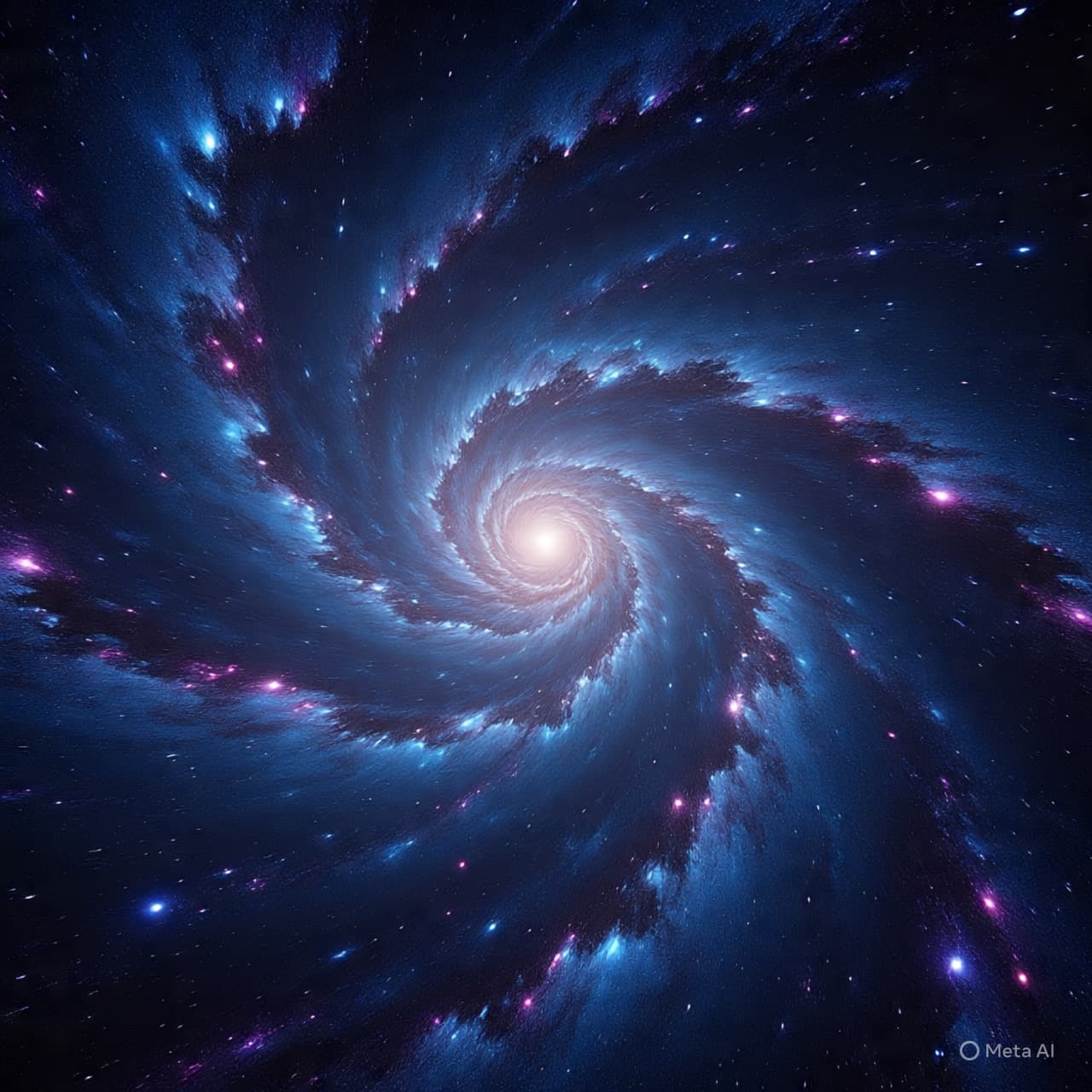
New James Webb images reveal faint filaments linking galaxies, offering the clearest view yet of the cosmic web that forms the universe’s hidden structural framework.

Scientists have identified organic compounds in 500-million-year-old fossils, offering new insight into how early life influenced Earth’s carbon cycle over deep time.

NASA and SpaceX are set for a Feb. 11 launch of Crew-12 aboard a Falcon 9 rocket to the ISS after successful readiness reviews and preparations.

Concerns grow that funding cuts to UK research could quietly erode scientific capacity, pushing young talent abroad and weakening long-term innovation.

Long-term research shows forest soils increasingly remove methane from the atmosphere, highlighting forests’ vital role in regulating greenhouse gases.

Gold in China’s Tianshan mountains forms through hydrothermal processes over millions of years, shaped by heat, pressure, and tectonic activity deep within the Earth.

A compound in 500-million-year-old fossils reveals ancient carbon cycles, shedding light on Earth's deep-time climate and ecosystem dynamics.

Gravitational wave detectors map merging black holes, revealing trajectories, masses, and cosmic collisions invisible to light-based telescopes.

JWST detects complex organic molecules in a nearby ultra-luminous infrared galaxy, revealing unexpected chemistry thriving amid cosmic extremes.

Research shows bacteria can survive cleaning and disinfection in food production facilities, highlighting microbial resilience and the limits of standard hygiene protocols.

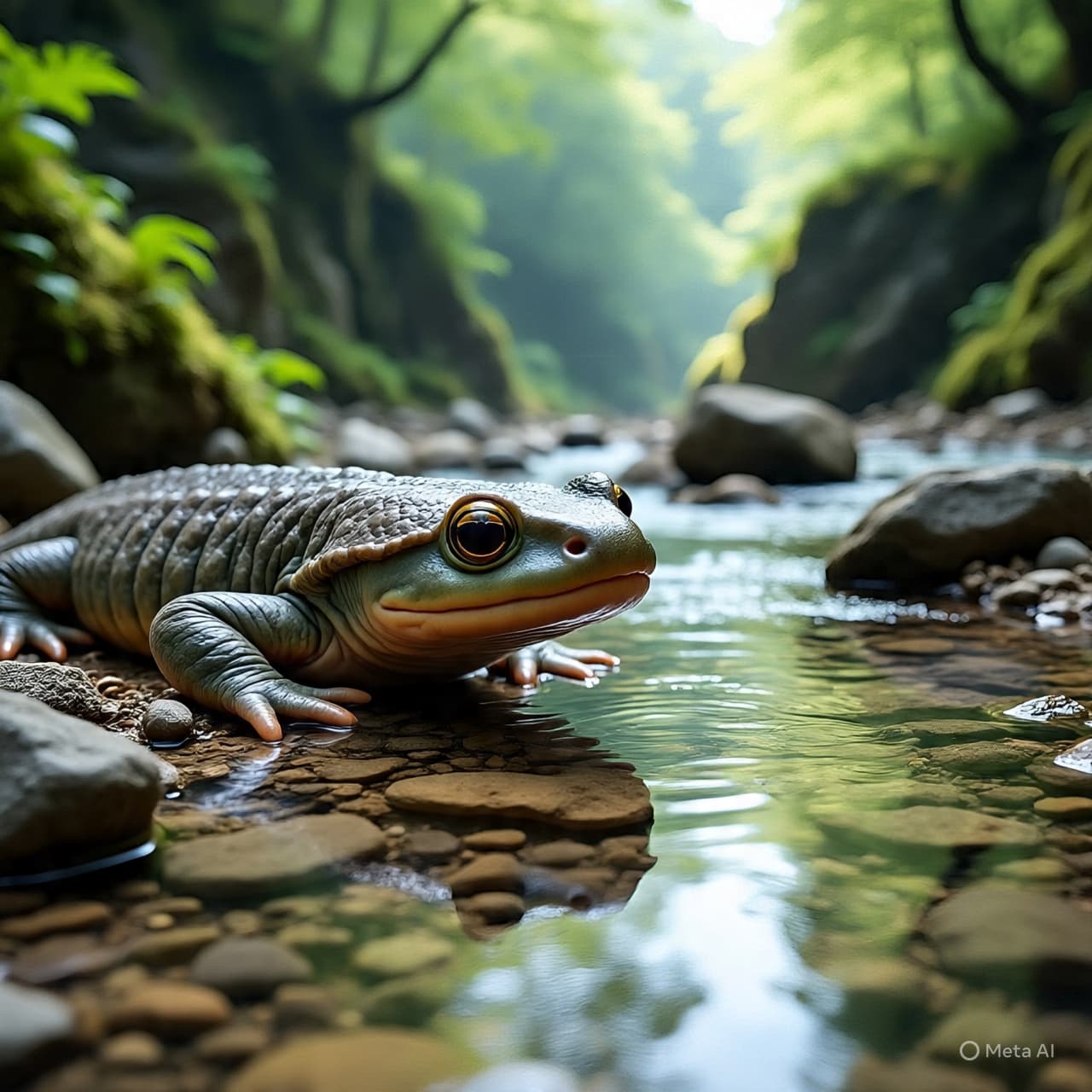
As Japanese giant salamanders grow to enormous sizes, they undergo a rapid dietary shift, transforming from opportunistic feeders into dominant aquatic superpredators.

Scientists are using patterns of plant diversity to reconstruct ancient bird migration routes, revealing how long-distance movement shaped ecosystems across continents.

A newly discovered dinosaur in China reveals spiked structures unlike any previously known, suggesting unexpected functions and a more experimental path in dinosaur evolution.

Mountain birds may survive environmental change not by moving faster or farther, but by using energy more efficiently—turning small metabolic savings into long-term resilience.

Astronomers have identified a frozen, Earth-sized exoplanet just 150 light-years away, offering a stark look at how small changes can push a familiar world into permanent ice.

A reflection on the attempted assassination of General Vladimir Alekseyev in Moscow and its destabilizing impact on the fragile peace negotiations currently taking place in Abu Dhabi.

Studies show mosquitoes can retain DNA from the animals they bite, turning them into natural samplers that help scientists track biodiversity without direct observation.

Marine viruses shape the ocean’s food web by recycling nutrients, regulating plankton populations, and influencing how carbon moves through marine ecosystems.

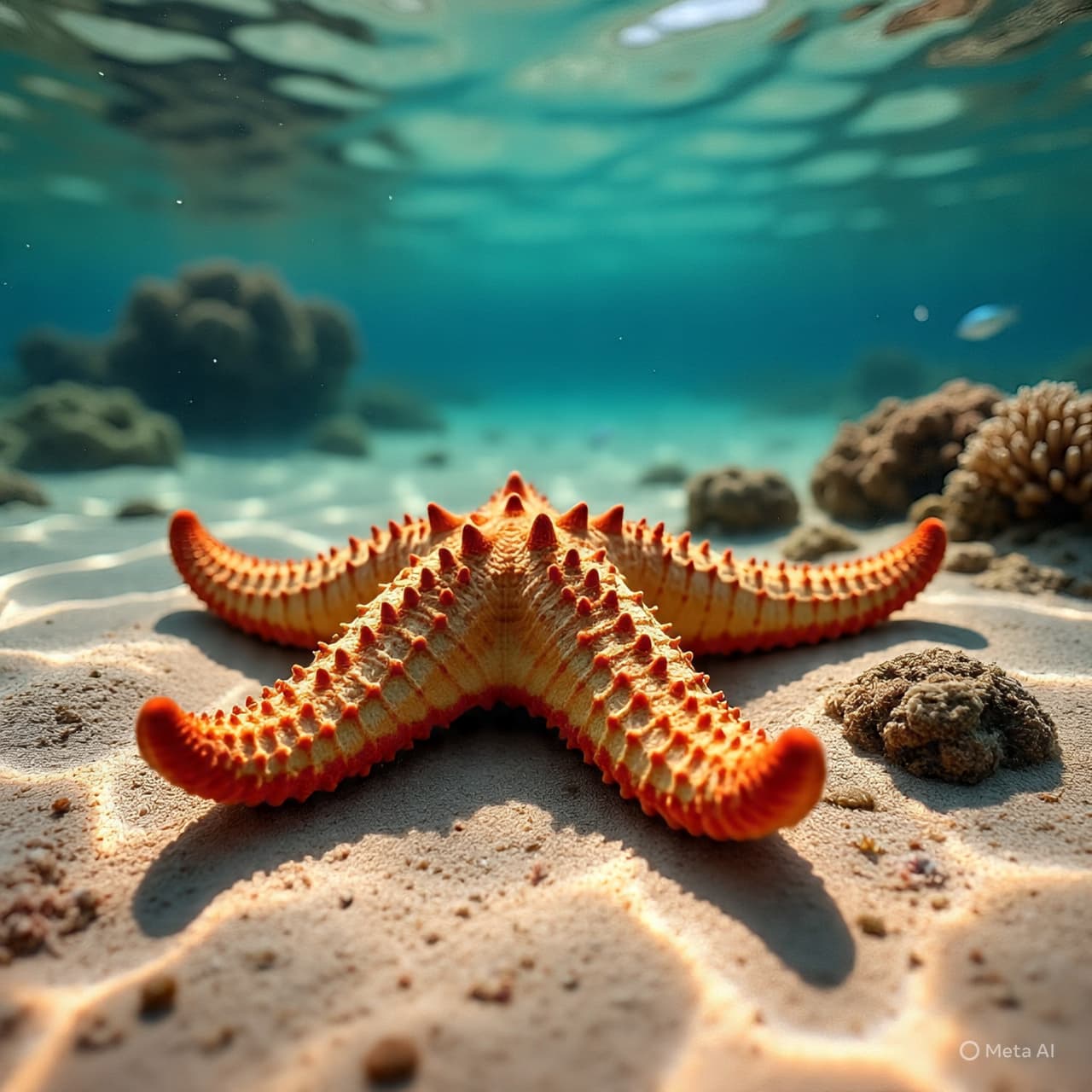
Starfish coordinate movement, feeding, and regeneration without a brain, using a decentralized nerve network that spreads control across their entire bodies.

A bold scientific theory questions whether a traditional black hole truly dominates the Milky Way’s center, reopening debate about the nature of gravity and unseen cosmic objects.

A reflective look at scientific findings revealing that great apes engage in pretend play, suggesting that the foundations of imagination and symbolic thought are shared across the primate lineage.

Microbes in Fukushima have survived high radiation levels, revealing nature’s remarkable resilience in abandoned, hazardous environments.

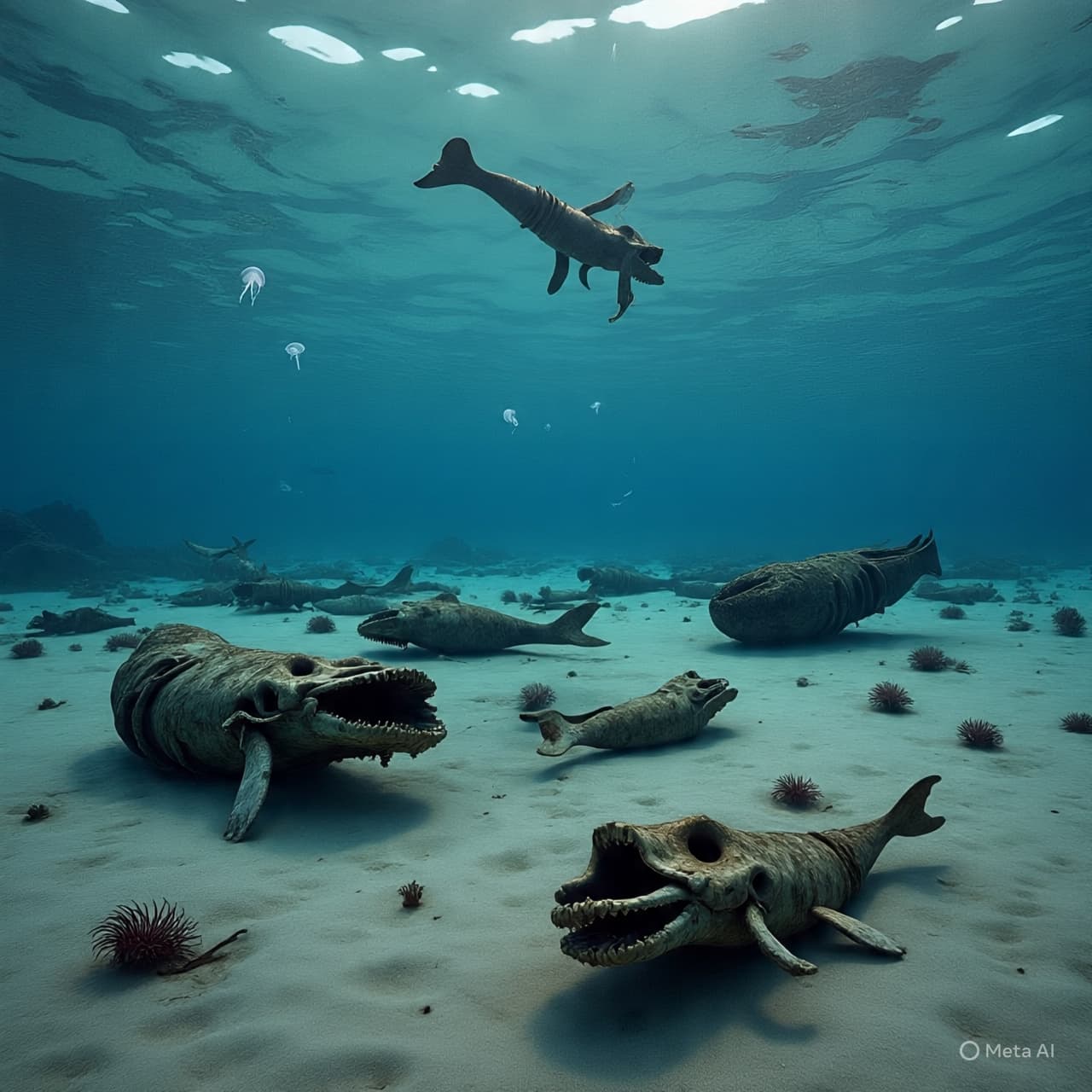
“Zombie worms” have mysteriously disappeared from the deep sea, r aising concerns about ocean ecosystems and hidden environmental shifts.