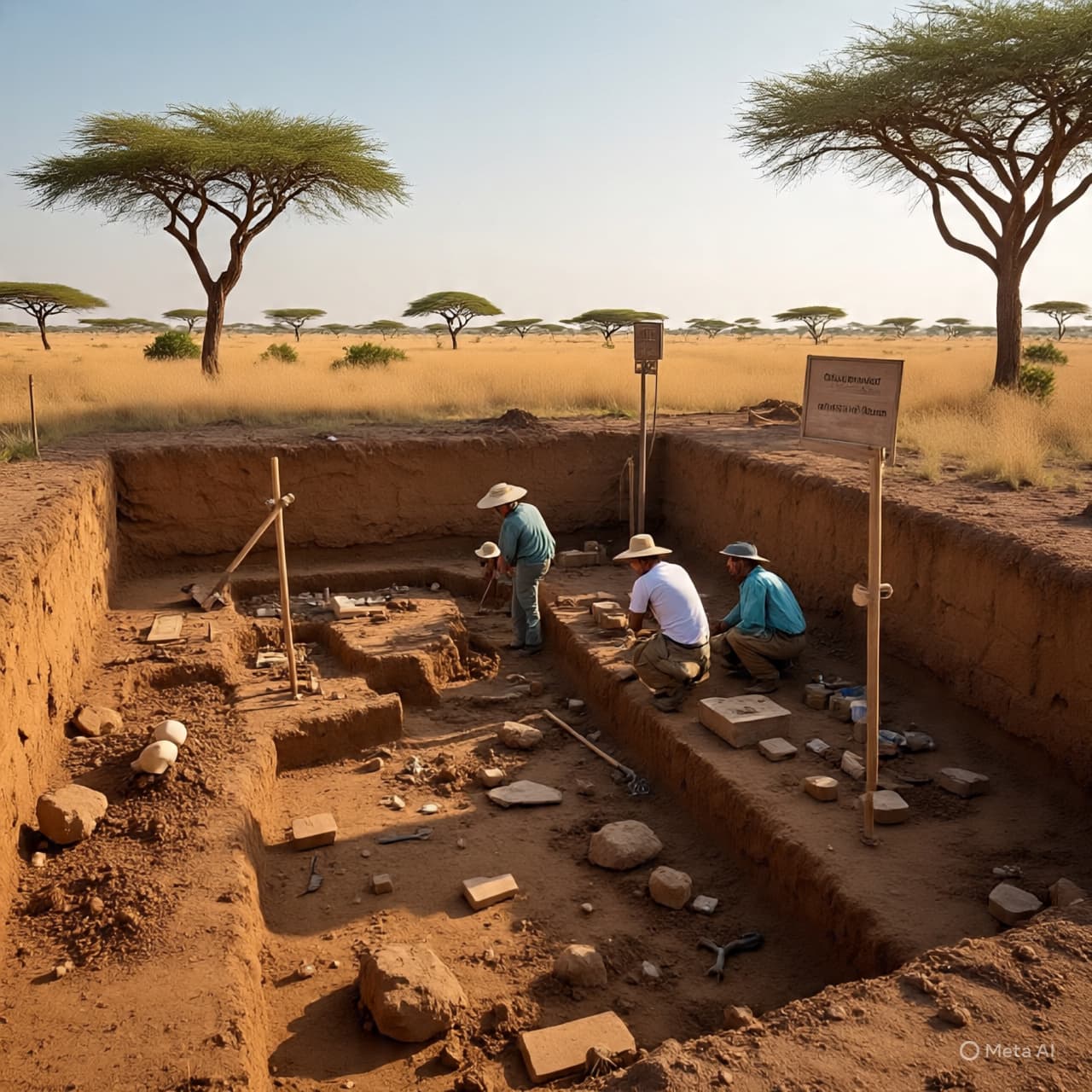
In the long stillness of the African landscape, where wind traces the contours of stone and time seems to settle into the earth itself, discovery often arrives not with spectacle, but with quiet surprise. Fossils—fragments of lives long vanished—emerge slowly, as if the past is reluctant to fully reveal itself. And sometimes, what is uncovered is not only ancient, but unexpected in where it chooses to appear.
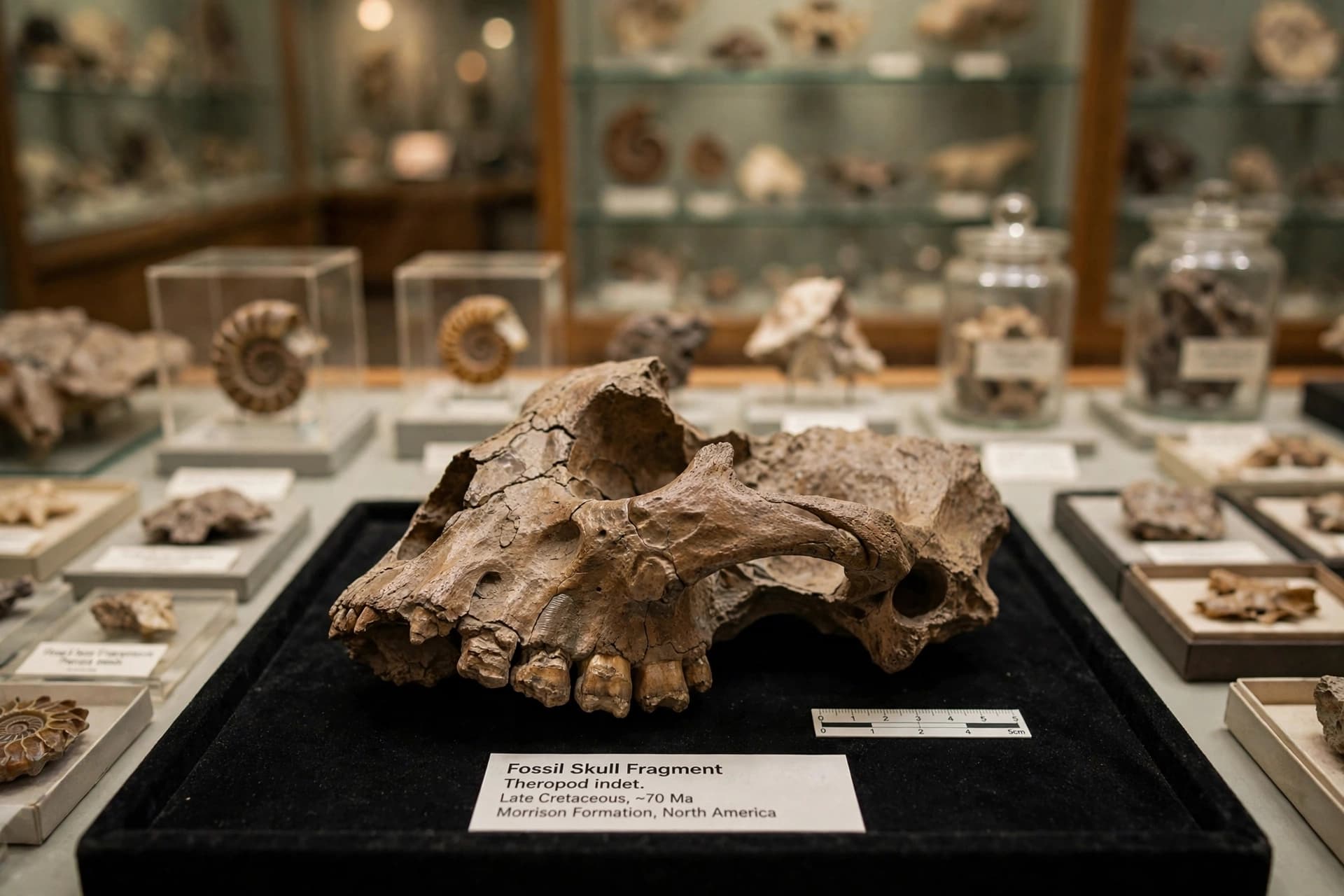
Recently, researchers working in Africa unearthed fossils of an ape dating back approximately 18 million years, offering a glimpse into a distant chapter of primate evolution. What has drawn particular attention, however, is not solely the age of the remains, but the location in which they were found—an area not typically associated with such early ape fossils. In a field where geography often helps guide expectation, this deviation carries a quiet significance.
The fossils are believed to belong to an early ape species, part of a lineage that would eventually give rise to modern apes and humans. During this period—the early Miocene epoch—Africa was a landscape in ecological transition, its forests and open regions shifting in ways that influenced how species moved, adapted, and survived. Fossil discoveries from this era are rare and often concentrated in specific regions, forming a patchwork map of ancient life.
This new finding adds a piece to that map, but not in the place scientists might have anticipated. By appearing outside the more established fossil zones, it suggests that early apes may have occupied a broader range of environments than previously understood. Their habitats, it seems, were not confined to the dense forests often associated with early primate evolution, but may have extended into more varied terrains.
Such a shift does not rewrite the story entirely, but it adjusts its contours. It invites researchers to reconsider migration patterns, ecological preferences, and the adaptability of these early species. Fossils, after all, do more than confirm existence—they hint at behavior, at movement, at the subtle interplay between organism and environment.
The process of interpreting these remains will unfold gradually. Detailed analysis of bone structure, surrounding sediment, and associated fauna will help place the discovery within a clearer scientific framework. Each layer of understanding builds slowly, much like the sediment that preserved the fossils in the first place.
Yet even in these early stages, there is a sense of quiet expansion in what is known. The past, often reconstructed from fragments, has shifted slightly, its boundaries extended by a discovery that arrived in an unexpected place. It is a reminder that history—especially the deep history of life—rarely follows a straight path.
And so the landscape holds its secrets a little less tightly, offering, in this instance, a glimpse of a world both familiar and newly reimagined. The ape that once moved through that ancient environment has long since vanished, but its presence, now uncovered, lingers—altering, in small but meaningful ways, how the story of our origins continues to be told.
Published by Banx Network. This article is part of the Banx decentralized media programme, powered by the BXE token on the XRP Ledger.