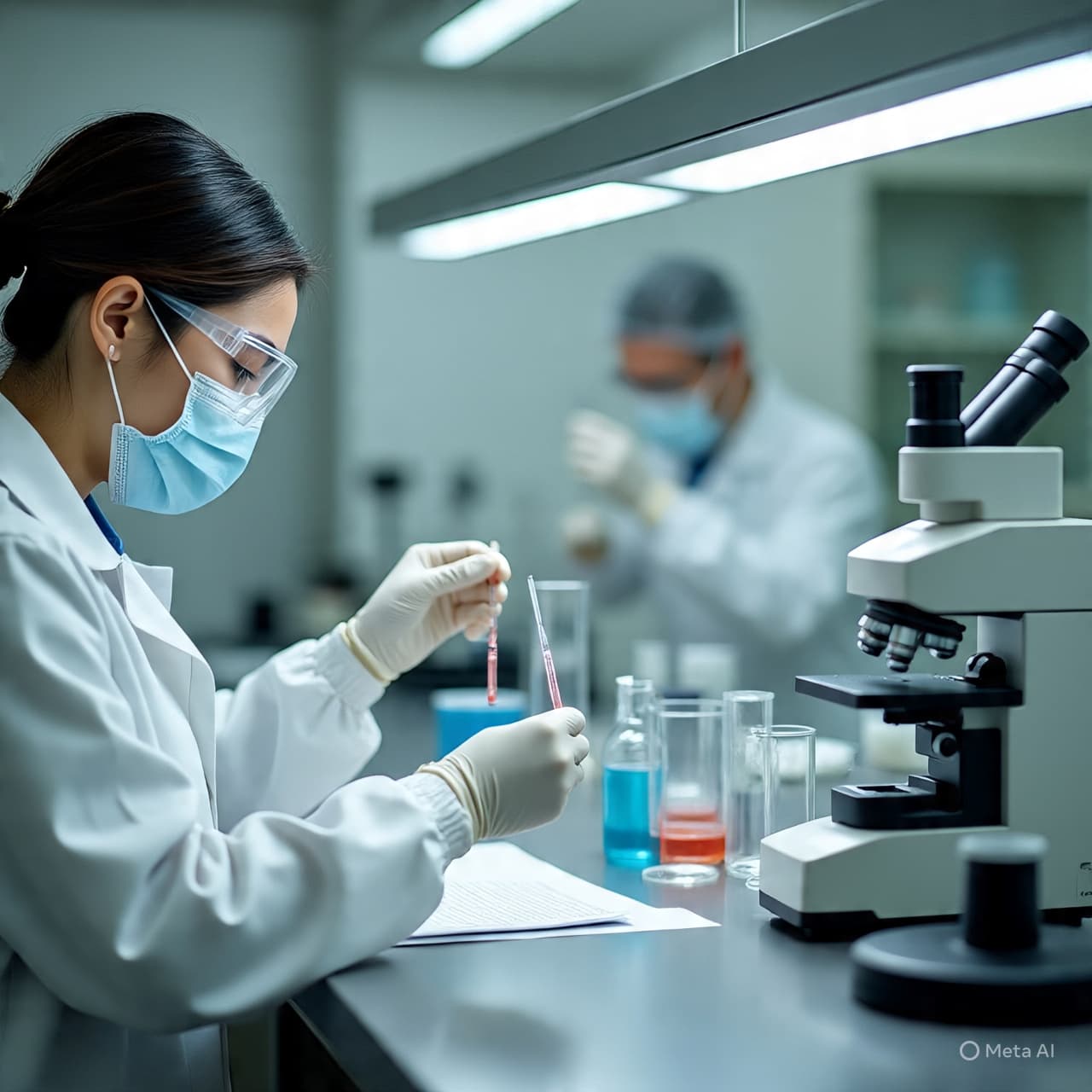
In laboratories, the smallest details are often the most carefully guarded. A stray particle, a trace of dust, a fingerprint where it does not belong—each can alter what is seen, what is measured, what is believed to be true. And yet, sometimes, the source of distortion sits quietly within the very tools designed to prevent it.
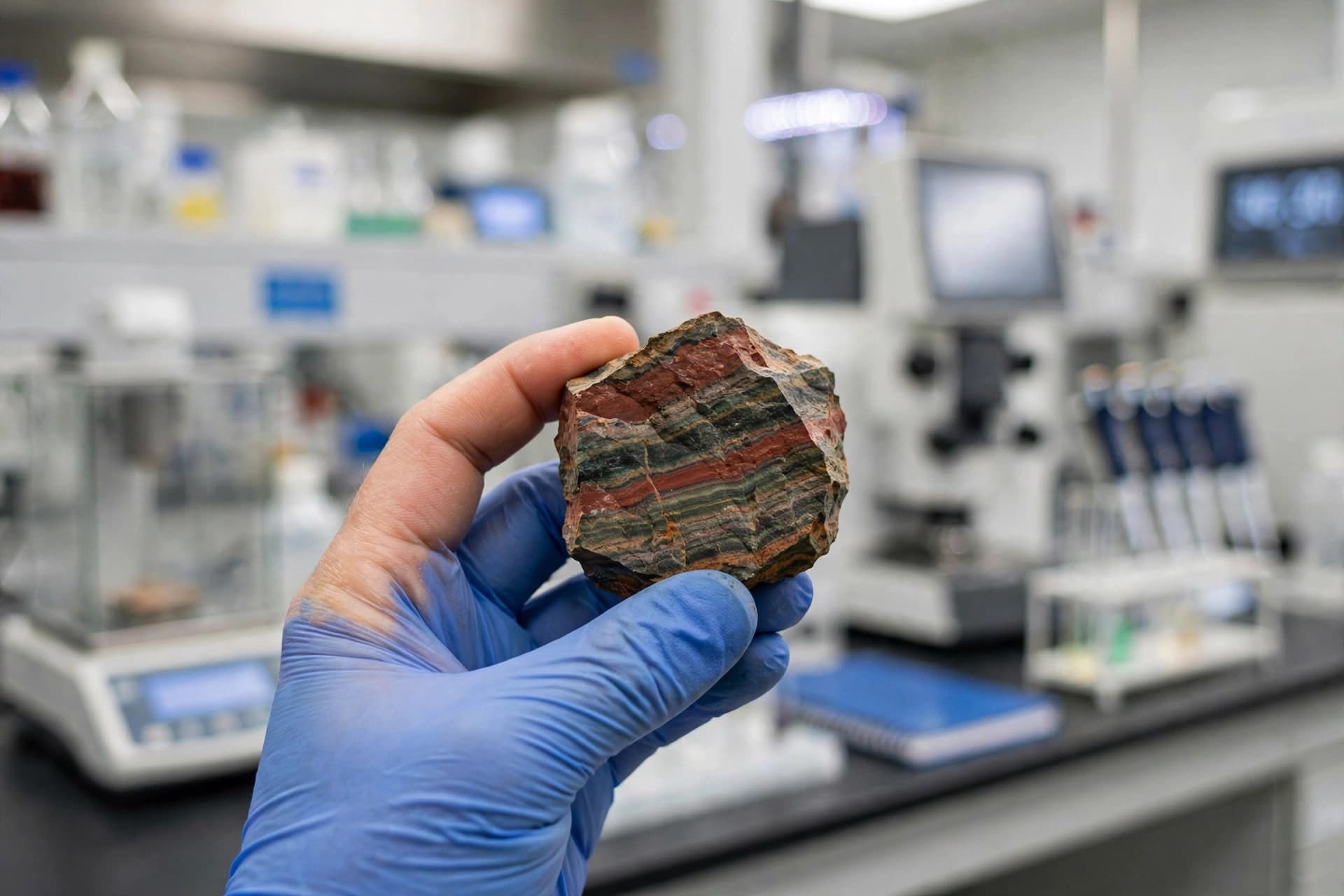
In recent findings, scientists have begun to question whether the global count of microplastics—those nearly invisible fragments now thought to permeate oceans, air, and soil—may have been overstated in certain studies. The concern does not stem from the environment itself, but from the laboratory setting where these particles are measured. Disposable gloves, commonly used to maintain sterile conditions, are now being examined as a potential source of contamination.
The issue unfolds with a kind of subtle irony. Gloves, often made from synthetic materials such as nitrile or latex blends, can shed microscopic particles during handling, especially when subjected to friction or repeated movement. In highly sensitive analyses—where researchers are searching for particles smaller than a grain of sand—these fragments can be difficult to distinguish from genuine environmental samples. What appears to be a signal from the outside world may, in some cases, originate from within the controlled space of the lab.
Microplastics research has expanded rapidly over the past decade, driven by growing concern over the persistence of plastic waste and its potential impact on ecosystems and human health. Studies have reported their presence in marine life, drinking water, and even the air people breathe. These findings have shaped public understanding and informed policy discussions, reinforcing the idea that microplastics are both widespread and deeply embedded in modern life.
The possibility of overestimation does not erase those concerns, but it introduces a layer of complexity to how data is interpreted. If certain measurements have been influenced by contamination, it suggests that refining laboratory protocols will be as important as expanding field research. Some scientists are now advocating for stricter controls, including alternative materials, improved handling techniques, and more rigorous verification processes to distinguish between true environmental particles and those introduced during analysis.
This recalibration reflects a broader pattern in scientific work. Knowledge does not move in a straight line; it adjusts, corrects, and refines itself over time. What once seemed definitive can become provisional, not as a failure, but as part of a process that gradually sharpens its own clarity.
For now, the presence of microplastics in the environment remains well documented, even if the exact scale continues to be refined. The oceans still carry traces of discarded materials, the air still holds particles shaped by human activity. But within the laboratory, attention has turned inward—toward the conditions under which evidence is gathered, and the quiet ways those conditions can influence what is ultimately seen.
In that space between observation and conclusion, a simple object—a glove, worn without a second thought—has become part of the story. Not as a contradiction, but as a reminder that even in the pursuit of precision, the smallest details can reshape the narrative.
Published by Banx Network. This article is part of the Banx decentralized media programme, powered by the BXE token on the XRP Ledger.