Aging is often viewed as a gradual decline, a slow fading of vitality that affects every cell in the body. Yet, beneath this macroscopic view lies a complex molecular dance, where cells communicate, repair, and eventually cease to function. A new approach known as RamanOmics is shedding light on this intricate process, decoding the spatial and vibrational signatures of cellular senescence. By mapping the molecular architecture of aging and repair, scientists are gaining unprecedented insights into how our bodies change over time. This advancement invites us to reconsider aging not just as a inevitable decay, but as a dynamic biological process that can be understood and potentially influenced.
Raman spectroscopy, a technique that analyzes the scattering of light to identify molecular vibrations, has been adapted to create detailed maps of tissue samples. When combined with omics technologies, which study large sets of biological data, it forms RamanOmics. This hybrid approach allows researchers to see not just what molecules are present, but where they are located and how they interact within the spatial context of a cell. It is a powerful tool for unraveling the complexities of senescence, the state in which cells stop dividing but remain metabolically active.
Senescent cells play a dual role in biology. On one hand, they prevent damaged cells from becoming cancerous by halting their division. On the other, they accumulate with age and secrete inflammatory factors that contribute to tissue dysfunction and chronic disease. Understanding the precise molecular profile of these cells is crucial for developing therapies that can safely remove them or mitigate their harmful effects. RamanOmics provides a non-destructive way to analyze these profiles, preserving the spatial integrity of the tissue for further study.
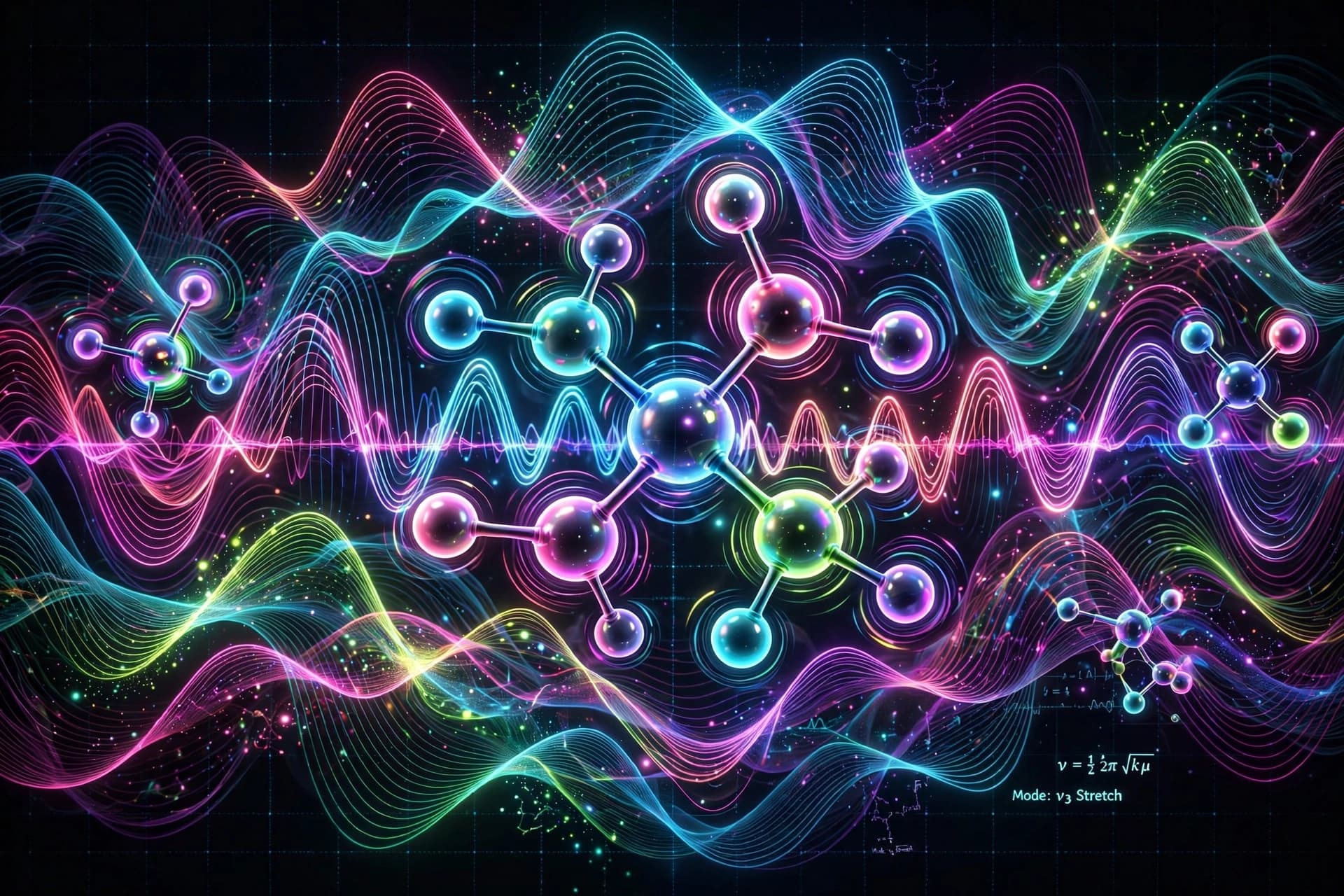
The "vibrational" aspect of the technology refers to the unique fingerprints that molecules emit when exposed to laser light. Each bond in a molecule vibrates at a specific frequency, creating a spectrum that acts as a chemical identifier. By mapping these spectra across a tissue sample, scientists can create a high-resolution image of the molecular landscape. This reveals patterns of protein accumulation, lipid changes, and DNA damage that are characteristic of senescence. Such detail was previously difficult to achieve without altering the sample through staining or labeling.
This spatial resolution is particularly important for understanding tissue repair. When injury occurs, senescent cells can aid in healing by secreting growth factors. However, if they persist, they can impede regeneration and lead to fibrosis. RamanOmics allows researchers to track the transition of cells from a healthy state to senescence and then to either clearance or dysfunction. This temporal and spatial tracking offers clues about how to optimize the healing process and prevent age-related decline.
The implications for medicine are significant. By identifying specific molecular markers of harmful senescence, doctors may one day be able to target these cells with precision drugs. This could lead to treatments for conditions such as osteoarthritis, pulmonary fibrosis, and cardiovascular disease, where senescent cells play a key role. Moreover, understanding the spatial architecture of aging tissues can help in designing better biomaterials for regenerative medicine.
Beyond clinical applications, RamanOmics contributes to basic biological knowledge. It helps answer fundamental questions about how cells sense damage and decide to enter senescence. By revealing the molecular conversations that occur within tissues, it deepens our understanding of life itself. This knowledge is foundational for any future interventions aimed at extending healthspan, the period of life spent in good health.
As the technology matures, it is likely to become more accessible and integrated into routine research. Collaborations between physicists, biologists, and clinicians are driving this progress, demonstrating the power of interdisciplinary science. The ability to visualize the molecular basis of aging transforms abstract concepts into tangible data, paving the way for innovative solutions.
RamanOmics represents a significant leap forward in our ability to decode the molecular architecture of aging. By revealing the spatial and vibrational details of senescence, it opens new avenues for research and therapy. As we continue to explore this frontier, let us remain hopeful for a future where aging is better understood and managed.
AI Image Disclaimer: The visuals accompanying this article are AI-generated illustrations designed to represent molecular structures and spectroscopic analysis without depicting specific experimental data.
Sources: Nature Communications Science Daily Cell Press National Institutes of Health
Published by Banx Network. This article is part of the Banx decentralized media programme, powered by the BXE token on the XRP Ledger.