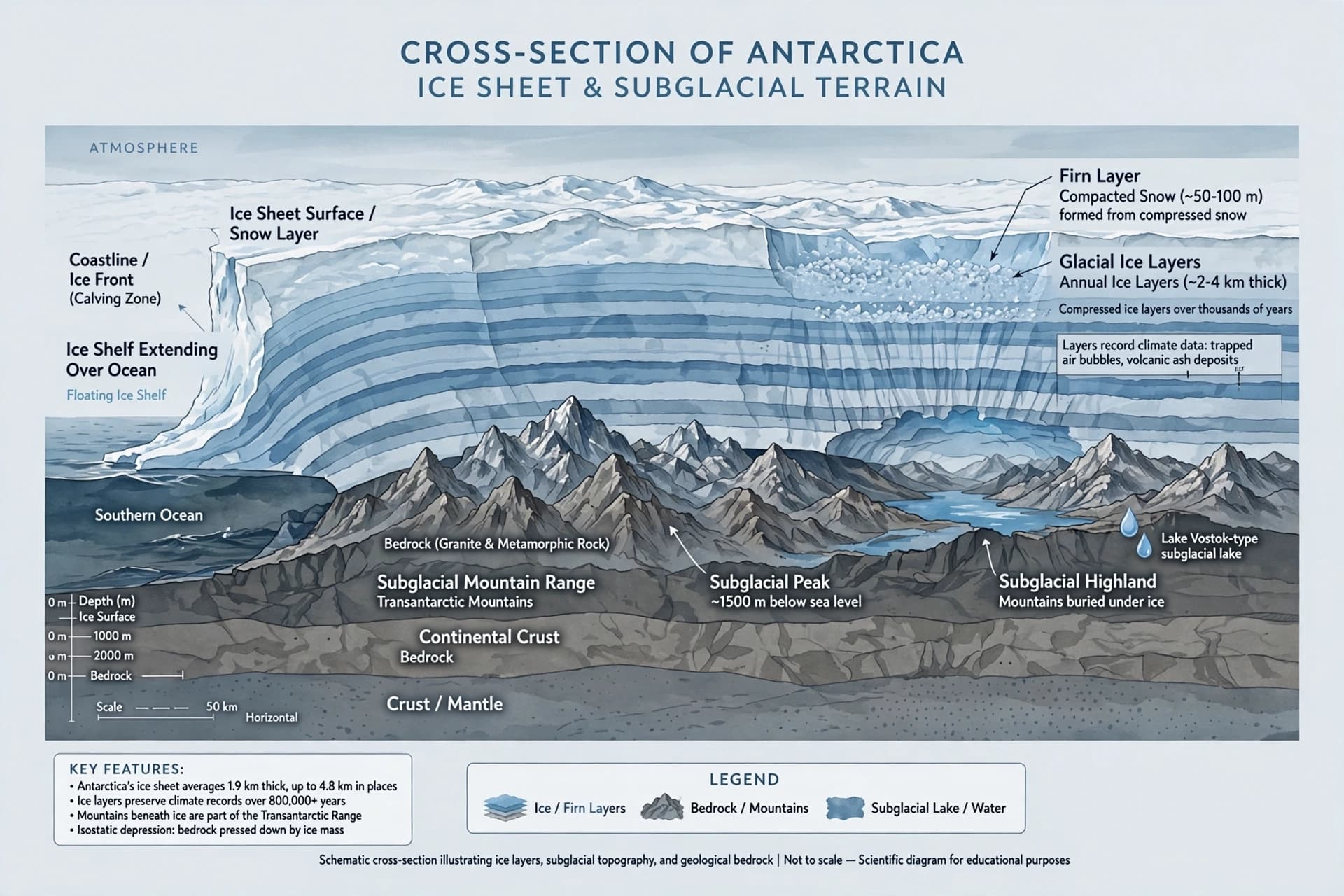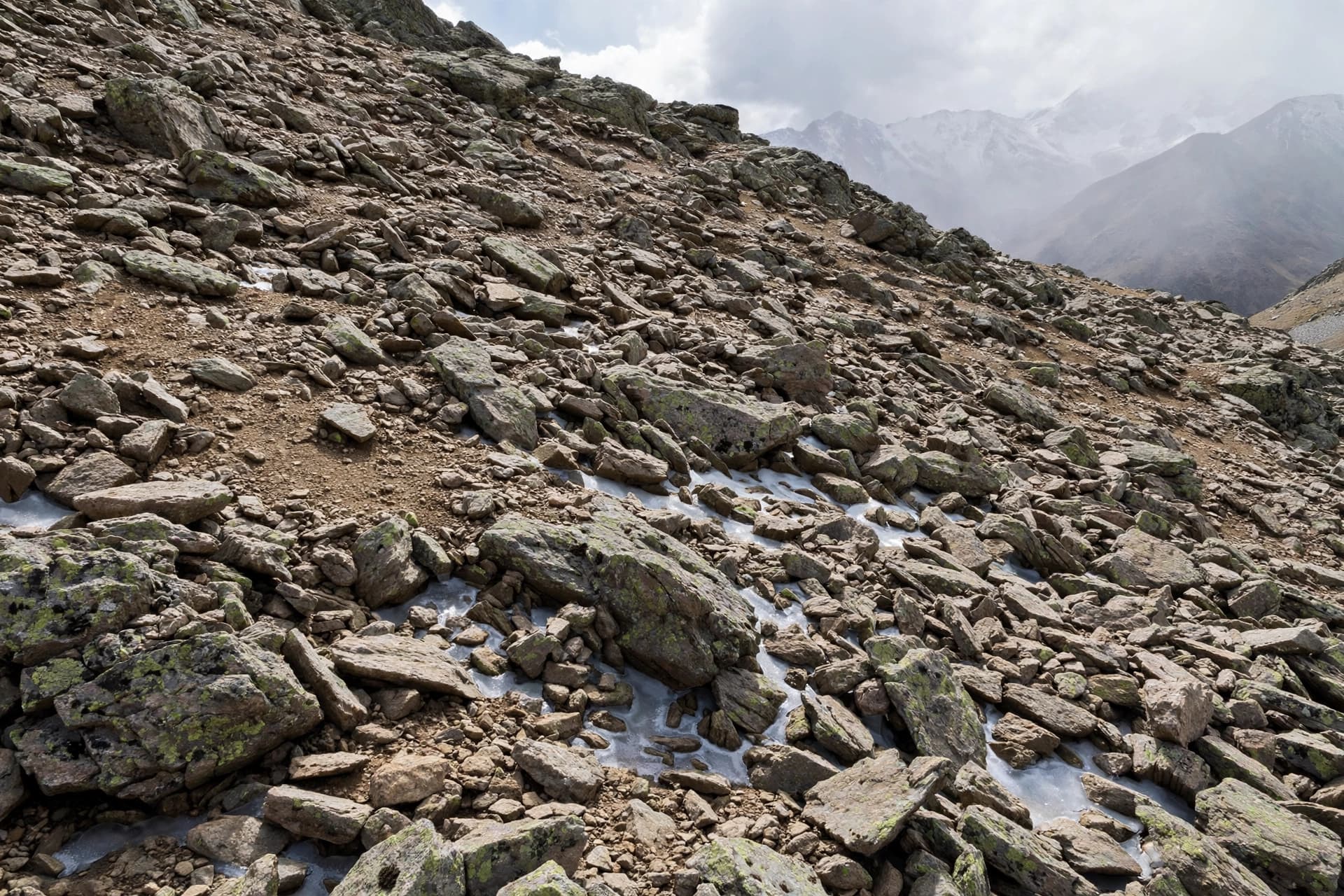
High in the rugged peaks of the world’s mountain ranges, hidden beneath layers of debris and stone, lie reservoirs of ice that have long escaped the public eye. These are rock glaciers, slow-moving masses of ice-cemented rock that creep down slopes like viscous rivers of stone. Unlike their more visible counterparts, the gleaming white ice glaciers, rock glaciers are camouflaged by the very earth that covers them. Yet, as climate change accelerates the melt of traditional glaciers, these subterranean giants are emerging as critical, albeit understated, guardians of global freshwater supplies. Their quiet persistence offers a buffer against the drying trends threatening arid regions worldwide.
For decades, the focus of hydrological studies has been on surface ice, which is easier to map and monitor. However, rock glaciers, with their insulating rocky shells, melt at a significantly slower rate, preserving water resources long after exposed ice has vanished. This unique characteristic makes them invaluable in a warming world, acting as natural dams that release water gradually during dry seasons. As scientists begin to map these hidden features, they are uncovering a vast network of frozen assets that could sustain communities, agriculture, and ecosystems in the decades to come.
The identification of rock glaciers is no simple task. From satellite imagery, they often appear indistinguishable from ordinary talus slopes or landslide deposits. It requires a keen geological eye and advanced remote sensing techniques to distinguish the subtle signs of movement and internal ice content. Geologists are now employing interferometric synthetic aperture radar (InSAR) and machine learning algorithms to detect the slow, steady creep that characterizes these formations. This technological leap is transforming our understanding of high-altitude hydrology, revealing that what was once thought to be static rubble is actually dynamic and ice-rich.
The distribution of rock glaciers is widespread, found in the Andes, the Himalayas, the Alps, and the Rocky Mountains. In many of these regions, local populations rely on seasonal meltwater for irrigation and drinking. As temperatures rise, the contribution of rock glaciers to streamflow is becoming increasingly significant. Studies suggest that in some catchments, rock glaciers may provide a more reliable water source than traditional glaciers, which are retreating rapidly. This shift necessitates a reevaluation of water management strategies, incorporating these hidden reserves into planning models.
However, the protection of rock glaciers faces challenges. Mining activities, infrastructure development, and tourism often encroach upon these high-altitude environments, potentially disrupting their structure and accelerating melt. Because they are less visually striking than ice glaciers, they have historically received less legal protection and public attention. Advocates are now calling for greater recognition of rock glaciers as vital water resources, urging policymakers to include them in conservation frameworks. The argument is clear: preserving these rocky shields is essential for water security.
The scientific community is also grappling with the question of how rock glaciers will respond to continued warming. While their rocky cover provides insulation, it is not impervious to heat. As permafrost thaws, the stability of these formations may be compromised, leading to increased hazards such as rockfalls and debris flows. Understanding these risks is crucial for communities living downstream. Research is ongoing to model the thermal dynamics of rock glaciers, aiming to predict their longevity and potential hazards under various climate scenarios.
Furthermore, the discovery of new rock glaciers continues to expand our knowledge base. Recent surveys in previously unstudied regions have identified thousands of these features, suggesting that their global volume of stored water may be higher than previously estimated. Each new finding adds a piece to the puzzle of global water cycles, highlighting the complexity of Earth’s cryosphere. It is a reminder that even in the modern age of satellites, there are still secrets hidden in plain sight, waiting to be uncovered.
As we look to the future, the role of rock glaciers in mitigating water scarcity will likely grow. They represent a natural adaptation to climate variability, offering a degree of resilience in an uncertain world. By studying and protecting them, we invest in a sustainable water future for millions of people. It is a humble yet powerful form of stewardship, recognizing value in the overlooked and the hidden.
The hunt for camouflaged rock glaciers is more than a scientific endeavor; it is a quest for sustainability in a changing climate. As we uncover these hidden reservoirs, let us commit to their preservation and integrate their potential into our broader environmental strategies. In the slow movement of stone and ice, we find a promise of continuity and hope for water security.
AI Image Disclaimer: The images accompanying this article are AI-generated illustrations designed to depict the concept of rock glaciers and high-altitude landscapes without showing specific real-world locations.
Sources: Nature Communications The Guardian USGS Frontiers in Earth Science
Published by Banx Network. This article is part of the Banx decentralized media programme, powered by the BXE token on the XRP Ledger.