
Key Highlights
- Microgravity affects sperm cell navigation, impacting reproduction.
- Research indicates altered fluid dynamics in space environments.
- NASA supports studies on biological processes for long-term missions.
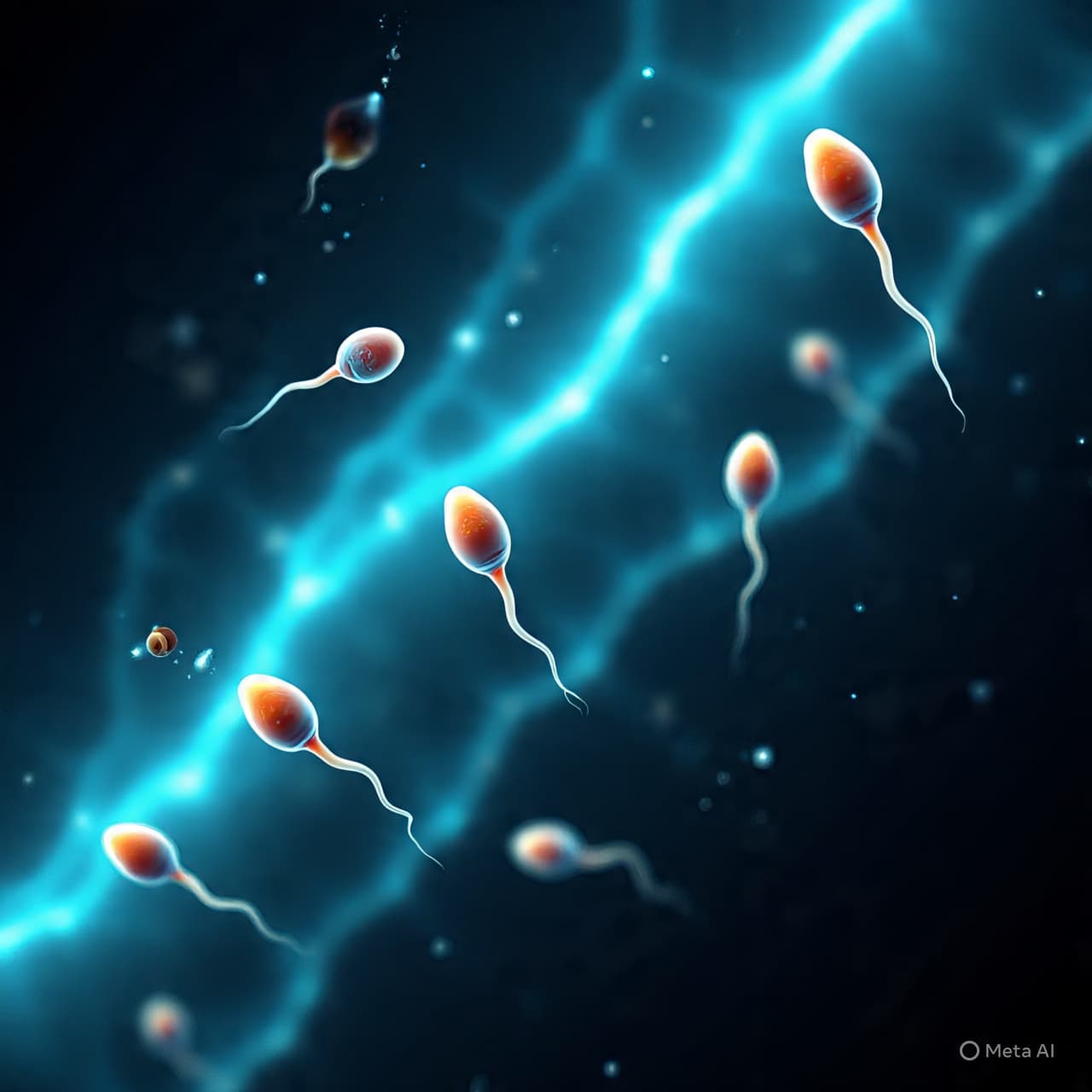
Research into the effects of microgravity on biological processes has gained momentum, particularly concerning reproduction. A recent focus has been on how sperm cells navigate toward eggs in space, a critical aspect for understanding the implications of long-duration space travel. Studies conducted aboard the International Space Station (ISS) have revealed that the absence of gravity alters the movement and orientation of sperm cells, which rely on both internal mechanisms and external chemical signals to find their way.
Under normal Earth conditions, sperm cells utilize a phenomenon known as chemotaxis, responding to chemical gradients released by the egg. These gradients are stable in Earth's gravitational environment, allowing sperm to effectively navigate toward their target. However, in microgravity, the distribution of these chemical signals becomes less predictable, complicating the sperm's ability to detect and follow the necessary cues. Research published in journals such as NPJ Microgravity highlights that while sperm can survive in space, their motility and directional accuracy may be significantly impaired.
The implications of these findings are profound, especially as space agencies like NASA prepare for longer missions that may involve human reproduction in space. The challenges posed by microgravity extend beyond mere survival; they raise essential questions about the continuity of life and the biological processes that underpin it. As scientists delve deeper into the effects of space conditions on reproductive health, they are uncovering a complex interplay between environmental factors and cellular behavior.
In addition to the challenges posed by altered fluid dynamics, radiation exposure and other space-related factors may further complicate cellular functions over time. The ongoing research aims to provide a clearer understanding of how life adapts—or struggles to adapt—beyond Earth. As missions extend further into the cosmos, the ability to comprehend these biological processes becomes increasingly vital.
Despite the challenges presented by microgravity, the fundamental mechanisms of sperm movement remain intact. Cells continue to respond to their environment, albeit in ways that may be less effective than on Earth. This adaptability underscores the resilience of life, even in the face of significant environmental changes.
As scientists continue to explore the nuances of reproduction in space, the findings contribute to a broader understanding of how life can persist and evolve under varying conditions. The research not only informs future space missions but also enhances our knowledge of biological processes that are essential for life.
In summary, while sperm cells can survive in microgravity, the conditions can disrupt their ability to navigate toward an egg, raising important considerations for reproductive processes during long-term space missions. The ongoing studies supported by organizations like NASA are crucial for ensuring the future of human life in space.
Published by Banx Network. This article is part of the Banx decentralized media programme, powered by the BXE token on the XRP Ledger.



