
Key Highlights
- Cockroaches may help break down plastics into simpler compounds.
- Microorganisms in their guts could convert waste into usable fuel.
- Research is ongoing to explore practical applications of this process.
The world is filled with overlooked spaces where discarded materials accumulate, often unnoticed. In these environments, life continues to thrive, finding ways to persist among what has been left behind. Among these resilient creatures, the cockroach stands out, often viewed with disdain but now being recognized for its potential significance in addressing one of the modern world's pressing issues: plastic waste.
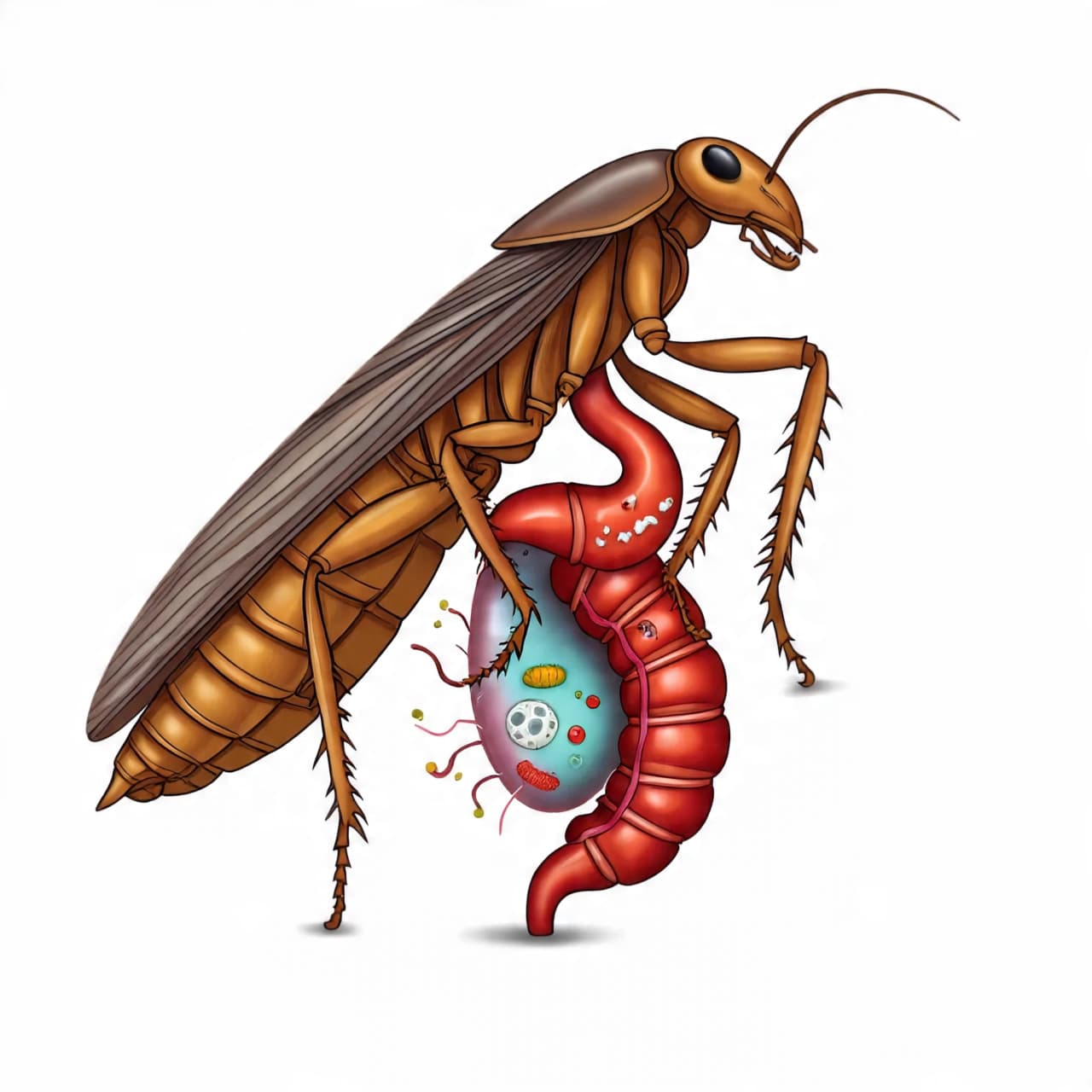
Recent studies have begun to uncover the remarkable capabilities of microorganisms residing in the digestive systems of cockroaches. Researchers suggest that these microbes may possess the ability to break down certain types of plastic, transforming complex synthetic materials into simpler, more manageable compounds. This process, still under investigation, represents a natural mechanism that could inform innovative approaches to managing plastic waste effectively.
Plastic has long been celebrated for its durability, making it a staple in countless applications. However, this same durability has led to its accumulation in the environment, posing significant ecological challenges. The idea that biological systems, particularly those found in insects like cockroaches, might assist in breaking down these materials introduces a fresh perspective, one that seeks solutions through living processes rather than solely through technological advancements.
In research published in reputable journals such as Science, scientists have explored how enzymes produced by gut microbes interact with plastic polymers. These enzymes can initiate the fragmentation of plastic, creating smaller molecules that, under controlled conditions, could potentially be converted into usable fuels. This connection between plastic and fuel is not entirely novel, as plastics are derived from fossil fuels, retaining much of that original energy within their chemical structure.
The challenge lies in finding efficient methods to reverse this process, breaking plastics down in a manner that is both practical and sustainable. The biological activity observed in cockroach systems offers a promising direction, although it remains in the early stages of exploration. Researchers are now tasked with isolating these enzymes, studying microbial communities, and determining how these processes can be replicated or enhanced outside of the insect itself.
This research is part of a broader movement within Environmental Science to rethink waste management. Instead of viewing plastic solely as a persistent pollutant, scientists are exploring ways to reintegrate it into cycles of use, transforming it into resources rather than residues. This shift in perspective is crucial as it opens up new avenues for innovation and sustainability.
While the potential of cockroaches in waste management is intriguing, the path from laboratory observation to large-scale application remains uncertain. Questions regarding efficiency, scalability, and environmental impact must be addressed before these methods can be implemented more broadly. In this context, the role of the cockroach is not as a direct solution but as a source of insight, guiding researchers toward mechanisms that may be adapted and refined for practical use.
As research progresses, scientists will continue to delve into the complexities of these microbial processes, each step moving the idea forward. This gradual unfolding of possibility highlights the importance of interdisciplinary collaboration in tackling environmental challenges. Early findings indicate that microbes found in cockroaches may indeed help break down plastics into simpler compounds that could be converted into fuel, but further study is essential to determine the practical applications of this promising avenue of research.
Published by Banx Network. This article is part of the Banx decentralized media programme, powered by the BXE token on the XRP Ledger.



