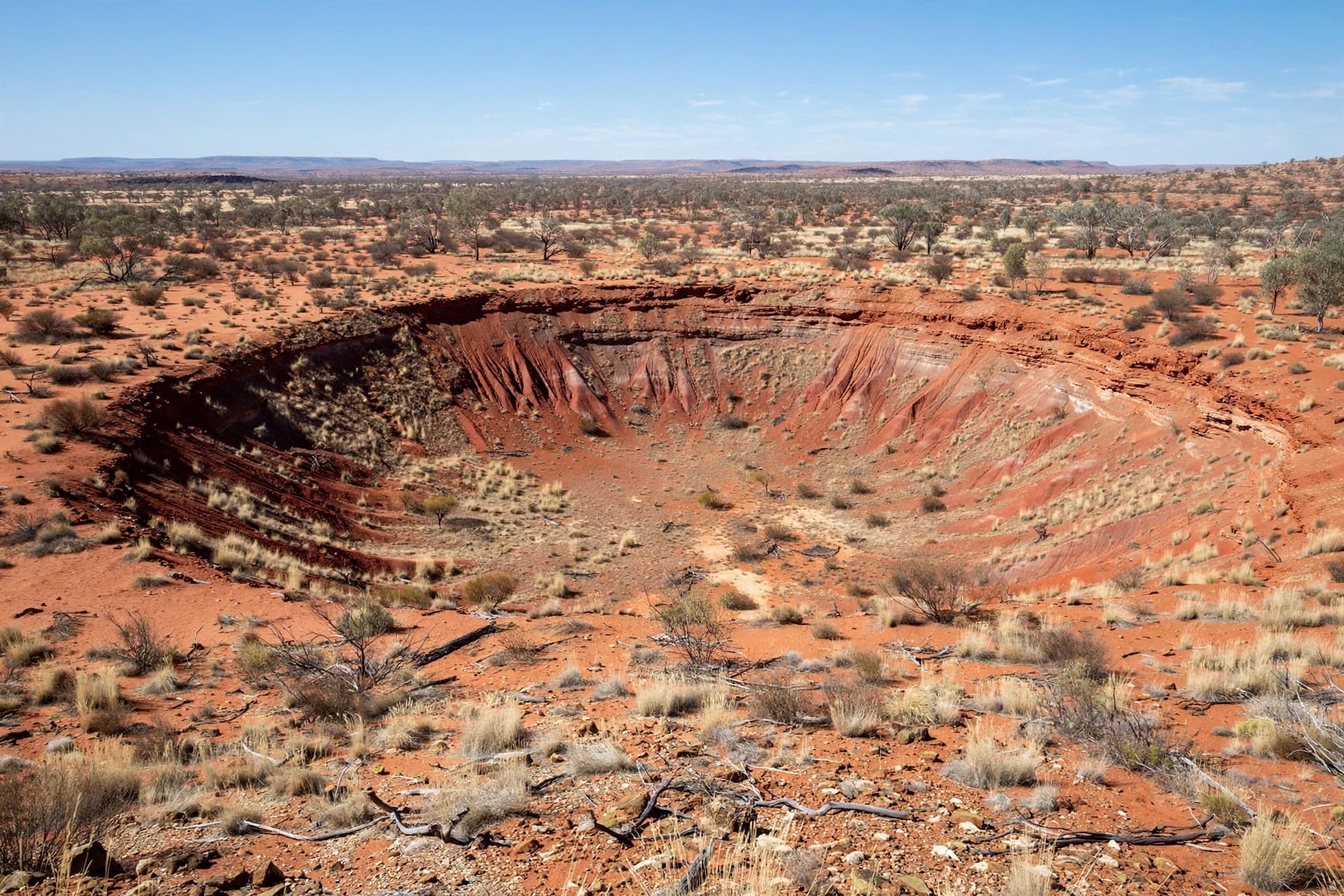
In the shadow of Mount Vesuvius, time seems to stand still, preserved in ash and stone. The eruption of AD 79, which buried Pompeii and Herculaneum, has long been a marker of historical tragedy. Yet, this catastrophic event has recently taken on a new role in science, serving as a precise anchor for dating Earth’s climatic history. By linking archaeological evidence with natural records, researchers are refining our understanding of the past with unprecedented accuracy.
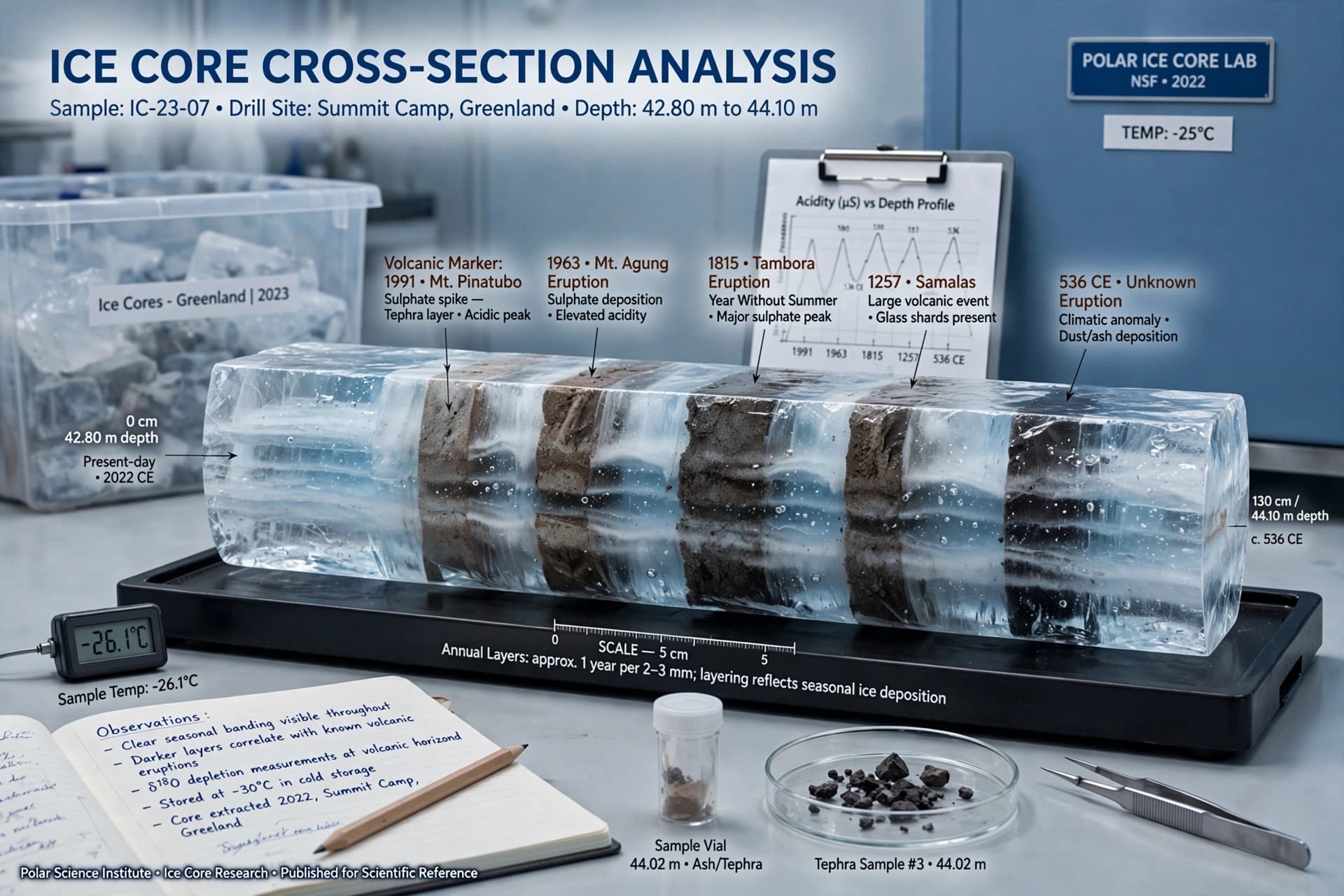
Scientists have used tree rings and ice cores to synchronize timelines across different regions and disciplines. The volcanic ash from Vesuvius left a distinct chemical signature in Greenland ice sheets, providing a global timestamp that can be matched with annual growth rings in ancient trees. This cross-referencing allows for a more coherent chronology of events, reducing uncertainties that have long plagued historical and climate studies.
The precision offered by this method is crucial for understanding climate change. Volcanic eruptions inject sulfur into the stratosphere, cooling the planet for several years. By accurately dating these events, scientists can better model their impact on global temperatures and compare them with modern climate trends. The Vesuvius eruption serves as a benchmark, helping to validate computer simulations of atmospheric processes.
Archaeologists also benefit from this refined timeline. Knowing the exact year of the eruption helps contextualize artifacts and structures found in Pompeii, offering insights into daily life in the Roman Empire. It allows historians to align literary accounts with physical evidence, creating a richer and more accurate picture of the past. This synergy between science and humanities enhances our appreciation of ancient cultures.
The collaboration between dendrochronologists, ice core specialists, and archaeologists highlights the interdisciplinary nature of modern research. Each field brings unique tools and perspectives, contributing to a holistic understanding of Earth’s history. This cooperative effort demonstrates how diverse scientific methods can converge to solve complex puzzles about our planet’s evolution.
As technology advances, the resolution of these dating techniques continues to improve. New instruments allow for more detailed analysis of ice layers and tree rings, revealing subtle variations that were previously undetectable. This progress promises even greater accuracy in future studies, enabling scientists to trace environmental changes with finer granularity.
The story of Vesuvius is no longer just one of destruction but also of discovery. It reminds us that even in disaster, there is opportunity for learning. The ash that once silenced a city now speaks to us across millennia, offering clues about the dynamic forces that shape our world.
The use of the Vesuvius eruption as a chronological anchor marks a significant advancement in earth sciences. By bridging the gap between human history and natural records, researchers are constructing a more precise and interconnected narrative of our planet’s past, enhancing our ability to predict and prepare for future changes.
AI Image Disclaimer: Visuals in this article are AI-generated artistic interpretations of volcanic activity and scientific analysis, not actual photographs of ice cores or archaeological sites.
Sources: Berkeley News RealClimate ResearchGate Cambridge University Press American Museum of Natural History
Published by Banx Network. This article is part of the Banx decentralized media programme, powered by the BXE token on the XRP Ledger.