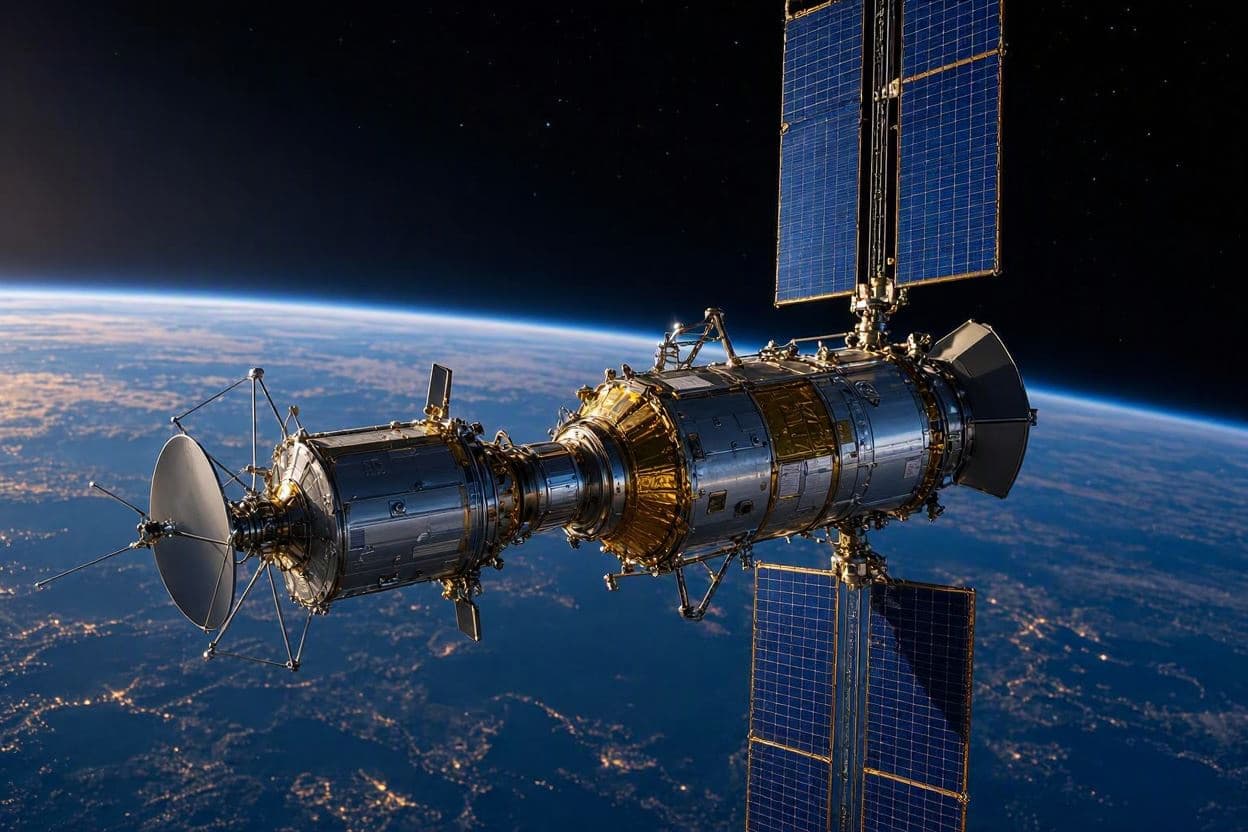
There is a certain poetry in the way humanity reaches for the stars, protected by layers of material that must withstand the fury of atmospheric reentry. For decades, the inner workings of heat shields remained a mystery, observed only before and after the ordeal. Now, thanks to advances in imaging technology, scientists have gained a real-time glimpse into these critical structures, revealing how they endure temperatures that would melt most known substances.
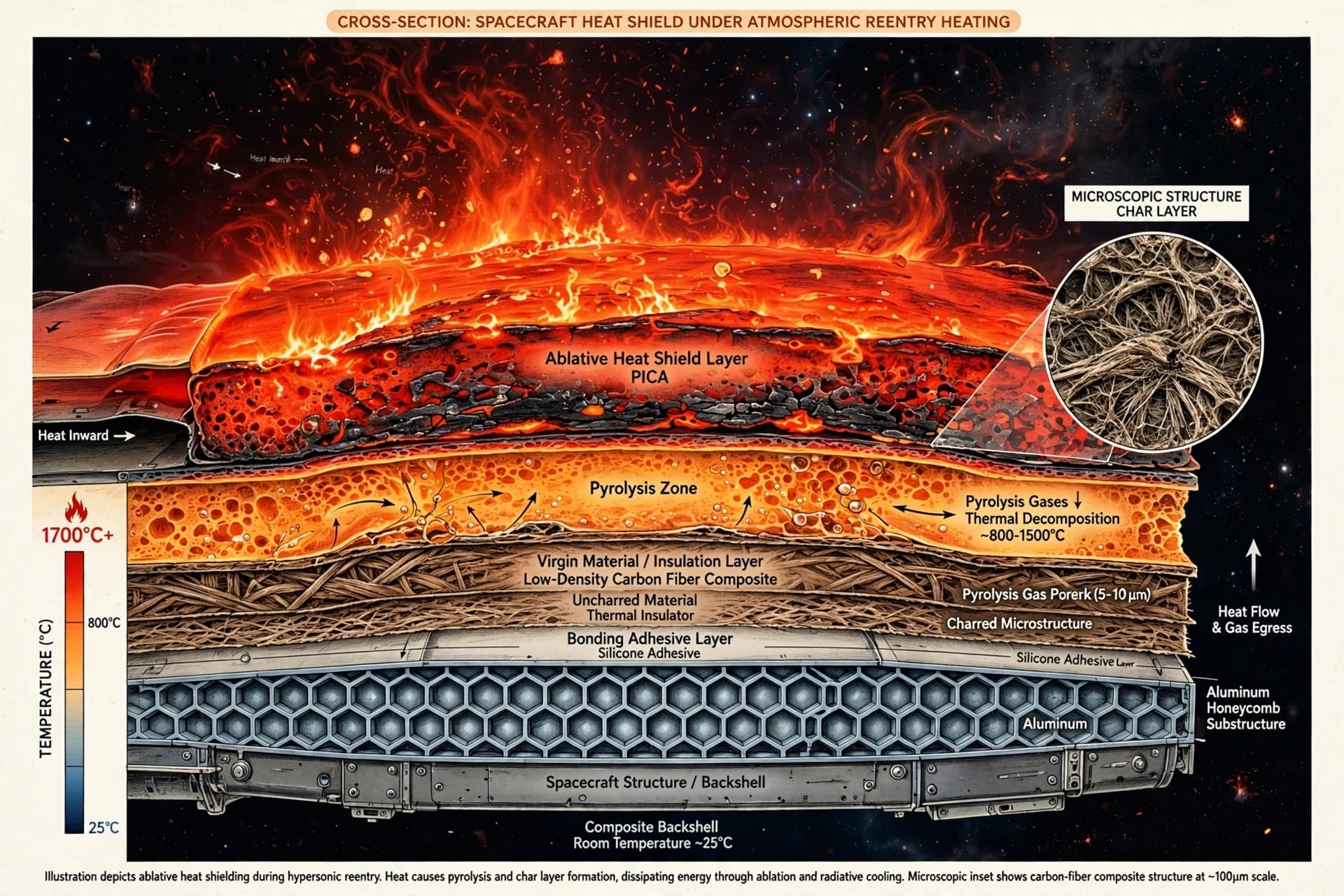
Researchers at Berkeley Lab have developed a method using X-ray imaging and AI-powered analysis to monitor heat shield materials as they degrade under extreme heat. This breakthrough allows for a microscopic view of the processes that occur during reentry, offering insights that were previously impossible to obtain without destroying the sample. It is a window into the hidden life of thermal protection systems.
The study focuses on how materials ablate, or wear away, in controlled environments that simulate the intense conditions of atmospheric entry. By observing these changes in real time, scientists can better understand the chemical and physical transformations that protect spacecraft and their occupants. This knowledge is crucial for designing safer and more efficient heat shields for future missions.
The implications of this research extend beyond current spaceflight capabilities. As commercial space travel expands and missions to Mars become more feasible, the demand for reliable thermal protection grows. Understanding the precise behavior of heat shield materials under stress can lead to innovations that reduce weight, improve durability, and enhance overall mission safety.
AI plays a pivotal role in analyzing the vast amounts of data generated by these experiments. Machine learning algorithms help identify patterns in material degradation that might be missed by human observation, accelerating the development of new compounds and structures. This synergy between experimental science and computational power represents a new frontier in aerospace engineering.
The visualizations produced by this technique are not just scientific tools but also educational resources, helping the public appreciate the complexity of space exploration. They reveal the delicate balance between engineering precision and natural forces, illustrating how human ingenuity can tame the extreme environments of our solar system.
This advancement also supports the growing trend of reusable spacecraft, which require heat shields that can withstand multiple entries. By understanding how materials degrade over time, engineers can design systems that maintain integrity across several missions, reducing costs and environmental impact. It is a step toward sustainable space exploration.
As we continue to push the boundaries of where humans can go, the ability to see inside the very shields that protect us offers both practical benefits and a deeper appreciation for the science that makes space travel possible. It is a reminder that even in the most extreme conditions, curiosity and innovation can illuminate the unknown.
AI Image Disclaimer: Visuals included in this piece are AI-generated artistic renditions intended to represent scientific concepts and are not actual images from laboratory experiments.
Sources: Berkeley Lab News Center Interesting Engineering Science Springs NASA
Published by Banx Network. This article is part of the Banx decentralized media programme, powered by the BXE token on the XRP Ledger.