A Name, A Child, A Question: How Close Is Too Close to Losing Certainty
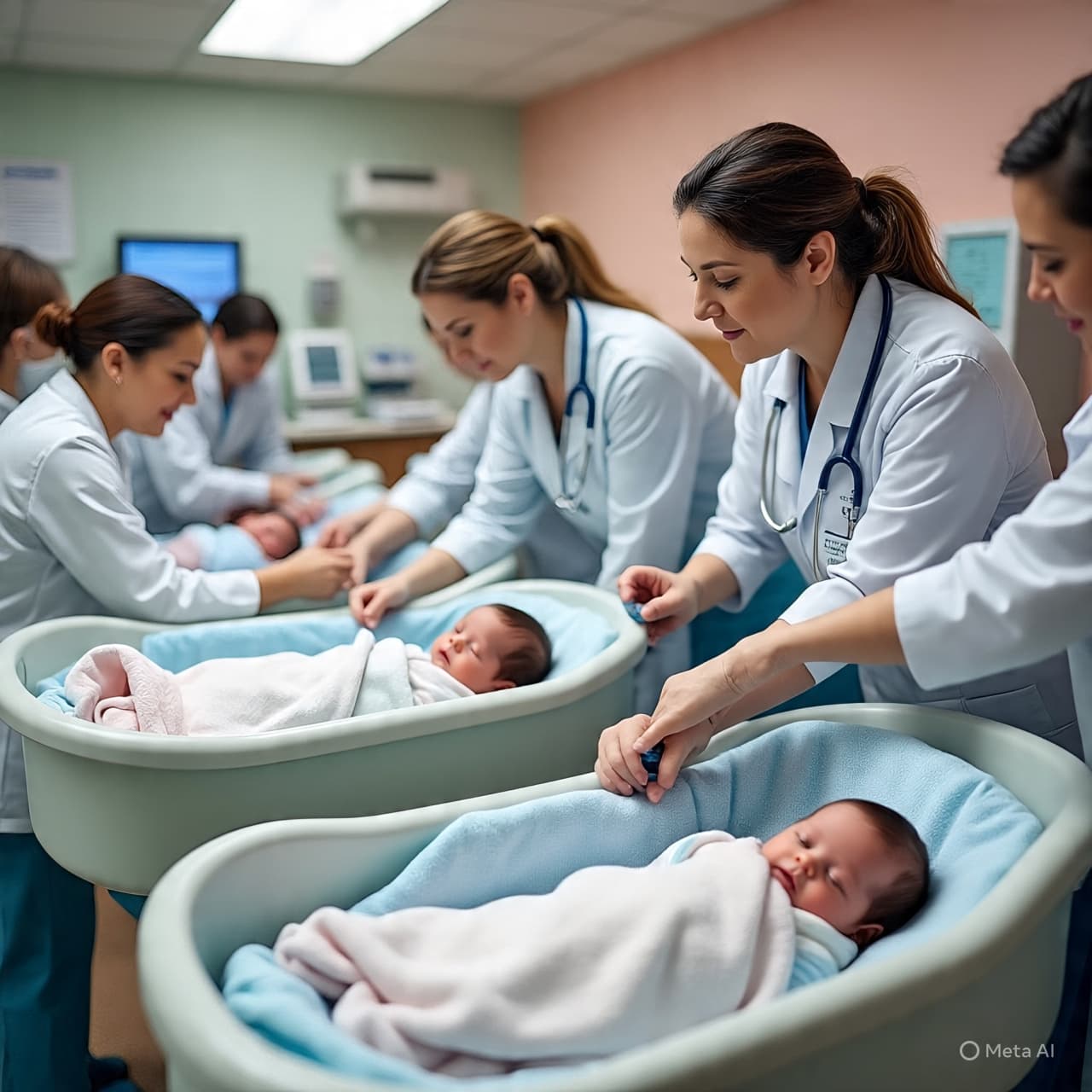
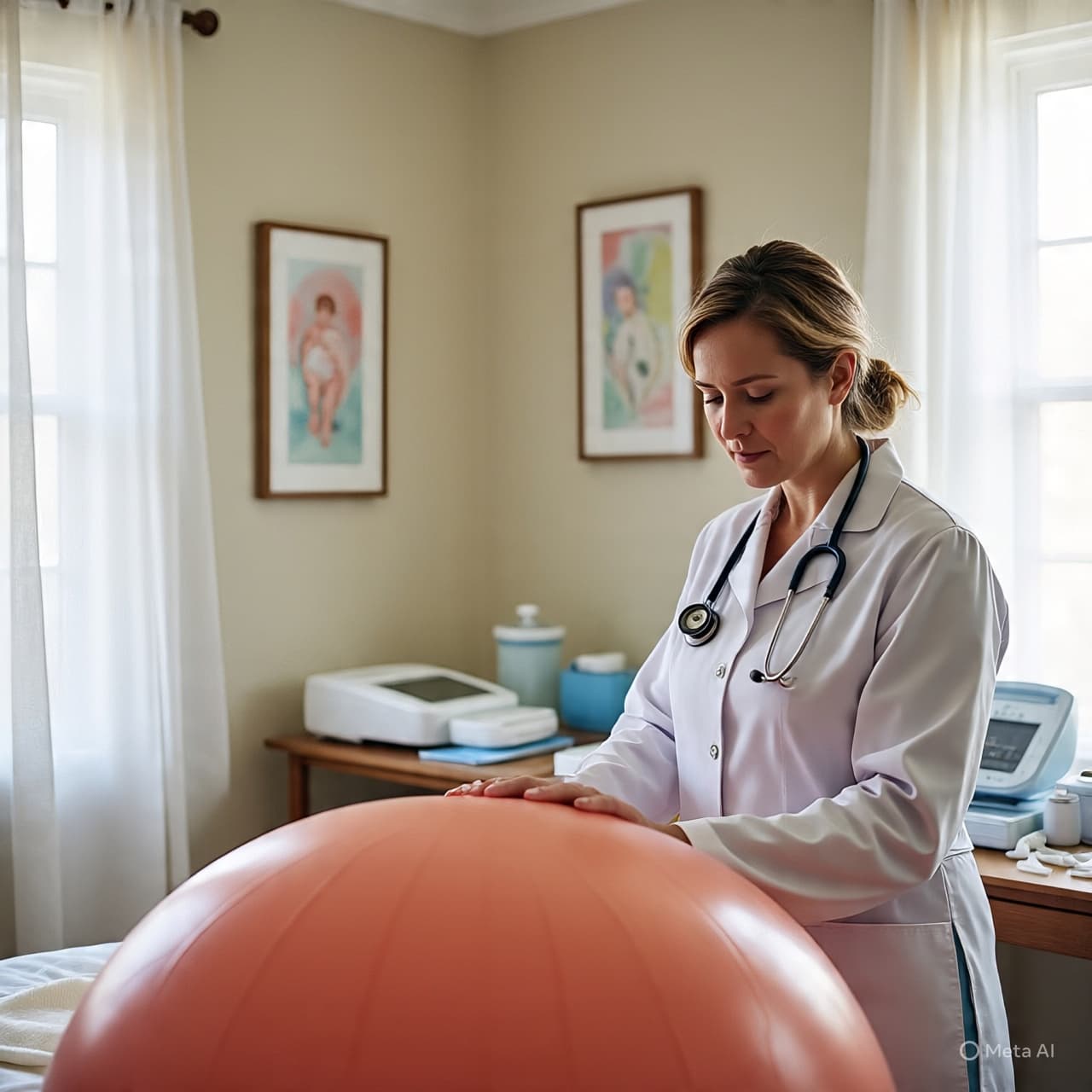
A near baby swap incident at RSHS raises concerns over hospital protocols and communication, as a mother questions the Ministry of Health’s explanation.

A near baby swap incident at RSHS raises concerns over hospital protocols and communication, as a mother questions the Ministry of Health’s explanation.

A recent study has highlighted a disturbing trend, revealing that antisemitic attacks in 2025 resulted in the highest number of fatalities in decades, raising alarms about rising hate crimes globally.

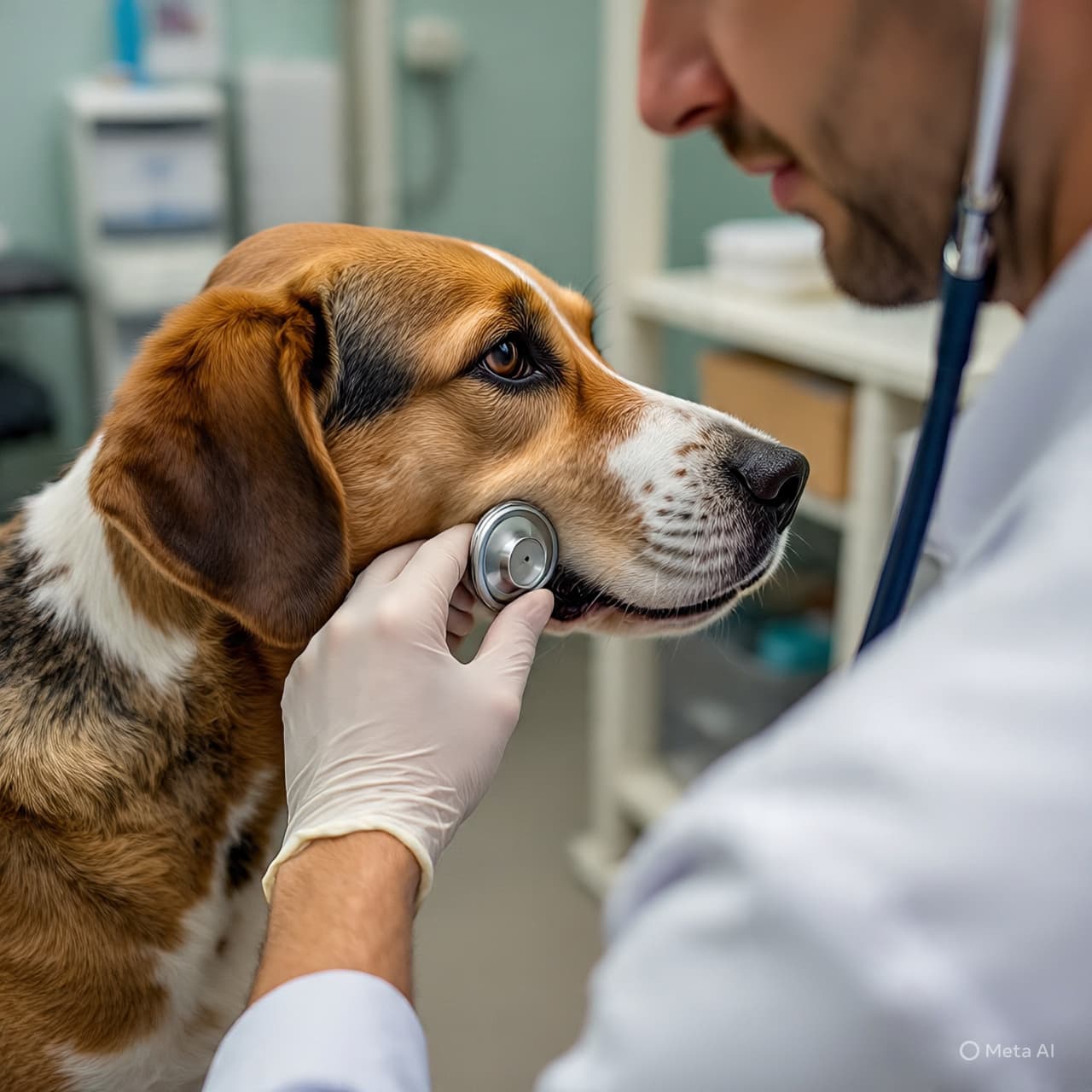
New research shows fungal ear infections in dogs resist treatment by forming protective biofilms, offering insights for improved veterinary therapies.

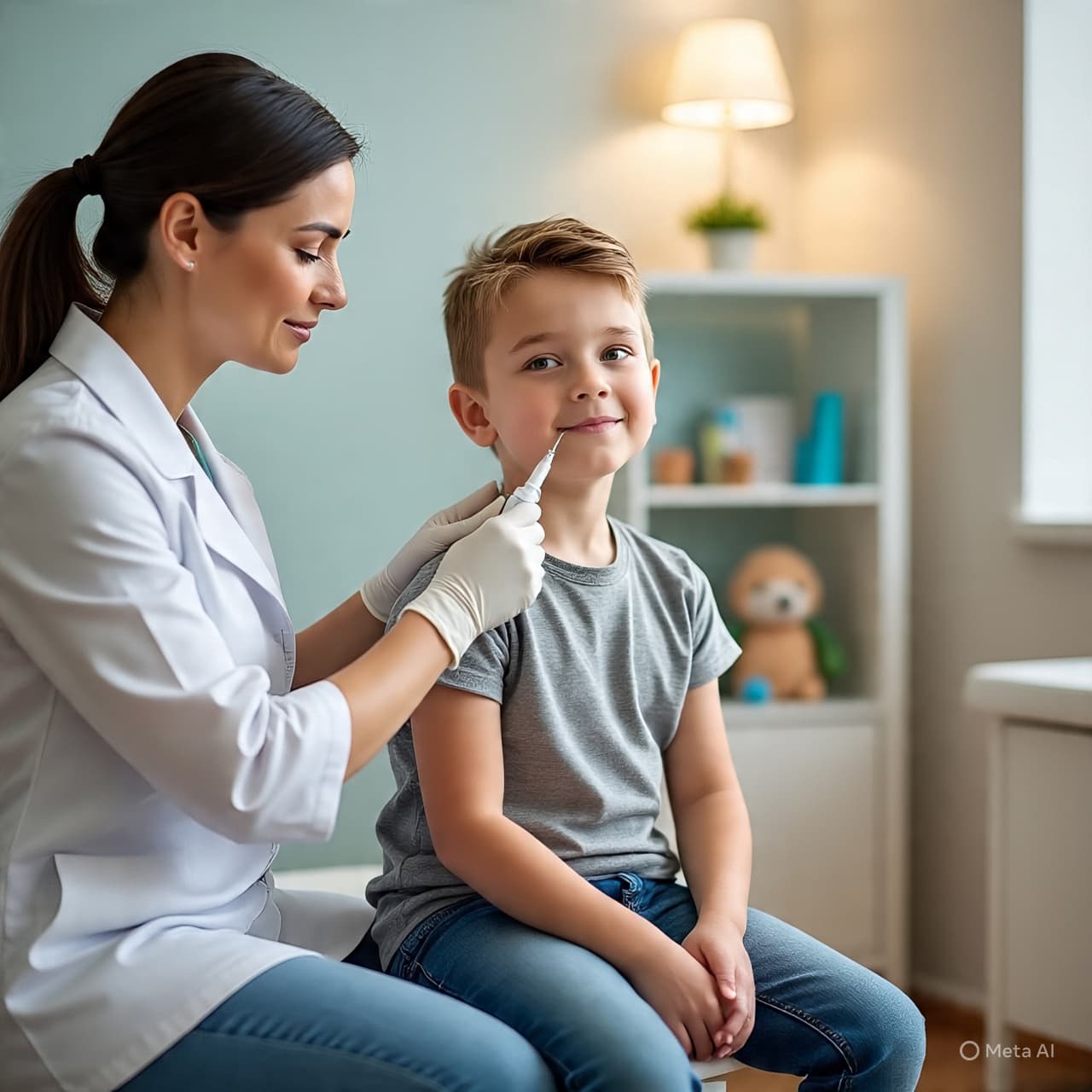
NSW introduces a needle-free flu vaccine for young children, aiming to improve comfort, increase vaccination rates, and modernize pediatric healthcare delivery.

Quinoa and spelt offer nutritional benefits, but experts say their value lies alongside other whole grains rather than above them.

Wadsworth Center in New York prepares to handle testing duties as the CDC temporarily pauses certain disease diagnostics, ensuring continuity in public health surveillance.

Experts share practical ways to overcome fatigue and rebuild energy, highlighting small movements, better sleep, nutrition, and mindset shifts.

Regional Australia is seeing a rise in bulk-billing GP services, easing patient costs while urban clinics continue facing financial pressure and reduced affordability.

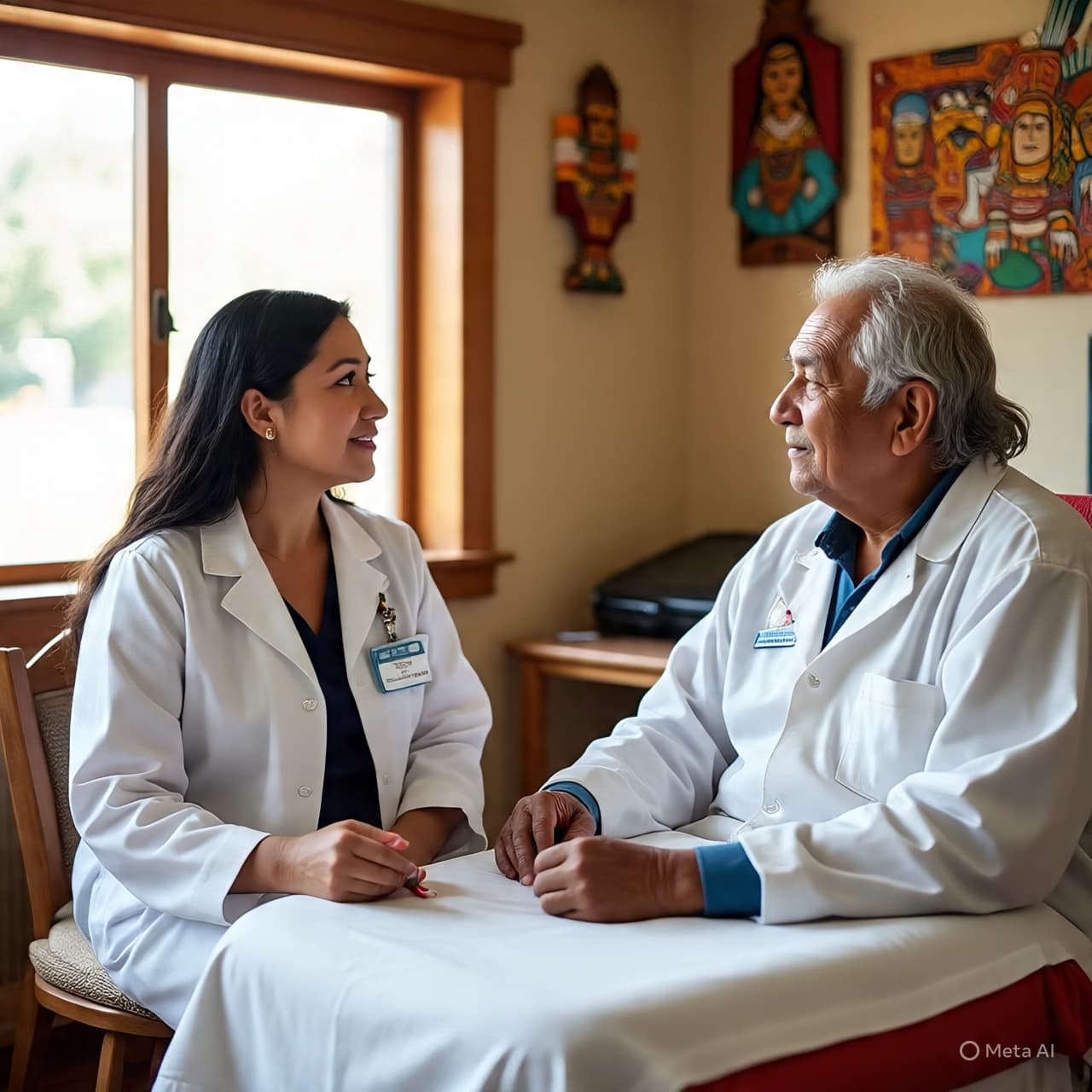
Indigenous Nurses Day highlights the vital role Indigenous nurses play in bridging cultural and healthcare gaps, improving trust, and shaping inclusive medical systems across communities.

Over 100 health practitioners now have sexual misconduct findings added to public records, reflecting efforts to increase transparency and protect patients.

A healthcare professional has been charged following the death of a baby boy during a 2024 home birth, prompting renewed debate on safety standards and oversight in non-hospital deliveries.

CDC delays a report on COVID-19 vaccine benefits, prompting questions about transparency while experts maintain confidence in existing scientific evidence.

A woman with three life-threatening diseases shows significant recovery after advanced cell therapy, highlighting new possibilities in personalized medicine while experts urge cautious optimism.

Wildlife trade increases the risk of zoonotic diseases by bringing humans and animals into close contact, highlighting the need for regulation and prevention.

ClinicRealm research shows conventional machine learning can match or outperform large language models in clinical prediction tasks, highlighting the value of balanced AI approaches in healthcare.

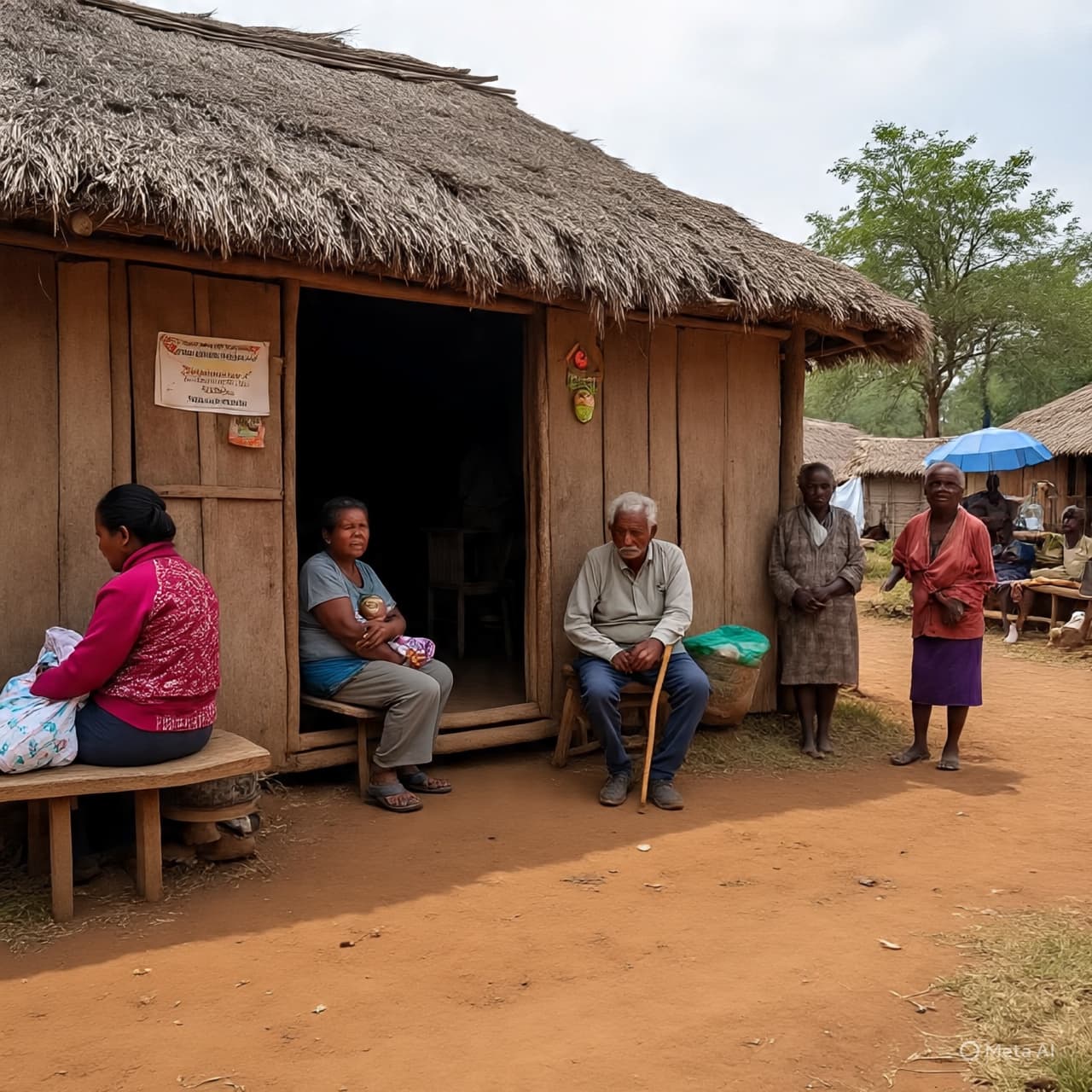
Zimbabwe faces urgent calls to improve rural maternal healthcare, as distance, resource shortages, and infrastructure gaps continue to affect access and outcomes.

Women live longer than men but often face poorer health due to medical bias, misdiagnosis, and chronic conditions, highlighting gaps in healthcare systems and research.

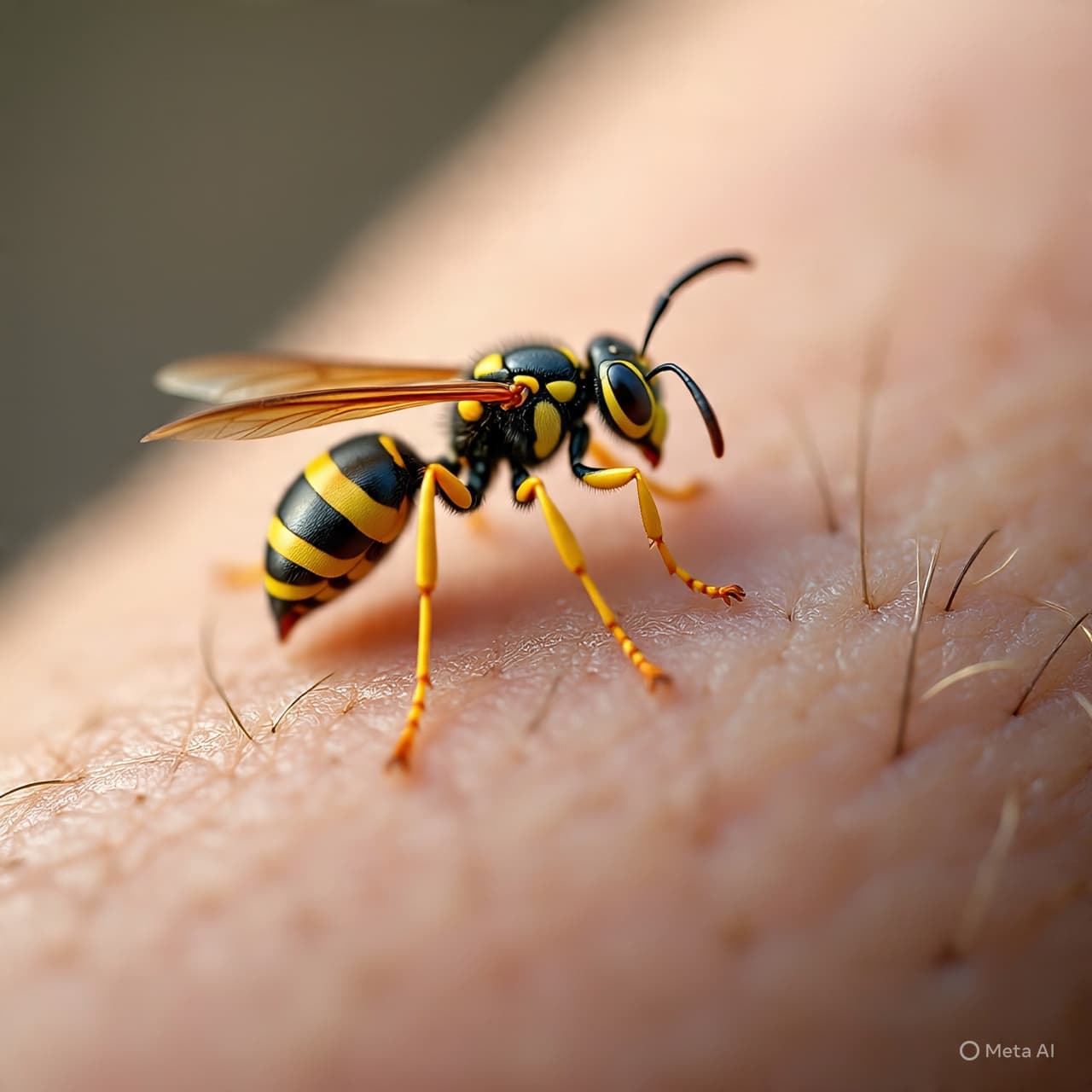
A rare medical case shows how wasp stings can lead to multiorgan dysfunction syndrome, emphasizing the need for early recognition and timely medical intervention.

A healthier plant-based diet rich in whole foods may reduce dementia risk by supporting brain and vascular health, while processed plant foods offer fewer benefits.

Vaccines not only protect children’s health but also improve school attendance, reduce inequality, and support long-term educational and social outcomes.

Fifteen years after rinderpest eradication, experts reflect on lessons in global cooperation, vigilance, and disease prevention that remain relevant today.

A medical expert defended a doctor’s assessment in Heather Winterstein’s death, stating it met clinical standards despite the tragic outcome, highlighting the uncertainty inherent in medical decisions.

Several families from the UK have raised alarms after discovering that they were given incorrect sperm samples during in vitro fertilization (IVF) treatments at clinics in Northern Cyprus. This troubling revelation underscores serious ethical concerns in assisted reproduction.

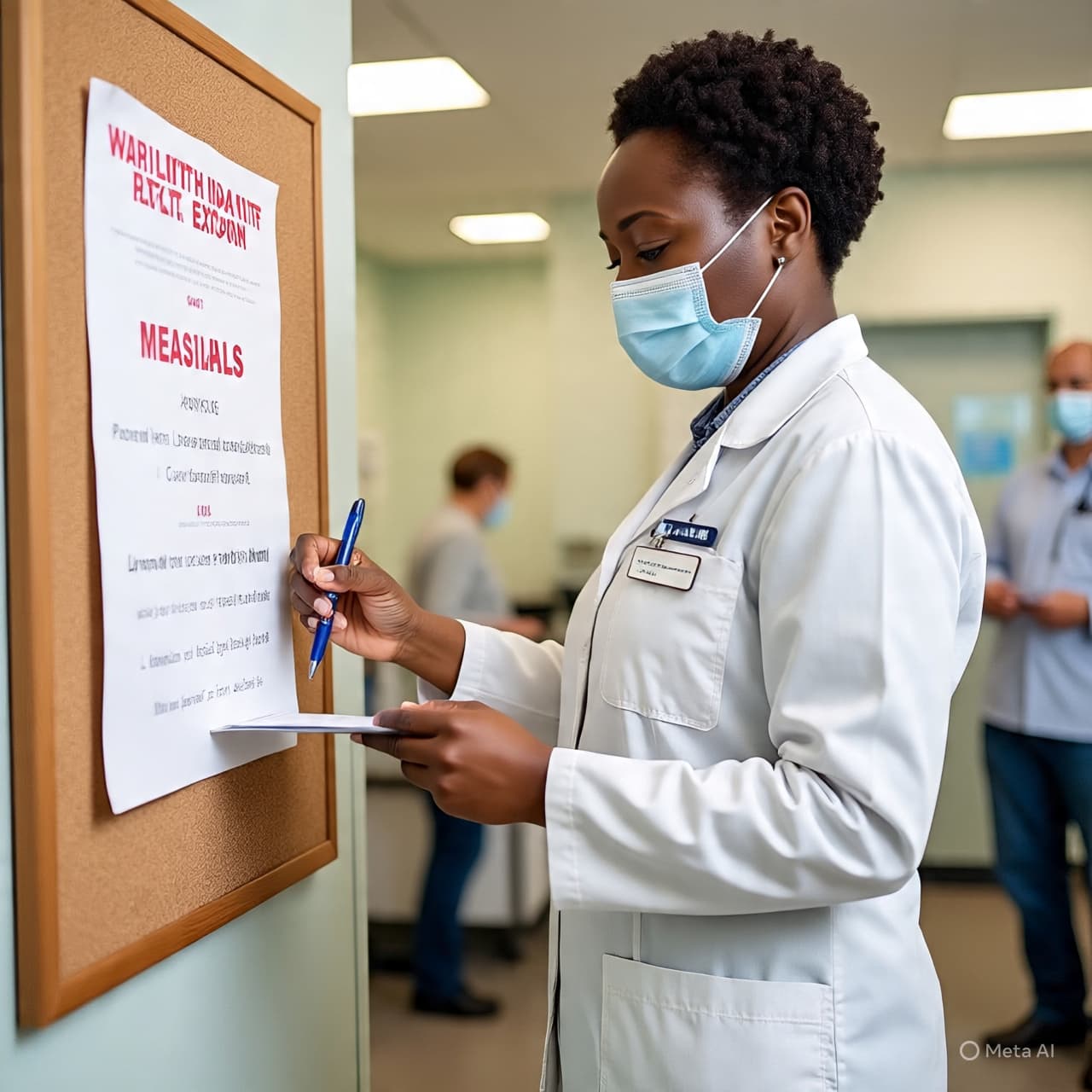
Two new measles exposure sites in Keizer highlight the risks of declining vaccination rates and the importance of early public health response.