

Key Highlights
- Recent studies link nutrient-rich plant-based diets to improved cognitive health.
- Leafy greens and whole foods may reduce dementia risk.
- Dietary quality is crucial for maintaining brain function as we age.
[The Connection Between Diet and Cognitive Health]
There is a quiet language in the way we nourish ourselves—an unspoken dialogue between body and time. Each meal, whether carefully chosen or hurriedly consumed, becomes a note in a long symphony that may one day echo in the mind’s clarity or its fading. In this subtle rhythm, researchers are beginning to trace a connection between what we eat and how we remember.
Recent studies suggest that not all plant-based diets are created equal. While the idea of eating more fruits, vegetables, legumes, and whole grains has long been associated with improved health, emerging evidence highlights that the quality of these choices matters deeply. A healthier plant-based diet—rich in minimally processed foods—may be linked to a lower risk of dementia.
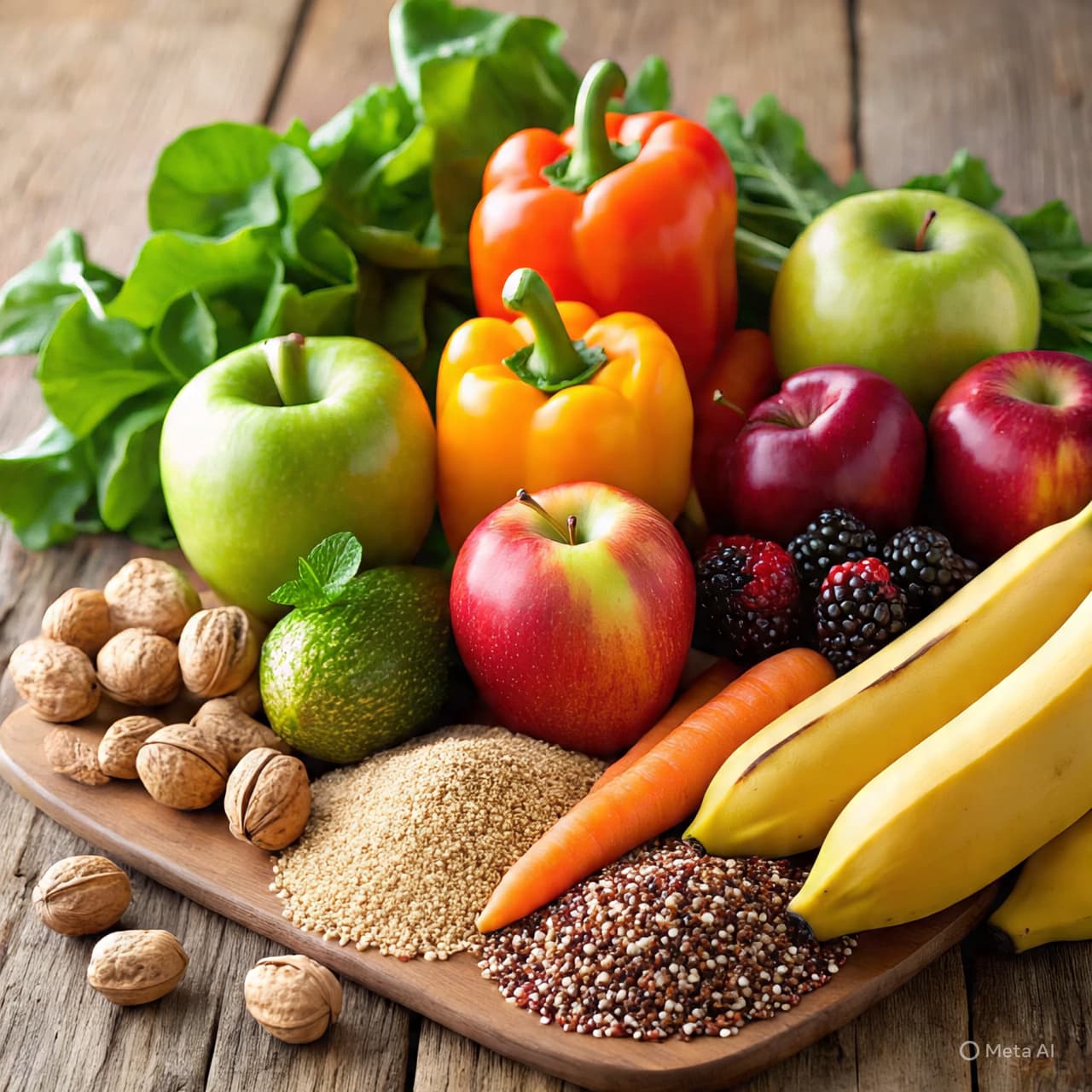
The distinction lies in nuance. Whole foods such as leafy greens, berries, nuts, and whole grains appear to support cognitive resilience. These foods provide essential nutrients like antioxidants, fiber, and healthy fats that may help reduce inflammation and oxidative stress—two factors often implicated in neurodegenerative diseases. Conversely, plant-based diets heavy in refined grains, sugary beverages, and processed meat substitutes may not offer the same protective effect. In some cases, they may even counteract potential benefits. Researchers emphasize that simply avoiding animal products is not enough; the focus must shift toward nutritional quality.
[Long-Term Studies and Their Findings]
Long-term observational studies have followed thousands of participants over decades, examining dietary patterns and cognitive outcomes. These studies indicate that individuals adhering to a healthier plant-based diet tend to show slower cognitive decline compared to those with less balanced eating habits. Scientists believe that vascular health plays a central role in this connection. A diet that supports heart health—by reducing cholesterol and improving blood flow—also benefits the brain. After all, the brain relies on a steady supply of oxygen and nutrients delivered through an intricate network of blood vessels.
Moreover, plant-based diets may influence the gut microbiome, an ecosystem increasingly recognized for its role in brain health. Beneficial gut bacteria can produce compounds that reduce inflammation and support neural function, creating another pathway through which diet impacts cognition. Still, researchers caution that diet is only one piece of a complex puzzle. Genetics, lifestyle factors such as physical activity, sleep quality, and social engagement all contribute to dementia risk. Nutrition, however, remains one of the most modifiable factors within individual control.
[Practical Strategies for Better Nutrition]
Public health experts suggest that adopting a balanced, nutrient-dense plant-based diet could serve as a practical strategy for aging populations. Small, consistent changes—such as incorporating more vegetables into daily meals or choosing whole grains over refined options—may accumulate into meaningful long-term benefits. As the global population continues to age, the question of how to preserve cognitive health becomes increasingly urgent. The answer may not lie in a single breakthrough, but in everyday choices that quietly shape the future of the mind.
[Conclusion]
While research continues to evolve, the growing body of evidence points toward the importance of dietary quality in cognitive health. Experts encourage further studies, but the message remains clear: mindful eating may play a role in protecting the brain over time.
Published by Banx Network. This article is part of the Banx decentralized media programme, powered by the BXE token on the XRP Ledger.




