A child’s future is often imagined in classrooms, playgrounds, and quiet moments of learning. Yet long before a child holds a pencil or opens a book, another journey begins—one shaped by health, protection, and the unseen shield of immunisation.
Vaccines, though small in form, carry a weight that extends far beyond immediate protection. They guard against diseases that once disrupted childhood entirely, ensuring that children not only survive but also have the opportunity to thrive. In this way, immunisation becomes a foundation upon which futures are built.
Research increasingly highlights the connection between vaccination and education. Children who are protected from preventable diseases are more likely to attend school regularly. They face fewer interruptions, fewer long recoveries, and fewer long-term complications that could hinder their development.
In many parts of the world, this connection is especially visible. Communities with strong immunisation programs often see improvements not only in health outcomes but also in educational attainment. Attendance rises, performance stabilizes, and opportunities expand.
Vaccines also contribute to broader social stability. When fewer children fall ill, families face less financial strain. Parents can work more consistently, resources can be allocated more effectively, and communities can invest in growth rather than recovery.
Organizations like UNICEF and WHO have long emphasized the importance of immunisation as a cornerstone of child development. Their programs often integrate vaccination efforts with educational initiatives, recognizing that the two are deeply interconnected.
There is also an element of equity at play. Vaccines have the potential to reduce disparities, offering protection regardless of socioeconomic status. In doing so, they help level the playing field, ensuring that more children have the chance to pursue education and opportunity.
Despite these benefits, challenges remain. Access to vaccines is still uneven in some regions, and misinformation continues to pose barriers. Addressing these issues requires not only logistical solutions but also community engagement and trust-building.
The long-term impact of vaccination is often invisible, measured not in headlines but in quiet progress. A child who stays healthy attends school. A student who attends school learns. A learner who grows gains the ability to shape their own future.
In this sense, vaccines are not just a medical intervention—they are an investment in possibility. They do not guarantee outcomes, but they create the conditions in which potential can unfold. And in that quiet, steady way, they shape the trajectory of generations.
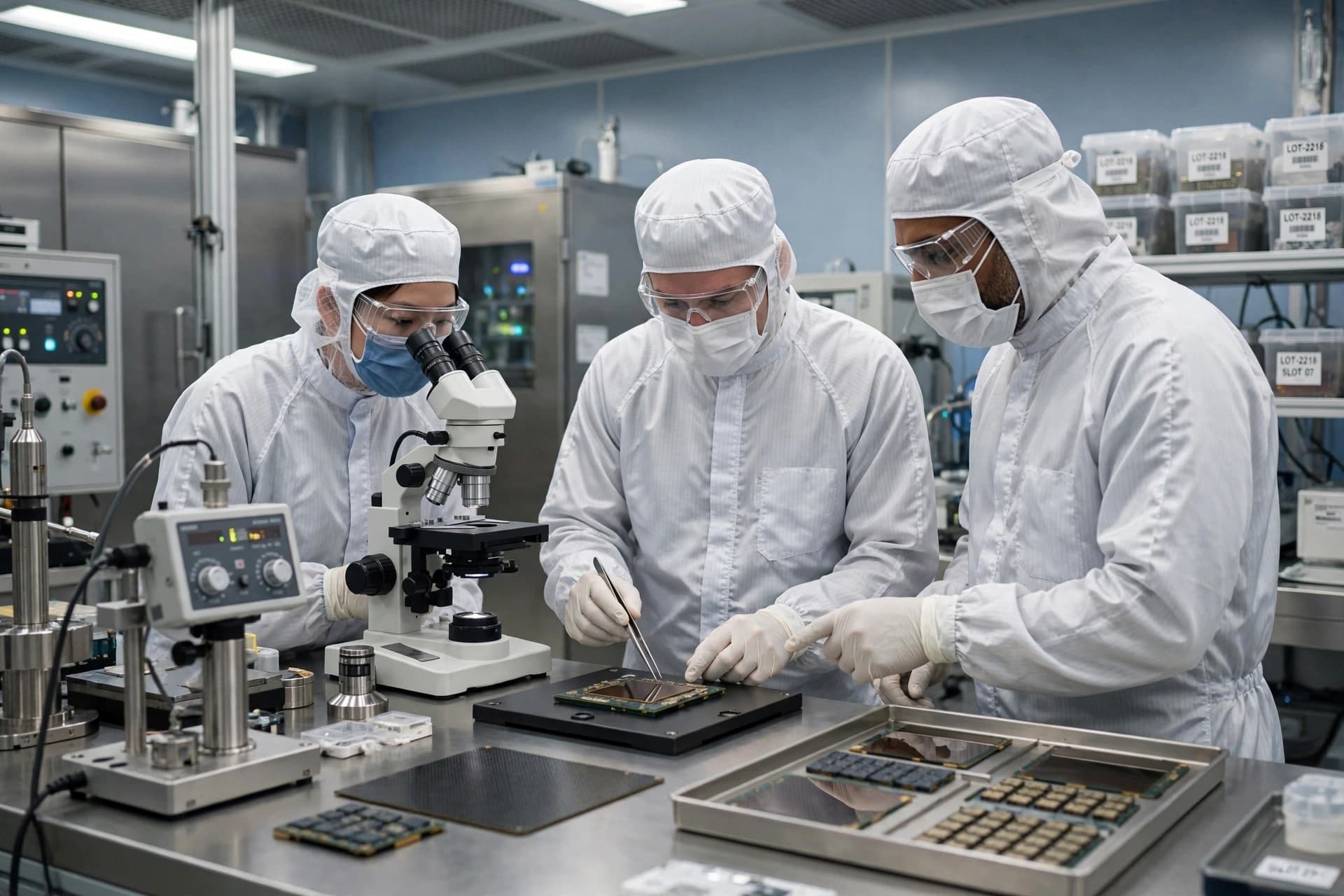
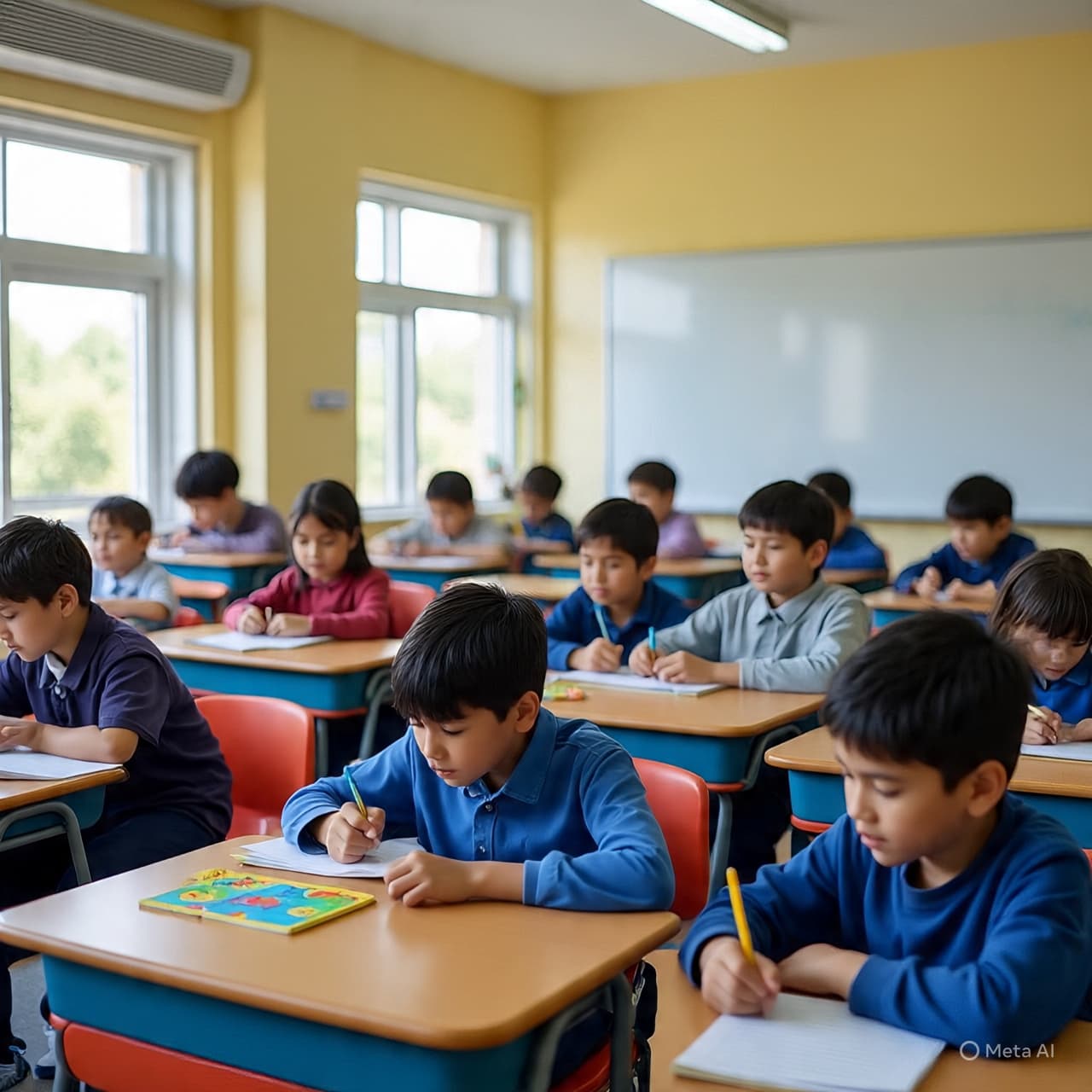
AI Image Disclaimer Illustrations were produced with AI and serve as conceptual depictions.
Source Check UNICEF World Health Organization (WHO) The Lancet BBC Reuters
Published by Banx Network. This article is part of the Banx decentralized media programme, powered by the BXE token on the XRP Ledger.