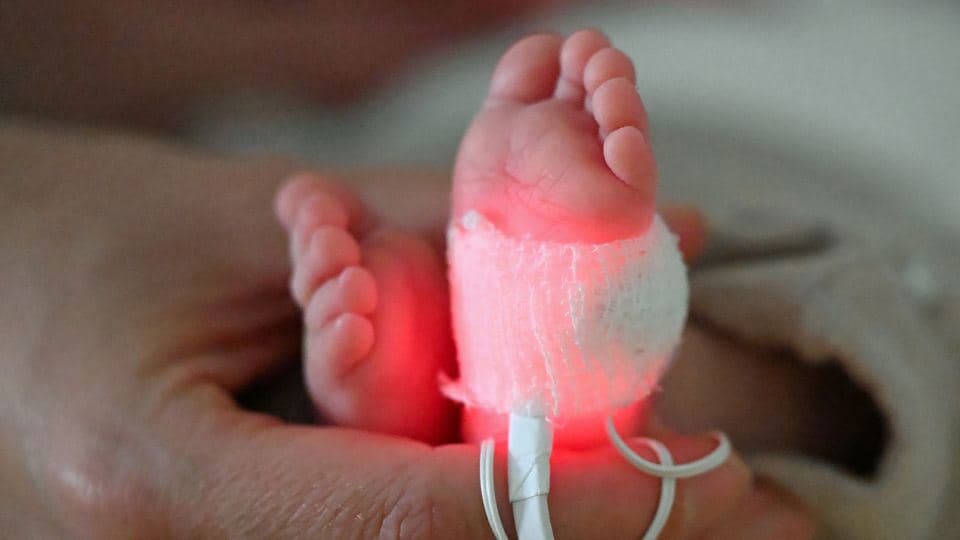
Between Hope and Hesitation, Can Bangladesh Turn the Tide Against Measles?
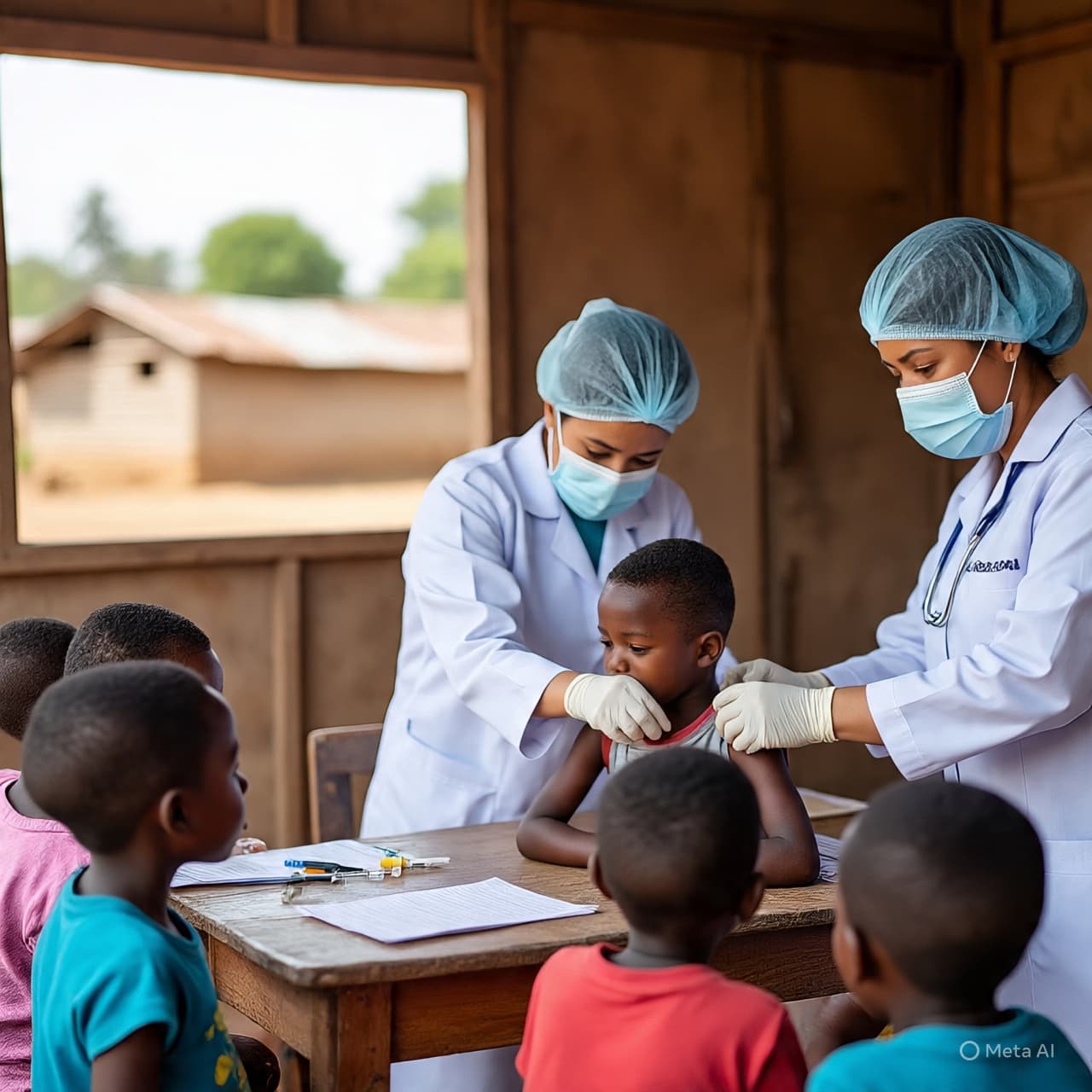
Bangladesh launches a nationwide measles vaccination campaign after child deaths exceed 100, aiming to close immunization gaps and prevent further outbreaks.

Bangladesh launches a nationwide measles vaccination campaign after child deaths exceed 100, aiming to close immunization gaps and prevent further outbreaks.

Flea-borne typhus cases are rising sharply in LA County, with most patients requiring hospitalization, prompting renewed focus on public health measures and prevention.

E-scooter injuries are rising across cities, with studies revealing racial and socioeconomic disparities tied to infrastructure, safety access, and urban planning inequalities.

NSW introduces a nasal flu vaccine for children, offering a needle-free alternative aimed at increasing vaccination rates and reducing anxiety around traditional injections.

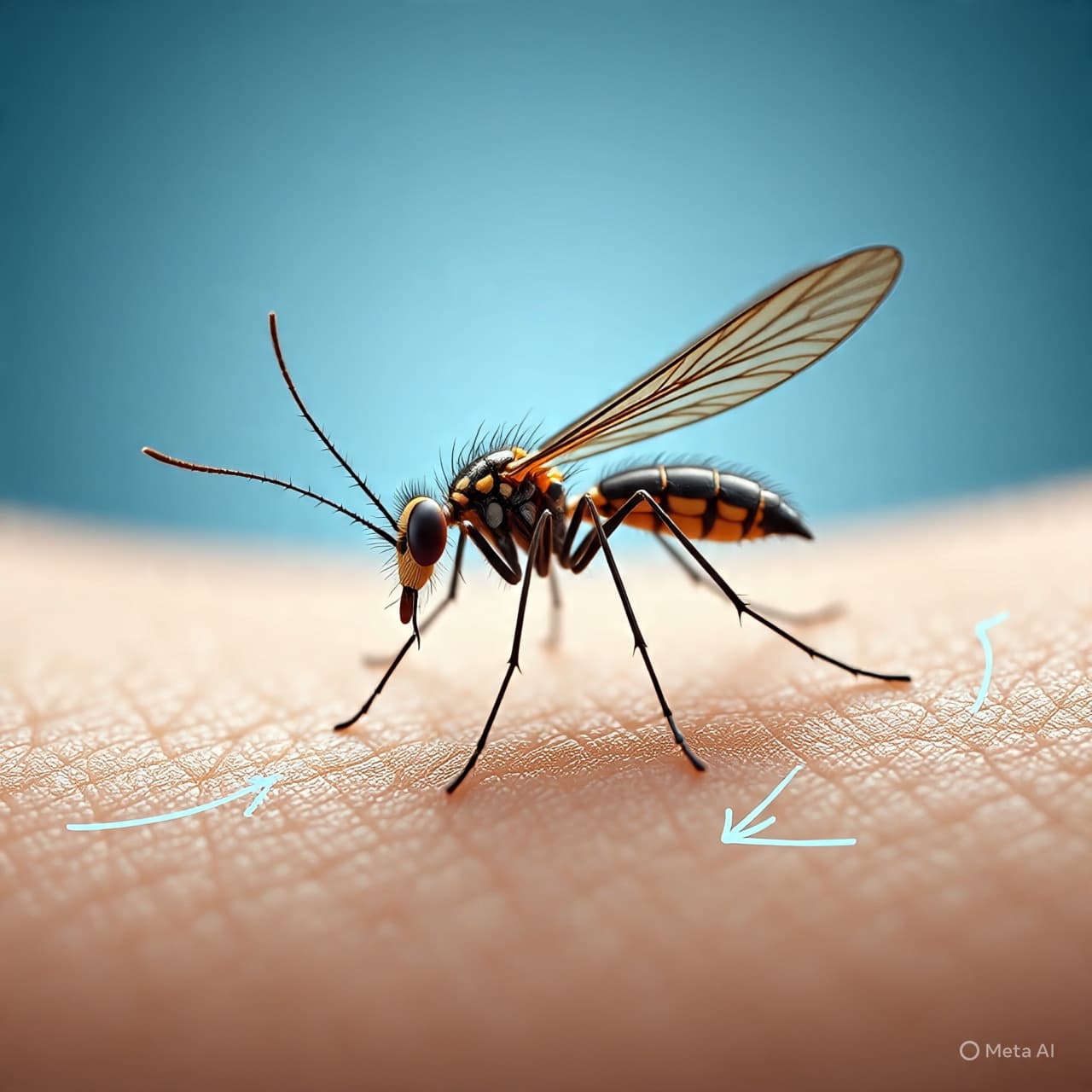
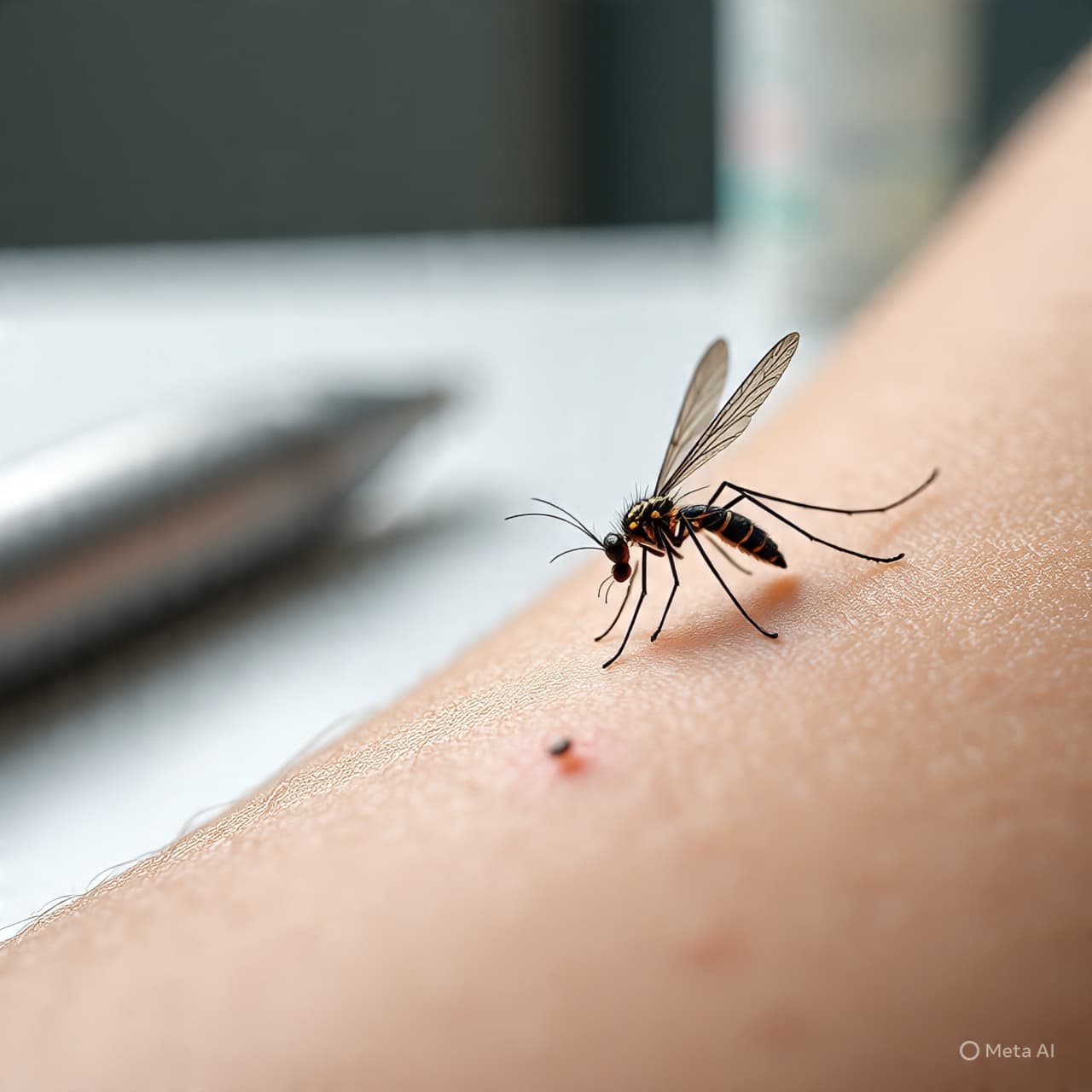
Mosquito resistance to insecticides in South America threatens malaria control efforts, prompting concerns among scientists and highlighting the need for new strategies and global health vigilance.

A parasitic tapeworm found in Washington coyotes raises public health concerns for pets and humans, highlighting risks in shared ecosystems.

Regular drinking habits, even moderate ones, may significantly increase the risk of advanced liver disease due to cumulative damage over time.

Passive screen time, such as prolonged TV watching, may increase dementia risk by reducing cognitive engagement, highlighting the importance of mentally active habits.

A major study in Peru finds a strong correlation between pesticide exposure and increased cancer risk, raising broader questions about environmental health and long-term agricultural practices.

An editorial reflection on the death of Marwan Darwish, exploring the impact of prisoner health conditions and the call for international accountability.

An editorial look at the 2026 Gaza vaccination campaign, reflecting on the challenges of maintaining public health in a displaced and conflict-affected population.

An editorial reflection on the strike against the Tofigh Daru facility, exploring the tension between medical production and strategic suspicion in Iran.

Rising dengue cases in Indonesia reflect climate change and urbanization, signaling broader global health challenges.

A national health report projects rising cancer survivorship through 2045, driven by improved screening technologies enabling earlier detection and better long-term outcomes.

NIR spectroscopy enables non-invasive assessment of subsurface collagen, offering new possibilities for diagnostics, treatment monitoring, and understanding tissue health.

New estimates suggest over 150,000 COVID-19 deaths in the U.S. went uncounted early in the pandemic, highlighting gaps in data and the complexity of measuring crisis impact.

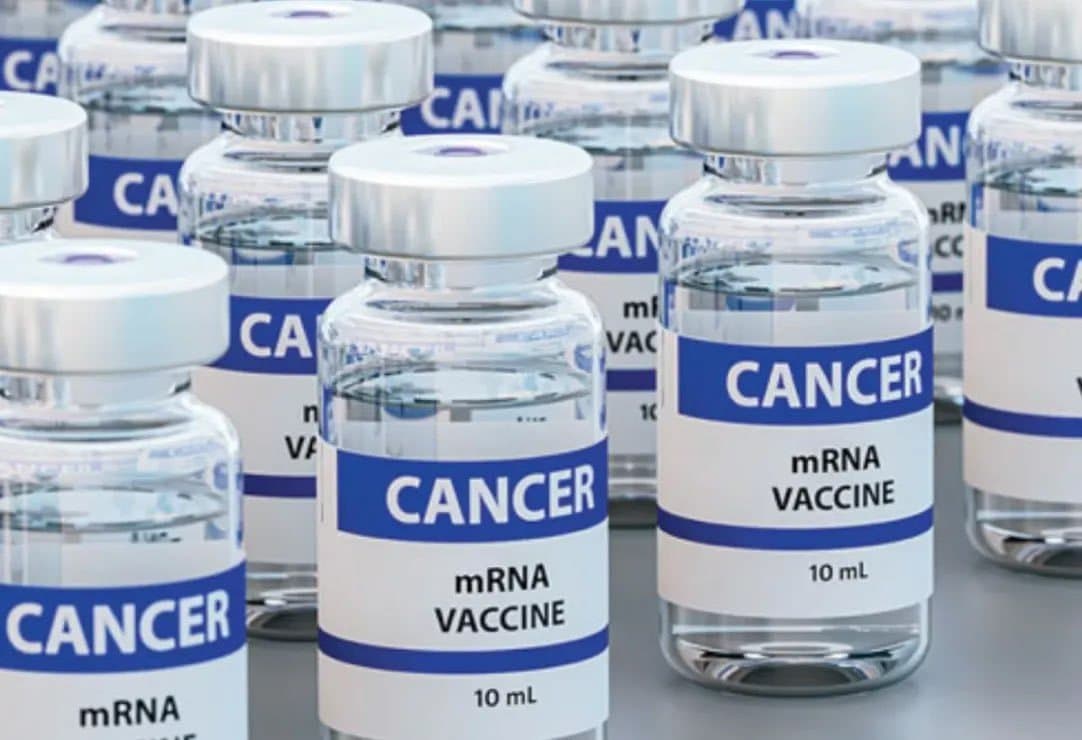
Russia delivers its first personalized mRNA cancer vaccine, Neoconvocat, to a 60-year-old melanoma patient.

Dietitians suggest eating dinner 2–3 hours before bedtime to support cognitive health. Earlier meals align with circadian rhythms, improve sleep quality, and help stabilize blood sugar—key factors for memory, focus, and overall brain function.

RFK Jr. pledged to fight Lyme disease, but questions remain about whether that includes supporting vaccines, as experts emphasize prevention alongside treatment.

A possible measles exposure at O’Hare Airport has prompted health officials to advise monitoring symptoms, while emphasizing that vaccination remains the strongest protection.

Health officials in Hawaii warn of leptospirosis risk after flooding, urging caution with contaminated water and emphasizing early awareness and prevention.

Experts recommend six simple steps—like monitoring pollen, improving indoor air, and using medications—to manage allergy symptoms effectively throughout the season.

Pharmaceutical companies are postponing several product launches in Europe as they closely monitor pricing policies introduced by Trump, impacting their strategic planning in the region.

Recent studies reveal that exposure to certain plastic chemicals is associated with millions of preterm births and infant deaths worldwide, prompting urgent calls for regulatory action and public awareness.