

Key Highlights
- Longevity often masks health disparities for women.
- Medical bias and misdiagnosis contribute to poorer outcomes.
- Chronic conditions and mental health challenges affect women's quality of life.
Longevity has long been celebrated as a hallmark of societal progress, reflecting advancements in healthcare and living standards. However, beneath the surface of increasing life expectancy lies a more intricate narrative, particularly concerning women's health. While women generally outlive men, they frequently face a range of health challenges that complicate the notion of a 'longer, better life.'
Research indicates that women tend to experience poorer health outcomes as they age, raising critical questions about the underlying factors contributing to this paradox. One significant issue is the historical bias in medical research, which has predominantly focused on male subjects. This lack of representation has resulted in a limited understanding of how various diseases manifest in women, leading to gaps in effective treatment and care.
Misdiagnosis is another pressing concern. Conditions such as heart disease often present differently in women compared to men, which can result in delayed or incorrect diagnoses. Such delays not only hinder timely treatment but can also severely impact a woman's overall quality of life. The consequences of these misdiagnoses underscore the urgent need for a more nuanced approach to women's health in clinical settings.
Chronic health conditions further complicate the landscape. Women are statistically more likely to suffer from long-term illnesses, including autoimmune diseases and age-related conditions. These chronic issues can significantly affect daily functioning and independence, making it essential to address the unique health needs of women as they age.
Mental health is another critical aspect of this discussion. Societal roles, caregiving responsibilities, and economic disparities contribute to heightened stress levels and mental health challenges among women, particularly in their later years. The interplay of these factors can exacerbate existing health issues, creating a cycle that is difficult to break.
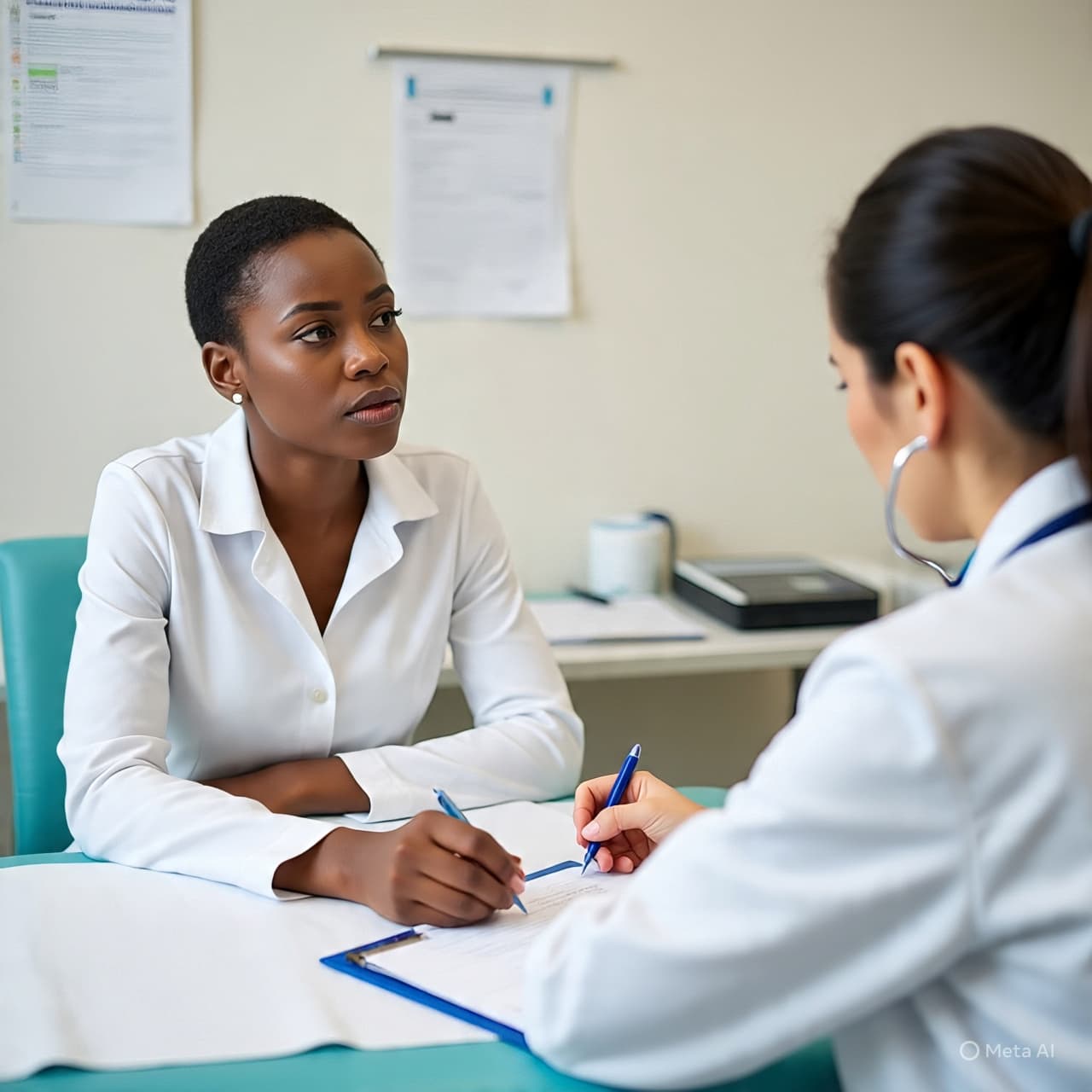
Access to healthcare and effective communication also play pivotal roles in shaping health outcomes for women. Studies have shown that women's symptoms are often dismissed or underestimated by healthcare providers, leading to inadequate care. This systemic issue highlights the need for improved training and awareness among medical professionals to ensure that women's health concerns are taken seriously.
Despite these challenges, there is a growing recognition within the medical community of the need to address these disparities. Initiatives aimed at including more diverse populations in research and developing gender-sensitive approaches to diagnosis and treatment are gaining traction. Policymakers are also exploring changes that could help bridge the gaps in healthcare access and quality for women.
As societies continue to celebrate the achievement of longer life spans, it is increasingly clear that the true measure of progress lies not just in the quantity of years lived but in the quality of those years. By understanding and addressing the unique health challenges faced by women, we can work towards a future where longevity is synonymous with well-being and quality of life for all.
Published by Banx Network. This article is part of the Banx decentralized media programme, powered by the BXE token on the XRP Ledger.




