

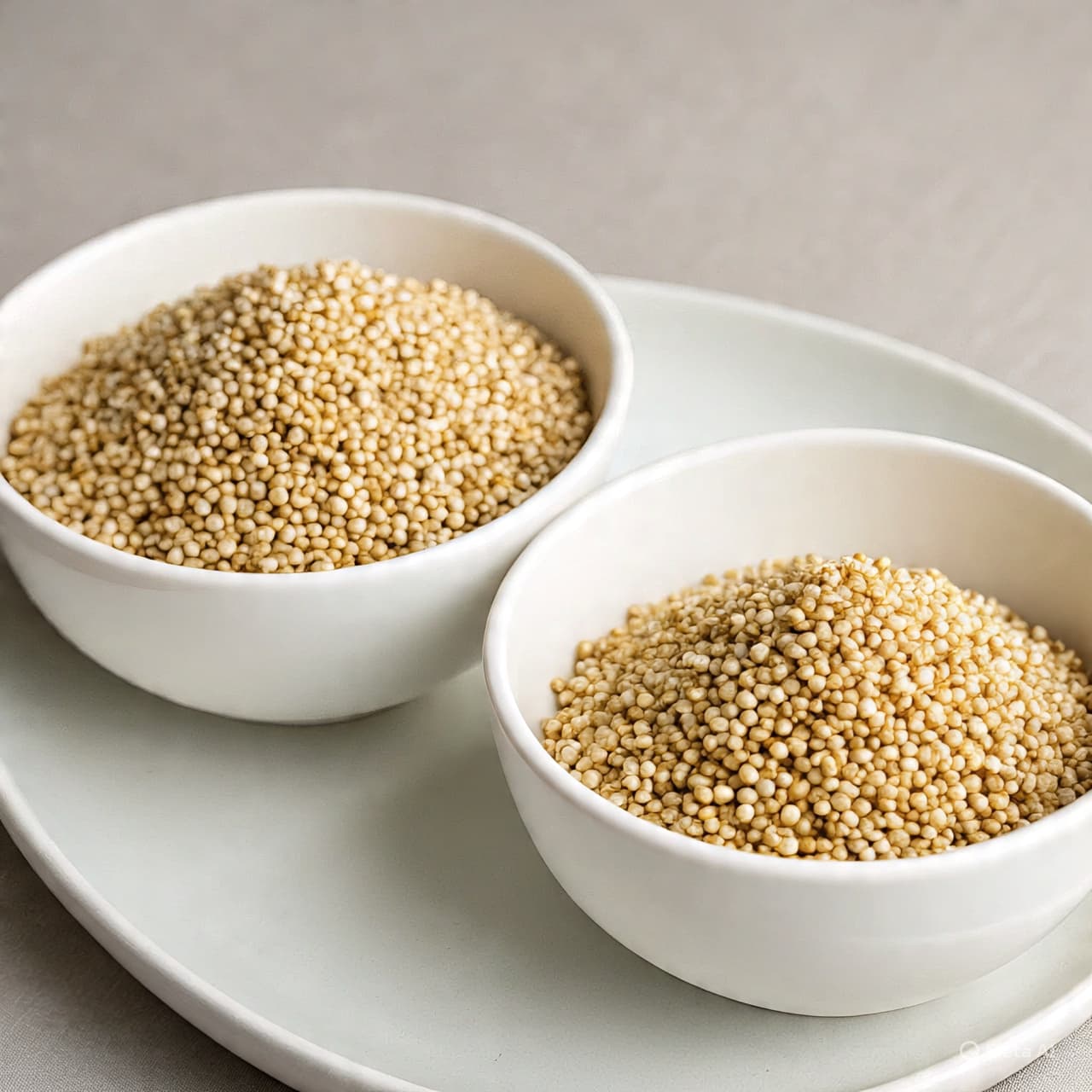
Key Highlights
- Ancient grains like quinoa and spelt are gaining popularity for their perceived health benefits.
- Quinoa is a complete protein, while spelt offers unique nutrients.
- The nutritional value of grains depends more on processing than their age.
Ancient grains have captured the attention of health-conscious consumers, often celebrated for their historical significance and nutritional profiles. Grains such as quinoa and spelt are frequently touted as healthier alternatives to modern grains, but this raises an important question: Are they truly better for our health? As we delve into the nutritional aspects of these ancient foods, it becomes clear that the answer is more complex than it seems.
The term "ancient grains" refers to crops that have remained largely unchanged over centuries, in contrast to modern wheat, which has been selectively bred for higher yields and uniformity. Quinoa, a staple of the Andean diet, and spelt, an ancient relative of wheat, are often highlighted for their nutritional benefits. Quinoa is particularly notable for its complete protein profile, containing all nine essential amino acids, making it a valuable source of protein for vegetarians and vegans. Spelt, while similar to modern wheat, offers a distinct balance of fiber, vitamins, and minerals, including iron and magnesium, which are essential for overall health.
Despite their nutritional merits, the notion that ancient grains are inherently superior can be misleading. Nutrition experts emphasize that while quinoa and spelt can be nutritious, they are not necessarily more beneficial than other whole grains such as oats or brown rice. The key factor lies in how grains are processed and consumed. Whole grains, regardless of their origin, provide essential nutrients and support digestive health, while refined grains often lose much of their nutritional value. Thus, the focus should be on consuming whole grains rather than fixating on whether they are ancient or modern.
Digestive tolerance is another aspect to consider when evaluating ancient grains. Some individuals report that spelt is easier to digest than modern wheat, although it still contains gluten and is unsuitable for those with celiac disease. Quinoa, on the other hand, is gluten-free but can cause mild digestive discomfort if not rinsed properly before cooking. These factors highlight the importance of individual dietary needs and preferences when incorporating grains into one's diet.
The rising popularity of ancient grains also reflects broader dietary trends, as consumers increasingly seek foods perceived as natural, less processed, and connected to tradition. This shift not only addresses nutritional concerns but also taps into cultural and psychological aspects of eating. Many people are drawn to the idea of consuming foods that have a rich history and are less altered by modern agricultural practices.
Ultimately, nutrition science tends to favor a balanced approach over novelty. Incorporating a variety of whole grains, including both ancient and modern types, is often recommended as part of a healthy diet. Quinoa and spelt can certainly contribute valuable nutrients, but they should be viewed as part of a broader dietary pattern that values diversity, moderation, and informed choices. By embracing a wide range of whole grains, individuals can optimize their nutritional intake and enjoy the benefits of both ancient and contemporary foods.
Published by Banx Network. This article is part of the Banx decentralized media programme, powered by the BXE token on the XRP Ledger.




