

Key Highlights
- Urgent Action:A Member of Parliament calls for improvements in rural maternal healthcare.
- Geographic Disparities:Rural areas face significant barriers to accessing healthcare services.
- Community Support:Traditional birth attendants and health workers help fill gaps in care.
[Urgent Need for Action]
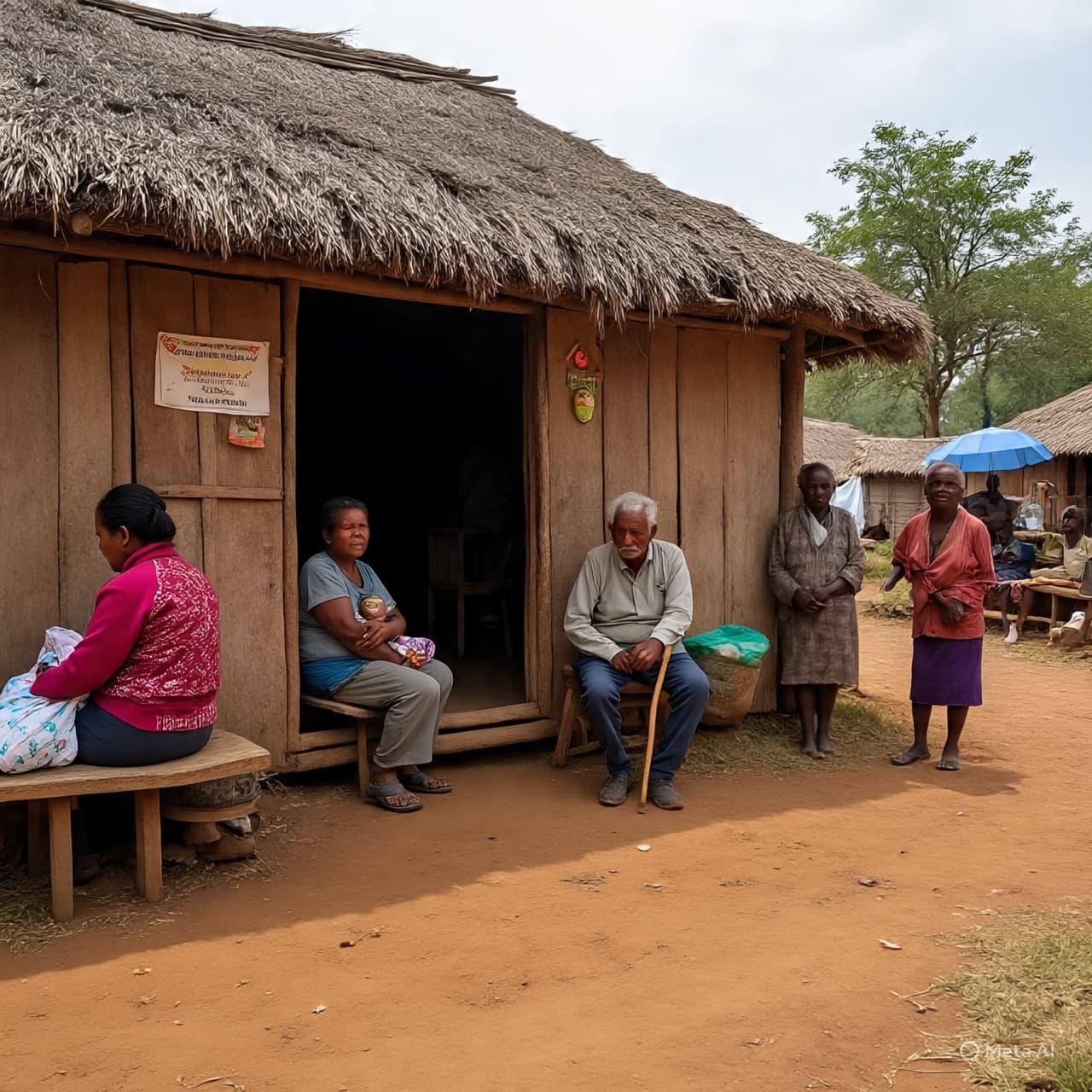
In rural Zimbabwe, the journey to maternal healthcare is fraught with challenges that extend beyond mere distance. A recent appeal from a Member of Parliament has brought attention to the urgent need for reforms in maternal healthcare services, particularly for expectant mothers living in remote areas. The disparities between urban and rural healthcare access have raised alarms, prompting calls for immediate action to address these critical issues.
Healthcare facilities in rural regions are often located far from the communities they serve, creating significant barriers for pregnant women who may need to travel for hours under difficult conditions. These delays can have dire consequences, as timely access to medical care is crucial for both maternal and infant health. The risks associated with such delays are compounded by the fact that many rural clinics are ill-equipped to handle emergencies, lacking essential medical supplies and trained personnel.
[Infrastructure Challenges]
The uneven distribution of healthcare infrastructure in Zimbabwe is a major concern. Urban centers typically boast better-equipped hospitals and a higher number of healthcare professionals, while rural clinics frequently struggle with staff shortages and inadequate resources. Reports indicate that some clinics are unable to operate consistently due to power outages, lack of clean water, and insufficient transportation options. These systemic issues create significant gaps in service delivery, making it increasingly difficult for expectant mothers to receive the care they need.
The recent call from the MP emphasizes the necessity for targeted policies and increased funding to bolster rural healthcare systems. Proposed measures include enhancing infrastructure, training more healthcare workers, and improving access to emergency services. Such initiatives are essential to ensure that maternal healthcare is not a privilege reserved for those in urban areas but a right accessible to all women, regardless of their location.
[Community Adaptations]
Despite the challenges faced by formal healthcare systems, local communities have shown resilience and adaptability. Traditional birth attendants and community health workers play a vital role in bridging the gaps where formal healthcare services fall short. Their contributions are invaluable, yet they cannot replace the need for comprehensive healthcare services that are essential for safe pregnancies and deliveries.
International organizations have underscored the importance of maternal health as a key indicator of overall public health. Efforts to reduce maternal mortality rates often require a multifaceted approach that addresses both medical and social determinants of health. This holistic perspective is crucial for developing effective strategies that can lead to sustainable improvements in maternal healthcare.
[Government Response and Future Outlook]
The Zimbabwean government has acknowledged the pressing issues surrounding maternal healthcare, engaging in discussions about resource allocation and healthcare reform. However, progress is often slow, hindered by economic constraints and competing priorities. As the dialogue continues, the focus remains on ensuring that all women have access to timely and effective maternal healthcare, regardless of their geographical location.
The path forward may be complex, but the need for urgent action is clear. By addressing the disparities in maternal healthcare, Zimbabwe can take significant steps toward improving health outcomes for mothers and infants alike, ultimately fostering a healthier future for all.
Published by Banx Network. This article is part of the Banx decentralized media programme, powered by the BXE token on the XRP Ledger.




