

Key Highlights
- Indigenous Nurses Day:Acknowledges the contributions of Indigenous nurses in healthcare.
- Cultural Impact:Indigenous nurses bridge gaps between modern medicine and traditional practices.
- Ongoing Challenges:Healthcare disparities persist for Indigenous populations, necessitating advocacy.
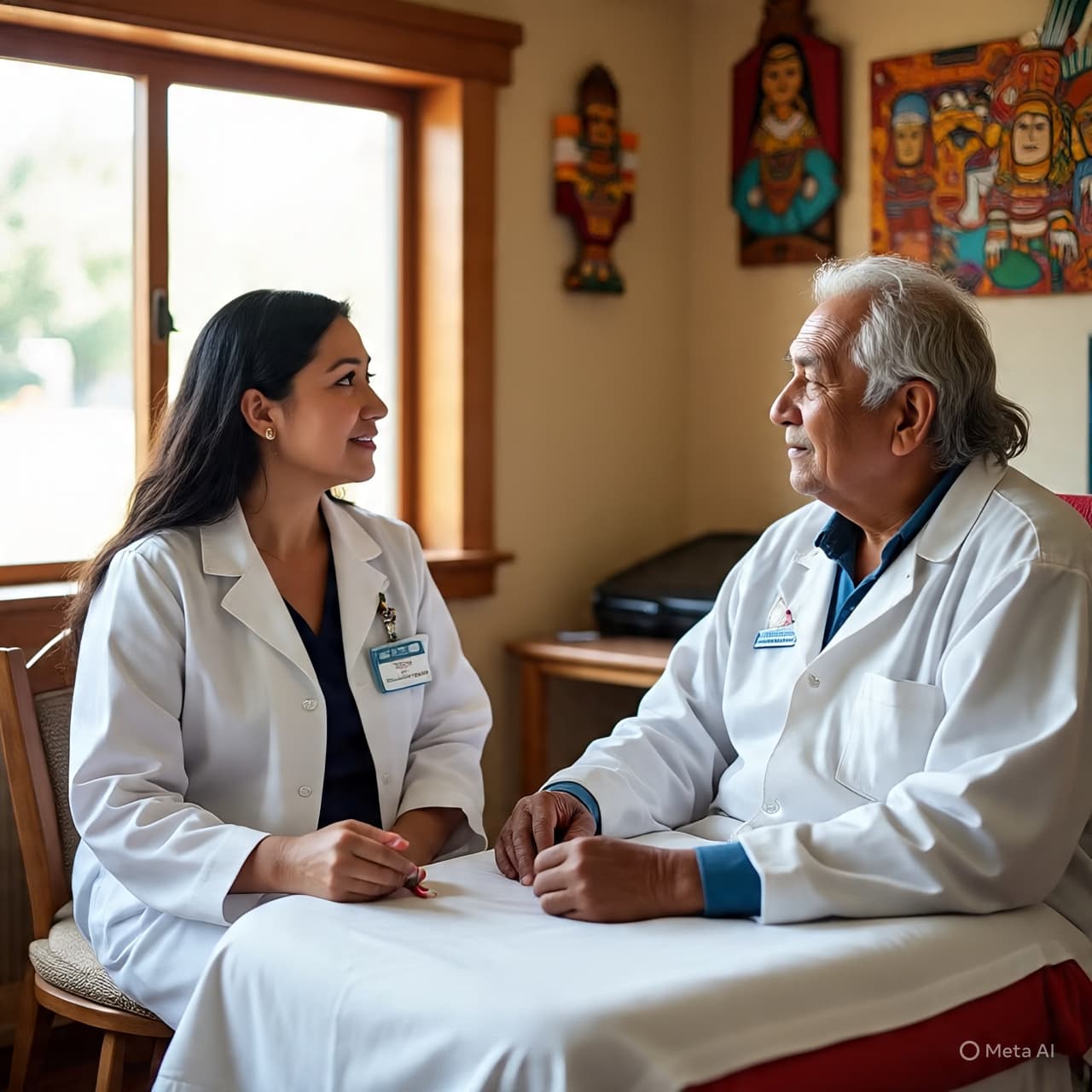
Indigenous Nurses Day arrives quietly, inviting reflection on the profound impact Indigenous nurses have on healthcare across Canada. This day is not marked by grand celebrations but rather by a deep acknowledgment of the resilience and dedication of these healthcare professionals. They stand at the intersection of care and culture, providing a unique blend of medical expertise and cultural understanding that is essential in communities where trust in healthcare systems has been historically fragile.
The role of Indigenous nurses extends beyond clinical duties; they are often the first point of contact for patients navigating a complex healthcare landscape. Their presence is vital in fostering trust and understanding, particularly in Indigenous communities that have faced systemic inequities. By integrating traditional knowledge with modern medical practices, Indigenous nurses offer a form of care that resonates on a personal level, addressing not just physical ailments but also the emotional and cultural needs of their patients.
Healthcare disparities affecting Indigenous populations remain a pressing issue. Many Indigenous communities are located in remote areas, where access to healthcare services is limited. Indigenous nurses often advocate for their patients, working tirelessly to bridge these gaps while navigating the challenges posed by systemic barriers. Their advocacy is crucial in ensuring that patients receive culturally appropriate care that respects their backgrounds and experiences.
In addition to their clinical roles, Indigenous nurses are increasingly stepping into leadership positions within the healthcare system. They are shaping policies, mentoring the next generation of healthcare professionals, and contributing to a broader understanding of culturally safe healthcare practices. Their voices are essential in redefining what care looks like in a diverse society, pushing for systems that are inclusive and responsive to the needs of all patients.
The history of Indigenous communities in Canada is marked by both hardship and perseverance, particularly within the healthcare system. Indigenous Nurses Day serves as a reminder of this history and the ongoing journey toward equity in healthcare. The contributions of Indigenous nurses symbolize not only progress but also a reclamation of roles that prioritize healing and community well-being.
In various healthcare settings, from hospitals to community health centers, Indigenous nurses provide comfort and understanding to their patients. The shared language and cultural connections foster a sense of belonging and trust, which can significantly enhance the healing process. These small yet impactful moments highlight the importance of cultural competence in healthcare, demonstrating that effective care goes beyond clinical treatment.
As the nursing profession evolves, the significance of Indigenous nurses continues to grow. Their perspectives challenge traditional healthcare models, advocating for a more holistic approach that recognizes the importance of cultural context in patient care. Indigenous Nurses Day is not just a date on the calendar; it is a celebration of the vital contributions that shape the future of healthcare in Canada, honoring those who embody the connection between care and culture.
Ultimately, Indigenous Nurses Day leaves us with a profound understanding: healing is not solely about treatment; it is about connection and community—principles that Indigenous nurses exemplify with quiet strength and dedication.
Published by Banx Network. This article is part of the Banx decentralized media programme, powered by the BXE token on the XRP Ledger.




