
BUSINESS97% credibility
Beneath Indonesia’s Economic Sky: Growth Slows Gently as Household Spending Changes Its Rhythm
Indonesia’s economy grew 5.29% year over year in Q2 2026, slowing from 5.61% in Q1 as household spending weakened.
3 min read

Indonesia’s economy grew 5.29% year over year in Q2 2026, slowing from 5.61% in Q1 as household spending weakened.
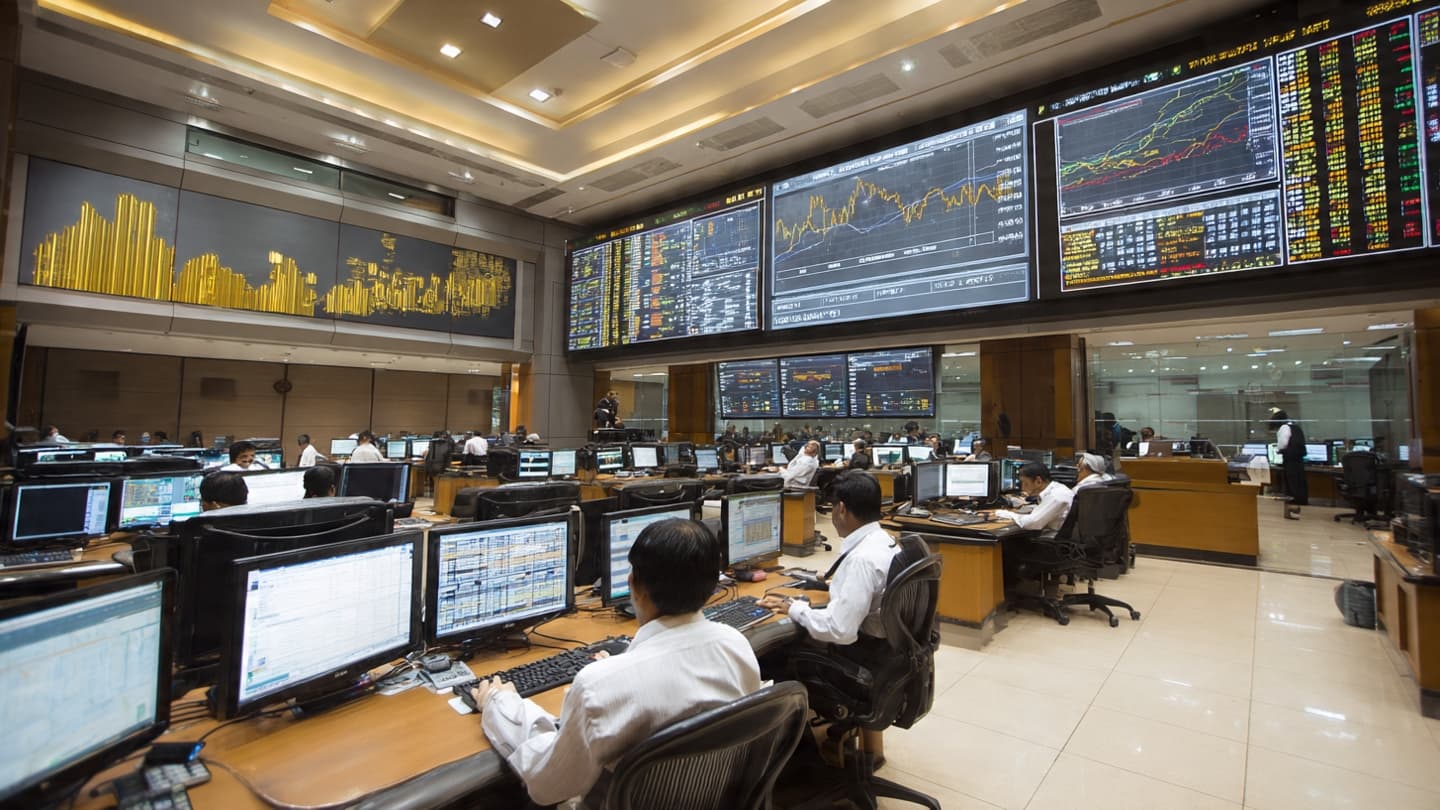
Indonesia’s stock exchange prepared the country’s first gold ETF, giving investors market-based exposure to gold without directly holding physical bullion.
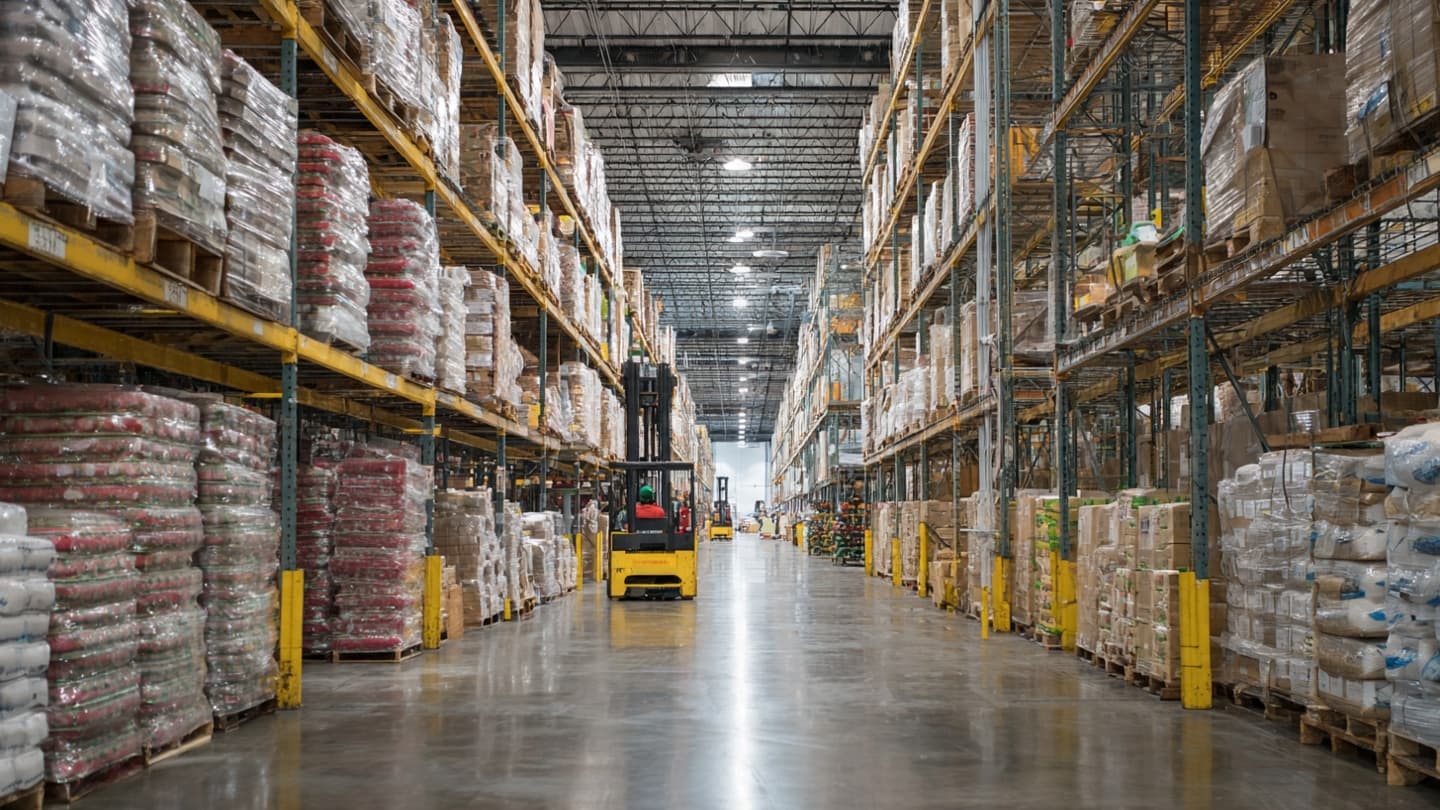
U.S. wholesale prices were unchanged in July, while annual producer inflation slowed to 4.7%, easing some pressure around future interest-rate expectations.

Argentina's lithium industry continues attracting investment as global demand for battery materials expands and companies develop projects in the country's northwest.
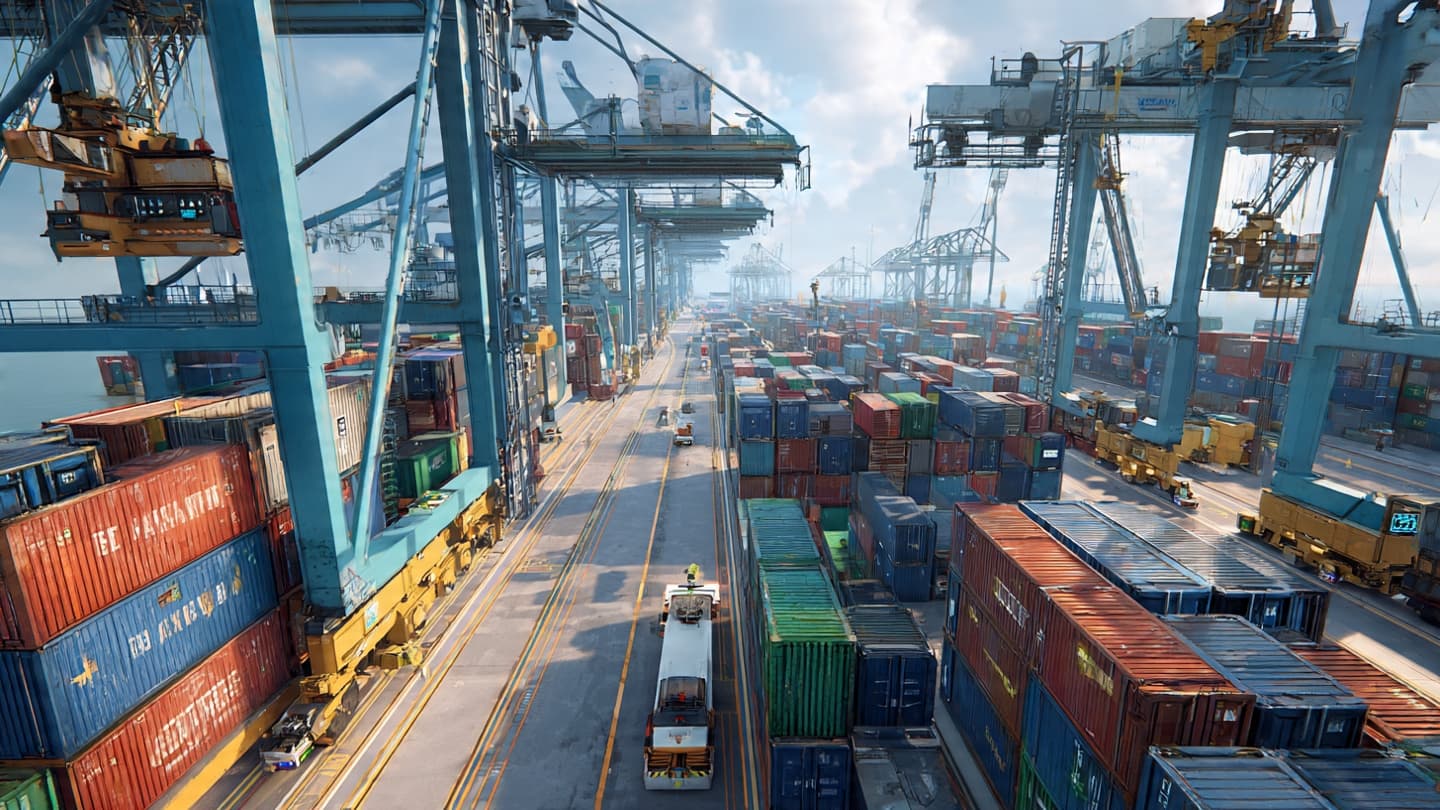
Rotterdam is expanding digital and clean-energy infrastructure as Europe's largest port adapts logistics and industry to changing global trade patterns.
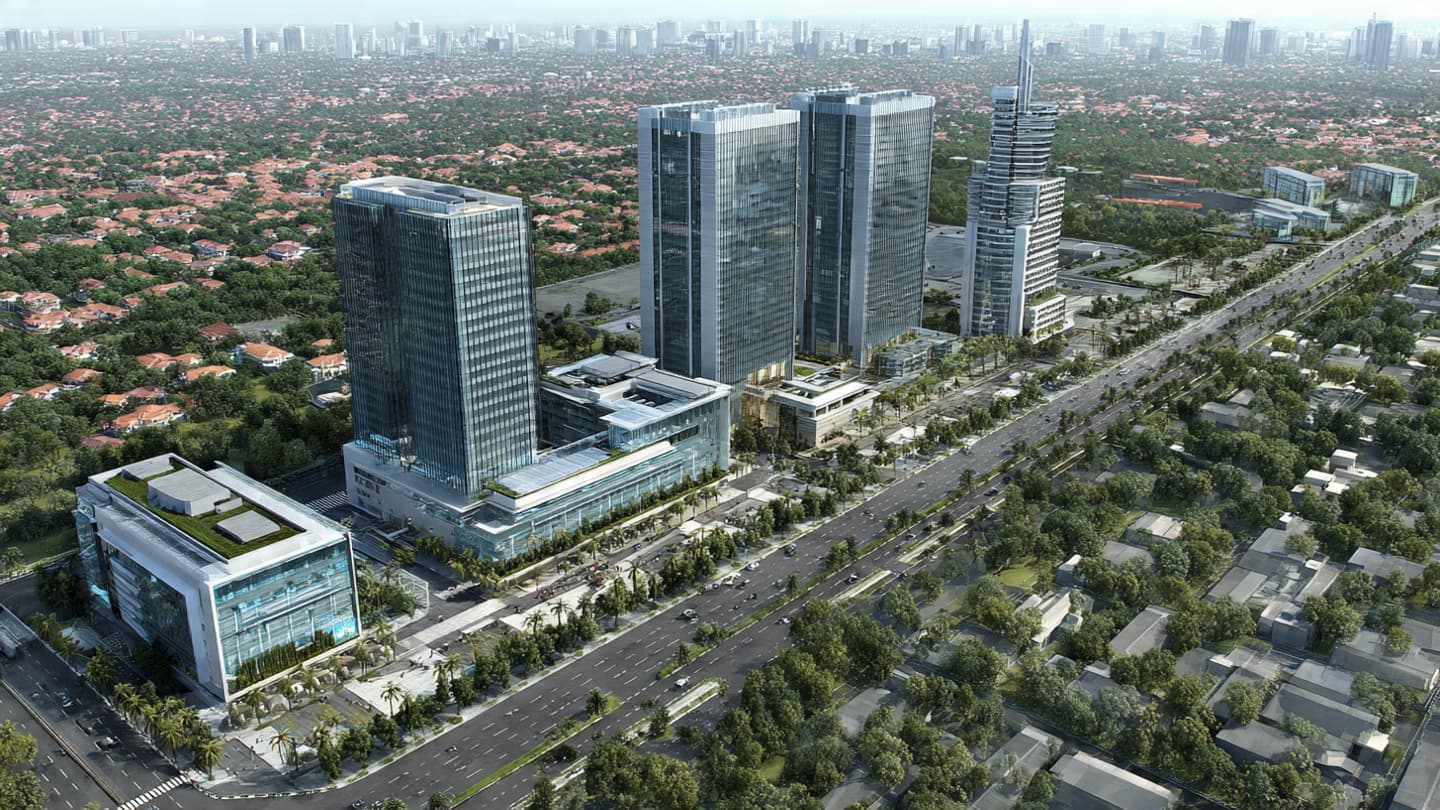
Indonesia's growing digital economy is driving demand for cloud computing and data centers as businesses adopt AI and digital services.
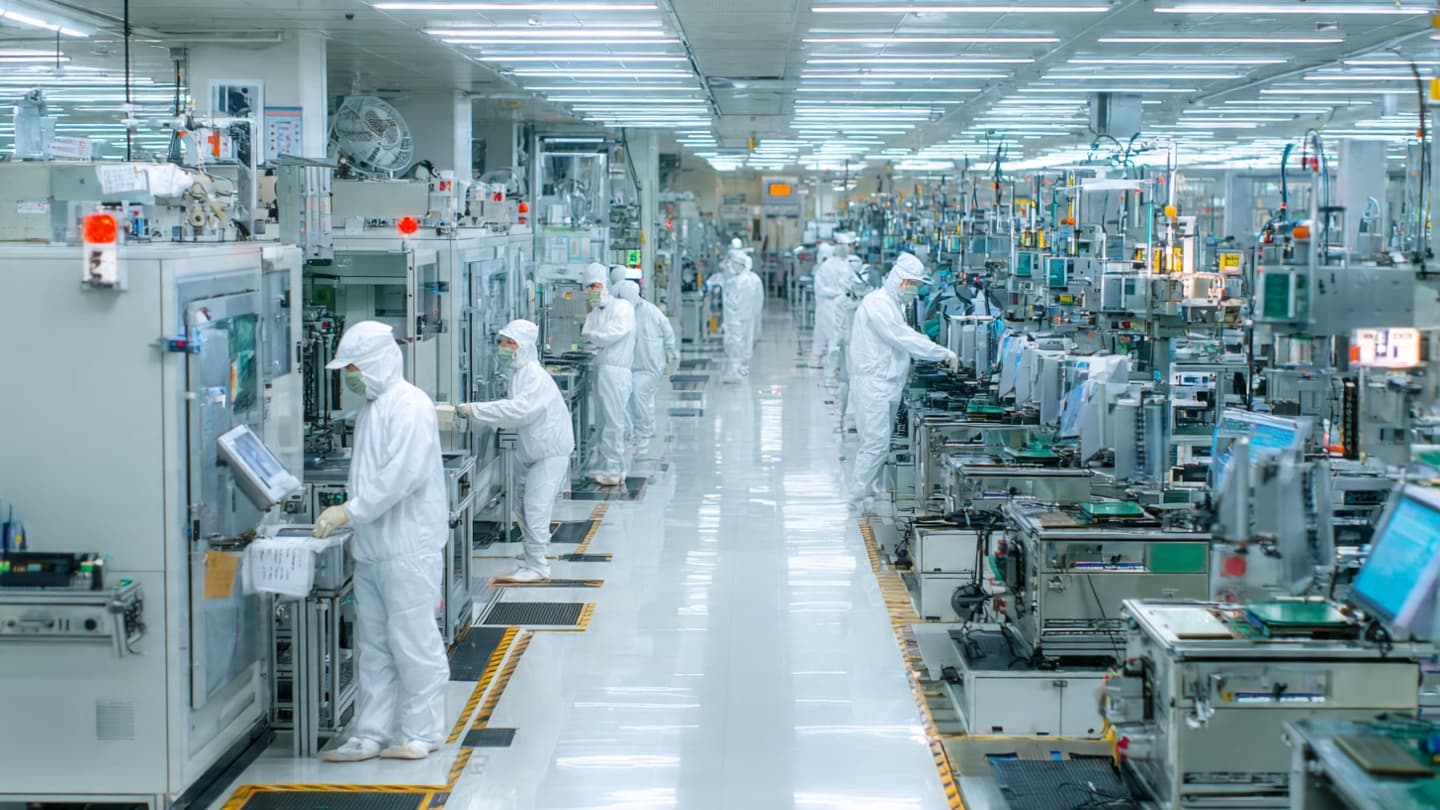
Japan’s manufacturer confidence rose to its highest level since March as semiconductor demand strengthened, although transport equipment remained weak.

Stablecoin company Tether invested $20 million in Argentina's Ualá, expanding the fintech's capital base and regional ambitions.

Argentina announced a $1.2 billion plan for a 300-megawatt modular reactor at Atucha, adding new momentum to nuclear development.

Indonesia's e-commerce platforms will begin collecting income tax from sellers on November 1, 2026, under a new tax administration policy.
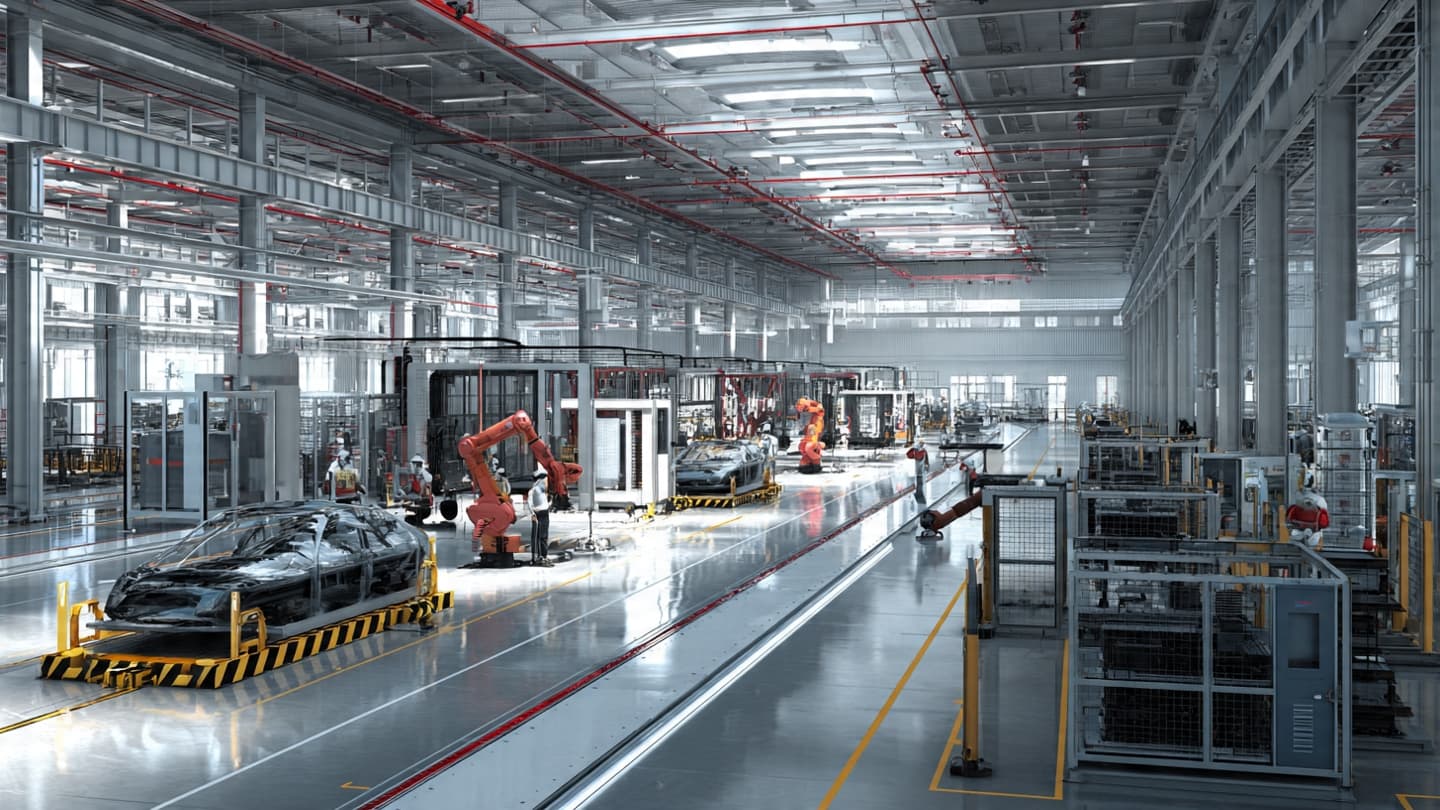
Indonesia aims to begin mass production of domestically manufactured electric vehicles by 2028, using local resources and manufacturing capacity.

Russia supplied a record share of India’s oil imports in July as New Delhi bought record volumes of discounted Russian crude.
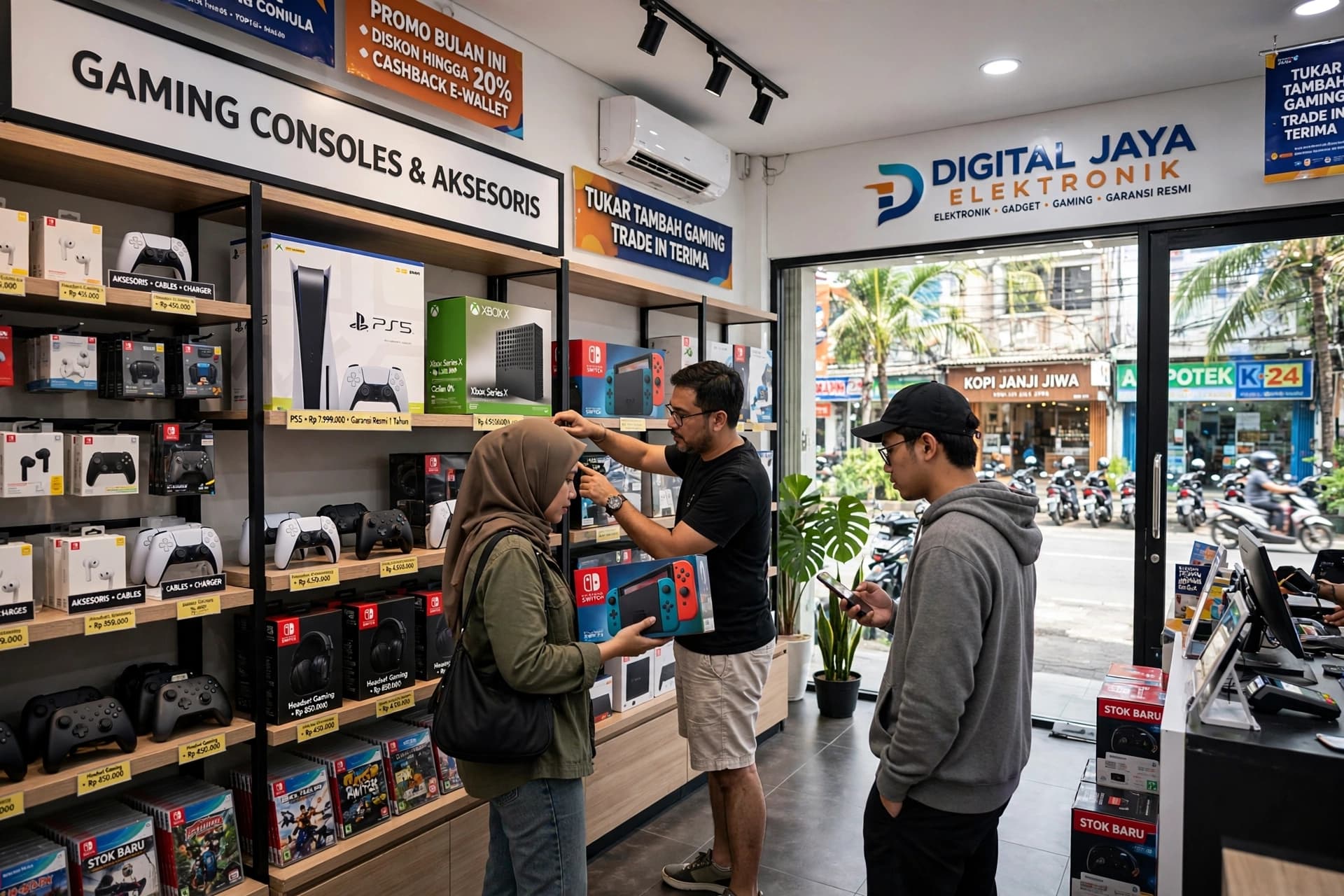
Nintendo will officially launch Switch consoles in Indonesia in December 2026, marking its first direct console launch in the country.
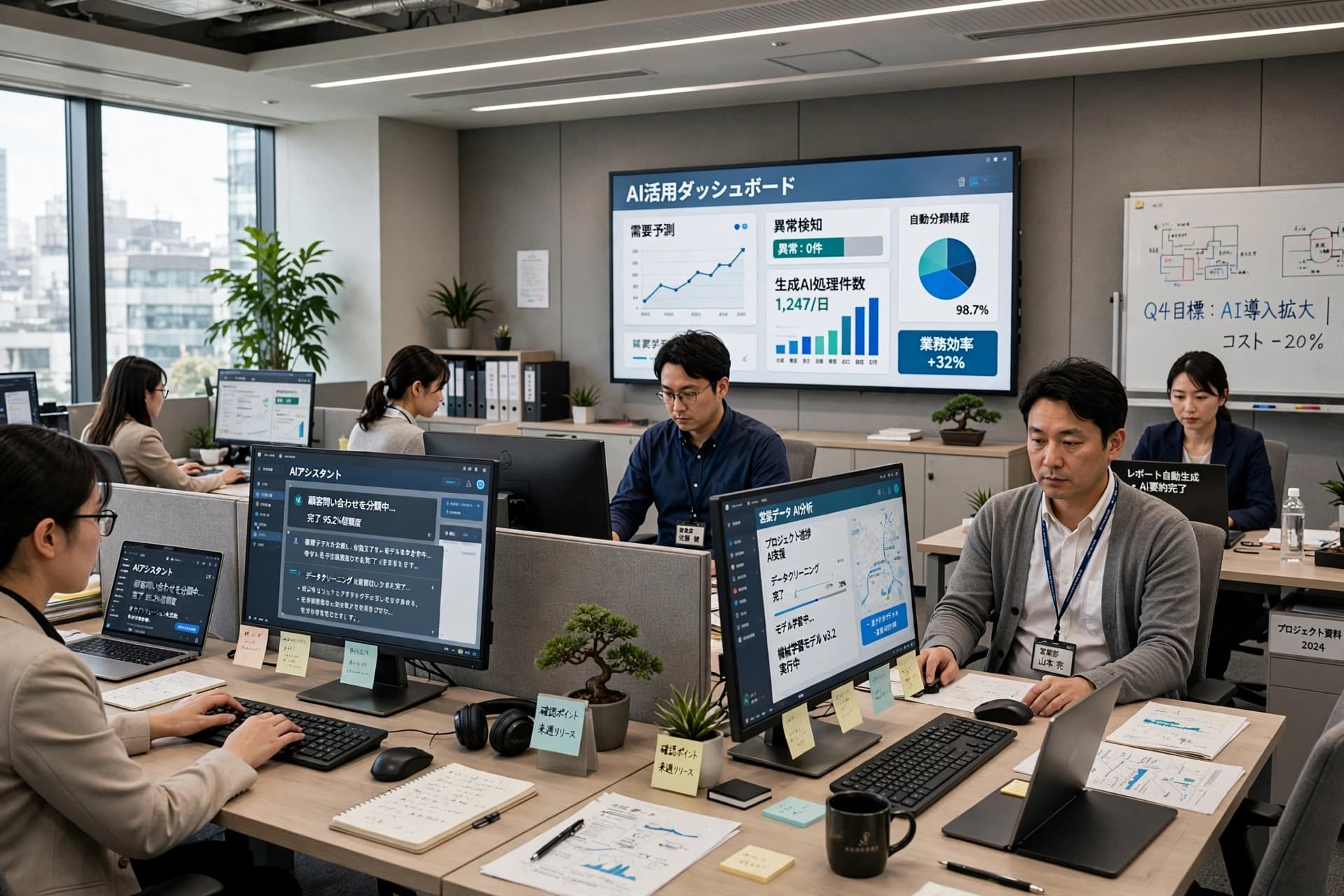
More than 80% of Japanese companies have yet to fully adopt AI, highlighting a slower corporate transition despite growing investment in the technology.

ABN AMRO reported a 29% rise in second-quarter profit to €781 million and raised its 2026 commercial interest-income guidance.
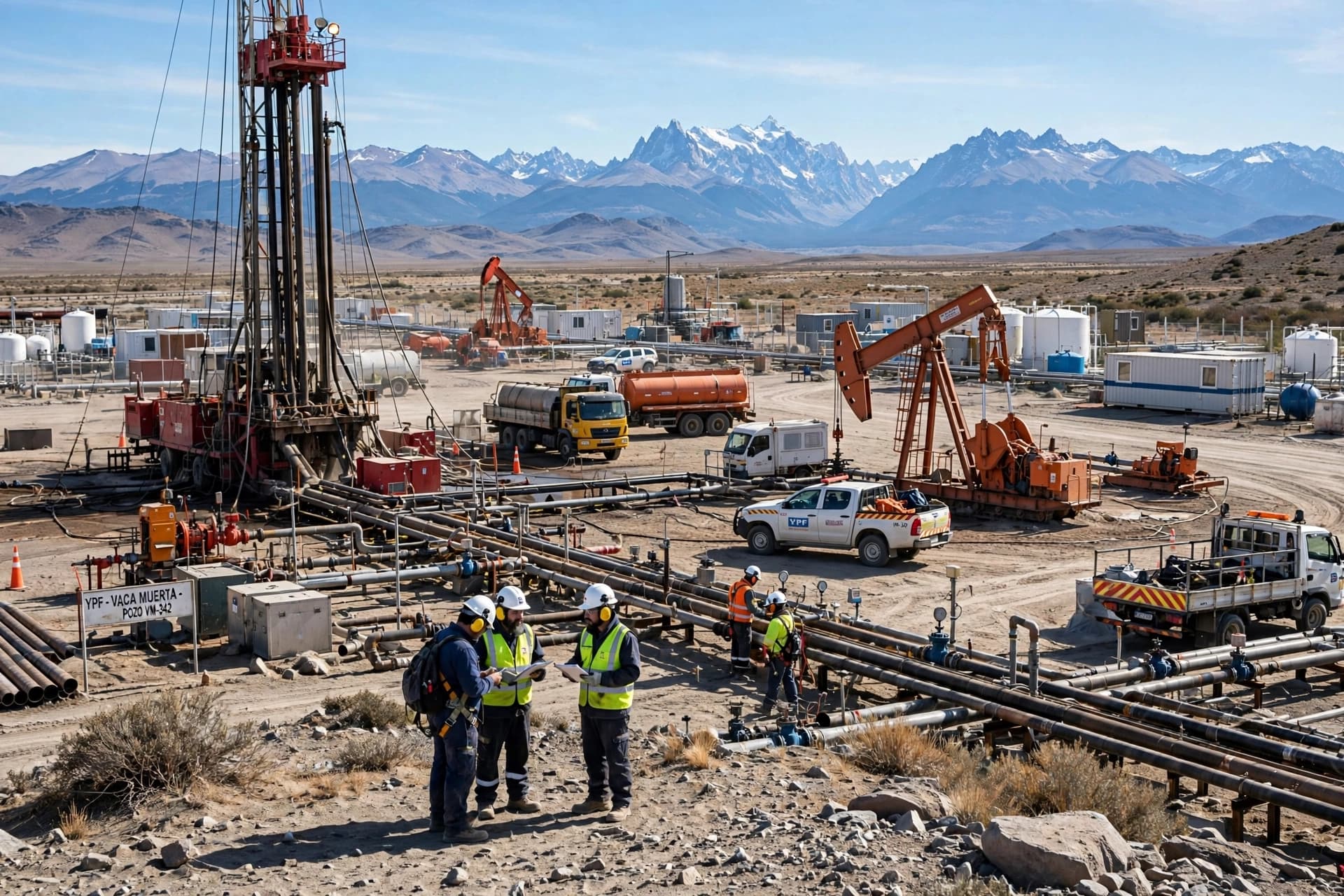
YPF reported $1.21 billion in second-quarter profit, driven by higher shale production, record processing volumes, and stronger international oil prices.
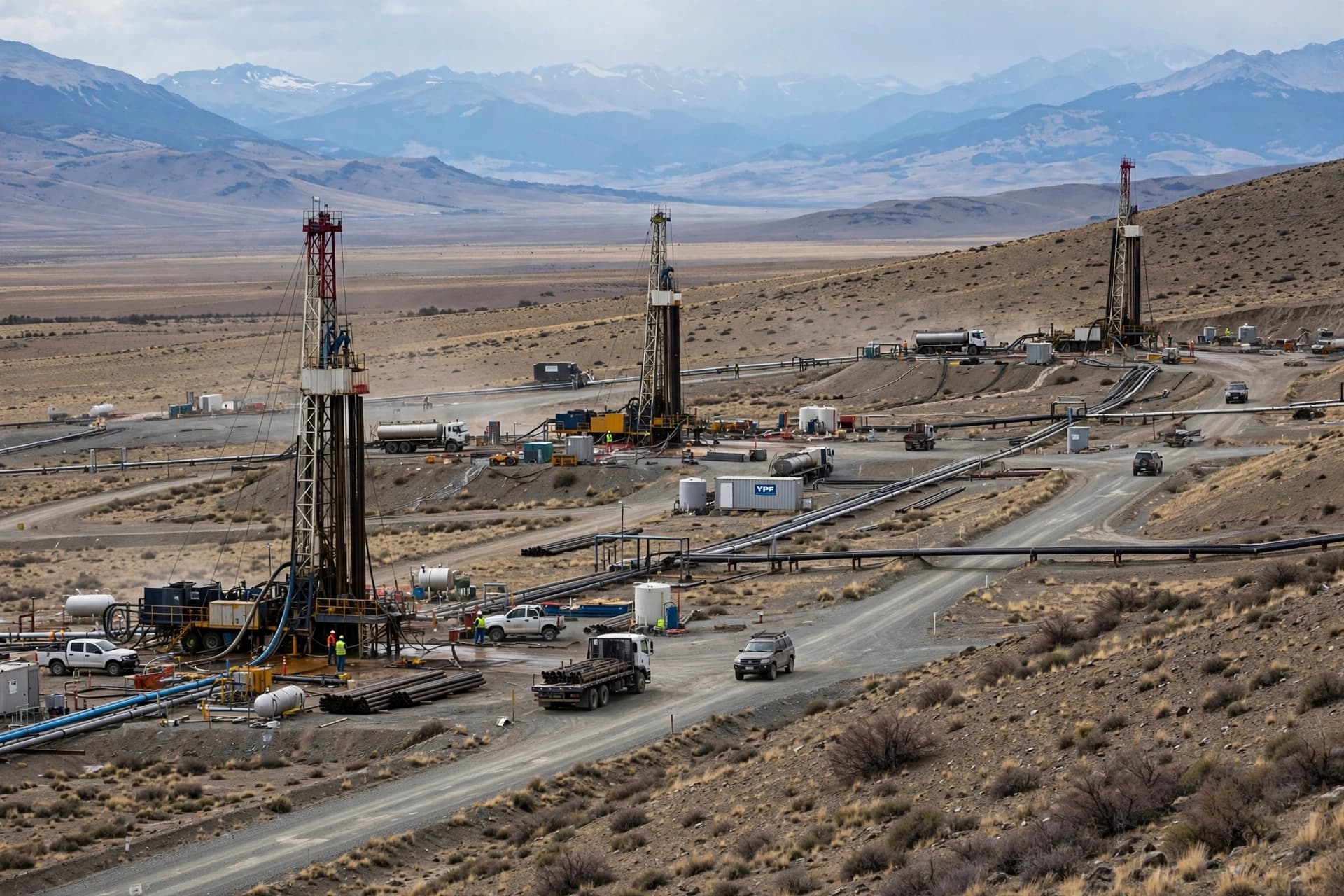
YPF raised its 2026 investment forecast to $6.2 billion after stronger shale production and higher oil prices improved its outlook.
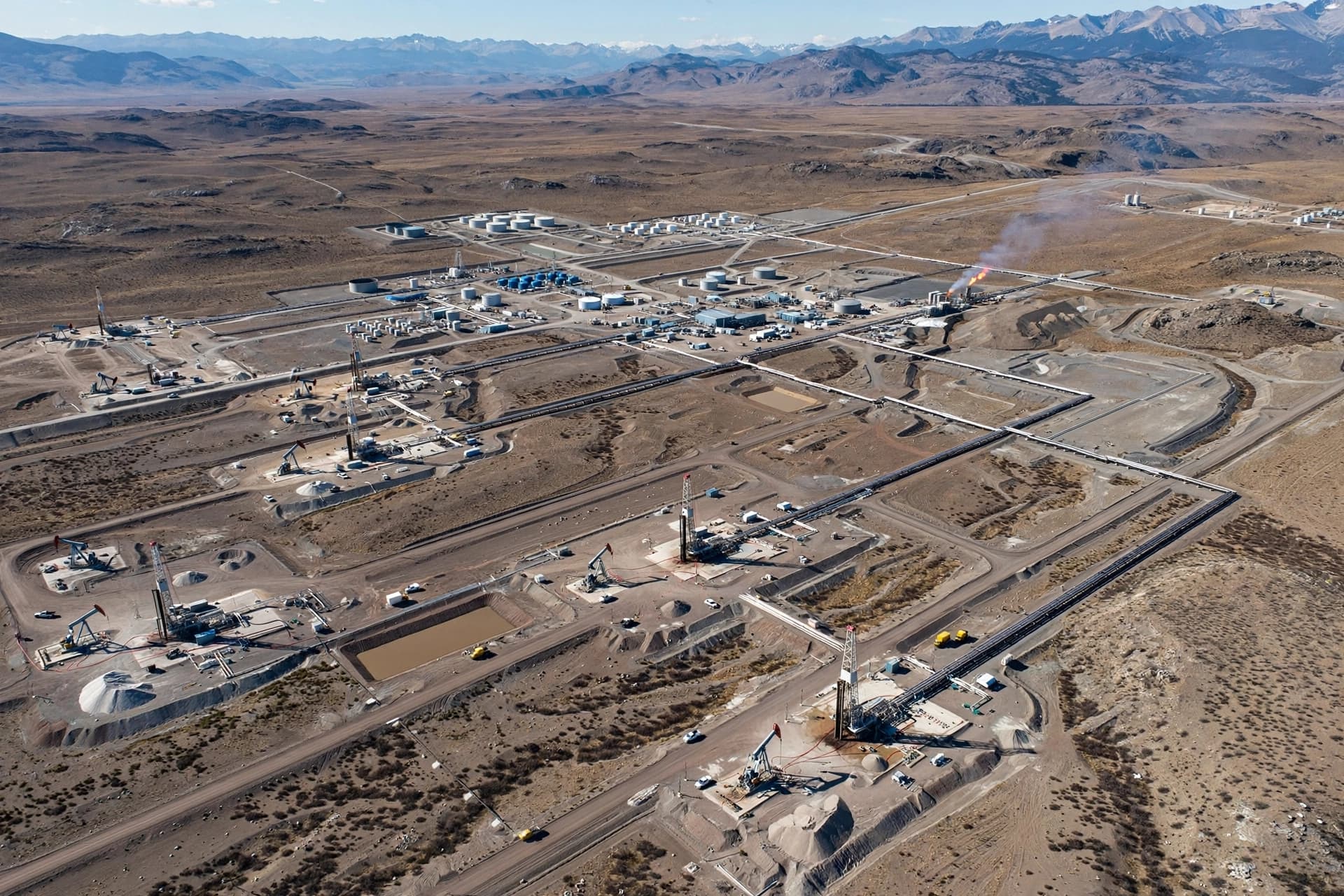
Argentina’s YPF has applied for RIGI incentives for a proposed $51 billion LNG project involving Vaca Muerta, Eni, and XRG.

Indonesia’s annual inflation slowed to 2.88% in July, helped by easing food and transportation costs.
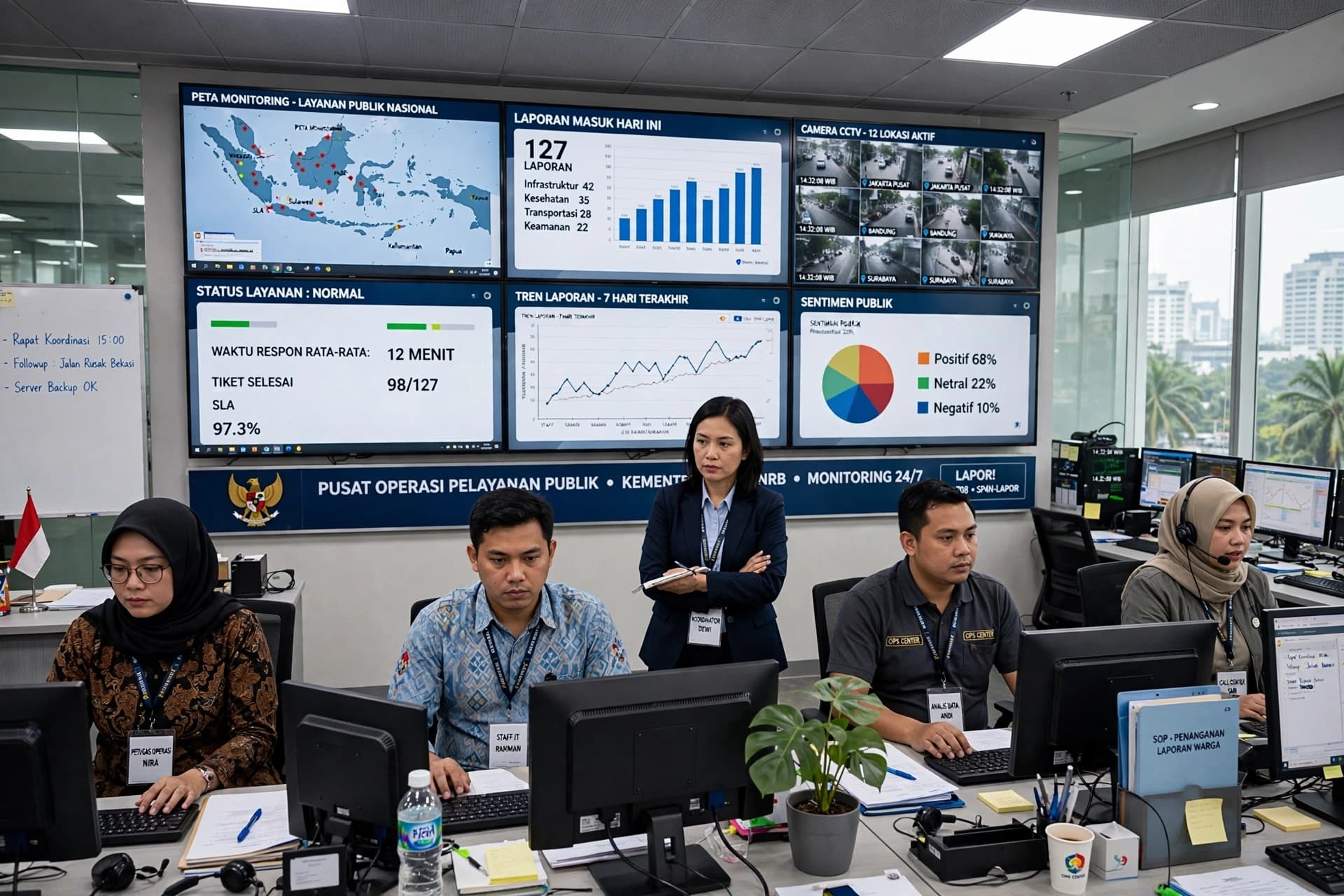
Indonesia plans to integrate artificial intelligence into major government programs, including its $15 billion free-meals initiative.
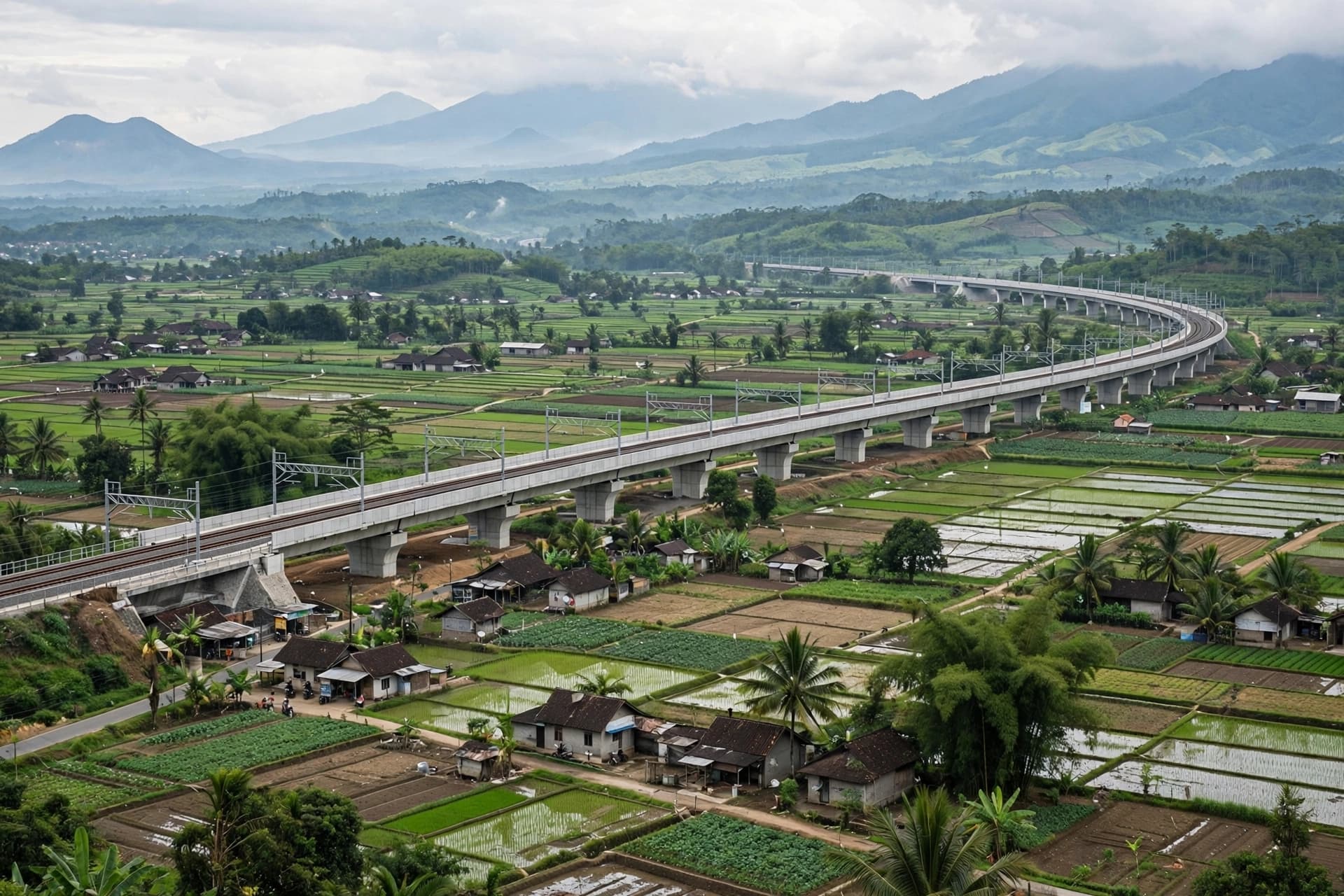
Indonesia will take control of a company operating the $7.3 billion China-funded Jakarta-Bandung high-speed railway.
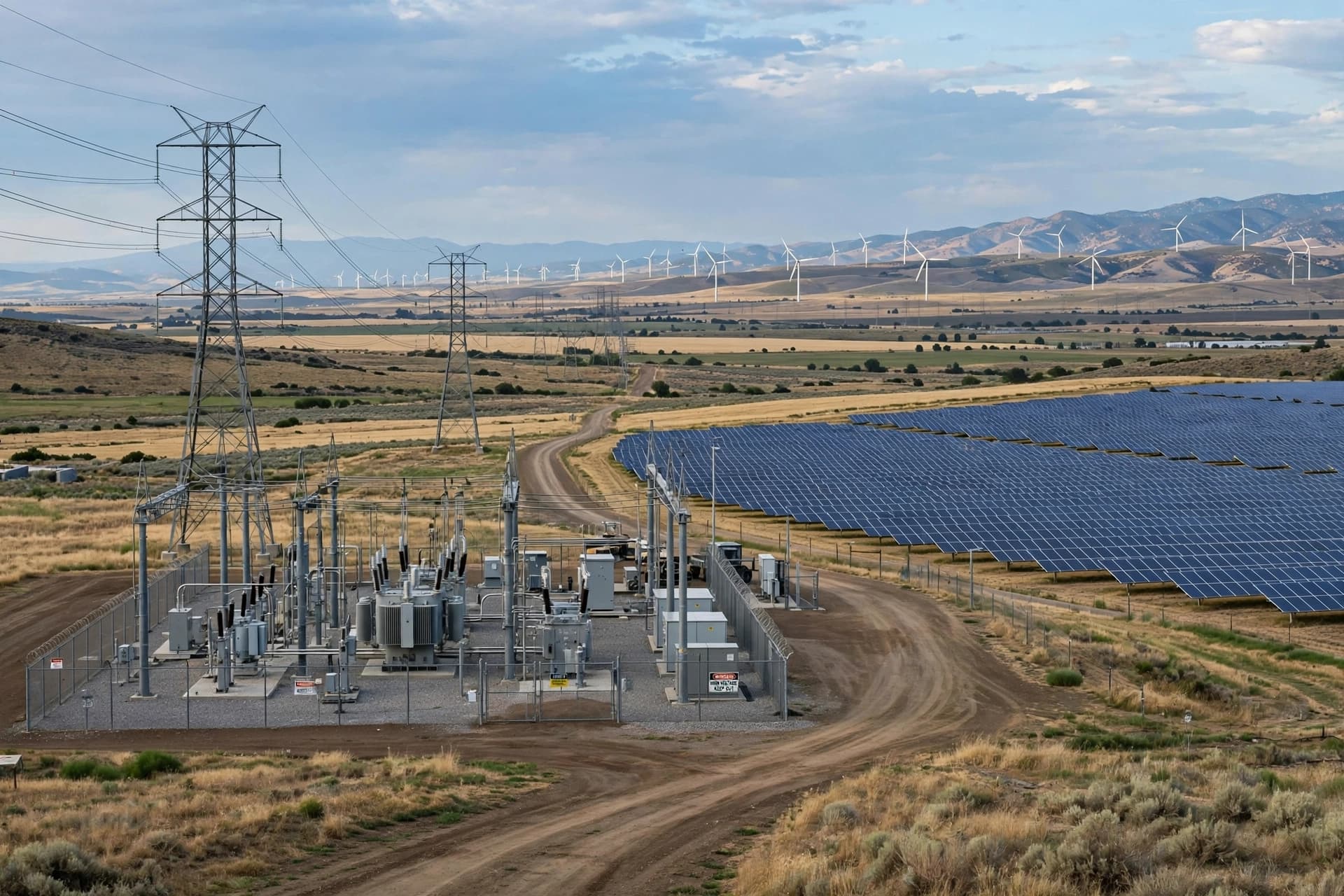
Bank of America plans to deploy $250 billion by July 2027 toward U.S. technology, energy and infrastructure financing.

Eli Lilly filed six lawsuits against U.S. companies it accused of illegally selling unapproved versions of experimental obesity drug retatrutide.

U.S. markets were focused on July inflation data, with investors looking for signals about future Federal Reserve policy.