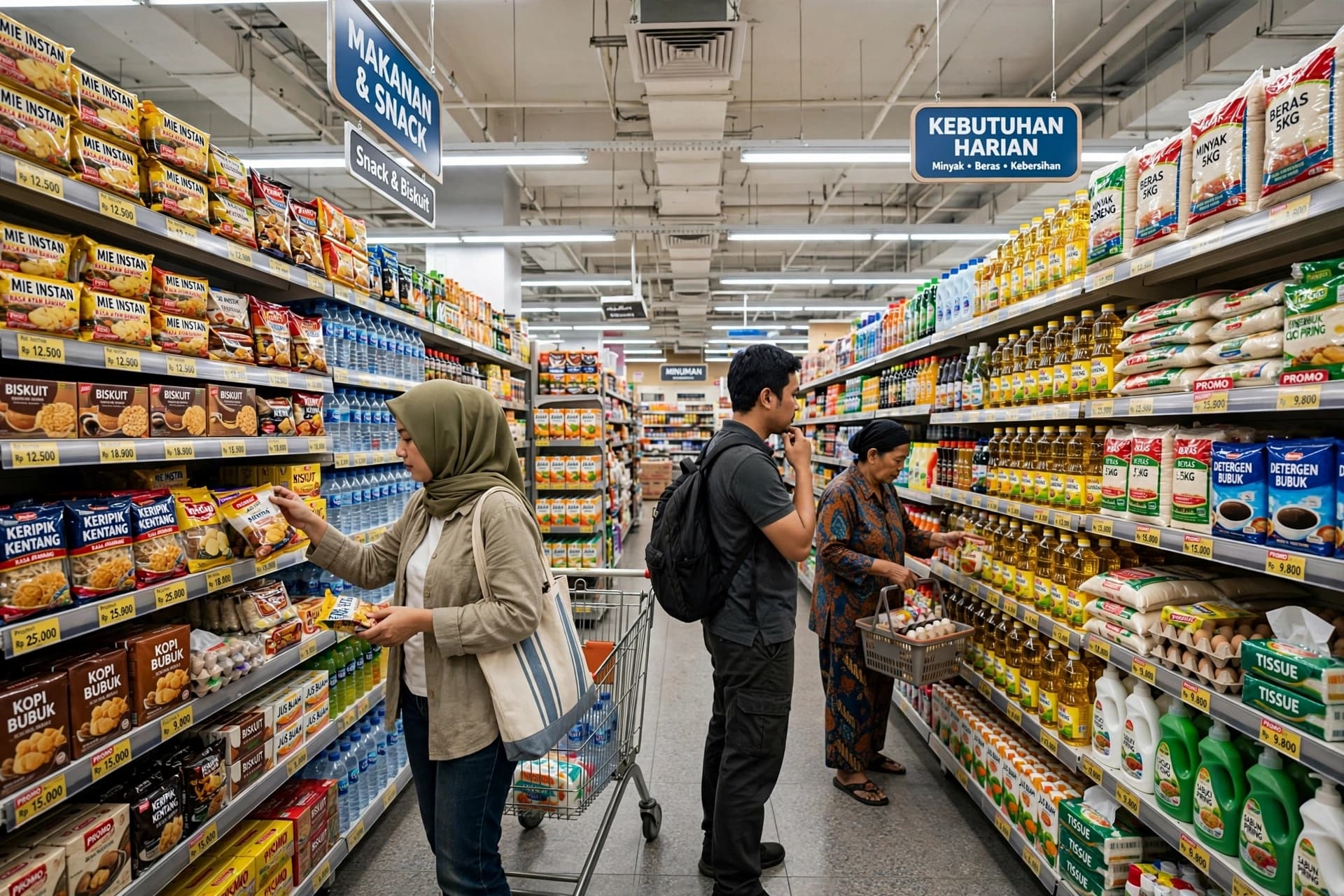
Inflation is often experienced without being named. It appears in the price of rice at a market, the cost of transportation to work or the changing total at the checkout counter.
In Indonesia, those everyday movements became somewhat calmer in July. Annual inflation slowed to 2.88%, according to data reported by Statistics Indonesia and cited by Reuters.
The July figure was lower than the rate recorded previously and represented the lowest inflation level in three months. The moderation reflected changes in several consumer-price categories.
Food prices are particularly important in Indonesia because they form a substantial part of household spending. Changes in rice, vegetables, meat and other staple products can quickly affect family budgets.
Transportation costs can also influence inflation. Fuel prices, fares and other mobility-related expenses move through the economy as households and businesses transport people and goods.
The moderation in inflation therefore offers some relief for consumers, although a slower inflation rate does not mean that prices have returned to earlier levels. It simply means that prices are increasing more slowly than before.
For businesses, the environment can provide greater predictability. When costs rise more gradually, companies may find it easier to plan inventories, wages and pricing decisions.
The inflation figure also matters for monetary policy. Central banks monitor consumer prices closely when deciding whether economic conditions require tighter or looser financial conditions.
Indonesia's economy grew 5.29% year-on-year in the second quarter of 2026, according to Statistics Indonesia, meaning the country continued to expand while inflation remained within a relatively moderate range.
The combination of continued economic growth and softer inflation provides an important backdrop for the second half of the year. Policymakers will continue watching food prices, energy costs, consumer demand and global economic conditions.
For households, however, the most visible measure remains the monthly shopping basket. As July's 2.88% inflation figure enters the economic record, the next question is whether the calmer price environment can continue through the months ahead.
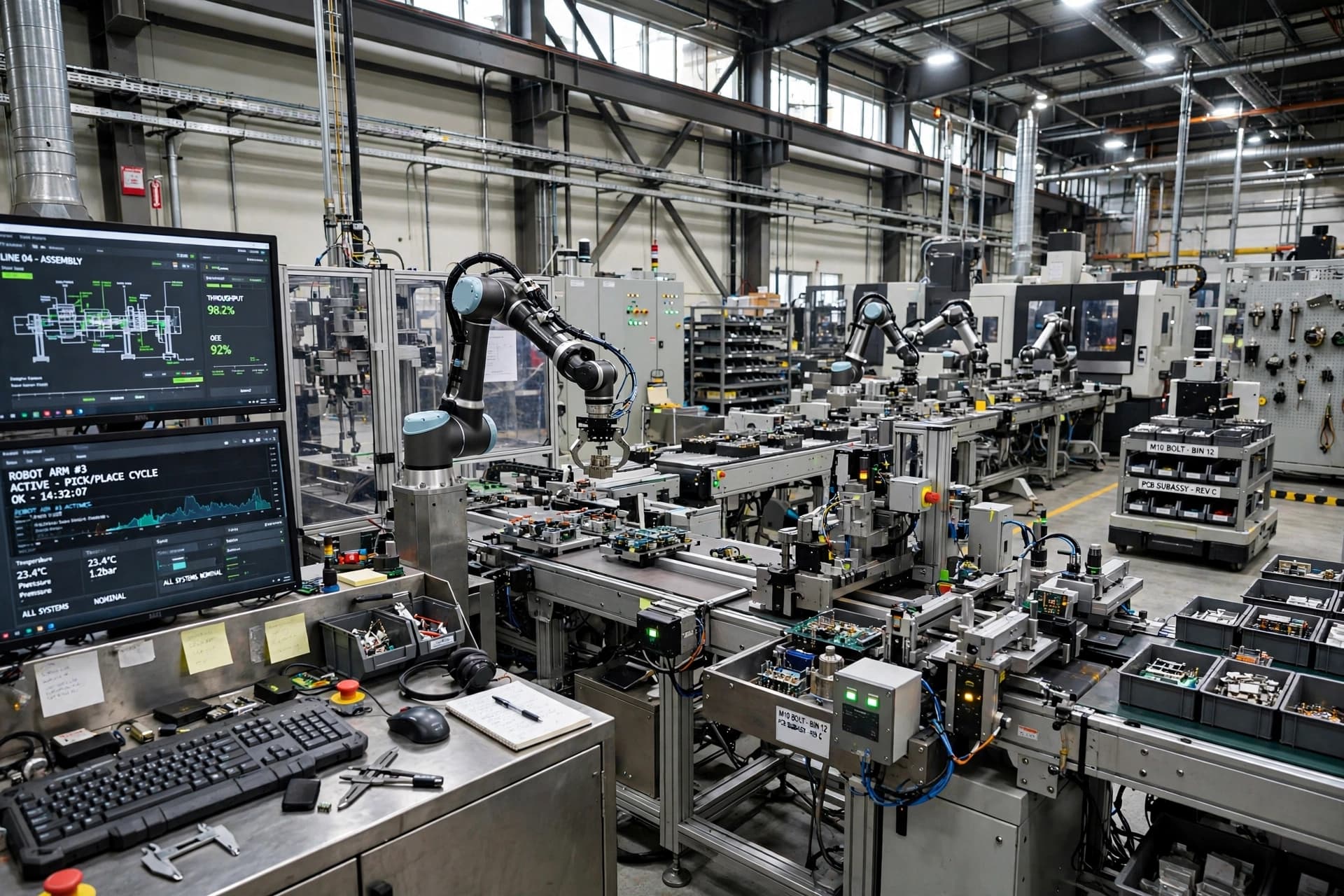
AI Image Disclaimer: These visuals were generated using AI as conceptual representations of Indonesia's consumer economy and inflation trends; they are not photographs of actual markets or economic data.
Sources: Reuters Statistics Indonesia Bank Indonesia
Published by Banx Network. This article is part of the Banx decentralized media programme, powered by the BXE token on the XRP Ledger.