An economy rarely moves in a perfectly straight line. Like a river passing through a changing landscape, it can accelerate in one season and slow in another while continuing toward the same horizon. Indonesia's economy followed that quieter rhythm in the second quarter of 2026, expanding at a slower pace than during the opening months of the year but still maintaining growth above five percent.
Gross domestic product expanded 5.29 percent year over year in the second quarter, according to Statistics Indonesia. The figure was below the 5.61 percent expansion recorded in the first quarter, but it exceeded the 5.10 percent growth economists had expected in a Reuters poll. On a non-seasonally adjusted quarterly basis, the economy expanded 3.73 percent.
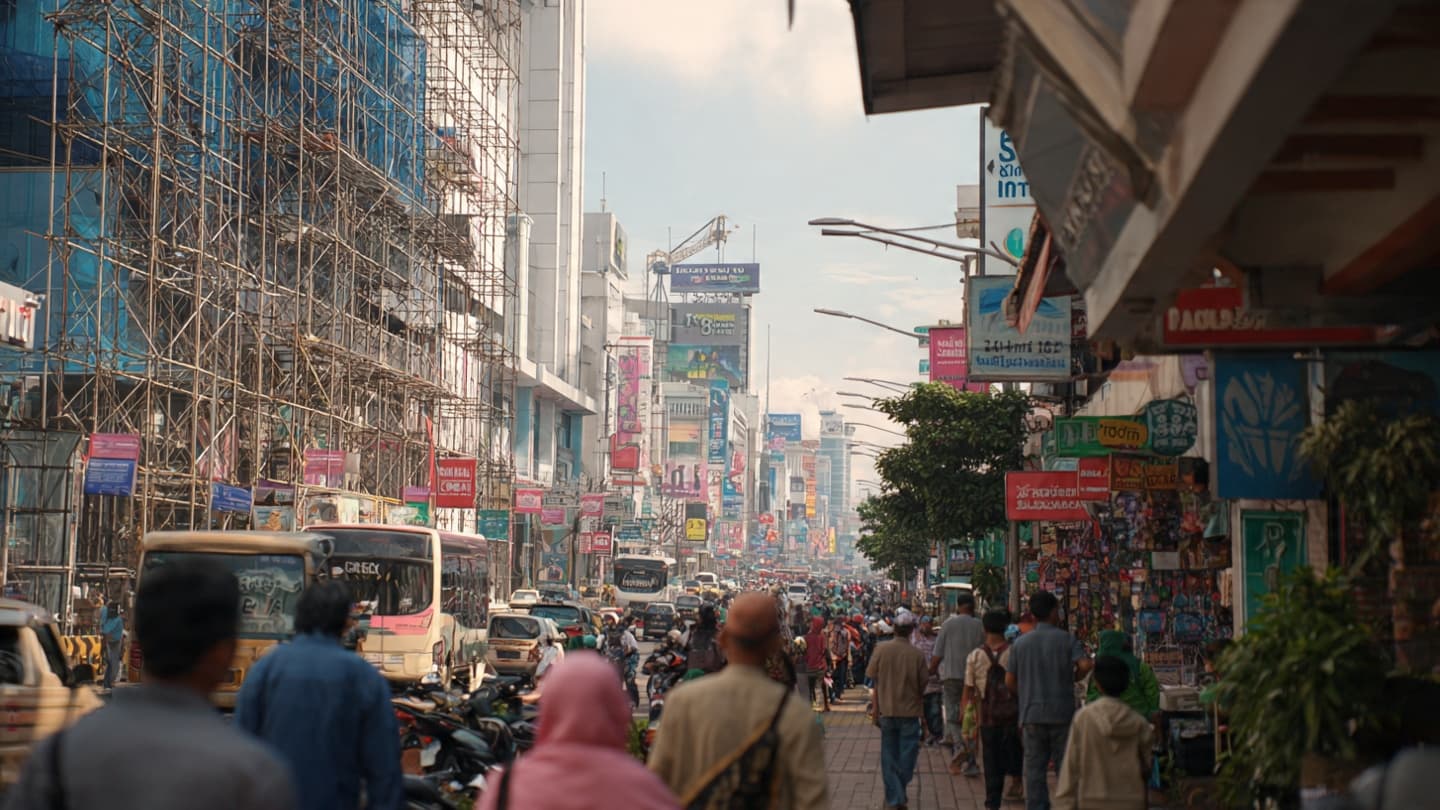
One of the clearest changes appeared in household consumption. Consumer spending grew 5.06 percent from a year earlier, slowing from 5.52 percent in the first quarter. Household consumption remains an important pillar of Indonesia's economy, so even a relatively modest change in its pace can become visible in the wider economic picture. The second-quarter figure was nevertheless supported in part by spending associated with school holidays.
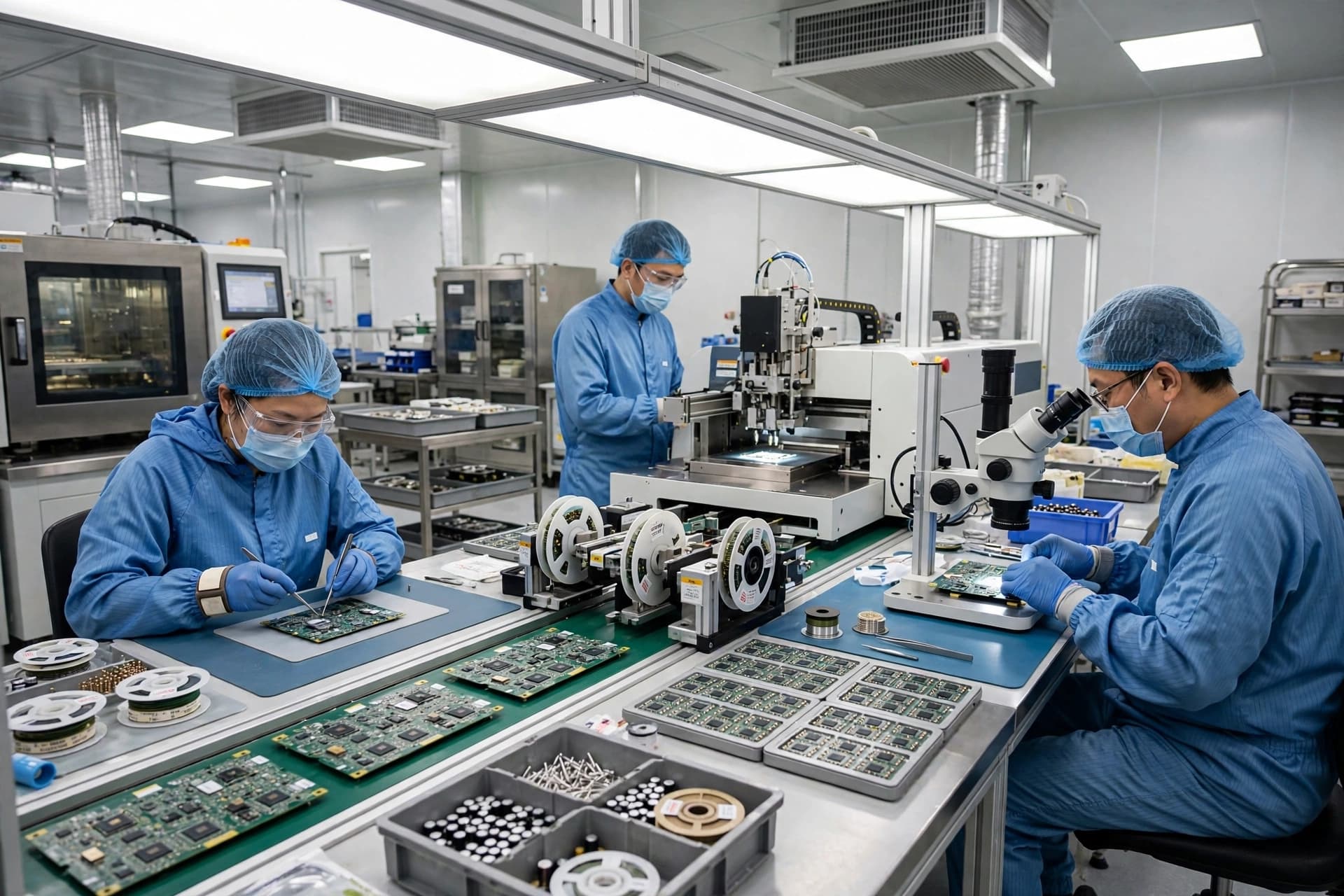
Investment provided another source of momentum. Gross fixed capital formation increased 6.87 percent, its strongest pace in a year, according to Reuters. Construction activity also strengthened, supported by infrastructure development and village cooperative projects. The combination suggests that while household demand was less forceful, investment continued to provide an alternative engine for economic activity.
Government spending also remained part of the picture. Government expenditure rose 15.97 percent year over year, although that was slower than the 21.81 percent increase recorded in the previous quarter. Civil servant spending and stimulus measures contributed to the increase, helping support overall economic activity even as other parts of domestic demand moderated.
The numbers arrive during a period when Indonesian consumers and businesses are navigating a more complicated economic environment. Retail sales had weakened earlier in the year, while Bank Indonesia's surveys showed a decline in consumer confidence during June. The central bank reported that its consumer confidence index fell to 117.8 from 120.9 in May, while retail activity also remained under pressure.
External conditions add another layer to the outlook. Indonesia remains closely connected to global commodity markets, trade flows and international financial conditions. Movements in the rupiah, energy costs and investor sentiment can influence the domestic economy through several channels, from household purchasing power to business investment and the cost of imported goods.
Even so, the second-quarter result shows that the economy has retained considerable momentum. Growth above five percent places Indonesia among the larger emerging economies continuing to expand despite a more uncertain global environment. The challenge is less about maintaining movement at any cost and more about ensuring that the sources of growth remain sufficiently broad.
Investment's stronger performance is therefore notable. If capital spending continues to expand, it can support construction, employment and productive capacity over time. At the same time, household consumption remains essential because it connects economic growth directly to everyday activity in shops, markets, transportation and services.
The second-quarter figures ultimately present a picture of an economy still moving forward, but at a more measured pace. Indonesia grew 5.29 percent year over year, beating expectations while slowing from the previous quarter. Household spending softened, investment strengthened and government expenditure remained supportive, leaving policymakers and businesses to watch how these different currents develop during the remainder of 2026.
Image Disclaimer The illustrations accompanying this article were generated with AI and are intended as visual interpretations, not real-world photographs.
Sources Reuters Statistics Indonesia Bank Indonesia The Jakarta Post ANTARA News The Business Times
Published by Banx Network. This article is part of the Banx decentralized media programme, powered by the BXE token on the XRP Ledger.