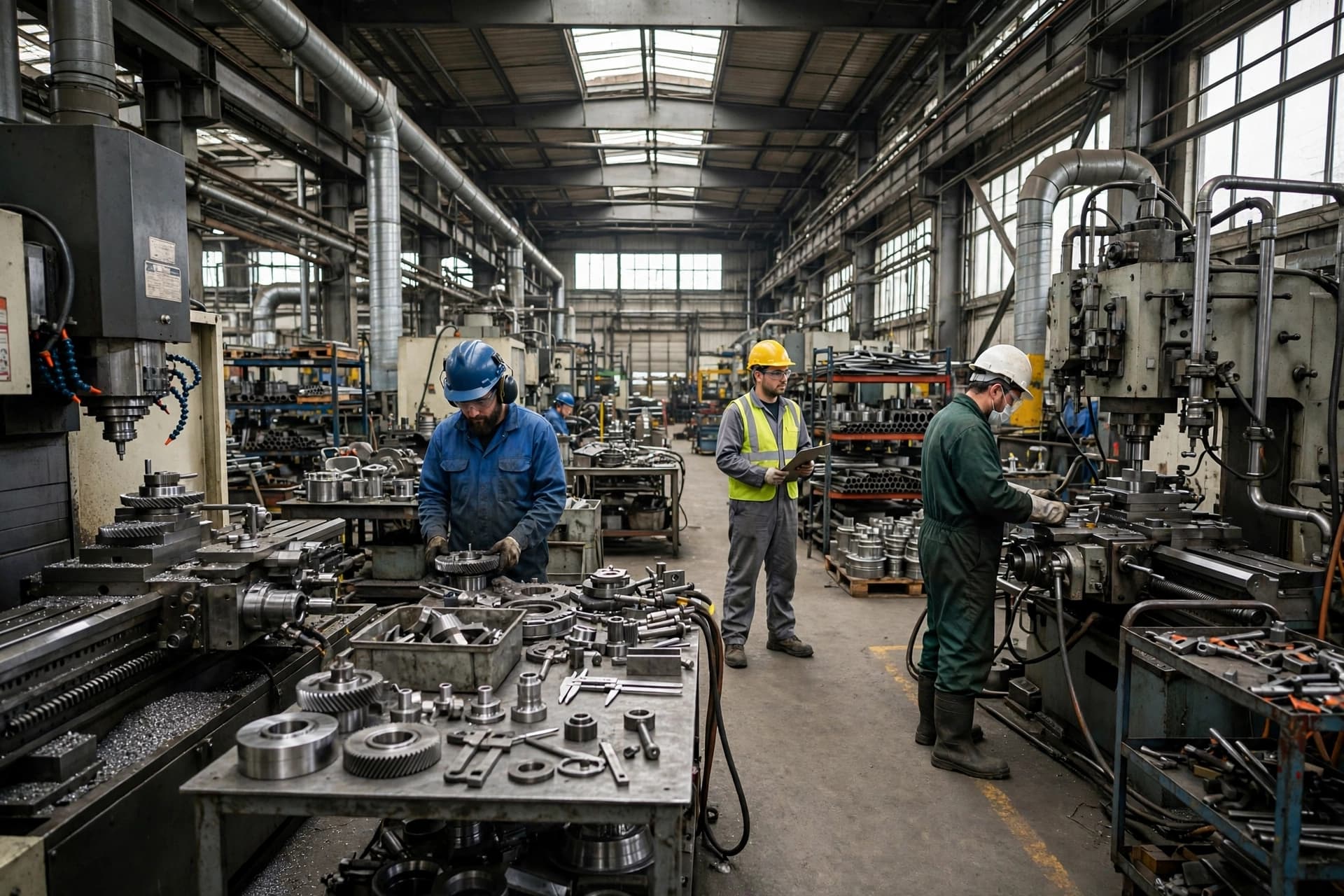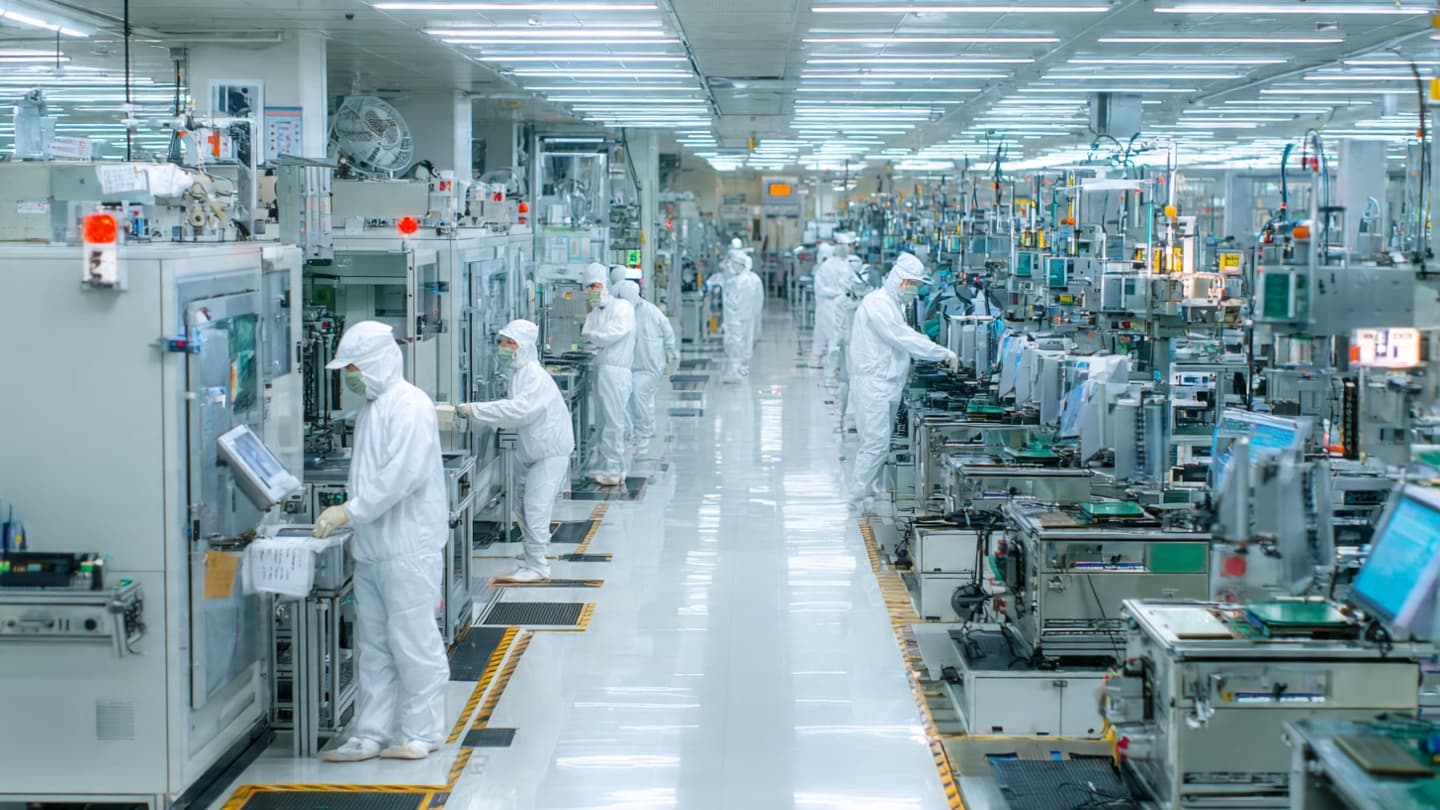
Inside Japan's factories, the changing direction of global technology demand can sometimes be felt before it appears in broader economic statistics. Orders arrive, machines begin working longer hours, and specialized manufacturers quietly adjust their expectations for the months ahead.
That rhythm became visible in August. A Reuters Tankan survey showed Japanese manufacturers' sentiment rising to plus 18 from plus 13 in July, reaching its highest level since March 2026. The improvement was strongly influenced by semiconductor-related industries.
The chemicals sub-index rose to plus 33 from plus 23, while metal and machinery sentiment climbed to plus 25 from plus 12. Companies involved in precision machinery also reported stronger orders from both Japanese and overseas customers.
The numbers reflect the continuing influence of the global semiconductor cycle on Japan's industrial economy. Japanese companies occupy important positions in the supply chain, producing specialized equipment, materials, chemicals, components, and machinery required by chip manufacturers.
The current strength in semiconductor demand is closely connected with the expansion of artificial intelligence infrastructure. Data centers, advanced computing systems, and AI processors require enormous volumes of semiconductor technology, creating demand across a wide network of suppliers.
For Japanese manufacturers, this environment provides an opportunity to increase production and investment. Some machinery companies responding to the survey reported order volumes substantially above normal levels, suggesting that demand is reaching beyond a narrow group of technology companies.
Not every industrial sector is moving at the same speed, however. The transport equipment index remained at zero, reflecting more mixed conditions in the automotive sector. This contrast shows how Japan's manufacturing recovery remains uneven even as semiconductor-related industries strengthen.
Confidence among non-manufacturers also improved, rising to plus 28 from plus 25. Wholesale trade, information services, and other service industries contributed to the stronger reading, indicating that optimism was not limited entirely to factories.
Looking forward, manufacturers expected sentiment to ease slightly to plus 16 in November. That forecast suggests companies remain positive but are not assuming that current demand will continue indefinitely. Semiconductor markets can move through cycles, while global trade and consumer demand can change quickly.
The August survey therefore presents a Japanese economy with several different rhythms operating simultaneously. Technology-related manufacturing is gaining strength, service businesses remain relatively confident, while automotive conditions continue to be more restrained.
For now, semiconductor demand is giving Japan's manufacturers an important source of momentum. The latest survey points to stronger industrial confidence, although the softer outlook for November suggests that companies remain aware of the uncertainties beyond the current wave of technology-driven orders.
AI Image Disclaimer These images were generated using artificial intelligence for illustrative purposes and should not be regarded as real photographs of Japanese factories or companies.
Sources Reuters Reuters Tankan Bank of Japan Nikkei Asia Japan Times
Published by Banx Network. This article is part of the Banx decentralized media programme, powered by the BXE token on the XRP Ledger.