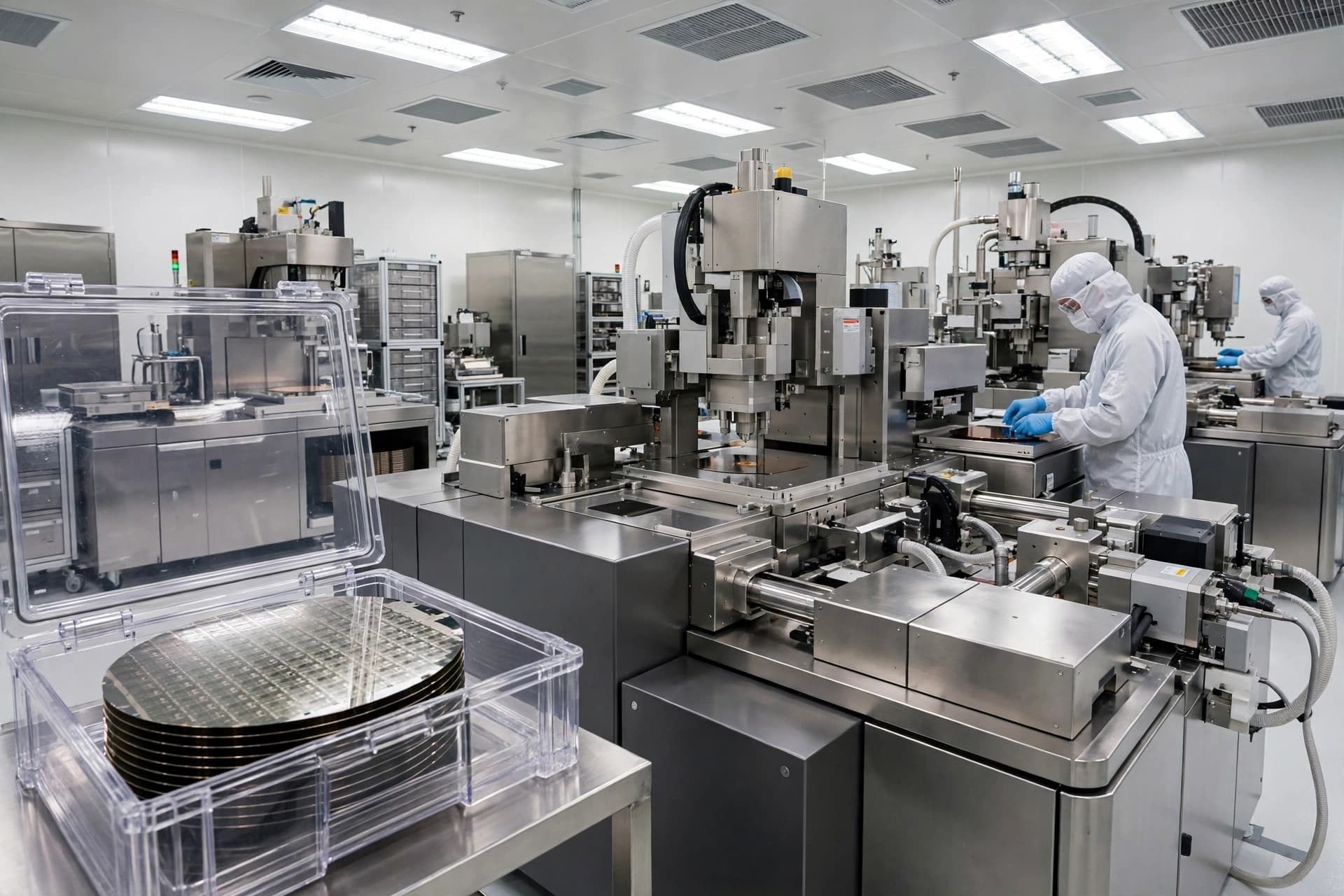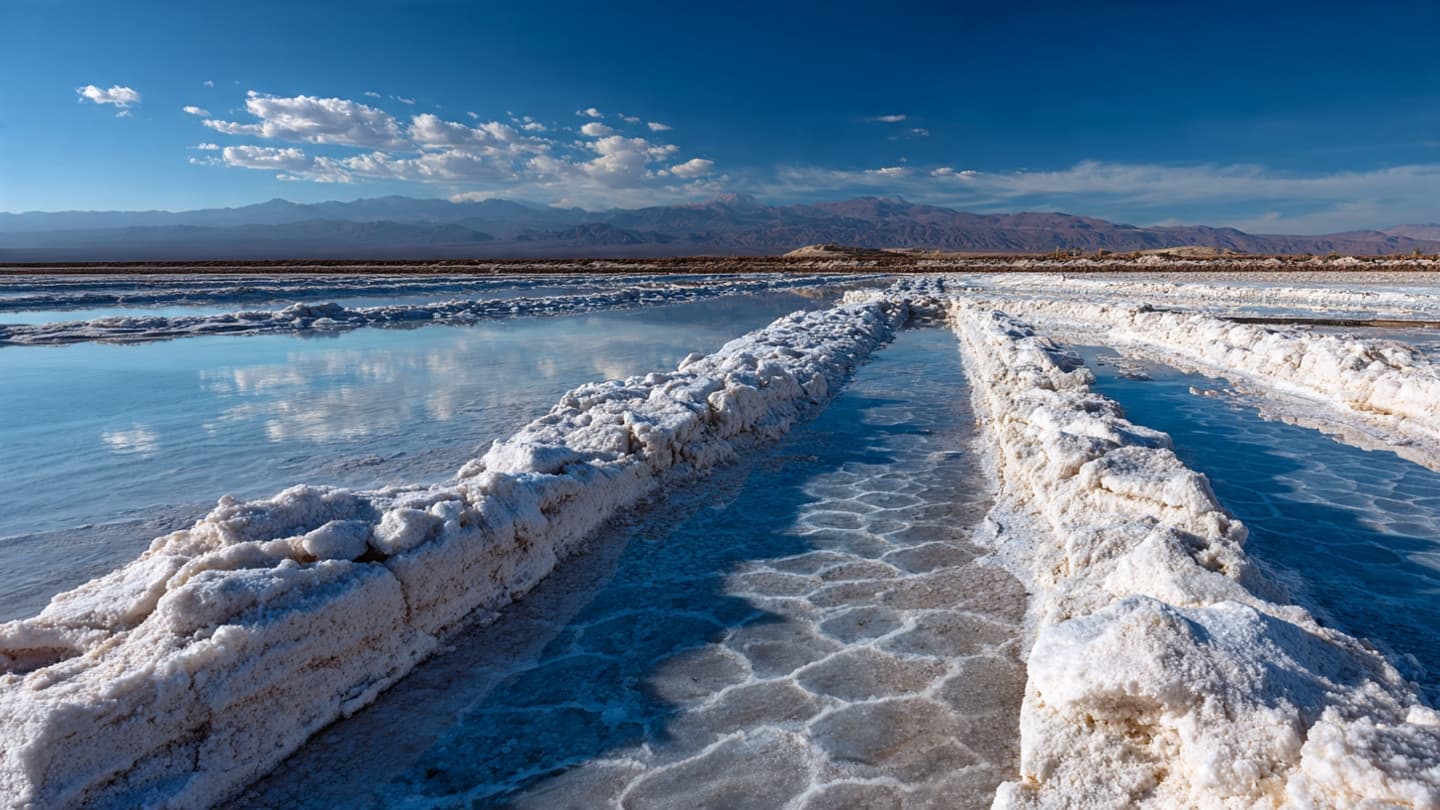
High in Argentina's northwest, the landscape changes into vast salt flats where white mineral surfaces stretch toward distant mountains. The region looks far removed from electric vehicles, smartphones, and energy-storage systems, yet it is increasingly connected to all three.
Lithium has become one of Argentina's most important mineral opportunities. Together with Chile and Bolivia, the country forms part of South America's so-called lithium triangle, a region containing some of the world's largest known lithium resources.
The metal has gained importance because lithium-ion batteries remain central to electric vehicles, portable electronics, and grid-scale energy storage. As economies invest in electrification, demand for battery materials has encouraged mining companies and investors to expand projects.
Argentina's northwest provinces, particularly Jujuy, Salta, and Catamarca, have become centers of lithium development. Companies operating there are working across large salt-flat deposits where lithium-rich brines can be processed into compounds used in battery manufacturing.
The industry is also changing the country's relationship with mineral exports. Argentina has historically exported agricultural products, energy resources, and other commodities, while lithium offers an opportunity to participate in a supply chain increasingly associated with advanced technology.
Yet developing lithium projects involves more than extracting a mineral. Companies must build roads, processing facilities, water systems, electricity infrastructure, and transportation links across remote areas.
Environmental considerations are also central to the development of lithium brine projects. Water use, local ecosystems, and relationships with communities in the high-altitude regions where deposits are located have become important parts of project planning and public discussion.
Global companies are watching Argentina closely because supply-chain diversification has become increasingly important to battery and automotive manufacturers. Governments and companies are seeking sources of critical minerals that can reduce reliance on concentrated supply chains.
For Argentina, the challenge is to convert geological resources into sustained economic value. Investment can generate employment, infrastructure, export revenue, and technological knowledge, but achieving those benefits requires projects to remain commercially viable over many years.
The country's lithium industry therefore sits at the meeting point of geography and global technology. Far from the factories where batteries are assembled, Argentina's salt flats have become part of a worldwide industrial network connecting minerals, vehicles, energy systems, and the transition toward electrification.
AI Image Disclaimer The images in this article were created using AI as conceptual representations of Argentina's lithium industry and are not photographs of specific mining operations.
Sources Reuters U.S. Geological Survey Argentina Ministry of Economy Buenos Aires Times International Energy Agency
Published by Banx Network. This article is part of the Banx decentralized media programme, powered by the BXE token on the XRP Ledger.