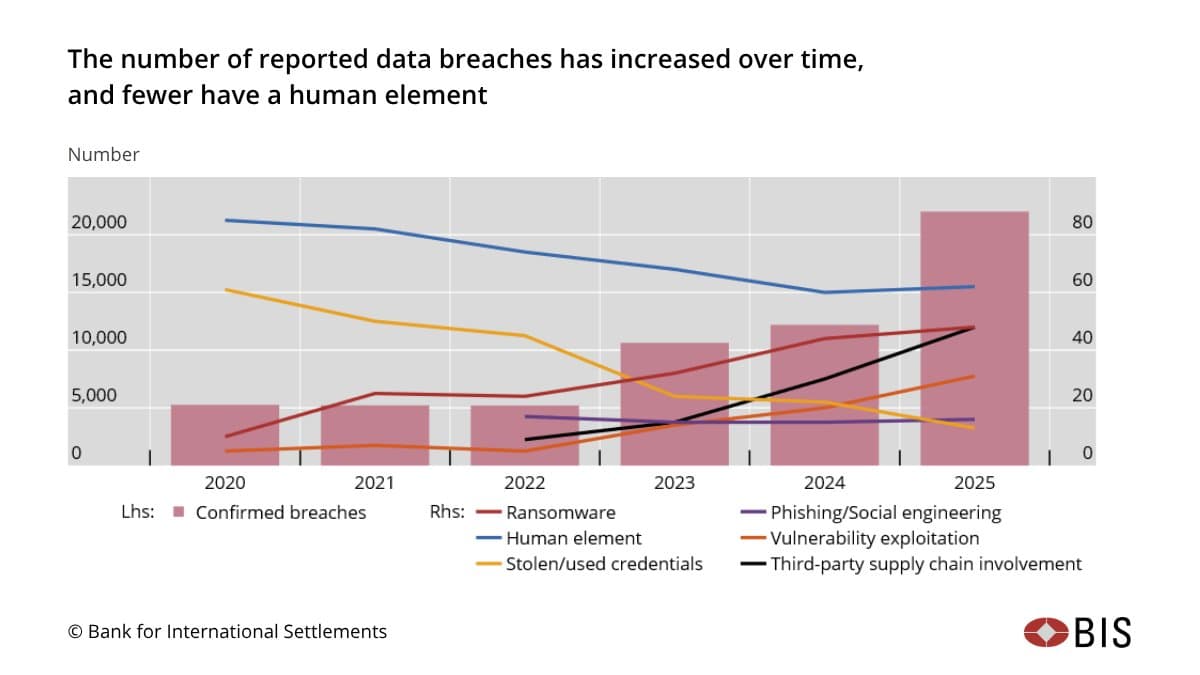
AI-Powered Cyber Threats Are Growing Faster Than Traditional Defenses
AI is accelerating cyberattacks through automation and advanced tools, forcing governments and businesses to strengthen digital defenses.

AI is accelerating cyberattacks through automation and advanced tools, forcing governments and businesses to strengthen digital defenses.

Technology companies continue expanding AI infrastructure as demand for advanced computing grows, while investors balance optimism with concerns over long-term returns.

The Global Index on Responsible AI 2026 finds growing adoption of AI policies worldwide, while legally enforceable protections and oversight remain inconsistent across many countries.

Australia plans new rules limiting automated AI decision-making in government, emphasizing transparency, human oversight, accountability, and stronger safeguards following lessons from the Robodebt inquiry.

Climate activists from Extinction Rebellion say they disrupted a Microsoft-linked data center under construction in Amsterdam by pelting it with balloons filled with a corrosive chemical mixture. The group claims the mix could damage concrete and accelerate rusting of steel, while the project developer says there was no impact on construction and that police are investigating.

China has dismissed allegations that its AI firms illegally “distill” foreign models—after U.S. concerns raised by companies including Anthropic. Chinese officials said the narrative is “misguided and counterproductive,” arguing that such a framing doesn’t help progress and calling for a more open approach to AI development.

International experts emphasized the importance of global cooperation in AI governance, highlighting China's participation in discussions on ethical development, regulation, and international standards.

France and Germany are backing “sovereign” alternatives to Palantir for sensitive government and defense data tasks, betting that EU-owned platforms reduce security and strategic-dependency risks. The shift reframes procurement as digital autonomy—moving away from U.S. vendors and toward domestic tech providers for intelligence, analytics, and AI-enabled decision support.

Two Greer, South Carolina officers were terminated after an audit found they violated department policy for using Flock Safety’s automatic license plate recognition technology.

Artificial intelligence investment continues expanding across the United States as companies integrate new technologies into business operations.

A new study suggests leading AI chatbots may unintentionally reflect government speech restrictions, prompting calls for greater transparency and human-rights-focused AI evaluations.

Reports highlight the increased lethality of AI drones in modern conflict, reducing troop survival times. This trend raises urgent ethical and legal questions about autonomous weapons and the need for international regulation.

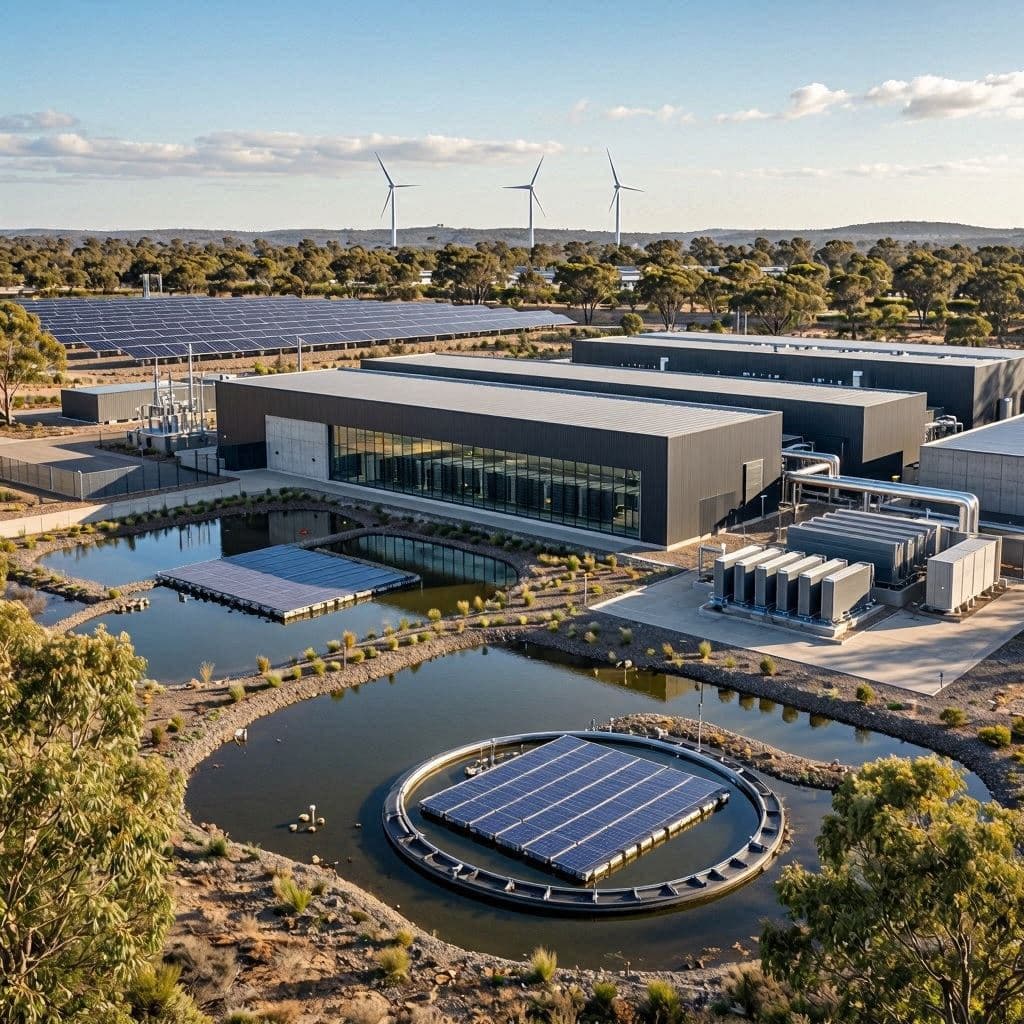
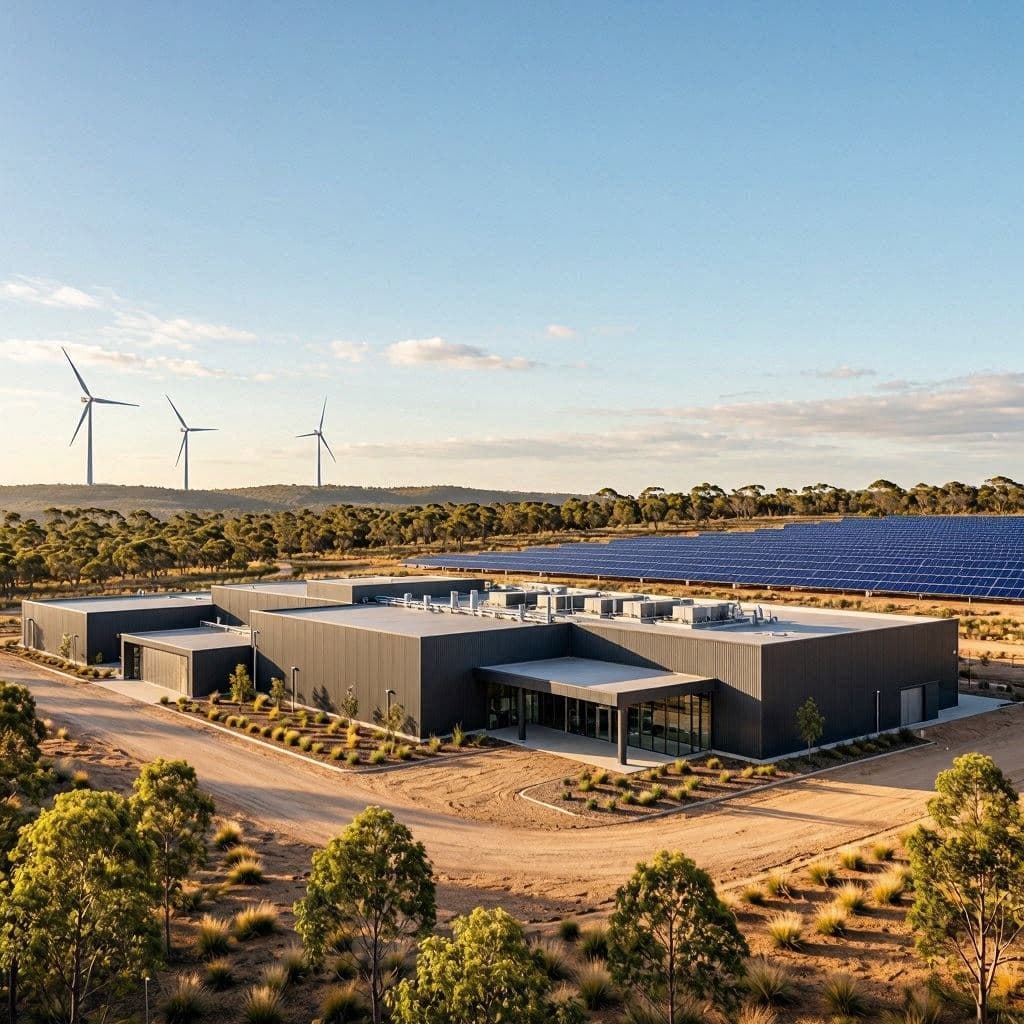
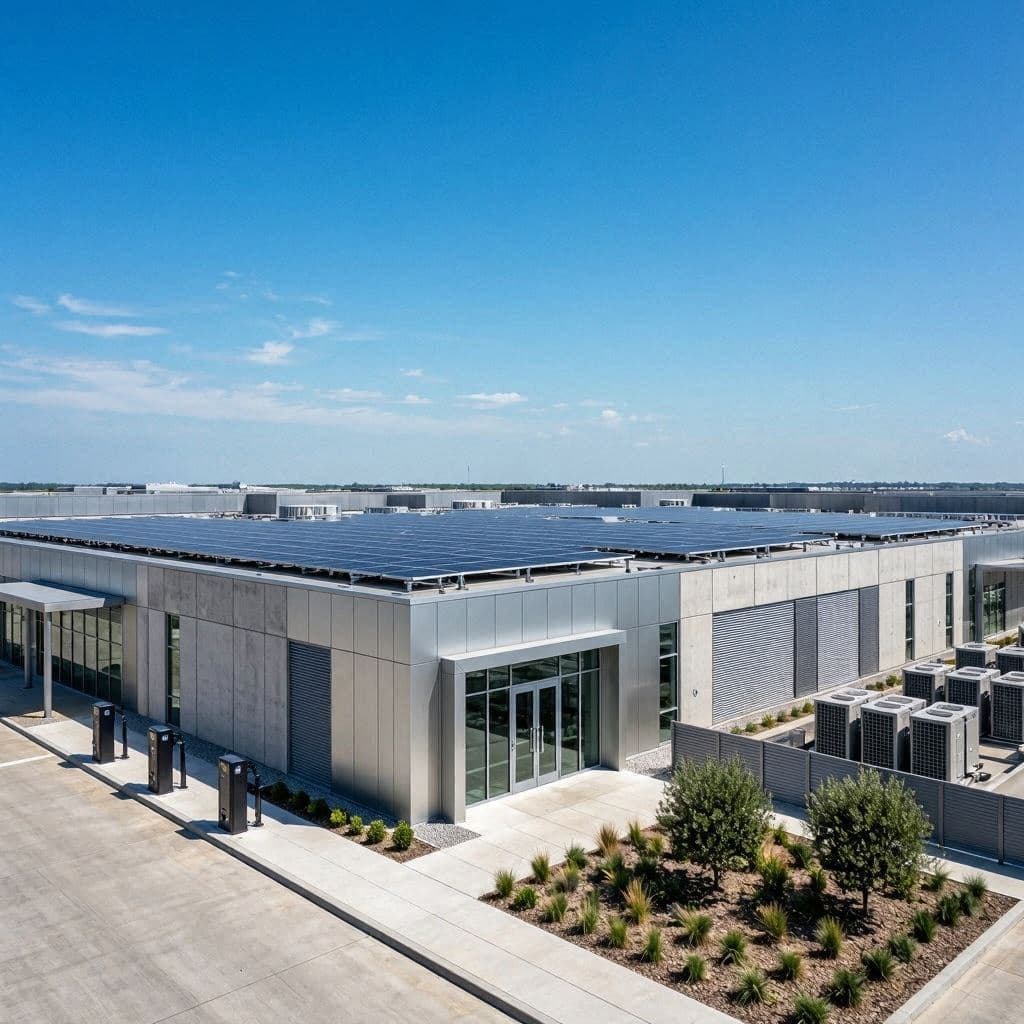
Australia has proposed national AI standards requiring major data centers to reduce water use, manage their own energy needs, and support environmentally responsible AI growth.

Researchers have published a roadmap promoting transparent, accountable, and human-supervised autonomous AI systems for future scientific research.

Researchers demonstrated an AI scientist platform capable of coordinating an end-to-end hypertension genetics study while maintaining human oversight and data governance.

Australia is strengthening policies that encourage AI innovation while promoting energy efficiency, renewable-powered infrastructure, and environmentally responsible digital development.

CIA Director John Ratcliffe said Russian recruits arriving in Ukraine now have an average life expectancy of about 20–30 minutes, attributing the shortened survival time to Ukraine’s AI-powered attack drones

Speaking at the 2026 World Artificial Intelligence Conference in Shanghai, Xi Jinping urged countries to take a more open, inclusive approach to AI development and to prevent AI governance from worsening global inequalities.

The Bank of England governor warned that AI risks can’t be managed by any single country, calling for coordinated international action to strengthen safeguards, reduce misuse, and improve oversight.

China is promoting WAIC 2026 in Shanghai, bringing global AI researchers, innovators and institutions together to accelerate artificial intelligence development.

Bank of America's CEO joined Wall Street leaders urging stronger oversight of advanced AI as banks balance innovation with cybersecurity and systemic risks.

Netflix is expanding AI across production and streaming operations while keeping creative decisions in human hands and improving global viewer experiences.

Truth API introduces verified data infrastructure for AI, aiming to improve transparency, reduce misinformation and strengthen enterprise trust in AI systems.

Australia plans to regulate water and power usage for AI data centers to ensure sustainability. The move aims to balance technological growth with environmental protection and community needs.