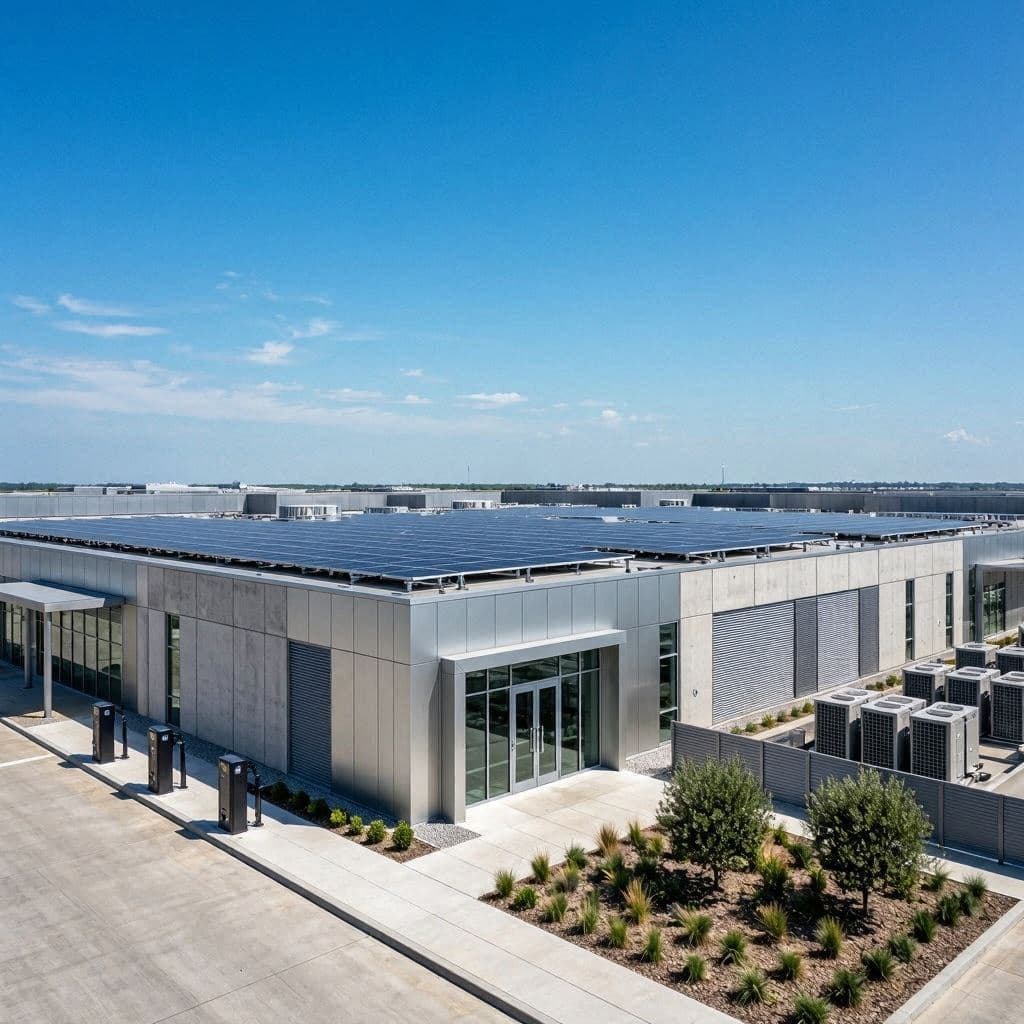
As artificial intelligence reshapes industries and daily life, its physical footprint is becoming impossible to ignore. Data centers, the engines of AI, consume vast amounts of electricity and water for cooling. Recognizing this, the Australian government is developing new regulations to govern the resource usage of AI infrastructure. This move is not a rejection of technology, but a proactive step toward sustainability. It invites reflection on how we can harness the benefits of innovation while protecting the natural resources that sustain us.
Body: The proposed framework aims to set limits on water consumption and energy efficiency for large-scale data centers. With Australia facing recurring droughts and energy grid pressures, unchecked growth in AI infrastructure could strain local communities and ecosystems. By establishing clear rules, the government seeks to ensure that technological progress does not come at the expense of environmental stability. It is a balance between digital ambition and ecological responsibility.
For tech companies, the regulations present both challenges and opportunities. Compliance will require investment in more efficient cooling technologies, such as liquid immersion or air-cooled systems that use less water. It may also encourage the use of renewable energy sources to power data centers. While initial costs may rise, long-term operational efficiency and corporate reputation could benefit. Innovation often thrives under constraint.
The impact on local communities is a key consideration. Data centers are often built in regions with access to cheap land and power, but these areas may also be vulnerable to resource scarcity. Engaging with local stakeholders ensures that development aligns with community needs and environmental capacity. Transparency in planning and operation is essential for building trust. It is a partnership between industry and society.
Internationally, Australia’s approach could serve as a model for other nations facing similar dilemmas. As AI adoption grows globally, the demand for resources will increase. Countries that establish sustainable practices early may gain a competitive advantage in attracting responsible investment. Leadership in green tech policy is becoming a marker of modern governance. It is a chance to set global standards.
Critics argue that strict regulations could slow down AI development and drive investment elsewhere. They contend that market forces and voluntary commitments are sufficient to address environmental concerns. However, proponents of regulation believe that without legal frameworks, short-term profits will outweigh long-term sustainability. The debate reflects differing views on the role of government in guiding technological evolution.
The scientific community supports the move, citing evidence of the environmental impact of digital infrastructure. Studies show that data centers contribute significantly to carbon emissions and water stress. Reducing this footprint is crucial for meeting climate goals. Integrating environmental metrics into tech policy is a necessary step toward a holistic understanding of progress. It connects the virtual world to physical reality.
As the policy details are finalized, consultation with industry experts, environmental groups, and the public will continue. The goal is to create a framework that is both effective and flexible, allowing for adaptation as technology evolves. Collaboration is key to finding solutions that work for everyone. It is a shared journey toward a sustainable digital future.
Closing: In the end, Australia’s plan to regulate AI resource use is a forward-thinking initiative. It acknowledges the physical costs of digital innovation and seeks to manage them responsibly. As we embrace the AI era, the hope is that we do so with care for the planet and its people.
AI Image Disclaimer: Visuals accompanying this text are AI-generated conceptualizations intended to depict the themes of technology and sustainability.
Sources: ABC News The Sydney Morning Herald Reuters
Published by Banx Network. This article is part of the Banx decentralized media programme, powered by the BXE token on the XRP Ledger.