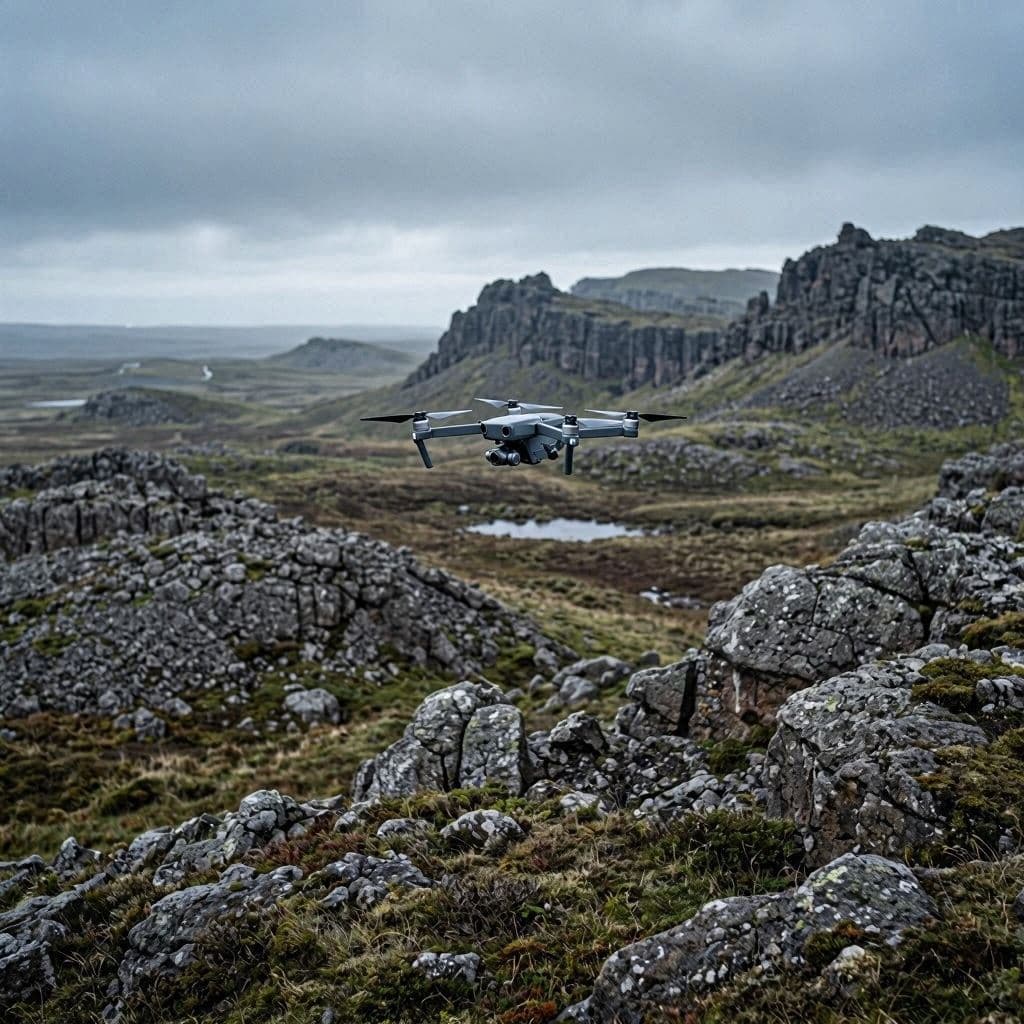
The battlefield is undergoing a profound transformation, driven by the rapid integration of artificial intelligence into military technology. Recent reports suggest that AI-enabled drones are significantly altering the dynamics of combat, with some assessments indicating drastically reduced survival times for troops exposed to these autonomous systems. While specific claims about "30 minutes to live" may be illustrative of the heightened danger rather than a precise statistical average, the underlying trend is clear: AI drones are becoming faster, smarter, and more lethal. This evolution invites reflection on the ethical implications of autonomous warfare and the urgent need for international norms to govern these technologies.
Body: Artificial intelligence allows drones to process data, identify targets, and execute maneuvers with speed and precision far beyond human capability. In conflict zones, this means that detection can lead to engagement almost instantaneously. For soldiers on the ground, the traditional cover of darkness or distance offers less protection against sensors that can see through fog, heat signatures, and camouflage. The psychological toll of facing an enemy that never tires and rarely misses is immense.
The use of AI in drones raises critical questions about accountability and decision-making. If a machine makes a fatal error, who is responsible? The programmer, the commander, or the algorithm itself? International humanitarian law relies on principles of distinction and proportionality, which require human judgment. Delegating life-and-death decisions to software challenges these foundational ethical frameworks. It necessitates a reevaluation of what constitutes lawful conduct in war.
Russia and other nations are actively developing and deploying these technologies, sparking an arms race in autonomous weapons. The speed of innovation outpaces regulatory efforts, creating a vacuum where dangerous precedents can be set. Without agreed-upon limits, the proliferation of AI drones could lead to unintended escalations and increased civilian casualties. The global community faces a pressing challenge to establish controls before the technology becomes ubiquitous.
For military strategists, AI offers tactical advantages but also introduces new vulnerabilities. Cyberattacks, electronic jamming, and adversarial AI can disrupt drone operations. Reliance on complex algorithms creates dependencies that enemies can exploit. Therefore, while AI enhances capability, it also adds layers of complexity and risk to military planning. Balance and redundancy remain essential for operational success.
Public awareness of these developments is growing, fueled by media reports and expert analysis. Concerns about "killer robots" are no longer science fiction but a present-day reality. Civil society organizations and tech experts are calling for bans or strict regulations on lethal autonomous weapons. Their advocacy highlights the moral imperative to keep humans in the loop when it comes to the use of force.
Diplomatic efforts are underway to address these concerns. Discussions at the United Nations and other forums aim to create treaties that restrict the use of fully autonomous weapons. However, reaching consensus among major powers is difficult, given differing strategic interests. Progress is slow, but the dialogue is vital for preventing a future where warfare is entirely dehumanized.
As technology continues to advance, the window for effective regulation narrows. Policymakers, technologists, and ethicists must collaborate to define red lines. Ensuring that AI serves humanity rather than endangering it requires proactive and coordinated action. The stakes are high, involving not just military outcomes but the very nature of human conflict.
Closing: In the end, the rise of AI drones marks a pivotal moment in the history of warfare. It challenges our ethical boundaries and demands robust international cooperation. As we navigate this new era, the hope is that wisdom and restraint will guide the development and use of these powerful technologies.
AI Image Disclaimer: Visuals accompanying this text are AI-generated conceptualizations intended to depict the themes of technology and modern conflict.
Sources: CNN BBC News Center for a New American Security
Published by Banx Network. This article is part of the Banx decentralized media programme, powered by the BXE token on the XRP Ledger.