

Key Highlights
- Australia is integrating sustainability into its AI strategy.
- The government promotes energy efficiency in data centers.
- Collaboration among sectors is essential for responsible AI growth.
Australia is at the forefront of integrating sustainability into its artificial intelligence (AI) strategy, recognizing the need to balance technological advancement with environmental stewardship. As AI technologies continue to evolve, they bring significant benefits to various sectors, including healthcare, education, and agriculture. However, these advancements also come with increased demands for energy and resources, prompting the Australian government to take proactive measures to ensure that innovation does not come at the expense of the environment.
The federal government has adopted a national approach that aligns the rapid growth of AI with sustainable practices. This initiative is part of a broader digital and technology agenda that emphasizes responsible management of energy use, emissions, and computing resources. By incorporating sustainable AI principles, Australia aims to support innovation while achieving its long-term climate and sustainability objectives.
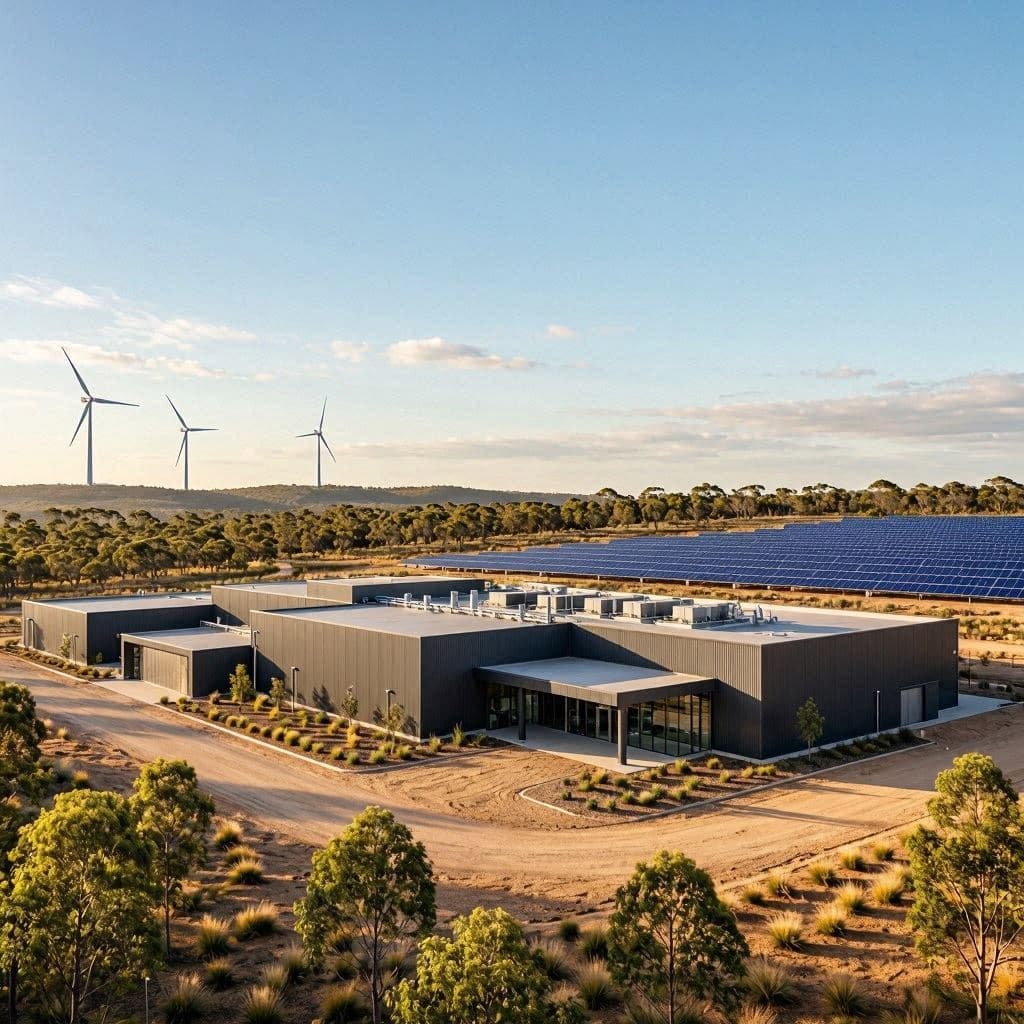
One of the critical areas of focus is the growing number of data centers that power AI applications. These facilities require substantial electricity to process vast amounts of data and maintain cooling systems. In response, Australian policymakers are collaborating with industry stakeholders to promote greater energy efficiency, encourage the use of renewable energy sources, and improve infrastructure planning. This is particularly important as the demand for AI computing continues to rise, necessitating a shift towards more sustainable operational practices.
In addition to energy efficiency, the government is emphasizing responsible AI development through various policy initiatives. These initiatives aim to foster transparency, accountability, and sustainable digital infrastructure. Agencies are exploring methods to assess the environmental impact of AI systems alongside their economic and social benefits. This holistic approach ensures that future technological investments consider resource efficiency throughout their lifecycle, ultimately contributing to a more sustainable digital landscape.
Research institutions and universities across Australia are playing a vital role in these efforts. They are developing energy-efficient machine learning models and advanced computing techniques that aim to reduce computational requirements without compromising performance. This research is crucial for minimizing the environmental footprint of AI applications used in diverse fields such as research, healthcare, manufacturing, and public administration.
Private technology companies are also stepping up their commitments to sustainability. Many organizations operating data centers in Australia have announced initiatives focused on renewable energy procurement, improved cooling technologies, and more efficient server management. These efforts align with national goals to reduce emissions while ensuring that reliable digital services remain available to businesses and consumers.
Industry experts emphasize that achieving a balance between innovation and sustainability requires collaboration among governments, researchers, technology providers, and energy companies. As AI adoption expands across various sectors, coordinated planning will be essential to ensure that digital transformation is both economically productive and environmentally responsible. Australia's evolving strategy serves as a model for a broader global conversation about the future of artificial intelligence, demonstrating that technological progress and environmental stewardship can advance together.
In conclusion, Australia's commitment to sustainable AI reflects a strategic effort to build digital capabilities while supporting long-term resilience and responsible economic growth. By prioritizing sustainability in its AI initiatives, Australia is setting a precedent for other nations to follow in the quest for a greener, more innovative future.
Published by Banx Network. This article is part of the Banx decentralized media programme, powered by the BXE token on the XRP Ledger.




